Garmin Cirqa review: Brilliant hardware, curious fit

- Excellent data accuracy throughout
- Dependable auto-detection and syncing
- Comfortable design
- Subscription-free core metrics
- Button undermines screenless simplicity
- Sensor and strap mismatch looks cheap
- Relatively pricey for a screenless tracking band
- Uninspired software experience
In the last five years or so, the wearables world has tilted toward the idea of a screenless tracker.
While the watch form factor has dominated the industry for most of the past decade, brands like Whoop and Oura found value in offering less: no display and no notifications. Instead, just the promise that the wearable and the platform would be there when you felt like checking in.
What was once a niche curiosity is now one of the most crowded corners of the wearables market—and several traditional, larger wearable tech players have offered their own interpretations in the last year.
Polar and Amazfit have both taken swings at Whoop—with mixed results—and, this year, Google finally joined in with the far cheaper Fitbit Air.
Garmin, curiously, sat this fight out entirely—right up until the arrival of the $199.99 / £179.99 Cirqa Smart Band in late July.
In a way, it’s overdue. Garmin has long been the eminent figure in meeting tracking enthusiasts where they are, whoever they may be: aviators, mariners, golfers, outdoor adventurers, runners, to name a few. Now, ‘soft’ tracking is part of the pie chart.
In another sense, though, that makes the Cirqa an unnatural fit for a data-driven brand where depth is generally guaranteed. While Whoop and Oura have built successful, industry-leading platforms around an ongoing subscription, Garmin's pitch here is the opposite: a single purchase that provides core training and recovery metrics.
On paper, that's a disruptive move into a category defined by recurring costs. The more interesting question, though, is whether a company built on giving data obsessives more than anyone else can find the right balance when giving you less.
After a couple of months with the Cirqa on my wrist, I believe it’s a well-built, accurate screenless wearable that solves a real problem for a slice of people—but still a slightly odd one for Garmin to have built at all.
Who is the Cirqa actually for?
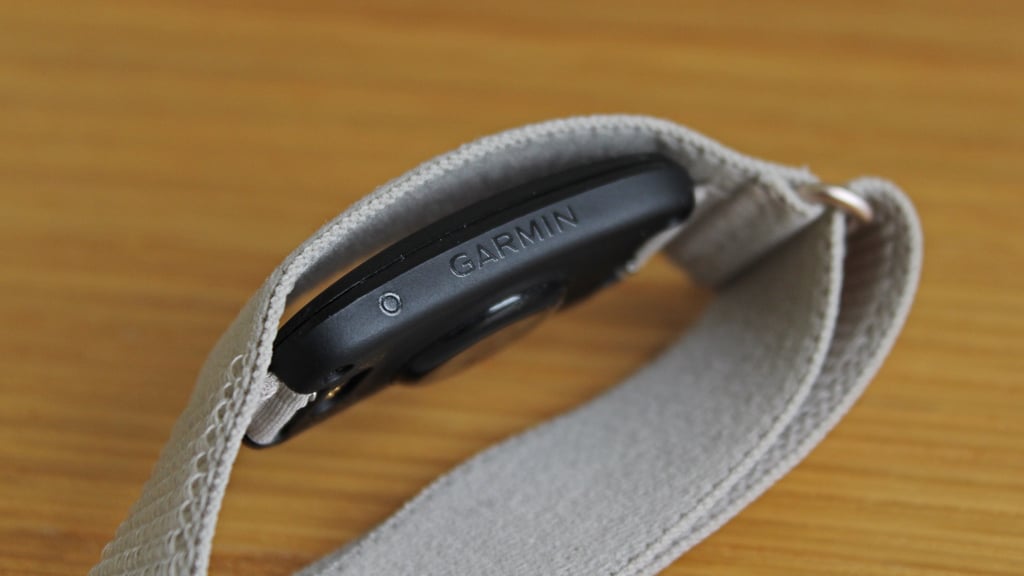
Not, I'd argue, the same customer Whoop has spent years cultivating.
Whoop's initial appeal was the novelty of no upfront fees. Since its fifth-generation trackers, the value proposition has increasingly shifted to its whole-health platform, which now includes integrated blood tests and longevity markers alongside core strain, sleep, and recovery insights.
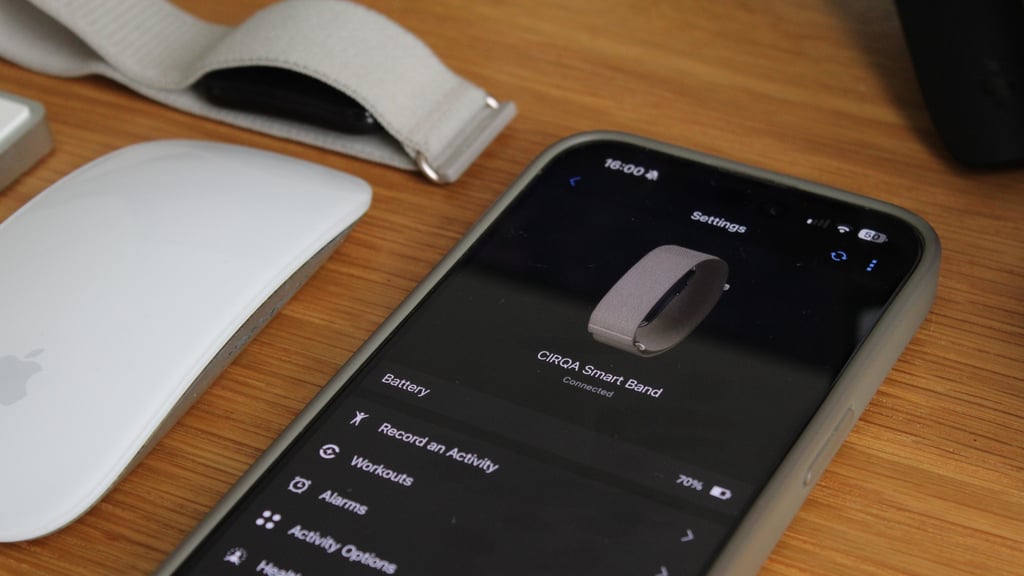
Garmin's pitch here is that the Cirqa is more like a supplementary device: something for the Fenix or Forerunner owner who doesn't want a chunky multi-sport watch on their wrist 24/7 but still wants that data flowing into Garmin Connect.
So, the person who regularly goes to the gym, does CrossFit or F45, and wants that session logged in Garmin without wearing a chest strap to spin class; the person who hates sleeping in a watch and would rather pay a premium for something better positioned than the Index Sleep Monitor; the person who wants Whoop's screenless simplicity but—as I’ll explore below—with more trustworthy wrist HR. And, crucially, anybody willing to make some of the compromises I detail in this review to avoid paying a recurring fee.
If you fit one of those descriptions, the Cirqa makes a strong case. If you don't already have a foot in the Garmin ecosystem—or want one—I think it’s a harder sell.
Price, versions, and the competition
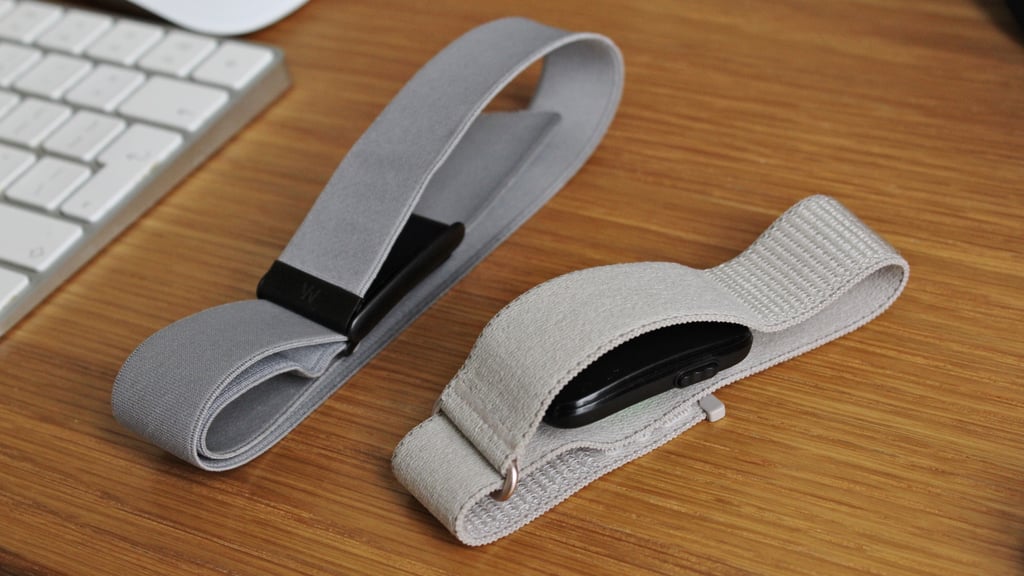
The Cirqa is a one-time purchase of $199.99 / £179.99, with no subscription required for any core training or recovery metric.
Garmin offers an optional Connect+ subscription (around $7 a month, or roughly $70 annually) that unlocks Garmin Coach and deeper AI-guided insights, but it's a nice-to-have rather than a functional gate—more on that below.
Garmin briefly locked live heart rate broadcasting behind that same paywall at launch, then rolled it back after predictably loud user backlash. Even though that issue was resolved in a sensible direction, it also shows the brand's freshness in this corner of wearables.
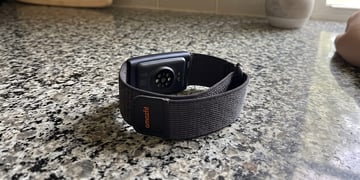
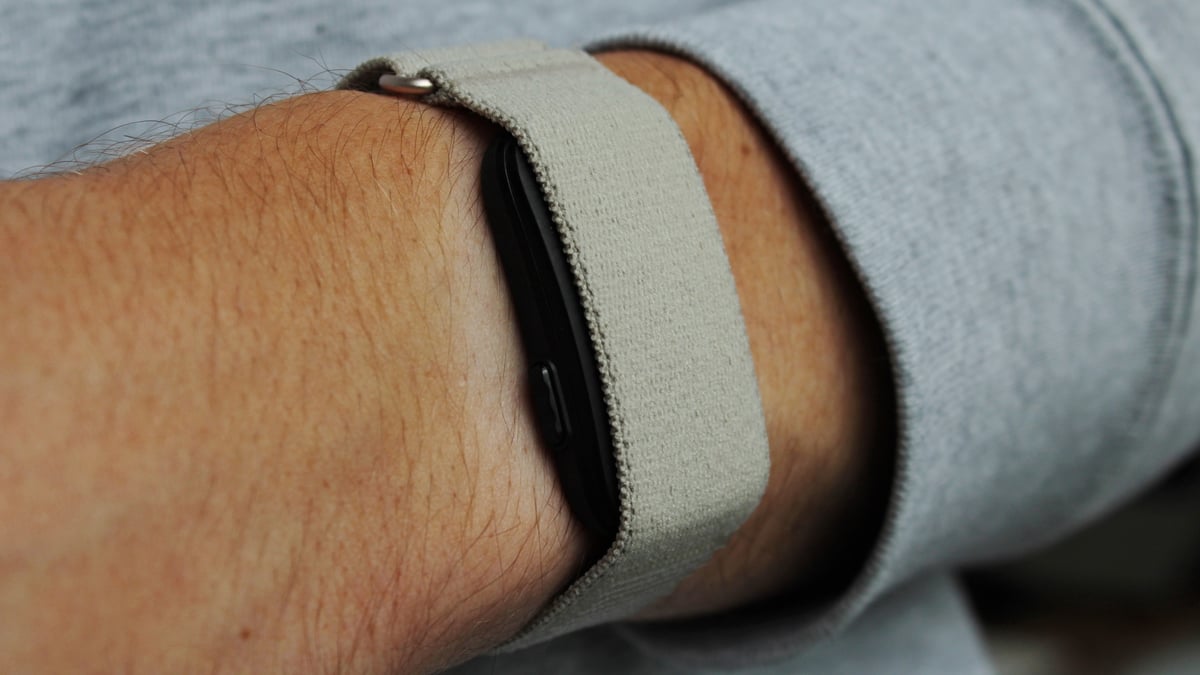
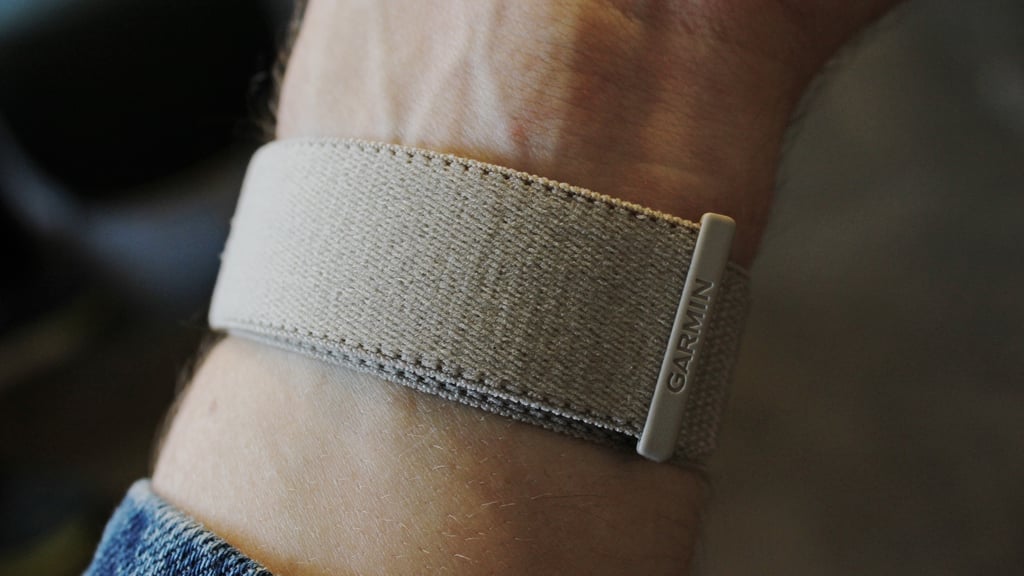
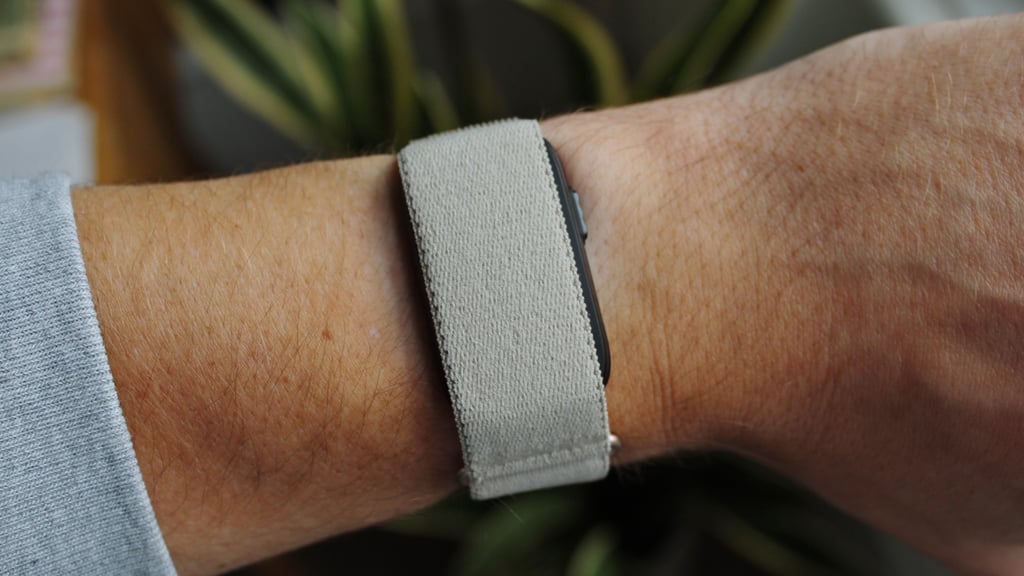
The single Cirqa pod comes with a fabric strap available in a handful of colorways (the review unit shown throughout is a sand-toned finish; darker options in burgundy, black, and navy are also available) and in two adjustable sizes.
A dedicated bicep band is sold separately for $59.99. It’s a pricey extra that would have been nice to have out of the box. And despite spending the last half-decade telling anyone with a pulse how big an advocate I am for using Whoop’s equivalent to get the best heart rate accuracy, I'll explain below why that’s not strictly required with the Cirqa.
In the middle of the pack—but not inexpensive
Against the rest of the category, the Cirqa lands in an odd middle spot.
Whoop 5.0 and the MG remain the premium, subscription-locked options, starting at $199 a year and climbing to $359 for the Whoop MG.
Another screenless gold-standard device, the Oura Ring 5, sits at the top end of hardware pricing, too—starting at $399. It also requires an ongoing subscription to function at all.
Fitbit Air, at $99.99 with no mandatory subscription to view core data, is the one I'd point most people towards if they're simply curious about screenless tracking and don't care which ecosystem they end up in.
The Cirqa is pricier than that accessible option. Yet, it’s also without the constant software investment that Whoop and Oura are pouring into their apps to justify their own asking price—a tension that shows up most clearly once you get into what the device actually surfaces day to day.
Design and comfort
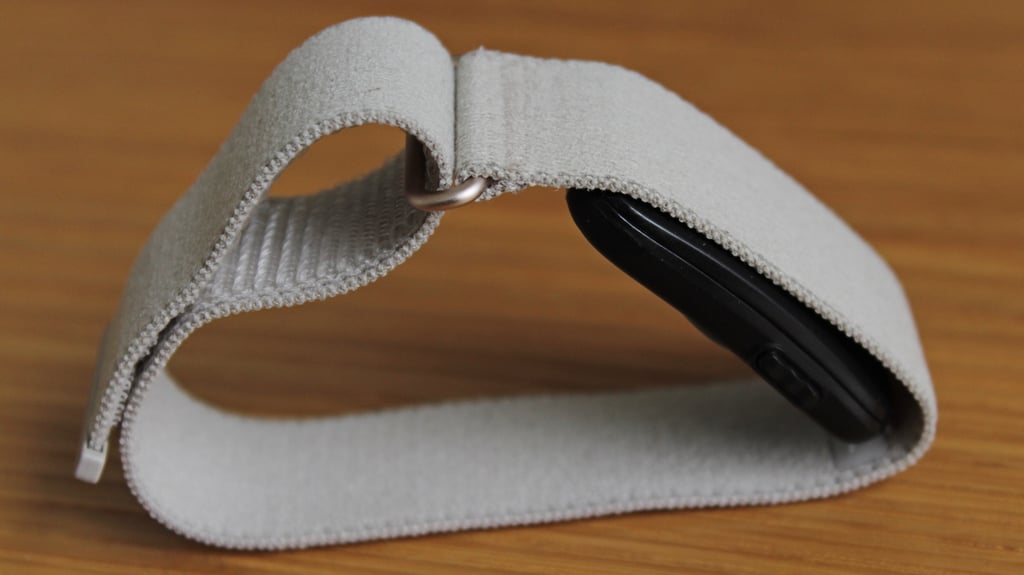
As a piece of hardware to actually wear, the Cirqa mostly gets the fundamentals right.
It's a fabric band wrapped around a small sensor pod, and it dries a good deal quicker than Whoop's equivalent after a sweaty session or shower. Plus, it does so without the fiddly clasp system Whoop persists with.
Comfort-wise, I've had no complaints wearing it day and night since it launched.
Where it lets itself down a little is the finish. In the sand colorway I've been testing, the black sensor pod sits starkly against the lighter strap instead of blending in, giving the whole thing a slightly cheap, off-the-shelf look that I don't think is fully intentional.
The darker bands mask this far better, since the pod simply disappears. It’s not as clunky-looking as something like the Polar Loop, which did color-match its sensors, but it's a rare case of Garmin's hardware team leaving a little polish on the table.
The trouble with the button
My biggest hesitation with the Cirqa is a philosophical one as much as a practical one: it has a button, and I don't think it should.
Garmin's reasoning is that giving users manual control over activity starts is a feature—more choice, more precision. Fine, in principle. In practice, I actually think it’s the opposite.
Whoop's entire appeal rests on the fact that you put it on your wrist or bicep and essentially forget it exists; its auto-workout detection is sharp enough that a 30-second discrepancy at the start or end of a session simply doesn't matter, because the Strain score absorbs it.
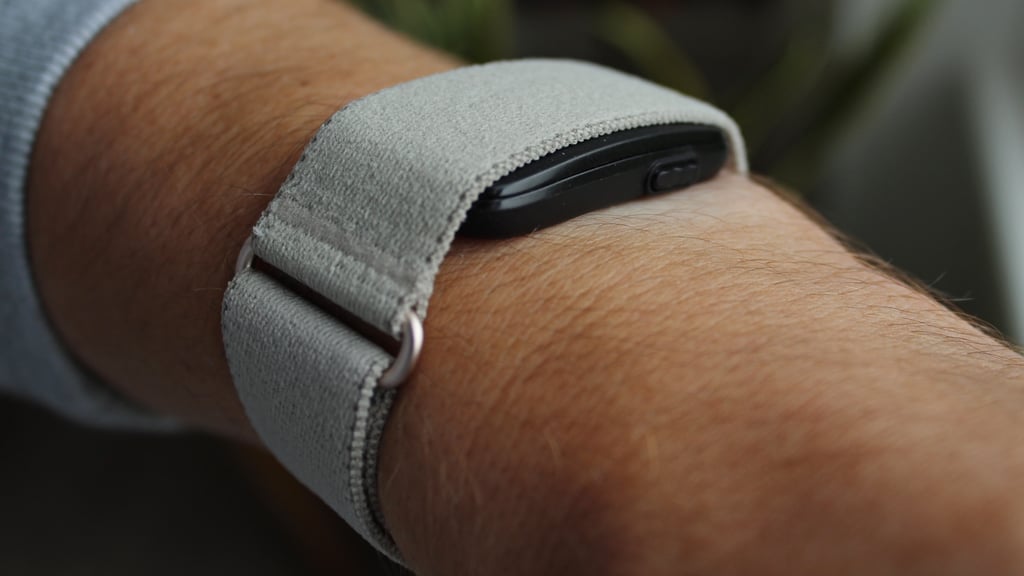
Wearing the Cirqa feels different. Roughly half the time, I've completely forgotten I was supposed to press that button at the start of a workout, or only remembered to finish a workout when the hour-interval buzz reminds me. It feels slightly over-engineered for a category whose entire sell is not having to think about the device on your wrist.
The saving grace is that I've simply learned to stop pressing it and trust the auto-detection instead, which is generally good. I also love that it passively picks up something as unstructured as a walk around town without me having to start anything manually, which I'd never bother doing on a Garmin watch.
Activity tracking
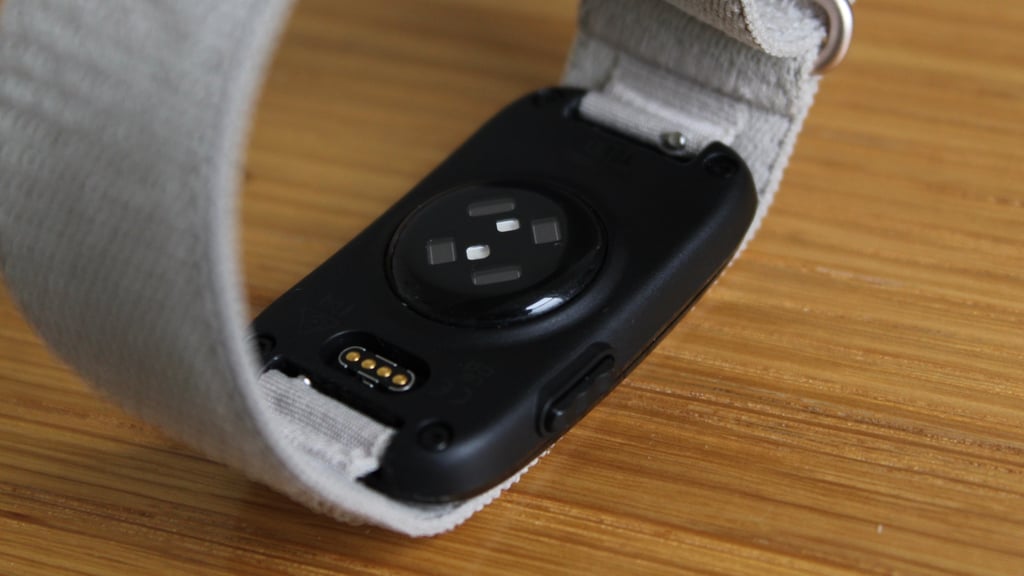
On raw data quality, the Cirqa earns its keep. Heart rate accuracy—as I’ll dive into in much more detail below—sits comfortably in the upper echelon of what I test across the wearables market. It’s broadly in line with the rest of Garmin's current range, and, in my experience, only Apple's optical sensors are consistently better or evenly matched.
That's a strong result for a device running Garmin's older Elevate Gen4 optical sensor rather than the newer silicon (inside something like the Garmin Venu 4 or Garmin Forerunner 970), and it says as much about how mature the brand’s underlying algorithms have become as it does about the hardware itself.
It's also worth clarifying what the Cirqa isn't. It has no onboard GPS—outdoor pace and distance rely on a connected phone nearby—so it was never designed to replace a proper GPS watch for structured training.
As someone who runs and cycles almost exclusively with a Forerunner 970 or Fenix 9 Pro paired to the Garmin HRM 600, that's precisely why the Cirqa makes more sense as a supplementary device than a primary one: I’ve found it’s most useful there for the hours I don’t want to wear a ‘real’ Garmin, but still quietly bank data that might otherwise go untracked entirely.
Interestingly, unlike Whoop—where I’ve documented the accuracy gap between wrist and bicep placement in countless reviews since launch—the data below shows why I don’t feel any need to move the Cirqa to the bicep band, even though it supports that option.
Wrist-based readings have held up well enough on their own that the upgrade hasn't felt necessary, which, again, is a different story to the one I tell for Whoop.
Heart rate accuracy
Test 1: Steady-state outdoor running
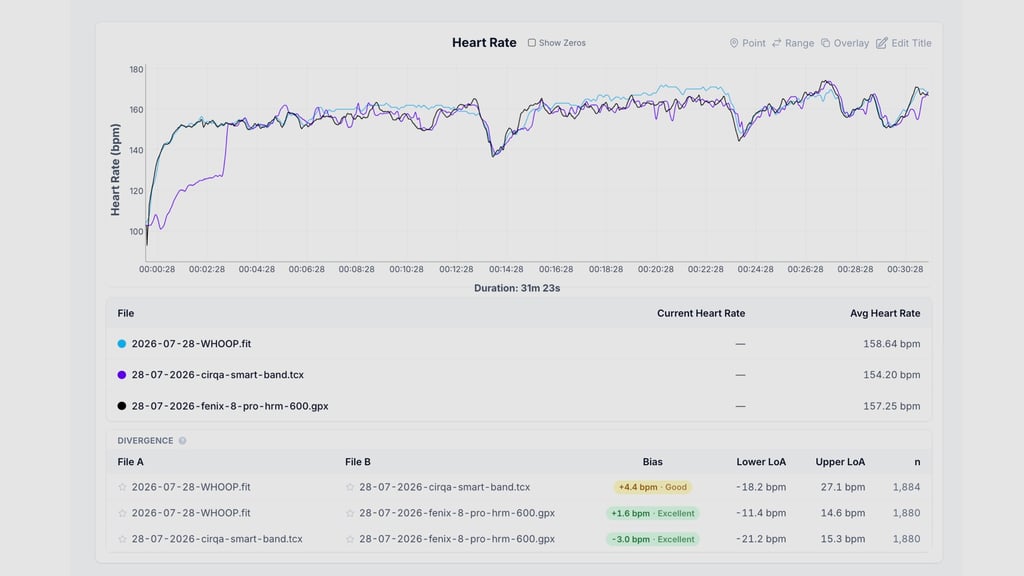
The first test here is the simplest outdoor running test for any device: a short, steady-paced effort on flat ground. It also quickly highlights perhaps the only quirk I’ve found in the last six weeks of testing: the odd occasion when the Cirqa’s sensor is slow to react.
This is the most egregious example, and, as the final figures show, it still stays close enough to the Whoop MG (worn on the bicep) and Garmin HRM 600 to produce a very accurate final session average.
On a device with a screen, that early drop-out would otherwise be a minor concern. However, unless you plan to run and look at your phone at the same time—and, to be frank, just get a Garmin Forerunner 70 or Forerunner 170 in that case—you won’t know until your workout is over anyway.
Test 2: Gym workout
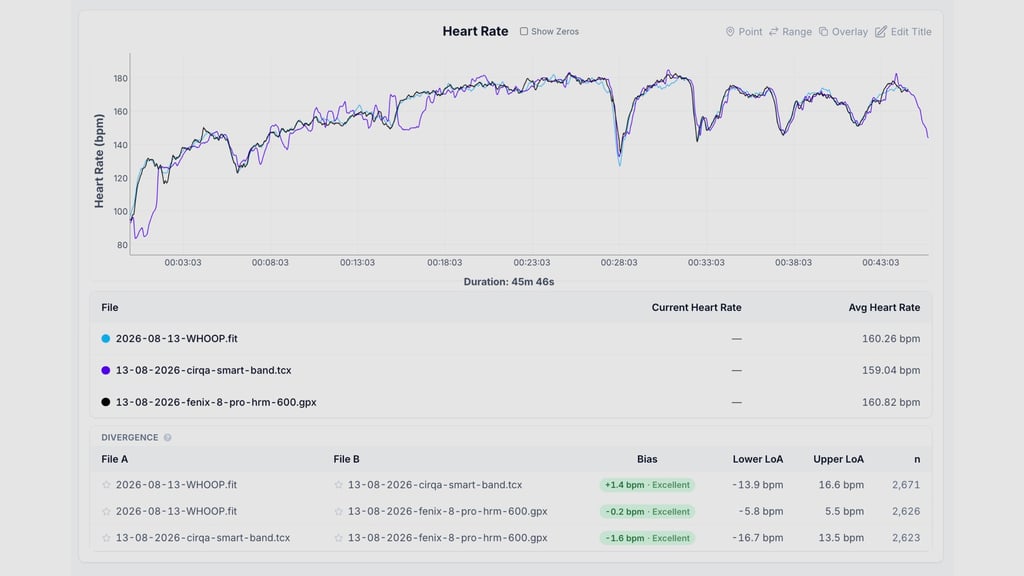
A similar warm-up period here for the Cirqa—and generally a bit more erratic than the two better-positioned devices it’s trying to keep up with.
Again, though, the final session average is well within reach. Though it’s clearly the most erratic of the trio in this workout—which included a long initial stretch of rowing into wall-ball throws, followed by shorter intervals of shoulder presses with a partner—it still keeps up very well for a wrist-based sensor.
Encouragingly, it doesn’t suffer any latency at the start of these peaks and troughs, and holds up very well given the amount of wrist movement in these workouts.
Test 3: Long tempo run
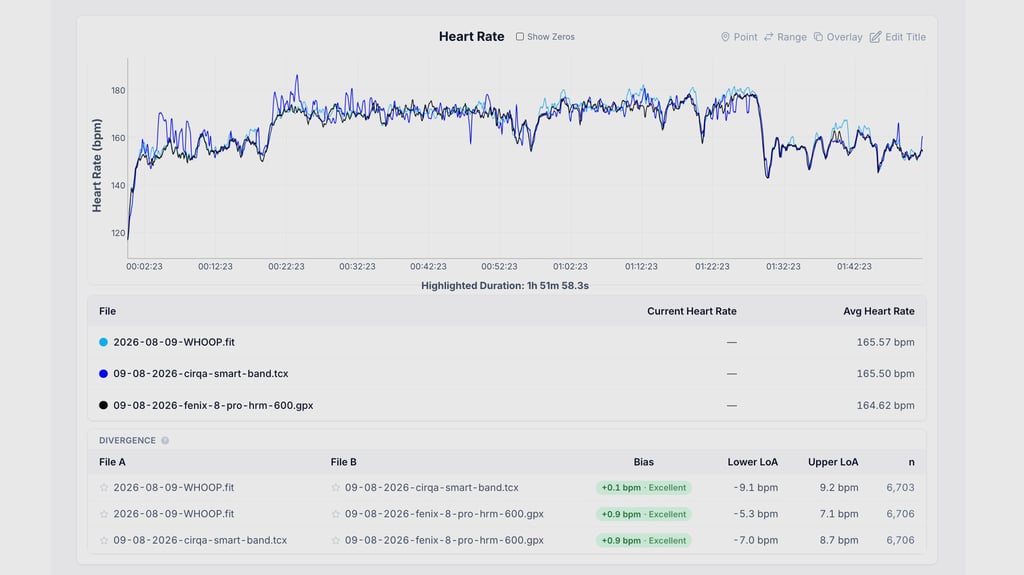
Over a near-two-hour run, which included a long stint at tempo effort in the middle, it again showed similar traits: slightly more erratic than the bicep and chest sensors on a graph, but always capturing the precise effort of an interval, changes in intensity, and the overall session.
Not much to add here, really. The Cirqa proved itself as a very capable workout tracker in multiple tests that typically trip up lesser sensors. Especially for a device you won't be glued to during the workout, this is more than good enough.
Health and sleep tracking
This is where Cirqa's case for existence gets most complicated. Whoop and Oura didn't win the screenless category by out-tracking brands like Garmin on raw activity data—they won by making stress, sleep, and recovery the device's main point, wrapping them in presentation layers that turn a wall of biometric numbers into something that actually changes how you behave.
Oura packaging Symptom Radar, Stress Resilience and unrivaled women’s health insights, for example, isn’t just to fill out a pretty dashboard of sleep and recovery insights; it’s an understanding that trackers can do much more than just track raw heart rate figures, and that people generally want to be told the story of the data.
For a screenless wearable, that software layer isn't a nice-to-have bolted onto the hardware—it effectively is the hardware, because there's no on-device experience to fall back on.
Saying the loud part quietly
This is where the Cirqa reveals itself as, fundamentally, still a Garmin.
What you get—Body Battery, HRV Status, Sleep Score, basic stress tracking, and skin-temperature-based cycle predictions with Natural Cycles integration—is exactly what you'd find on any entry-level Garmin watch: accurately and competently delivered, but with essentially none of the presentation innovation that's defined this category over the last few years.
There's no equivalent to Oura's Stress Resilience or Cumulative Stress, which reframes stress as something you build tolerance to, or a Whoop-style Healthspan or Pace of Aging narrative that turns your data into a long-term story.
Garmin isn't behind the curve here on accuracy; the underlying numbers are as trustworthy as anything the brand makes. Yet, it’s very much behind the curve on making you feel anything about those numbers.
That's a strange position for a screenless device, because it inverts what should matter most in the category. By nature, a screenless tracker will always be the weaker option for structured activity tracking—no GPS, no live pace, no on-wrist feedback mid-workout—so stress, sleep, and recovery presentation is really the only place left for a device like this to differentiate itself.
Arguably, Cirqa's engineering team has nailed the part of the experience that matters least here and left largely untouched the part that matters most.
If you're coming from Whoop or Oura and expect Garmin to have matched that side of the experience simply because the hardware is excellent, you'll be disappointed.
If you're already fluent in Garmin's ecosystem and know roughly what Body Battery and Training Readiness mean to you, none of this will bother you nearly as much.
Garmin Connect (and the Connect+ problem)
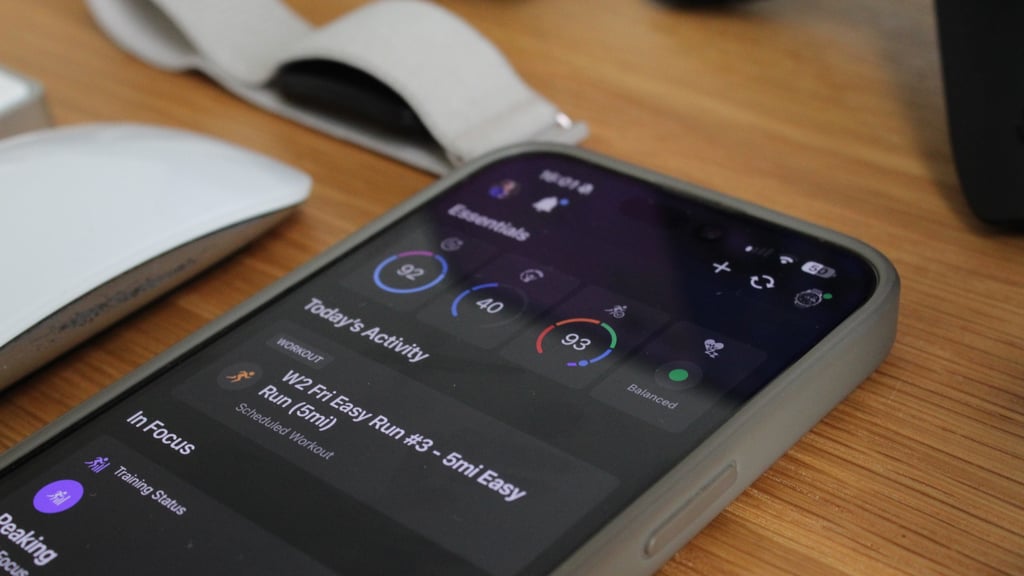
With that in mind, it’s worth judging Garmin Connect as doing most of the work here. And to Garmin's credit, Connect has picked up some useful quality-of-life tweaks to accommodate the Cirqa.
Activity classification improves the more you confirm or correct it, and there are now quick-look tiles at the top of the display that accompany the more detailed cards of data—great for getting insight into your overnight scores, for example. For someone who just wants their Body Battery and sleep score without paying anything extra, it's a perfectly competent home for that data.
On this, though, I can’t help but feel that Garmin’s optional paid tier, Connect+, has slightly hamstrung the Cirqa. The Athlete Intelligence briefs unlocked with a subscription are the only realistic route to the kind of deeper, contextualized guidance rivals bake into their subscriptions by default.
Standing still
Now 18 months post-launch, Connect+ still feels thin next to what those two platforms have shipped in a comparable window: Whoop rolled out Healthspan, Advanced Labs, and a full blood pressure feature inside a single update cycle; Oura has added GLP-1 insights, Cardiovascular Age, and a complete app redesign in the time Connect+ has largely stood still.
Again, that matters more for the Cirqa than for a Garmin watch, precisely because there's no screen to fall back on if the software stagnates—the app is all there is.
So, while ‘subscription-free’ is a great-sounding pitch, the risk is ending up with the worst of both worlds: a weaker platform than rivals, without consistent enough backing to justify pumping more funds into the paid tier.
Right now, Connect is good enough, and Connect+ has ways to go. Whether it stays that way without a change in the model will be interesting to watch.
Battery life
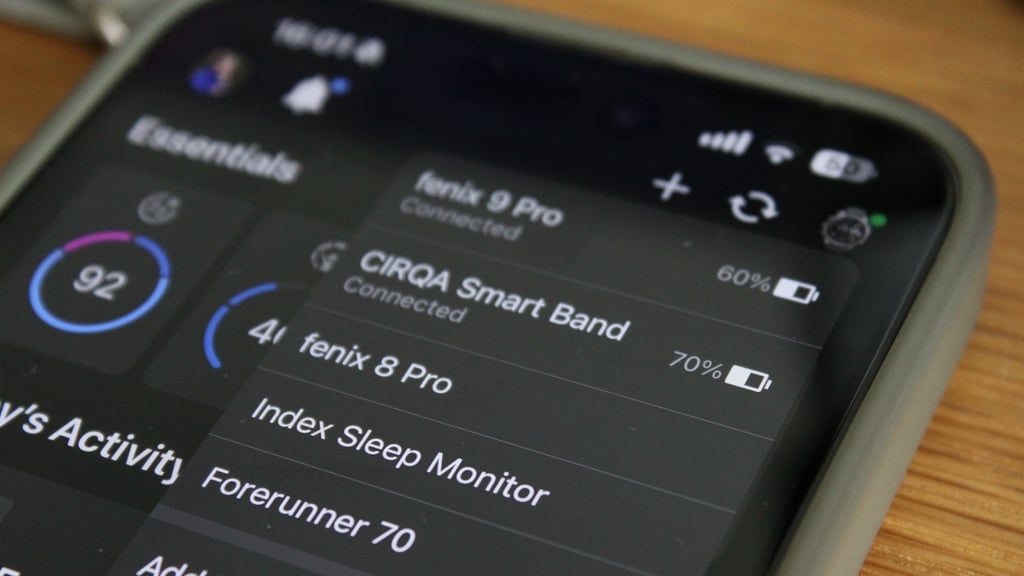
After the underwhelming battery life on the Garmin Index Sleep Monitor, I went into Cirqa testing bracing for something similarly disappointing.
I’d guessed four or five days at best for 24/7 wear, but I needn’t have worried. Garmin claims up to 10 days, and, even when I push the device hard through multiple charging cycles, I've landed right around that figure—occasionally beating it.
Breaking that down a little: a full night of sleep tracking burns through around 5-7% of the battery, while an hour of tracked activity with continuous HR sampling runs closer to 4-5%.
It also has very consistent battery drain, meaning you can easily plan your charging routine and know when to travel with or without the proprietary Garmin cable. So, as an example, it doesn’t seem to drain 20-25% day to day if you include a three-hour hike.
Hitting 10 days isn’t leading battery life in the space, but it’s also still pretty solid—enough that I generally can’t remember when I last charged. And you can naturally stretch it longer if you do what I’ve done over the last week: don't wear it for anything other than sleep tracking.
Should you buy the Garmin Cirqa?
Judged purely as hardware and a data source, the Cirqa is easy to recommend within its niche: it's accurate, dependable, comfortable, and genuinely long-lasting. And at $199.99 with no subscription, it's a fair trade-off against Whoop's ongoing membership fees.
If you're already bought into Garmin's ecosystem and want a screenless option for the hours you're not wearing a proper GPS watch, this is a well-executed answer to a real problem.
What I'm less sure about is the broader premise. Garmin has built its reputation on giving data obsessives more than anyone else in the category, and Cirqa's entire sell is that you get less. That works brilliantly for brands like Whoop and Oura, because withholding the screen is their whole identity.
However, it sits a little strangely for a company whose instinct has always been the opposite, and whose software still hasn't caught up to what this category actually demands.
It doesn't feel like a bad decision, exactly. It just feels slightly on the nose. It’s a bit like Apple’s Screen Time controls on the iPhone: not wrong, but a little at odds with everything else the brand stands for.
Whether that's a problem depends entirely on how narrowly you fit the audience Garmin's actually built this for. But for most people wandering into the category cold, I'd still point them to the cheaper Fitbit Air before this.