How we test red light therapy

Photobiomodulation is a relatively new area of coverage for us, but the growing popularity of health tech devices using red, blue, and infrared light has made it one of our main areas of focus.
Testing red light therapy devices requires careful consideration of the research and evidence behind their potential benefits. Assessing comfort and ease of use alone isn’t enough to show the value of a device.
This guide explains how we test red light therapy, other low-level light therapy, and infrared devices, including the research and practical assessments that inform Wareable articles.
What red light therapy devices do we test?
This methodology guide covers more than red light therapy alone. Photobiomodulation involves the use of different light wavelengths, although most of the products we test use red light specifically.
As we don’t yet have enough products to create separate categories, the following list covers the types of low-level light therapy and infrared heat products we currently review:
- Red light therapy face masks and eye masks
- Red light therapy face and neck wands, including spot-targeting devices
- Light therapy glasses
- Red light therapy neck devices
- Red light therapy mouthpieces and toothbrushes
- Red light therapy caps and helmets
- Red light therapy panels, including sturdy and flexible designs
- Red light therapy pads, belts, and braces
- Red light therapy mats
- Infrared blankets
- Infrared saunas, including models that offer red light therapy
This reflects our current range of photobiomodulation and infrared products. As Wareable continues to grow, we may expand this list to include additional product types.
How we get the products we review
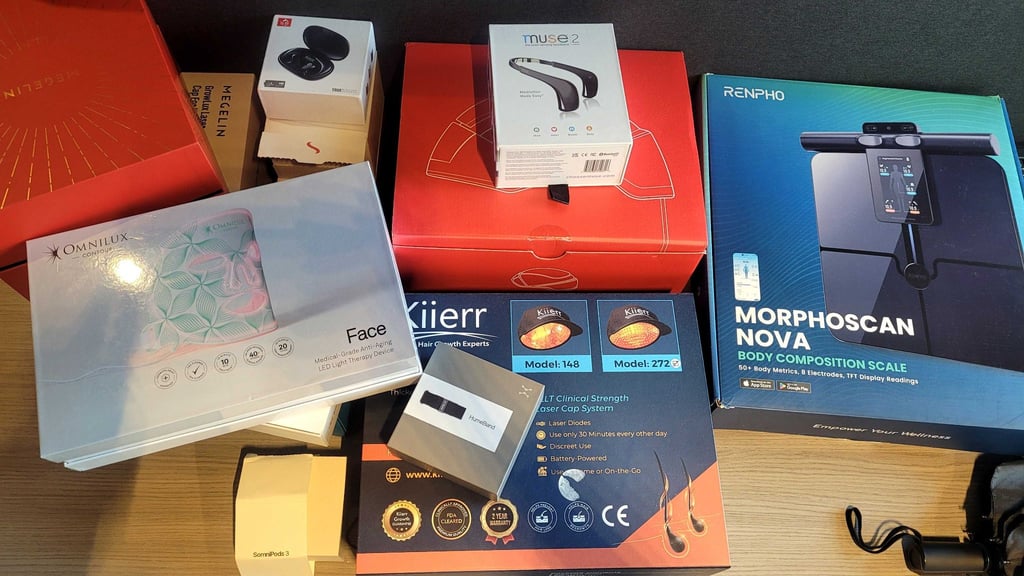
New red light therapy products are regularly entering the market, but not all of them meet our selection criteria. An early step in our testing process is researching the market and identifying products that are relevant to consumers.
Some companies keep us informed about their latest launches, while in other cases we contact brands to request samples or purchase products ourselves. For now, we focus on devices that are already established and trending in the red light therapy market, although our coverage will expand over time.
To support our work, we have some commercial relationships: we may earn commissions when readers buy products through links in our articles, and we occasionally publish sponsored content.
This content is always clearly identified and kept separate from our editorial assessments. We believe transparency with our readers is crucial, especially since we often cover devices that are a significant investment.
Testing red light therapy: What we focus on
We follow general testing guidelines across our product coverage, but red light therapy and infrared devices require some additional consideration.
Our process starts with market research and product sourcing, followed by a review of the available studies related to each device’s intended use. We then carry out hands-on testing, which can last from a week to several weeks, depending on the red light therapy product and the tester’s schedule.
Once testing is complete, we bring together our experts’ experiences, compare notes, and highlight each device’s strengths, limitations, usability, and value for money against each other.
Our verdicts reflect our own experiences and assessments, rather than definitive evidence of a product’s effectiveness. We encourage readers to consider the available research critically and do their own research before making a purchase.
The following sections explain the main factors we consider when testing different types of low-level light and heat therapy products.
Design
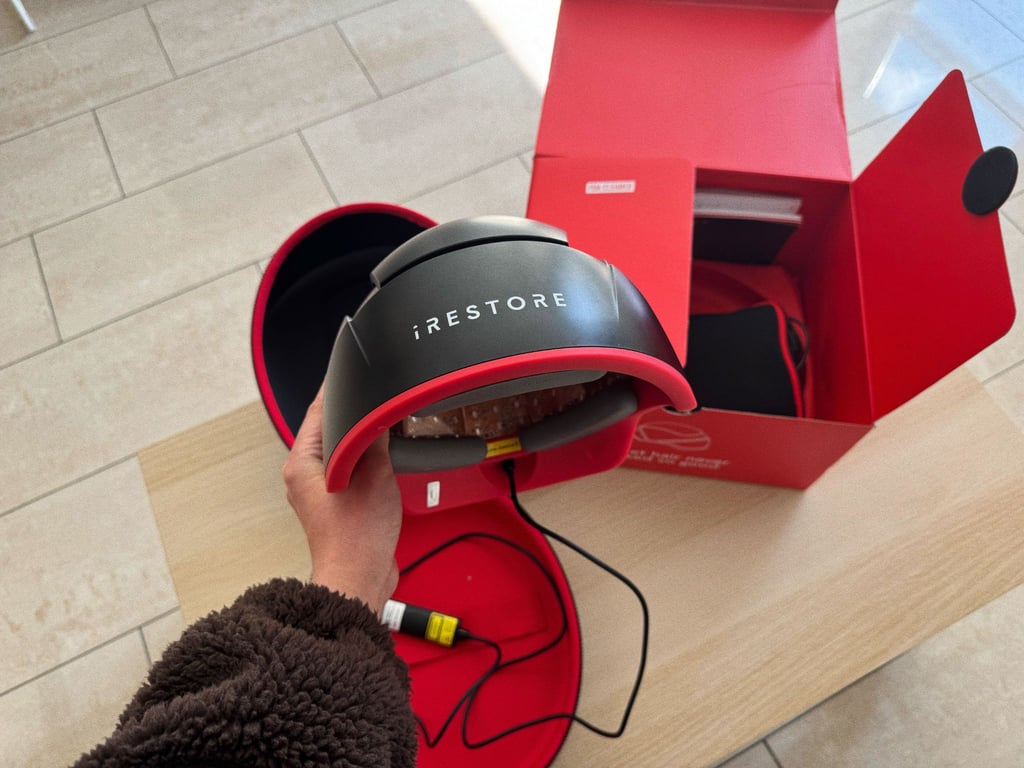
The design of a red light therapy device can have a significant effect on how practical it is to use regularly. We assess its size, weight, materials, build quality, and suitability for the area it is designed to target.
For wearable devices like masks, caps, helmets, and wraps, we pay particular attention to comfort and fit. These devices should sit securely against the relevant area of the face, head, or body and remain comfortable throughout a session.
With panels, mats, and blankets, we consider how easy they are to position, store, and use at home. We pay attention to coverage, thickness, flexibility, and whether the materials irritate the skin during use.
Targeted area and how evenly the device appears to cover it are further considerations. For example, a face mask should fit comfortably across the face, while a panel needs to be positioned at an appropriate distance and angle to cover the intended space.
Setup and session length
We assess how easy each device is to set up and incorporate into a regular routine. This includes reviewing its controls, available settings, instructions, and whether extra accessories or home preparations are needed.
These details are particularly relevant to our infrared sauna guides and reviews, where installation requirements and electrical specifications can affect whether a product is suitable for a particular space.
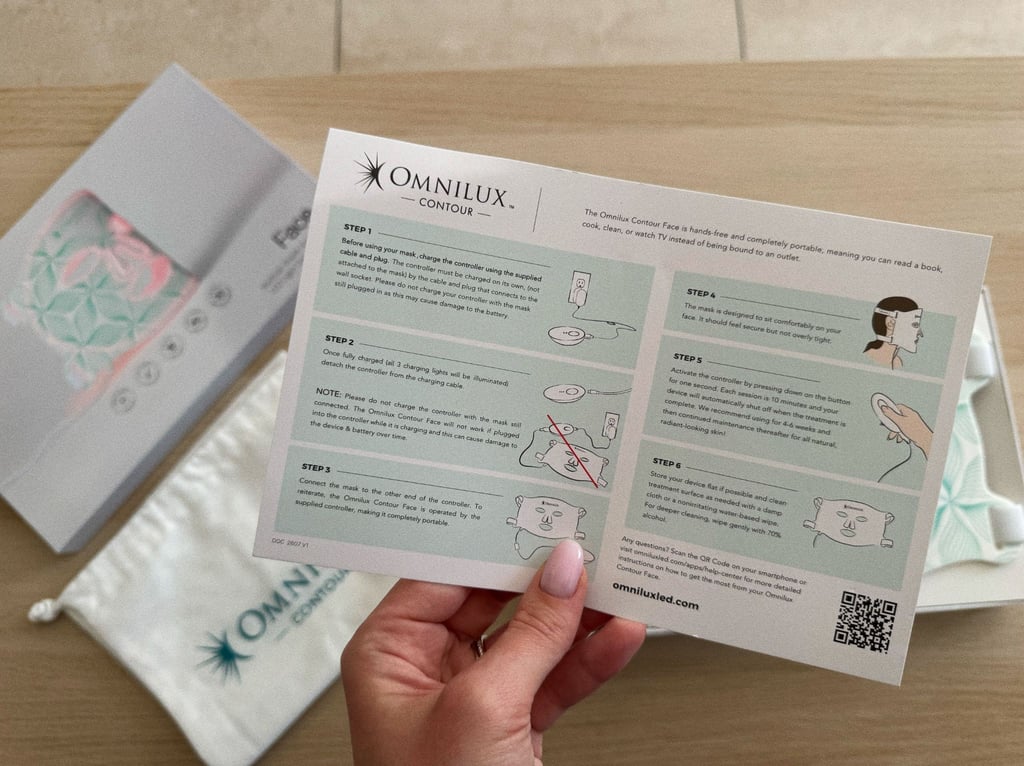
Session length and recommended frequency are part of the bigger considerations, too. We compare the manufacturer’s guidance with the practical experience of using the device, including how easy it is to fit sessions into everyday routines and whether any preparation is needed beforehand.
Timers, automatic shut-off, adjustable intensity, and other convenience features also come into our general product assessment.
Regulatory clearances and brand transparency
We look at what the brand says the device is designed to do and whether its claims are supported by available research. We check whether the manufacturer clearly discloses specifications like wavelengths, irradiance or power density, treatment distance, and recommended session times.
These details help us understand the device’s stated output and assess whether the manufacturer’s instructions provide enough information for consumers.
At Wareable, we generally compare disclosed specifications with the ranges and parameters used in research relating to a device’s intended use. This is to understand whether the product’s specifications are in line with those studied, although it doesn’t prove that the device itself will deliver the same results.
When assessing these specifications, we have to rely on the information provided by brands. We don’t currently have the equipment or facilities to independently verify their measurements, so we cannot confirm whether the figures published by a manufacturer are accurate. If key details are missing or unclear, this counts against the brand’s transparency and affects our overall assessment of the product.
Regulatory clearances and certifications are another part of our research, and we aim to describe them accurately. For instance, FDA clearance shouldn’t be confused with FDA approval, and neither automatically proves that a device will deliver the expected results.
Ultimately, we consider all of these factors alongside available evidence, rather than treating a brand’s claims or specifications as proof of results.
Our experiences and reported results
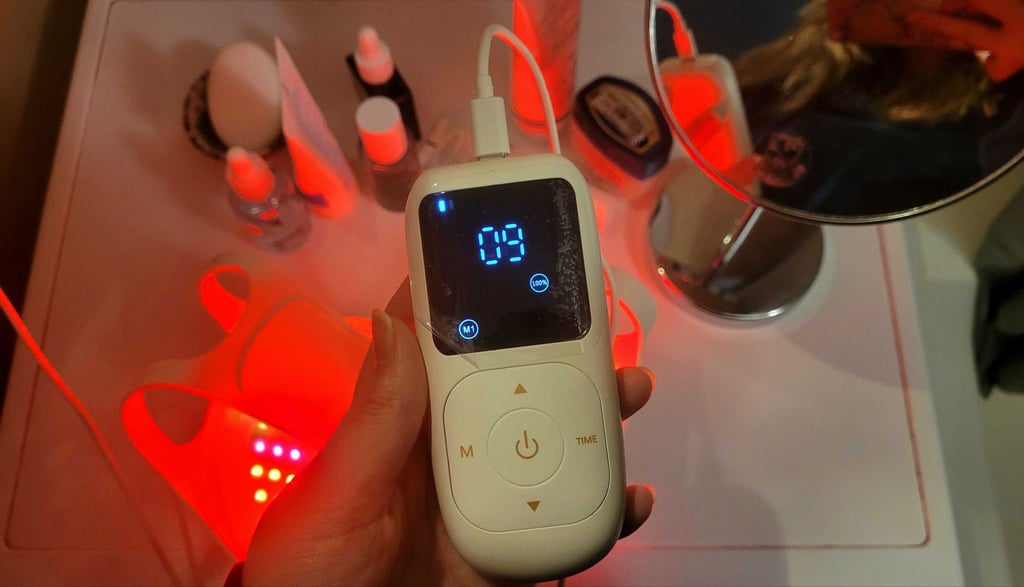
Experiences with light therapy devices can differ from person to person. During real-life testing, it can also be difficult to determine whether a change is directly attributable to the device or influenced by other factors.
For this reason, we consider our testers’ impressions alongside the available research and the quality of evidence behind a product’s intended use. We review studies that brands say they have conducted or that have involved that device, while also considering broader red light therapy research, including clinical trials and meta-analyses.
We assess the limitations of individual studies, too, as their findings don’t necessarily apply to every device or user.
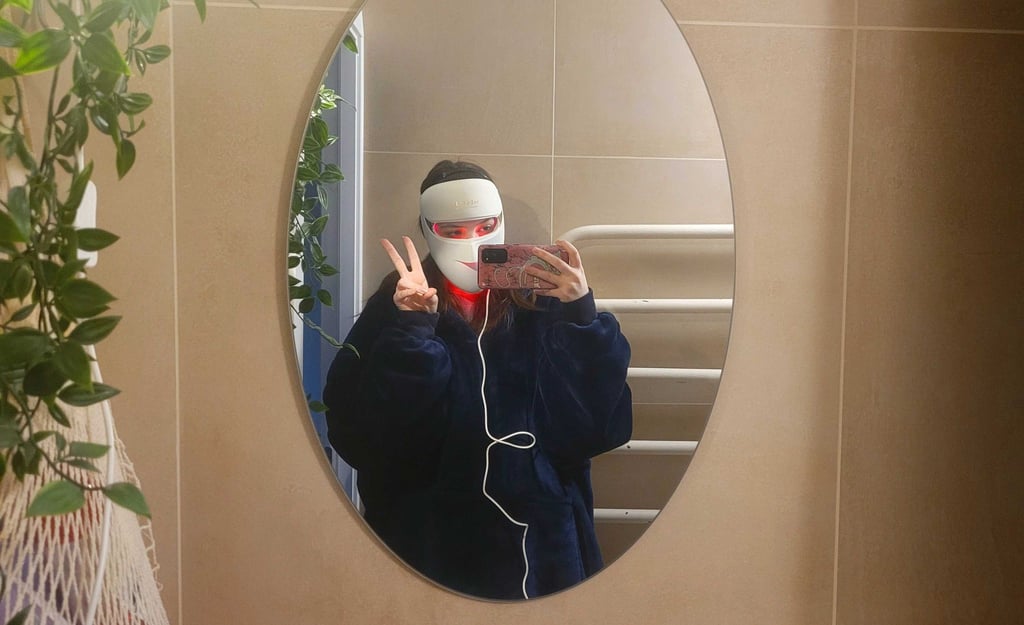
Our hands-on results are self-reported, and we don’t currently conduct clinical assessments as part of Wareable’s testing process.
Depending on a device, our testers keep notes of their sessions and other relevant factors. For example, when testing a red light therapy face mask, we may record session times, the duration of use, skincare products used alongside the device, and how skin looks and feels before and after use.
Once testing is complete, we compare notes across the team, identify common experiences, and consider where testers’ impressions differ. These findings, together with our research into a device’s specifications, usability, and price, feed into our reviews and buying guides.
A lack of detailed specifications or limited brand transparency can count against a product, but it doesn’t automatically rule it out as a recommendation. Comfort, usability, and our overall experience matter, too. If we still consider a device worth recommending, we explain its limitations, what we liked about it, and who might find it a good fit.
As we test more devices and develop our understanding of the technology, our assessments and recommendations may change.
Wareable team
Our current team is small, with some of us based in London and others in Vilnius. We research and cover a range of topics, but some team members have more hands-on experience with red light therapy and infrared devices than others. Our interests, hobbies, and personal experiences also influence the areas we explore.
We encourage you to get to know our team, learn more about our backgrounds and credentials, and check out some of our reviews.
Wareable experts