Best red light therapy masks of 2026: Tested picks for every skin goal


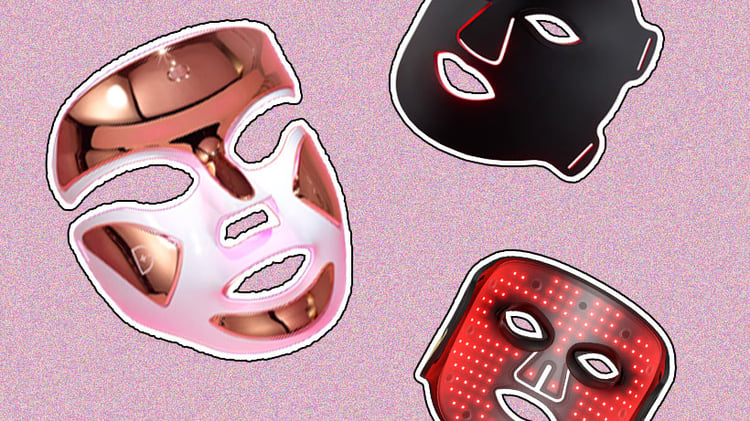
We’ve tested the most popular red light therapy masks—here are our recommendations for devices that may be worth the investment
Red light therapy masks are becoming increasingly popular for at-home skincare, and after testing the top models, we can see why. They offer a more convenient and affordable alternative to in-clinic treatments, and in our experience, they can be a good addition to any routine. The best red light therapy masks may help you improve the look of fine lines and overall skin tone, which we noticed ourselves with consistent use.
That said, these masks aren’t a quick fix. We didn’t see overnight changes, and you shouldn’t expect them either. From our testing, it became clear that consistency is key as visible improvements only started to appear after several weeks of regular use.
This guide will help you choose the right red light therapy mask based on your goals, budget, and usability. It also explains how red light therapy works and what you can realistically expect from using these increasingly popular devices.
🏷️ Skincare Awareness Sale: Save up to $200 OFF today! 🏷️
Quick summary: The best red light therapy masks
- Omnilux Contour Face: Overall best red light therapy mask for at-home use
- CurrentBody Skin LED Red Light Therapy Face Mask: Series 2: Best red light mask for even coverage
- Megelin Duo-Lux Laser & LED Light Therapy Mask: Best face mask for facial zone mapping and targeting
- iRESTORE Illumina Face Mask: Best red mask option for tackling multiple skin concerns
- Solawave Wrinkle Retreat Pro LED Face Mask: Best at-home mask for a quick session
- BON CHARGE Red Light Face Mask: Best mask for secure and snug fit
- HigherDOSE Red Light Face Mask: Best red light therapy mask for beginners
How we tested these red light therapy masks
Reviewing red light therapy masks isn’t so simple, as they can differ in things like light strength, the number of LEDs, and the skin concerns they’re designed to target. With that in mind, we tested each mask carefully to find options that are safe, easy to use, and have delivered visible results to us over time.
Our list of the best red light therapy masks builds on hands-on product testing that lasted over a month. First, we assess effectiveness based on visible skin improvements, such as tone, texture, and overall look. Then, we verify device safety by checking FDA status and contraindications. Lastly, we evaluate ease of use, comfort, and the quality of the build. We then round out our reviews with price-to-feature value and feedback from real-world users to see whether the information aligns with manufacturer claims.
Omnilux Contour Face: Overall best red light therapy mask for results at home
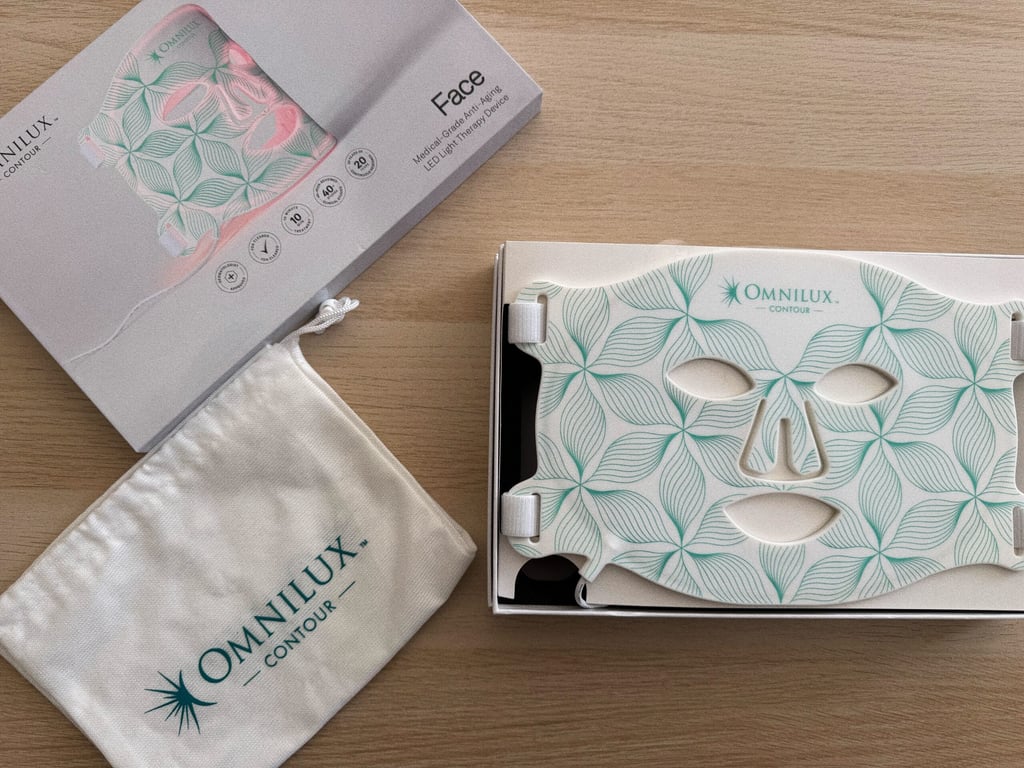
- Wavelengths: 633nm (red) + 830nm (near-infrared)
- LED count: 132 LEDs (dual-chip technology)
- Recommended session time: 10 minutes per session, typically 3–5 times per week
- Price: From $395
Omnilux Contour Face uses wavelengths within commonly studied ranges that are often associated with support for collagen production and modest skin repair. And after using it daily for a month, we noticed firmer, brighter skin and fewer visible fine lines, which matched the brand's promises.
The flexible silicone design is also a plus, as it felt nice on the skin and provided a snug, comfy fit. The moldable design also helps evenly spread the light. You can use it hands-free during 10-minute sessions. The Omnilux red light therapy mask is FDA-cleared, adding another layer of safety for at-home use.
While the Omnilux red therapy mask delivered on its promises to us, we think that the $395 price might be a bit high for beginner users. However, if you’re okay with the price tag, this red light mask can pay off with regular use.
It’s also worth noting that the Omnilux does not include blue light, which means it isn’t specifically designed to target acne breakouts. Although we found the mask’s brightness manageable, some more light-sensitive users may feel it’s too bright for comfort.
For its ease of use and the visible improvements we saw after over a month of testing, Omnilux Contour Face earns our top spot as the best red light therapy mask for addressing aging skin concerns. It demands consistent use to deliver results, but in our testing, that commitment paid off with smoother, brighter skin.
- Continue with our Omnilux Contour Face mask review
- FDA-cleared
- Comfortable and flexible design
- Quick 10-minute sessions
- High initial cost
- Not the best for acne
- Eye protection isn’t included
CurrentBody Skin LED Red Light Therapy Face Mask: Series 2: Best red light therapy mask for even, full-face coverage
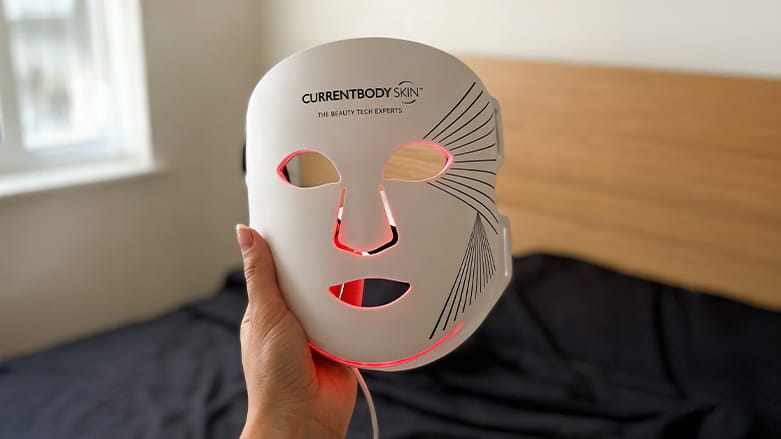
- Wavelengths: 633nm (red) + 830nm (near-infrared) + 1072nm (deep near-infrared)
- LED count: 236 LED bulbs
- Recommended session time: 10 minutes, 3–5 times per week
- Price: From $469.99
Another very strong option to consider is the CurrentBody Series 2 face mask. In our experience, it's a well-performing mask with FDA clearance, three highly precise wavelengths, a clip-on controller, and optional eye inserts.
Though, the most standout feature is the contoured design that wraps around your face, including the chin, and multiway straps that keep the mask in place and allow movement during session.
As for effectiveness—we noticed modest improvements in skin plumpness and tone, with some of our testers also feeling like their fine lines looked slightly softer. That said, changes were gradual, and you should keep in mind that any benefits depend heavily on consistent use, overall habits, and your individual skin concerns.
After testing, we believe the CurrentBody Series 2 mask is best for users who want a powerful, clinic-inspired mask and aren’t put off by the higher $469.99 price. It’s a better fit for experienced users who are ready to commit to a long-term routine rather than for beginners just starting with red light therapy masks.
- Continue with our CurrentBody red light therapy mask review
- High power for FDA-cleared intensive sessions
- Multi-wavelength system
- Great coverage
- More expensive than the competition
- Results may take long time to appear
Megelin Duo-Lux Laser & LED Light Therapy Mask: Best mask for facial zone mapping
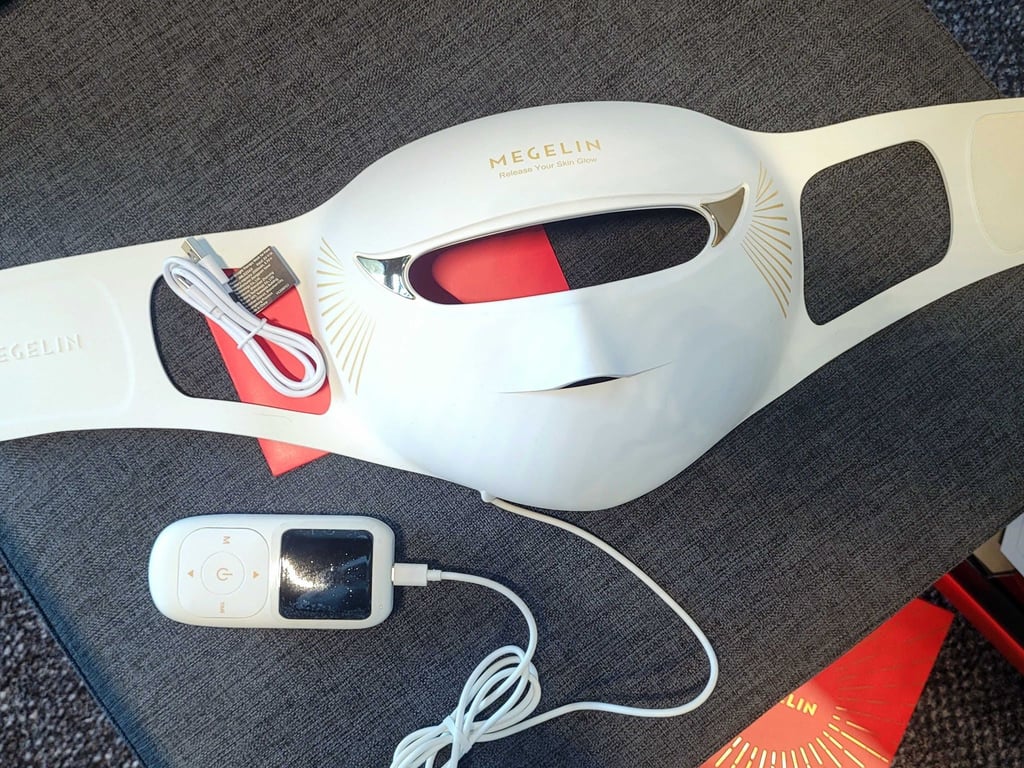
- Wavelengths: 595nm, 630nm, 660nm (red) + 830nm, 1064nm (near-infrared)
- LED count: 334 LED bulbs (and 60 lasers)
- Recommended session time: 10–20 minutes, 3–5 times per week
- Price: From $499.00
If you’re looking for something more feature-packed, Megelin Duo-Lux Laser & LED Light Therapy Mask is worth checking out. It’s one of the more advanced options in our lineup that combines LED light with laser technology, five wavelengths, and facial zone mapping.
What really stood out to us was the full-face coverage. The mask is designed to cover the whole face, which makes its shape more rigid, while the mapping system targets specific areas prone to fine lines.
During the testing period, we noticed some subtle improvements in skin plumpness, with a few testers mentioning that lines around the mouth looked less visible. Still, these changes weren’t dramatic overnight, so you’ll need to be patient and consistent if you want to see any potential benefits.
After testing, we believe the Duo-Lux is best suited to people who want to experiment with a more advanced setup and already have some experience with red light therapy devices. Otherwise, its high price point may seem hard to justify.
- Continue with our Megelin red light face mask review
- Combination of LEDs and lasers
- Five red and near-infrared wavelength
- FDA-cleared
- Expensive
- More rigid design
iRESTORE Illumina Face Mask: Best red light mask for multiple skin concerns
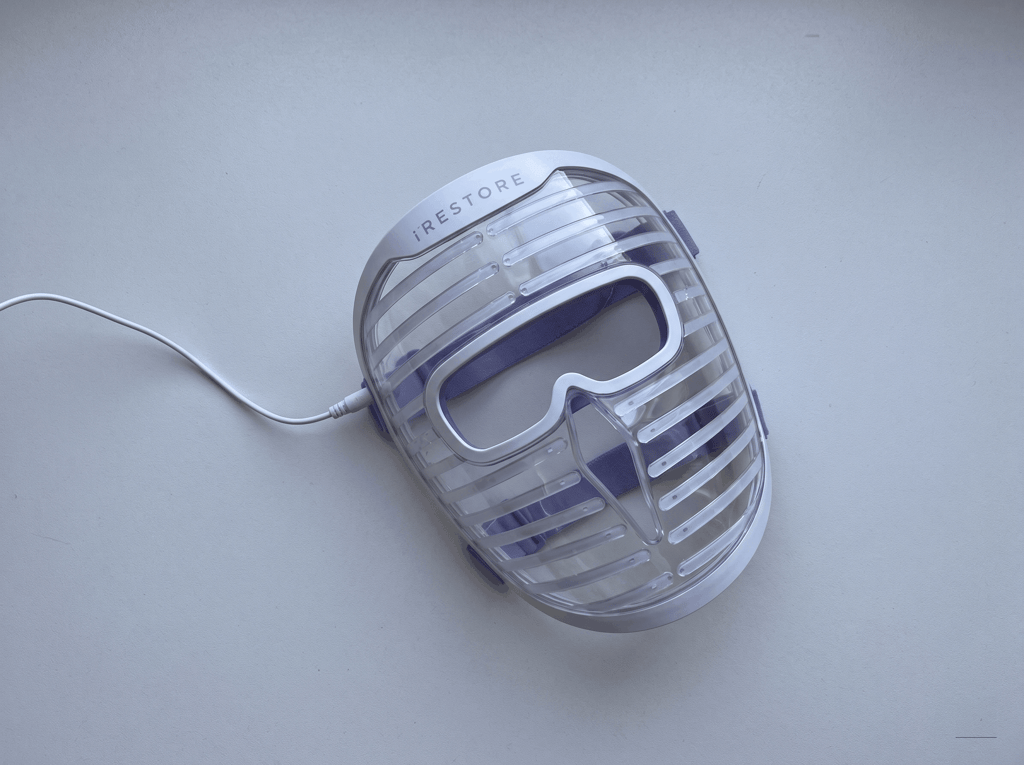
- Wavelength: 630nm (red) + 830nm (near-infrared) + 415nm (blue)
- LED count: Total of 360 LEDs
- Recommended treatment time: 10 minutes, 3–5 times per week
- Price: From $399
After a month-long testing, we found iRESTORE Illumina Face Mask to be the most solid option if you want not just red light but blue light therapy as well. It combines red, near-infrared, and blue light in sessions where you can run all three at once, meaning you may be able to target more skin concerns with one device.
The Illumina packs in a large amount of LEDs, outperforming most red light therapy masks we tried in this aspect. With regular use, we noticed brighter-looking skin and fewer breakouts over time. Additionally, it’s super easy to incorporate into a routine, with just 10 minute sessions, 3–5 times per week depending on your goals.
The mask is mostly transparent, so you can actually see the lights on your face. It fits snugly, but the open eye area likely means limited effect on the skin around the eyes. The nose opening feels a bit awkward as well, so if you have a larger nose bridge the fit may not be ideal.
Ultimately, our verdict is that iRESTORE Illumina Face Mask may be best suited for red light therapy enthusiasts who want an all-rounder at a reasonable $399 price point. We personally saw positive changes with consistent use, though they didn’t come quickly—if you go for this mask, plan to stick with it and be patient.
- Continue with our iRESTORE Illumina face mask review
- 3 wavelengths
- Holds certifications like FDA clearance, IEC safety tested, ISO quality assurance
- High LED count
- Pricey
- Fit isn’t the most comfortable
- Some areas get weaker coverage (around eyes, nose, sides of the face)
Solawave Wrinkle Retreat Pro LED Face Mask: Best red light therapy mask for quick sessions
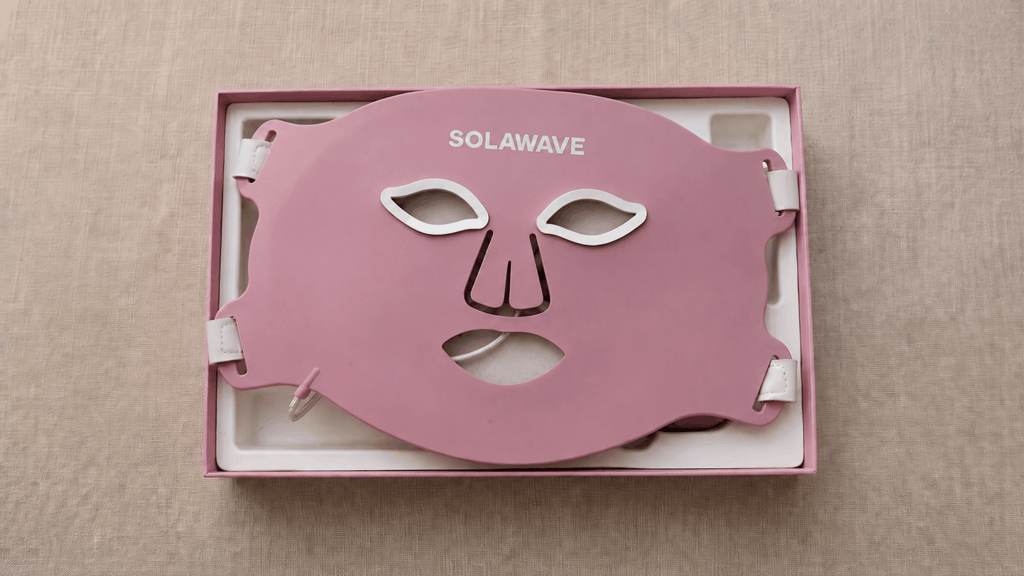
- Wavelengths: 630nm (red) + 660nm (deep red) + 830nm (near-infrared) + 605nm (amber)
- LED count: Total of 320 LEDs
- Recommended treatment time: 3 minutes, 3–5 times per week
- Price: From $399
If you’re always short on time and want something you can use in a few minutes, Solawave Wrinkle Retreat Pro LED Face Mask is a strong contender to consider. It features a high LED count and multiple wavelengths into very short 3-minute sessions.
Although it offers several wavelengths, it’s worth noting that 660nm deep red still falls within the broader red light range, and 605nm amber currently has limited research behind it for skin benefits.
That said, we appreciated Solawave’s clear communication as well as a high number of certifications, including FDA clearance, IEC safety testing, FCC, CE, RoHS, UKCA, and CA Prop 65. These aspects truly add a layer of trust and reassurance.
Speaking of fit, we found that the mask runs large and the straps don’t hold it very securely, so you'll likely need to stay still during each session. Thankfully, the short runtimes makes this bearable, but it’s not the most convenient design.
After a month of testing, we didn’t see any dramatic results. There were slight changes in skin tone brightness and texture around the forehead, but they were gradual and on the modest side overall.
- Multiple wavelengths
- Many safety compliance certifications
- Very short 3-minute sessions
- Results feel modest at best
- Design limits movement
- Higher price point
BON CHARGE Red Light Face Mask: Best red light therapy mask for a secure fit
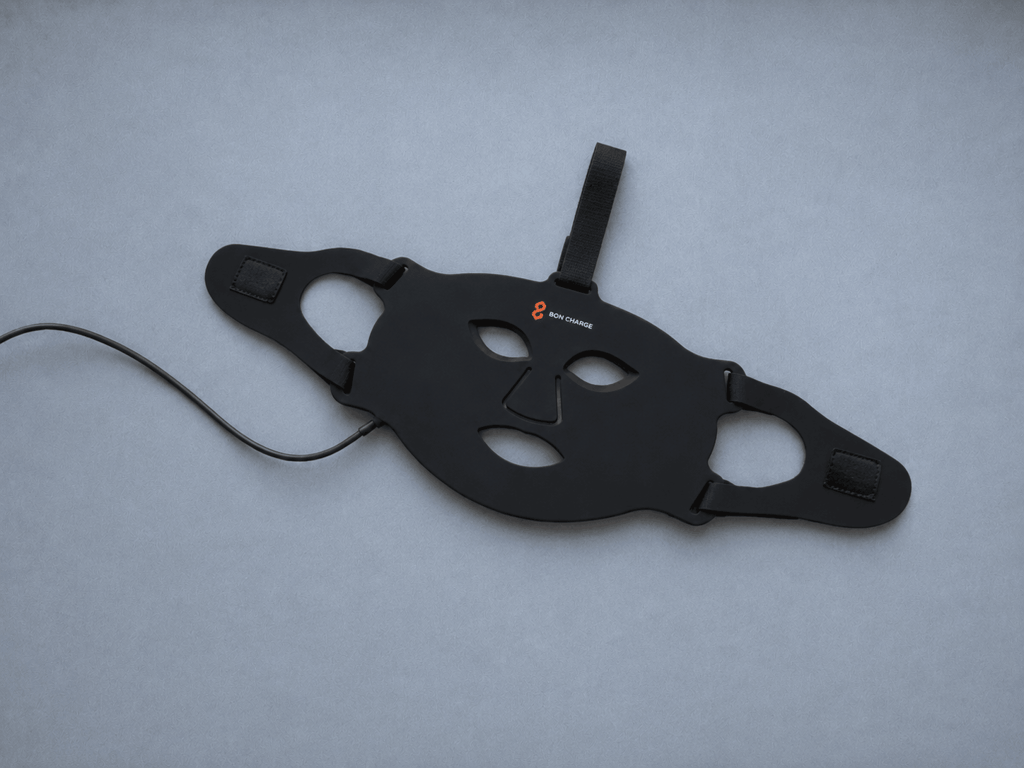
- Wavelengths: 630nm (red) + 850nm (near-infrared)
- LED count: 240 LEDs
- Recommended treatment time: 10–20 minutes per session, 3–5 times per week
- Price: From $349
We found the most comfy and secure red light therapy mask in our lineup to be BON CHARGE Red Light Face Mask. Don’t let its lower position fool you—it offers comparable performance and, in our opinion, the best strap security.
You see, while the overall shape is similar to the HigherDOSE and Solawave, BON CHARGE uses unique straps that go around the ears and over the head for a snug, locked-in fit. During testing, we all noticed it was the only mask that didn’t need a single adjustment mid-session. It may sound minor, but that level of stability makes the whole experience more comfortable.
In terms of performance, we saw improvements in skin brightness and smoothness over time, with a few testers saying their skin looked more glowy even after the first session. Still, we encourage you to keep your expectations realistic, as outcomes vary depending on a person.
The bigger drawbacks for us were the lack of FDA clearance and the plug-in design, which keeps you relatively stationary during use. As for sessions themselves, there is a built-in timer that goes up to 30 minutes in -minute intervals. Though, we’ve read in the user manual that 10–20 minutes of use is recommended—more time doesn't necessarily mean better results.
Overall, BON CHARGE Red Light Therapy Mask stood out to us for its secure strap system, which makes it especially appealing if you have a smaller face or simply don’t want to keep readjusting the mask throughout your session.
- Continue with our BON CHARGE Red Light Face Mask review
- Very secure straps
- Timer up to 30 minutes
- Eye protection included
- Plug-in design limits movements
- No FDA clearance
- Dark color may feel warmer during use
HigherDOSE Red Light Face Mask: Best beginner-friendly red light therapy mask
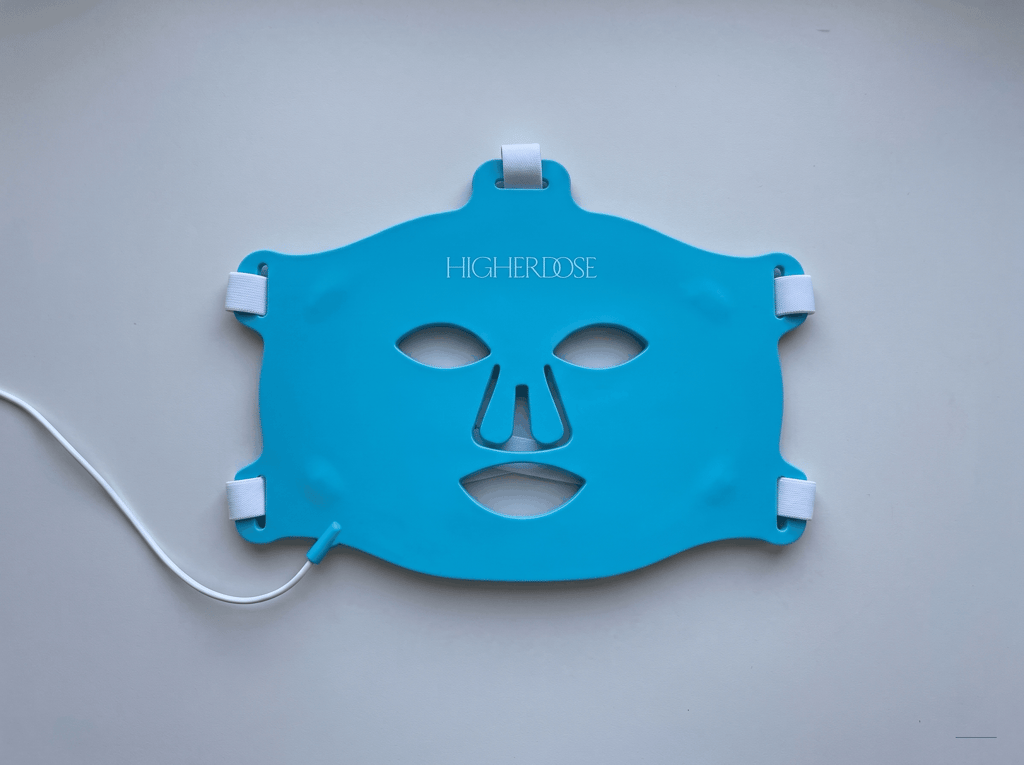
- Wavelengths: 630nm (red) + 830nm (near-infrared)
- LED count: 132 diodes (66 dual-core LEDs)
- Recommended treatment time: 10–20 minutes per session, 3–5 times per week
- Price: From $349
The last mask in our lineup is HigherDOSE Red Light Face Mask, and at $349, it’s one of the more affordable options with a reliable performance.
In our experience, this mask is very well suited for beginners. The setup is super simple and intuitive, with a wireless, portable design and just two straightforward settings. You can also choose between 10- or 20-minute sessions, giving you some flexibility to match your schedule and comfort level.
The fit is decent—it may run a bit large, similar to the Solawave mask, but the straps feel more secure and help keep the mask in place during use. As for the results, they weren’t as visible as what we saw with some of the higher-end masks above, but after several weeks we did notice subtle changes in glow and softness of the skin.
Ultimately, we think HigherDOSE Red Light Face Mask is a strong pick if you’re looking for a more budget-friendly first-time device and want more control over your sessions.
- Lightweight and travel-friendly
- Flexible session length options
- Beginner-friendly
- FDA-cleared
- Fewer advanced features
- Fit may feel large for smaller faces
- May feel warm or overheated if used on the longest setting
Red light therapy masks compared
In the table below, we compare the key differences among the best red light therapy masks we reviewed. In it, you’ll find specs such as LED count, wavelength range, light modes, coverage, and treatment time—everything you need to make an informed decision before purchasing.
| Device | Best for | LED count | Wavelength range | Light modes | Coverage area | Recommended treatment time |
| Omnilux Contour Face | Tackling aging skin concerns | 32LEDs | 633nm + 830nm | Red + near-infrared | Full face (flexible mask) | 10 minutes |
| CurrentBody Skin LED Red Light Therapy Face Mask: Series 2 | In-depth, full-face coverage | 236 LEDs | 633nm + 830nm + 1072nm | Red + near-infrared + deep near-infrared | Full face and chin | 10 minutes |
| Megelin Duo-Lux Laser & LED Light Therapy Mask | Facial zone mapping | 334 LEDs (+ 60 lasers) | 595nm + 630nm + 660nm + 830nm + 1064nm | Red + near-infrared | Full face | 10–20 minutes |
| iRESTORE Illumina Face Mask | At-home skin wellness support | 360 LEDs | 630nm + 830nm + 415nm | Red + near-infrared + blue | Full face | 10 minutes |
| Solawave Wrinkle Retreat Pro LED Face Mask | Quick sessions | 320 LEDs | 630nm + 660nm + 830nm + 605nm | Red + deep red + near-infrared + amber | Full face | 3 minutes |
| BON CHARGE Red Light Face Mask | Snug and secure fit | 240 LEDs | 630nm + 850nm | Red + near-infrared | Full face | 10–20 minutes |
| HigherDOSE Red Light Face Mask | Budget- and beginner-friendly sessions | 132 LEDs | 630nm + 830nm | Red + near-infrared | Full face | 10–20 minutes |
What is red light therapy?
Red light therapy is a non-invasive beauty treatment that uses specific wavelengths of visible red and sometimes near-infrared light. During sessions, this light is directed onto the skin, usually using specially designed devices—most commonly face masks, but also panel-style and handheld tools.
Different wavelengths of light (or colors) are believed to be absorbed at different depths in the skin. Red light tends to interact more with the surface layers, while near-infared light can likely reach deeper tissues to some extent.
We found that, according to some studies, red light therapy may support the skin’s natural functions, such as collagen production and circulation. In simple terms, a well-developed routine may sometimes translate into smoother, more radiant-looking skin.
Also, unlike more intensive treatments, red light therapy used at cosmetic doses is considered less likely to damage your skin barrier, which is why it’s suitable for use at home.
That said, our testing showed that results from at-home red light therapy masks heavily depend on consistent use and device quality. Our advice is to choose only tested and certified red light therapy masks from well-respected brands and to approach any claims with realistic expectations.
How does red light therapy work?
Red light therapy is thought to work by sending specific wavelengths of light into the skin, where cells likely absorb them. Once absorbed, the light is believed to interact with structures involved in normal skin function, such as mitochondria.
That said, our testing confirmed what the research suggests: the right wavelengths matter, as not all light colors have the same effect on skin.
Most red light therapy masks use red and near-infrared light, which typically target skin appearance concerns like fine lines, texture, and tone. Other wavelengths, like blue light, are usually used to address acne.
Since we tested these devices ourselves, we can confirm that the wavelengths were safe to use and did not cause any unwanted effects on our skin. On the contrary, with consistent use, red light appeared to support the skin’s natural repair and renewal processes.
LED light therapy vs. red light therapy
LED light therapy is a generic term for treatments that use different wavelengths or colors of light, each designed to address specific skin concerns. In turn, red light therapy is just one specific type of LED therapy that uses wavelengths targeted at supporting general skin rejuvenation and a glowy appearance.
Each light color in the LED treatment spectrum serves a different purpose. For example, our research found that the red light is most commonly used to support skin firmness, texture, and tone, which is exactly why it is often used in anti-aging routines. Meanwhile, blue light is usually used to address acne-related concerns, as it is thought to target skin surface-level factors, such as bacteria, linked to breakouts.
So, in layman’s terms, red light therapy is just one category of LED therapy. And while LED devices may include different light colors, red light therapy treatments focus on light colors most commonly used for skin repair and maintenance.
Other red light therapy reviews:
Best red light therapy devices: Tested picks for skin, pain and recovery
Best red light therapy for knee pain: Tried and tested
Best red light therapy for acne: Top devices for clearer skin
Best red light therapy mats: Top picks for home wellness and recovery
Red light therapy mask: FAQ
Yes, red light therapy masks actually work for most people, but consistency and device quality are the key to visible changes. Red light therapy masks work by delivering specific wavelengths to target early signs of aging and potentially improve overall skin appearance.
It takes around 4 to 6 weeks to see results from a red light therapy mask. However, all results depend heavily on consistent use, with around five 10-minute sessions per week, or as recommended by the device manufacturer.
For visible results, you should use a red light therapy mask at least 3 to 5 times per week. Stick to recommended session times, usually around 10 to 15 minutes per session. Our recommendation is to choose only a reliable, high-quality red light therapy mask for safe at-home use.
The best wavelengths for red light therapy are 630–660nm (red) for skin health and 810–850nm (near-infrared) for deeper tissue recovery and circulation. These wavelengths are researched most often, showing actual potential to be beneficial for skin concerns, such as aging, dullness, and overall appearance.
Yes, red light therapy masks are generally safe to use at home. These devices typically use low-level, non-UV light, which is less likely to damage the skin barrier. For safety, choose a device that is FDA-cleared and always use it as directed by the manufacturer.
References
-
Medicine.
-
International Journal of Molecular Sciences
-
Annals of Family Medicine.