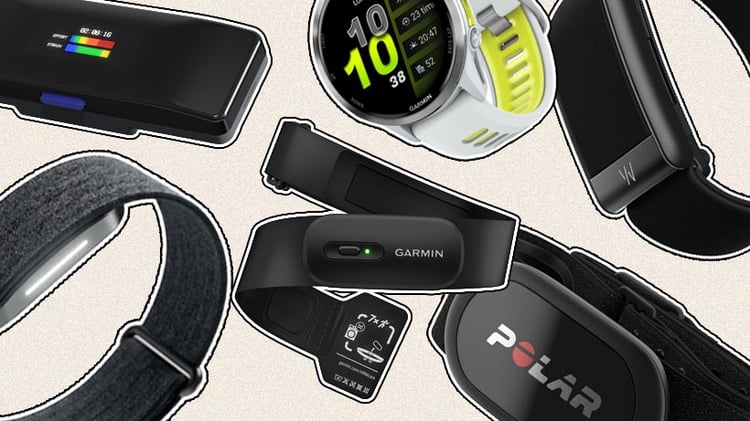
Our top cycling heart rate picks make it easier to train smarter, whether you ride roads, trails, or indoors
Heart rate remains one of cycling’s most useful training metrics. It shows how hard your body is working, rather than simply how fast you’re moving. That’s why dedicated monitors still earn a place alongside bike computers and watches, whether you ride road, gravel, mountain bike, race or train indoors. Chest straps remain our benchmark for accuracy, but newer optical arm monitors are increasingly compelling when comfort matters more.
We assessed each heart rate monitoring option for accuracy, comfort, connectivity, battery life, software support and whether it stays useful after the first few rides. There isn’t one best heart rate monitor for cycling for everyone: racers may prioritise rapid response, while commuters and endurance riders may value fuss-free fit and long-term reliability. Your ideal choice depends on how you train and the devices you already use. We break it all down below, so you can find out which heart rate monitor for cycling is your best fit.
Quick picks: Best heart rate monitors for running
- Hume Band 2.0: Best for cyclists who want all-day recovery tracking
- Polar H10: Best chest heart rate monitor for cycling accuracy
- WHOOP 5: Best for recovery-focused cyclists
- Frontier X2: Best chest strap heart rate monitor for cycling with ECG insights
- Garmin HRM 200: Best heart rate monitor for cycling with Garmin devices
- Garmin Forerunner 970: Best for all-terrain cyclists or triathletes
How we test heart rate monitors for running
We test heart rate monitors the way runners actually use them, across easier runs, interval sessions, hill workouts, and long efforts where comfort starts to matter a lot. For watches, we also look at GPS accuracy and how well the wrist sensor copes with pace changes, while chest straps are judged on cadence lock resistance, pairing reliability, and how consistently they hold data at higher intensities.
We pay close attention to comfort on marathon-length runs, battery life, companion app experience, and how easily each monitor connects with running apps. Just as important, we weigh value for money, because the best heart rate monitor for running is not always the most expensive one.
Hume Band 2.0: Best for runners who want no-fuss tracking
We assess cycling heart rate monitors where they really matter: on the road, off it and in structured training. Our testing includes steady road and gravel rides, interval sessions, long endurance days and indoor trainer workouts, paying close attention to how quickly each monitor responds when effort rises on climbs or during sprints. Accuracy is crucial, but it is only part of the decision. We also test whether ANT+ connections stay dependable with bike computers, how smoothly Bluetooth pairs with phones and apps, and whether data remains stable around other wireless sensors.
Over several hours of cycling, comfort really starts to matter, so we judge fit beneath a cycling jersey, strap movement, skin irritation and how easily a monitor disappears once riding begins. We look at claimed versus practical battery life, companion-app usefulness and compatibility with Garmin, Wahoo, Hammerhead and Zwift.
Finally, we weigh features against price and long-term ownership, because the best heart rate monitor for cycling should remain reliable and straightforward long after the first ride. Chest straps set the accuracy standard, particularly during hard efforts, but a well-designed arm monitor can be the better everyday choice.
Hume Band 2.0: Best for cyclists who want all‑day recovery insight, not just ride data
| Sensor type | Optical PPG (5 LEDs, 4 photodiodes) |
| Battery | Up to 14 days |
| Connectivity | Bluetooth; compatible with iPhone and Android |
| Water resistance | IP68 (water-resistant to 1m for up to two hours) |
| Weight | Approx. 8.6g |
| Internal memory | Syncs via app; no ride computer recording over ANT+ |
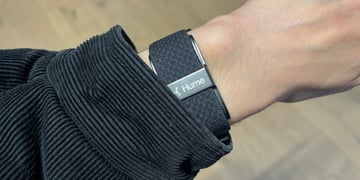
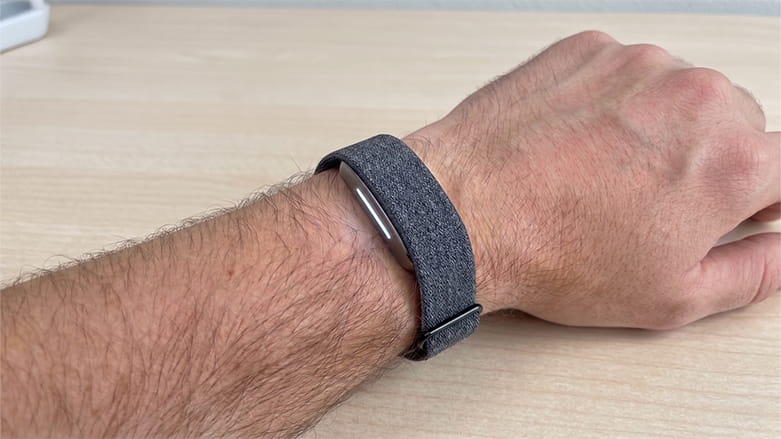
Hume Band 2.0 is not the obvious pick if you only care about finding the best heart rate monitor for cycling intervals, but it slips neatly into a rider’s life if you want to understand how ready you are to train. The band is extremely light and disappears under a jersey cuff; we never had issues with rubbing from gloves or long sleeves, even on three‑hour road and gravel rides.
Bluetooth pairing to the Hume app is straightforward, and once set up it quietly logs heart rate around the clock rather than shouting for attention with a screen. For performance, on steady endurance spins and indoor trainer sessions, heart rate tracks sensibly, though high‑intensity surges are a touch muted compared with a chest strap. In other words, you see the effort, but with a softer peak and slower drop‑off.
The payoff is genuine all‑day wear, two‑week battery life and deep recovery, sleep and metabolic “capacity” scores that give cyclists a better feel for when to go hard and when to back off. Lack of ANT+ and direct bike computer integration means this isn’t the best heart rate monitor for cycling purists who want perfect interval and sprint data on their head unit. That said, as a ride‑friendly recovery band it’s surprisingly easy to live with.
- Extremely light and comfortable for 24/7
- Strong 14‑day battery suits heavy training
- Excellent recovery, sleep and metabolic
- No mandatory subscription for core
- No ANT+ or direct bike computer pairing
- Sprint and interval peaks less sharp than a chest strap
- Relies on the Hume app; limited data flows to third‑party platforms
Polar H10: Best for cyclists who want the most dependable heart-rate data
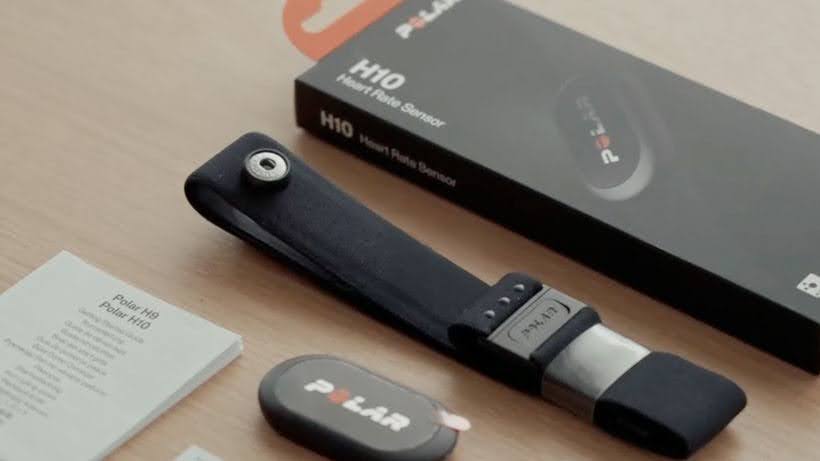
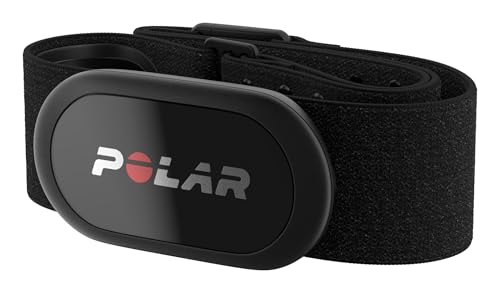
The Polar H10 remains the safest recommendation when accuracy is the priority. It is a traditional chest strap, but the soft Polar Pro band sits securely beneath a jersey without the distracting bounce or tightness some riders associate with older straps. Once the electrodes are lightly dampened and the fit is right, it is easy to forget on long endurance rides.
Where it earns its place is during changing efforts. The H10 follows steady road riding cleanly, then reacts promptly when a climb ramps up, an interval begins or a sprint pushes heart rate skyward. That makes it a particularly strong chest heart rate monitor choice for riders using heart-rate zones on a Garmin, Wahoo, Hammerhead or Zwift setup. ANT+ and Bluetooth pairing are broad and dependable, while the dual Bluetooth connection is useful for running a phone app alongside an indoor trainer platform.
The 400-hour replaceable battery is refreshingly low-maintenance, and one-session onboard recording is useful when a watch is not practical. However, it offers no GPS, recovery coaching or riding metrics beyond heart rate. This is a specialist tool: less lifestyle wearable, more reliable training instrument with no nonsense.
- Fast, highly dependable response in intervals and sprints
- Comfortable Polar Pro strap for long rides
- ANT+, dual Bluetooth and GymLink support
- 400-hour user-replaceable battery
- Requires a snug, properly moistened strap fit
- No GPS, display or recovery guidance
- Onboard memory only records one Polar Beat-started session
WHOOP 5.0: Best for cyclists who want recovery insight to guide their training
| Sensor type | Optical sensor with improved strain and recovery tracking |
| Battery | Up to 14 days |
| Connectivity | Bluetooth 5.0 LE |
| Water resistance | IP68 (water-resistant / submersible up to 10 meters) |
| Weight | 26.5g–28g (core module) |
| Internal memory | Stores offline data locally when out of range, syncing to the app upon reconnection |
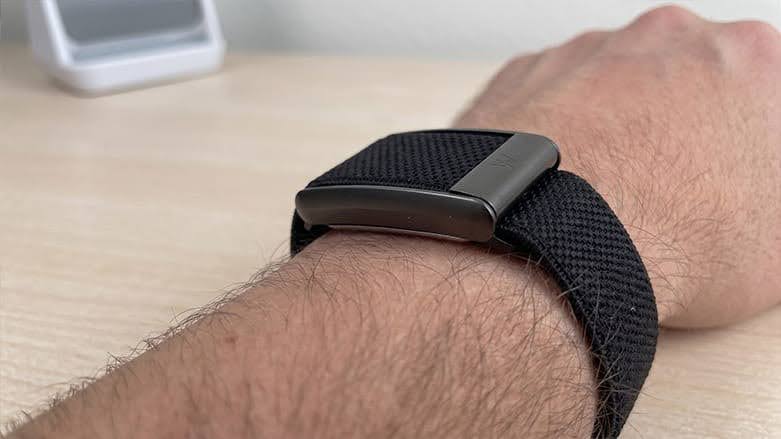
WHOOP 5.0 makes most sense for cyclists who already have a bike computer for live ride data and want a better view of what happens either side of training. Its screen-free, lightweight design is comfortable beneath a jersey cuff, and the ability to wear it on the wrist, bicep or elsewhere is genuinely useful when positioning affects optical heart-rate performance.
For connectivity, we found it easy to pair as a Bluetooth heart-rate source for compatible apps and devices, including Zwift, but the lack of ANT+ makes it less flexible than a dedicated chest strap for Garmin, Wahoo and Hammerhead users. For steady road riding and longer indoor sessions, WHOOP’s readings are useful enough to underpin its Strain score. However, it is not our first pick for chasing precise live zones through short intervals, maximal sprints or rapid changes in effort; a chest strap remains the more responsive tool for that job.
The real draw is the bigger picture: sleep, recovery, stress and daily training load are presented in a way that makes an easier day (or a hard session) feel more deliberate. The 14-day battery and on-body charging mean it rarely interrupts that picture. But no display, no built-in GPS and an ongoing membership make this a recovery-led companion rather than a standalone cycling computer.
- Excellent recovery, sleep and Strain context
- Light, screen-free and comfortable for 24/7 wear
- 14+ day battery with on-wrist charging options
- Bluetooth heart-rate broadcast for compatible apps
- Subscription required
- No ANT+ support
- No display or built-in GPS
Frontier X2: Best for cyclists who want continuous ECG data alongside training metrics
| Sensor type | Single-lead continuous ECG chest sensor |
| Battery | Up to 24 hours of continuous recording; up to 14 days at around one hour of use daily |
| Connectivity | Bluetooth 5.0 LE |
| Water resistance | IP67 (waterproof to 1.5m for up to 30 minutes) |
| Weight | 25g |
| Internal memory | Stores up to 24 hours of continuous ECG recording |
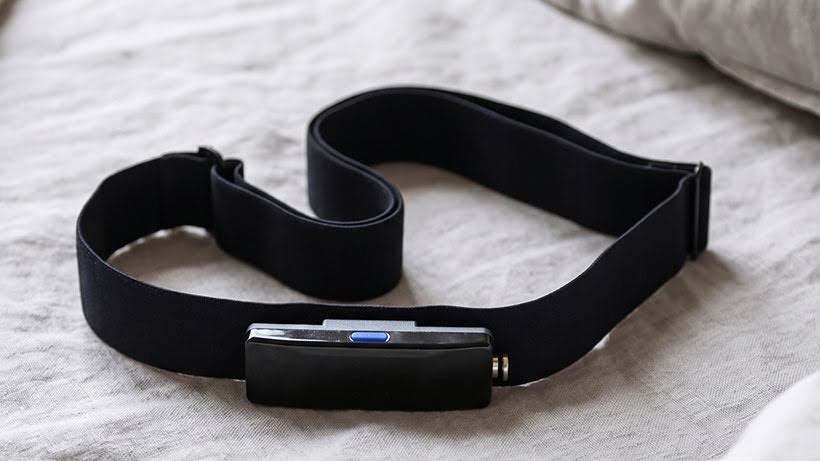
The Frontier X2 is a specialist monitor for riders who want to look beyond a live BPM figure. Its chest-mounted ECG setup delivers heart rate, HRV, breathing rate, training load and heart-strain information, with vibration alerts available when you cross chosen heart-rate, breathing or strain thresholds. That is a lot of context from one small unit, particularly for cyclists who use long rides and hard blocks to track how their body responds over time.
The device’s firm chest fit makes it dependable through steady road miles, indoor trainer sessions and harder intervals, with none of the lag that can affect wrist-based optical trackers when effort changes quickly. We also like that the X2 can connect to its app plus two Bluetooth devices at once, so it can feed heart rate to a compatible Garmin or Zwift setup while it records deeper data in the background.
It is not, however, a straightforward best chest strap heart rate monitor for cycling choice. The module is bulkier than a Polar H10, its Bluetooth-only connection excludes ANT+ head units, and its app-led analysis asks more of the rider than simply checking zones mid-ride. There is no GPS, either. For data-curious cyclists, though, 24-hour ECG recording and genuinely useful post-ride context make it unusually compelling.
📢 LIMITED OFFER: Use code DEAL30 for 30% OFF
- Continuous single-lead ECG recording
- Responsive chest-based heart-rate data
- Connects to app plus two BLE devices
- Deep HRV, breathing and strain insights
- No ANT+ connectivity
- Bulkier than a conventional chest strap
- No built-in GPS
Garmin HRM 200: Best for Garmin cyclists who want a straightforward, reliable chest strap
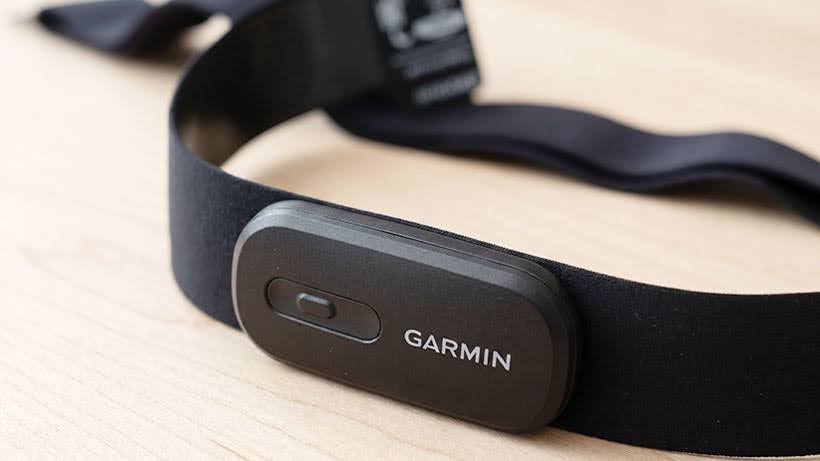
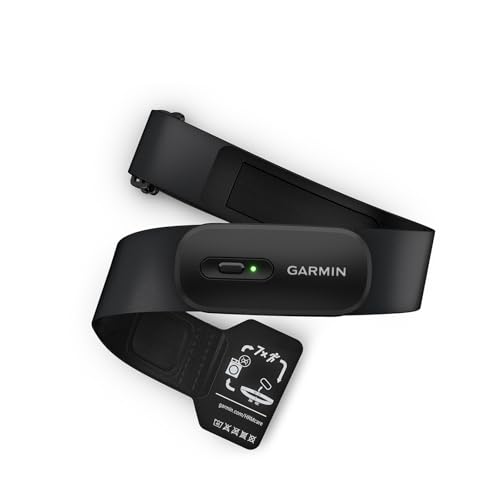
The HRM 200 is the kind of monitor we’d recommend to cyclists who want accurate heart-rate data without adding another complicated gadget to the bike setup. It pairs quickly with Garmin Edge computers and watches, but its ANT+ and Bluetooth support also makes it a sensible match for Wahoo, Hammerhead and Zwift. Once adjusted, the soft strap stays secure beneath a jersey through steady road miles, gravel vibration and sweaty indoor trainer sessions.
The chest-mounted electrical sensor is particularly useful when efforts change rapidly. It gives a cleaner, more immediate response on threshold intervals, climbs and short sprints than most wrist-based optical sensors, making it a strong option for riders following heart-rate zones. We also appreciate the practical details: there are two strap-size ranges, the module detaches for washing, and the quarter-turn battery door includes its own tool in the strap slider.
This is not a feature-packed upgrade. The HRM 200 has no onboard workout storage, GPS, running dynamics or recovery analysis, so it cannot record a ride independently. But that restraint keeps it affordable and easy to use. For a Garmin owner seeking the best chest strap heart rate monitor for cycling basics, it delivers the essentials exceptionally well.
- Responsive chest-based data for intervals and sprints
- Broad ANT+ and Bluetooth compatibility
- Up to one year of replaceable-battery life
- Machine-washable, adjustable strap
- No onboard activity storage
- No GPS or advanced training metrics
- Less water-resistant than Garmin’s premium straps
Garmin Forerunner 970: Best for cyclists and triathletes who want one watch for training, navigation and recovery
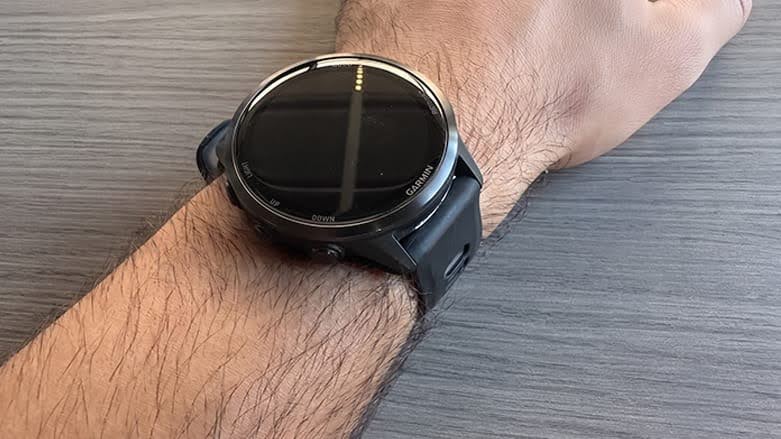
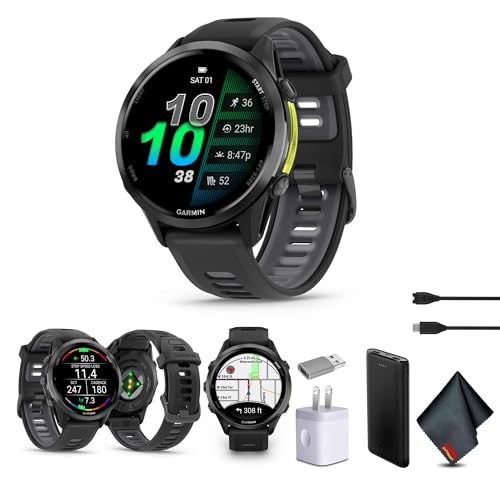
Garmin’s Forerunner 970 is more than a heart-rate monitor, and that is precisely why it earns a place here. For cyclists who also run, swim or race triathlon, it can replace a separate GPS watch while adding polished training readiness, recovery, navigation and smartwatch features. The 47mm case is substantial but comfortable enough for long road rides, and its bright AMOLED screen remains easy to read when the sun is out or when you are grinding through an indoor trainer interval.
In terms of performance, the Gen 5 optical sensor is dependable enough for most training, particularly when the watch is worn snugly above the wrist bone. We would still pair a chest strap for riders who need the sharpest response during short sprints, high-intensity intervals or structured indoor sessions, as wrist optical tracking can lag when heart rate rises and falls abruptly. Connectivity-wise, ANT+ and Bluetooth make that pairing simple, whether you use a Garmin, Wahoo, Hammerhead or Zwift.
The real strength is the device’s all-in-one nature. Multi-band GPS, mapping, ClimbPro, training plans, recovery context and 32GB of storage make it a genuinely capable companion away from the bike as well. Battery life is good for an AMOLED watch, though it falls short of the previous Forerunner 965’s claimed GPS-only endurance.
- Excellent multisport training and recovery tools
- Bright AMOLED display, maps and multi-band GPS
- Works with ANT+ and Bluetooth chest straps
- Useful 32GB storage and long smartwatch battery
- Expensive
- Wrist HR can lag during sharp effort changes
- Shorter claimed GPS-only battery than Forerunner 965
Comparison table: Our top running heart rate monitors
| Product | Sensor type | ANT+ | Bluetooth | Internal memory | Battery life | Battery type | Water resistance | Compatible devices |
| Hume Band 2.0 | Optical PPG (5 LEDs, 4 photodiodes) | No | BLE 5.0 | 30 days of data | Up to 14 days | Rechargeable, non-replaceable | IP68 (1m for 2 hours) | iPhone & Android app; not a bike-computer sensor |
| Polar H10 | Electrical ECG chest sensor | Yes | BLE (2 simultaneous) | 1 session (up to 30 hours) | Up to 400 hours | Replaceable CR2025 battery | WR30 (30m) | Garmin, Wahoo, Hammerhead, Polar, Zwift, gym equipment |
| WHOOP 5.0 | Optical PPG heart-rate sensor suite | No | BLE broadcast | Local offline loops | 14+ days | Rechargeable (on-body) | IP68 (10m for 2 hours) | WHOOP app, BLE apps, fitness equipment & devices |
| Frontier X2 | Single-lead continuous ECG chest sensor | No | BLE (app + 2 external devices) | Up to 24 hours ECG recording | 24 hours continuous (14 days typical) | Rechargeable | IP67 (1m) | Frontier app, BLE Garmin devices, Apple Watch, Peloton, Zwift |
| Garmin HRM 200 | Electrical chest sensor (HR & HRV) | Yes | BLE (up to 3 concurrent) | None | Up to 1 year (1 hr/day) | Replaceable CR2032 battery | 3 ATM / 30m | Garmin watches/Edge, third-party watches, equipment & apps |
| Garmin Forerunner 970 | Elevate Gen 5 optical sensor & ECG | Yes | Bluetooth (Wi-Fi, NFC) | 32GB | Up to 15 days (26 hrs GPS) | Rechargeable lithium-ion | 5 ATM / 50m | Garmin Connect, ANT+/BLE sensors, phones, Wi-Fi networks |
Chest strap vs optical heart rate monitors for cycling
For cycling, chest straps remain our default recommendation when heart-rate accuracy genuinely matters. They read the heart’s electrical activity directly, rather than estimating pulse from blood-flow changes beneath the skin, so they tend to respond more cleanly when effort rises sharply on a climb, during a sprint or through repeated intervals. That makes a chest strap the better choice for racing, structured threshold work and anyone setting training zones from heart rate.
They are not automatically the most pleasant option. A good modern strap can disappear beneath a jersey on a long ride, but some cyclists dislike the pressure across the chest, the need to dampen electrodes before starting, or the possibility of chafing after several sweaty hours. Indoor riding can also expose a poor fit, as heat, perspiration and a loose strap can cause erratic readings, so correct placement matters.
Optical monitors are more convenient. Wrist-based sensors built into watches work well enough for steady endurance rides and everyday fitness tracking, particularly when worn snugly. But cycling introduces a specific challenge: gripping the bars, wrist flexion, road buzz and vibration can reduce the sensor’s contact with the skin. The result can be a delayed, briefly inflated or missed reading just as intensity changes.
What makes a good cycling heart rate monitor?
A good cycling heart rate monitor must deliver accurate readings and remain dependable once the ride gets sweaty, bumpy or intense. Here are the key considerations to keep in mind:
- Secure contact is fundamental. A chest strap should sit firmly without digging in, while an optical band needs even pressure against the skin. Motion, vibration and poor fit can distort data, especially during sharp efforts
- ANT+ gives cyclists uncomplicated pairing with bike computers, while Bluetooth supports phones, apps and indoor platforms. Bluetooth Multi-Connect is especially useful when you want to share live heart rate with Zwift and another device at once
- Comfort counts just as much on long rides. Choose a monitor that stays stable beneath a jersey, resists sweat and handles rain, spray and heat.
- Battery life is equally practical: a long-lasting rechargeable unit or replaceable coin cell should not derail a training week
- Finally, check software support. Regular updates can improve connection stability, fix bugs and preserve compatibility with evolving apps and devices
All in all, the best heart rate monitor is the one you can both trust and wear comfortably.
How to choose the right running heart rate monitor
Choosing the right running heart rate monitor comes down to the information you need and how much effort you want to put into using it.
- Accuracy: Choose a chest strap if you want the quickest, most dependable readings for intervals, racing, or closely managed training zones. Modern watches are usually accurate enough for easy runs and general effort tracking
- Watch or chest strap: A watch is simpler and shows pace, distance, and heart rate in one place. A strap is more focused but typically requires a watch or phone to display the data
- GPS and metrics: Choose a GPS watch if you need routes, pace, distance, elevation, or advanced running metrics. A standalone monitor is better if heart rate is the only number you care about
- Battery and comfort: Look for enough battery to cover your longest runs, and choose a secure fit you can tolerate for hours. Chest straps can offer much longer battery life, while watches are easier to wear every day
- Ecosystem and compatibility: Check support for your phone, running app, training plans, and existing watch. Bluetooth is useful for phones and apps, while ANT+ offers broader sports-device compatibility
- Budget: Spend more on precision only if your training will use it; otherwise, a reliable watch or affordable strap may offer better value
What to look for before buying a cycling heart rate monitor
Before buying a cycling heart rate monitor, decide what job it needs to do for you. If you already use a Garmin Edge, Wahoo ELEMNT or Hammerhead computer, a dedicated chest strap or arm sensor is usually the most economical route to dependable data. If you want one device for riding, running, gym sessions and daily tracking, a sports watch may earn its higher price with GPS, maps, recovery scores and running metrics.
Accuracy should drive that choice. Generally, a chest strap remains the safer option for zone-led training, intervals and racing, whereas a watch or upper-arm optical monitor is easier to live with for steady rides and everyday wear. Be honest about comfort: a monitor that rubs or feels restrictive after two hours will soon stay in a drawer.
GPS is a separate purchase question. Chest straps do not record routes, so you will need a phone, watch or computer for distance, navigation and speed. Again, battery matters here: coin-cell chest straps can last months, while GPS watches and optical bands need routine charging.
Check your existing ecosystem before checkout. ANT+ suits bike computers and sensor-heavy setups; Bluetooth matters for phones, indoor platforms and apps. Confirm compatibility with Zwift, Strava, Garmin Connect, Wahoo SYSTM or your preferred training plan, instead of assuming every Bluetooth monitor works alike.
In simpler words, let budget follow use, not feature envy.
Which cycling heart rate monitor is right for you?
The right choice comes down to how seriously you use heart-rate data, and where you want to see it. If you race regularly, train with power or rely on tight heart-rate zones during intervals, choose a chest strap such as the Polar H10 or Garmin HRM 200. Both deliver fast, stable data when effort changes quickly, and their ANT+ support makes them natural companions for a Garmin Edge. If you use a Wahoo ELEMNT, either also makes sense: ELEMNT computers pair directly with ANT+ and Bluetooth heart-rate sensors.
For indoor riders and regular Zwift users, Bluetooth matters just as much. Pick a monitor that can broadcast over BLE, ideally with more than one connection if you want to pair a trainer app, phone and watch without workarounds. Zwift accepts both Bluetooth LE and ANT+ heart-rate monitors.
If comfort is your priority, an optical band is easier to wear for hours. Hume Band 2.0 and WHOOP 5.0 work best for riders who care about recovery, sleep and the broader training picture, rather than chasing every sprint peak. The Frontier X2 suits data-hungry cyclists who specifically want continuous ECG and cardiac-strain insight.
For occasional fitness rides or basic heart-rate tracking, avoid overspending. A simple, dependable chest strap such as the HRM 200 provides the useful numbers without the cost or commitment of a premium watch or subscription.
How to get the most accurate heart rate readings while cycling
Accurate data begins before you roll out. Place a chest strap directly against bare skin, just below the chest muscles, with the sensor centred and logo upright. Wet both electrode panels before riding (especially on cold or dry starts), then tighten the strap until it is secure but comfortable. A loose strap can move beneath a jersey and cause early-ride dropouts or implausible spikes.
With an optical arm monitor, wear the band on the upper arm rather than the wrist. It should not rotate when you grip the bars, but it should never feel tight enough to leave deep marks or cause tingling. Keep loose jersey sleeves from catching or shifting the band during a ride.
Maintenance is important, too. Check battery level before an important session and replace a coin cell promptly if readings become inconsistent. Rinse a chest strap after every ride, remove the sensor module before washing where applicable, and air-dry it fully. Wash the strap regularly to prevent sweat residue from affecting electrode contact.
Finally, use the companion app to install firmware updates. They can resolve connection issues and improve compatibility with your bike computer or training platform.
Other recovery and wellness reviews
Best heart rate monitor watches: Tested for fitness, sports, and everyday tracking
Best ECG smartwatch: Tested for ECG-based efficiency
Best smart rings: Tested Oura alternatives
Best heart rate monitors: Tested straps, watches, and rings
Best fitness tracker: Tested for practical fitness goals
Heart rate monitors for Strava: Tested for effective Strava compatibility
Final verdict
Hume Band 2.0 is our overall winner for cyclists who want a monitor that supports training without becoming another piece of kit to manage. Its light, screen-free design, two-week battery and recovery-led app make it the most comfortable, practical and accessible choice for everyday riding, indoors and out. Bluetooth compatibility covers phone-based training, while its steady-ride readings are useful for most fitness-focused cyclists.
Pick the Polar H10 if chest-strap accuracy is non-negotiable, particularly for racing and intervals. WHOOP 5.0 is the better alternative for subscription-based recovery coaching. Our recommendation: choose Hume for cycling insight; choose Polar when precision is priority.
Best heart rate monitor for cycling: FAQ's
For most riders, the Hume Band 2.0 is our top pick because it blends comfortable all-day wear, useful recovery context and a long battery life. Choose the Polar H10 instead if precision in intervals, racing and zone training is your main priority.
Yes, generally chest straps measure the heart’s electrical activity, so they usually react faster and more consistently during sprints, climbs and intervals. Optical sensors can still be accurate for steady rides, but fit, vibration and wrist movement can affect their readings.
Yes, if the monitor supports ANT+ or Bluetooth. Garmin and Wahoo computers can pair with compatible heart-rate sensors, although ANT+ remains the safest choice for broad bike-computer compatibility. Wahoo ELEMNT, BOLT and ROAM models support both ANT+ and Bluetooth sensors.
Yes, for many cyclists an optical arm heart rate monitor can be good enough. A well-fitted upper-arm monitor is a comfortable, practical option for endurance rides, indoor training and general fitness tracking. We would still choose a chest strap for racing, repeated intervals or any session where rapid heart-rate changes need to be captured as closely as possible.
References
-
National Center for Biotechnology Information.
-
National Center for Biotechnology Information.
-
National Center for Biotechnology Information.
-
National Center for Biotechnology Information.
-
Frontiers.