Best heart rate monitor watches: Our favorite picks for fitness, sports, and everyday tracking

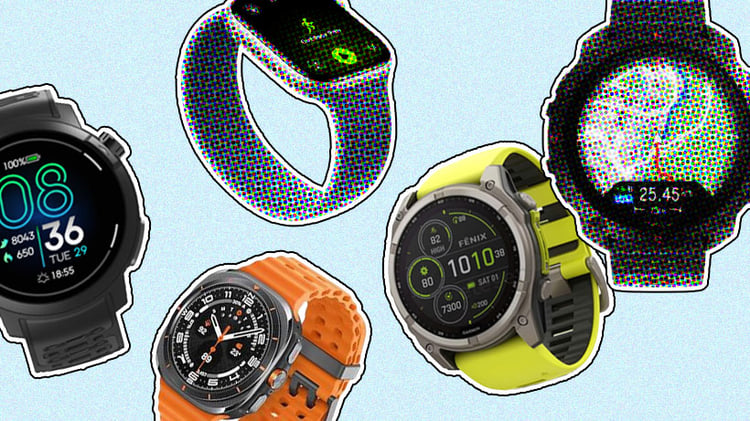
Discover the best heart rate monitor watches, whether you’re working out, sleeping, or just going about your day
Smartwatches are now much more than just fitness trackers. Besides logging your workouts, the best ones can also monitor your wellness, show notifications from your phone, and let you answer calls, reply to messages, or make contactless payments.
That said, one area that has improved the most is heart rate tracking. Many people now pick a smartwatch mainly because they trust its heart rate sensor, which got us wondering: do smartwatches actually give reliable data?
Sadly, it’s not as simple as checking the specs. Each watch works differently, and everyone uses them in their own way. That’s why we tested each one ourselves for this guide.
We wore every smartwatch for weeks, checking comfort, features, fitness tracking, battery life, and, most importantly, how well each watch tracked heart rate during daily life and workouts. So keep reading to find out more.
Quick picks: Best heart rate monitor watches
- Apple Watch Series 11: Best overall heart rate monitor watch
- Garmin Fenix 8: Best heart rate monitor watch for outdoor adventures
- Polar Grit X2 Pro: Best heart rate monitor watch for recovery insights
- COROS Pace Pro: Best heart rate monitor watch for runners
- Samsung Galaxy Watch Ultra: Best heart rate monitor watch for Android users
How we evaluate heart rate monitor watches
No two smartwatches are exactly alike. Still, we tried to test them in similar situations to keep things fair. We wore each one during workouts, runs, walks, and quieter times to see how well it tracked heart rate. We also checked how quickly the sensors responded, looking for any delays, sudden jumps, or dropouts during exercise.
Besides that, we checked if the data synced smoothly to the app and was easy to understand. Comfort mattered too, since even the most accurate watch isn’t helpful if it’s uncomfortable to wear.
Finally, we looked at the whole fitness experience. Most people want good GPS, useful workout tracking, and strong battery life, not just heart rate accuracy. So we judged these watches on how well they worked as everyday training partners.
Apple Watch Series 11: Best overall heart rate monitor watch
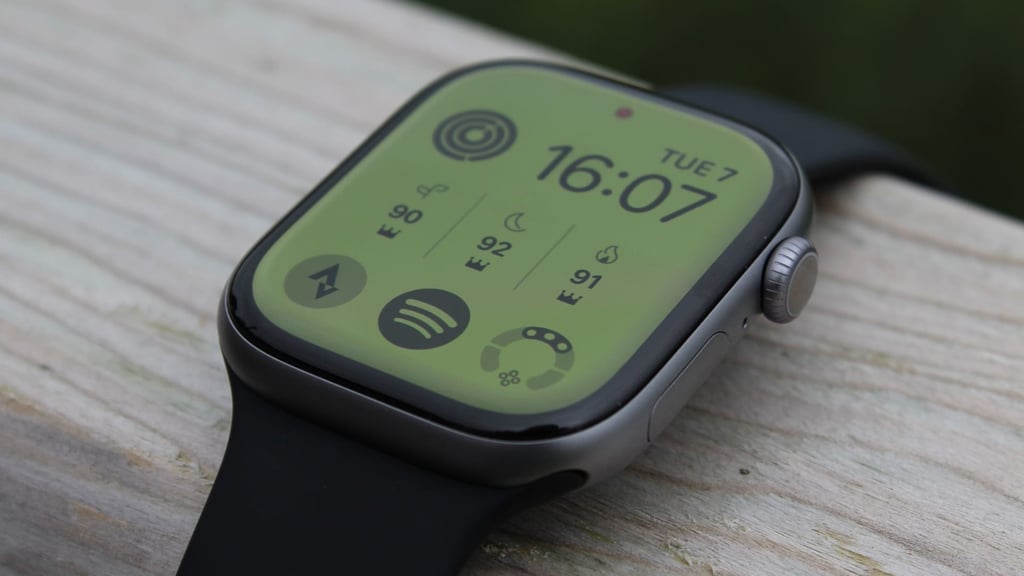
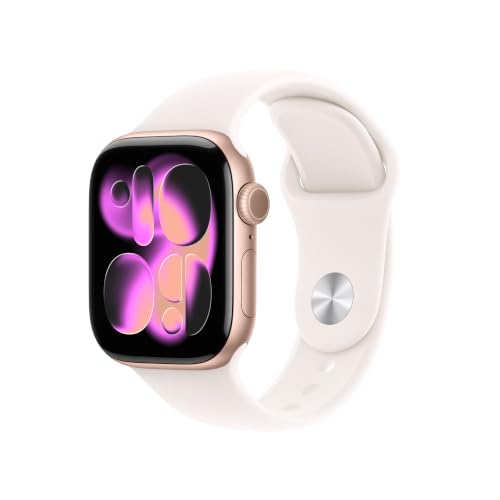
- Up to 24 hours of battery life
- Standard single-frequency L1 GPS
- Has a 5ATM water resistance rating, meaning it withstands water pressure equivalent to 50 meters
- 3rd gen optical heart sensor
If you use an iPhone, Apple Watch Series 11 is hard to beat. Apple has spent years improving its heart rate monitoring, and it shows. During our team's testing, it was one of the most reliable watches, whether we were running, lifting weights, or doing interval training.
On steady runs, Series 11 closely matched the Garmin HRM 600 chest strap. The average heart rate was usually only one beat per minute off, which is about as good as a wrist sensor can get. Interval workouts were a bit more challenging, since heart rate changes quickly and wrist sensors are slower than chest straps.
Still, Apple Watch impressed us. It kept up with quick changes in heart rate with only a small delay and was more consistent than many other smartwatches we tested.
Yes, it’s not perfect, though. We noticed a few inaccurate readings in the first few minutes of a workout, but after that, it remained one of the most reliable wrist-based heart rate monitors we’ve tried.
Hypertension monitoring
Apple has improved more than just heart rate tracking. A big new feature is passive hypertension monitoring.
According to the company, the watch may spot long-term signs associated with high blood pressure by analyzing data from its optical heart sensor. This feature works automatically in the background, just like Apple’s sleep apnea notifications, so you don’t have to start a measurement each time.
While Apple isn’t the first to offer this, its large user base means more people may benefit from these background notifications.
- Read our full Apple Watch Series 11 review
- Excellent GPS and HR accuracy
- Passive hypertension monitoring works in the background
- More scratch-resistant display
- Has strong health and fitness tracking features
- Not the greatest battery life
- Works only with iPhones
Garmin Fenix 8: Best heart rate monitor watch for outdoor adventures
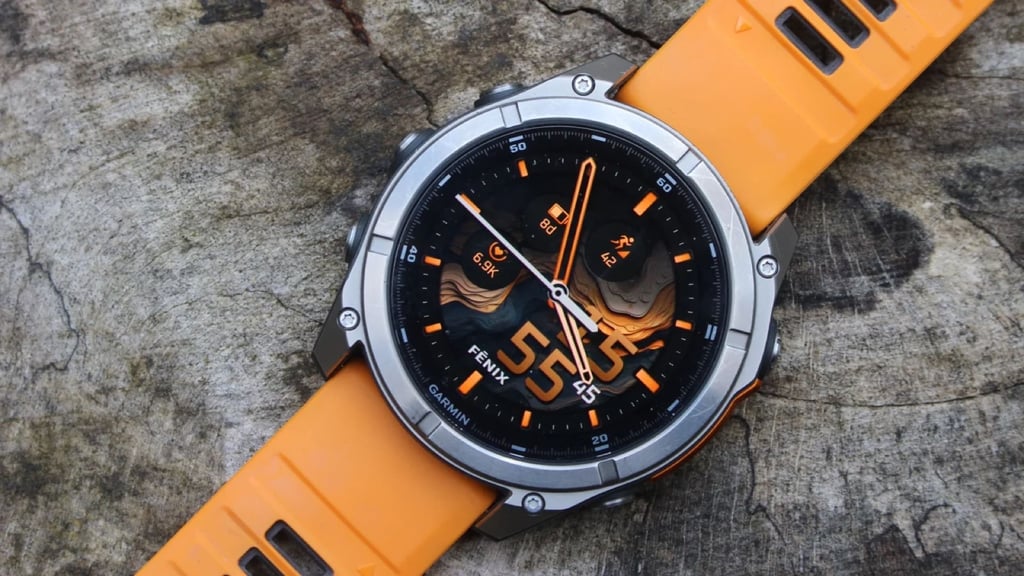
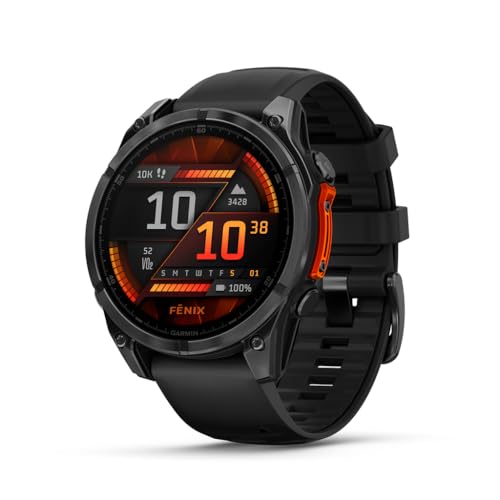
- Up to 16 days of battery life
- Multi-band GNSS
- Has a 10ATM water resistance rating, meaning it withstands pressure down to 100 meters
- Garmin Elevate Gen 5 optical sensor
If you like to take your workouts off the usual paths, Garmin Fenix 8 47mm is a great choice. It offers heart rate tracking, accurate GPS, detailed maps, long battery life, and plenty of training features for serious athletes.
In our tests, Fenix 8 provided reliable heart rate data throughout the day. Whether we wore it at work, on walks, or during lighter training, the readings were trustworthy.
However, harder workouts can be a bit different. Sometimes, during the first few minutes of a run, Fenix 8 may show a slightly lower heart rate before catching up. We also saw that very intense sessions, like sprints or HIIT, could make the optical sensor fall behind a chest strap. This doesn’t mean it’s a bad heart rate monitor, but there are times when a chest strap works better.
The good news is that Garmin makes it very easy to pair external heart rate monitors. You can connect Garmin, Polar, and Wahoo chest straps. If you need very precise heart rate zones for your training, we suggest using an external sensor.
But for everyday workouts, hiking, trail running, cycling, and general fitness, Fenix 8 is still a reliable choice and one of the best sports watches you can get.
- Read our full Garmin Fenix 8 review
- Outstanding battery life
- Class-leading mapping and navigation support
- Supports external HR straps
- An optical HR sensor can struggle during the first minutes of some workouts
- Expensive compared to competitors
Polar Grit X2 Pro: Best heart rate monitor watch for recovery insights
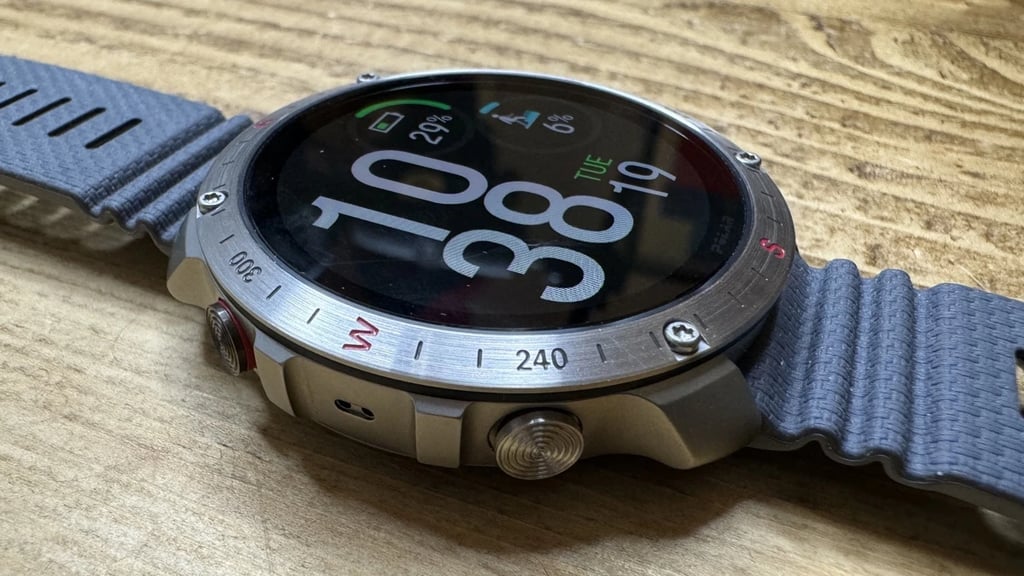
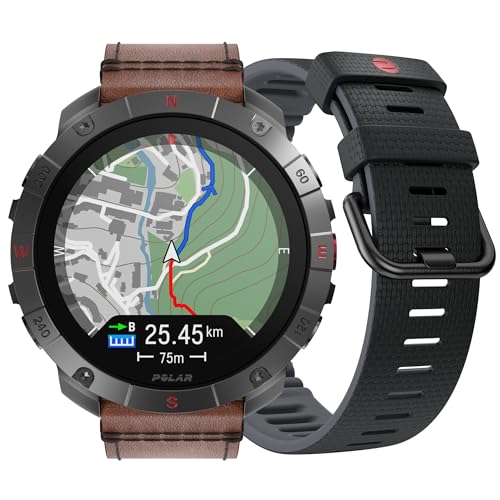
- Up to 10 days of battery life
- Dual-frequency GPS
- Has a 10ATM water resistance rating, meaning it withstands pressure down to 100 meters
- Polar Elixir optical biosensing
Polar Grit X2 Pro is a solid pick if you value recovery as much as training. It tracks heart rate well, has plenty of recovery support tools, and is tough enough for outdoor use.
When we tested it, the optical heart rate sensor worked impressively, staying close to the readings from the Polar H10 chest strap during most runs and workouts. That’s about as accurate as you can get from a wrist sensor.
However, like other smartwatches, it’s not perfect. Sometimes you can notice odd readings in the first few minutes of a run, but the sensor settles quickly and then stays consistent for the rest of the workout.
Besides daily heart rate tracking, Grit X2 Pro has several helpful wellness features. It can take non-medical ECG readings for HRV, monitor blood oxygen, track skin temperature at night, and record altitude. We especially liked Work-Rest Guide, which uses your heart rate to tell you when you may be ready to start a new set during a workout.
Overall, Grit X2 Pro is one of Polar’s best watches so far. It doesn’t have as many features as Garmin’s top outdoor models, but if you care most about recovery insights, it’s a great option.
- Read our full Polar Grit X2 Pro review
- Good HR performance
- Excellent recovery and training insights
- Big and bright AMOLED screen
- Fewer smartwatch features
- Mapping and navigation aren't as advanced
COROS Pace Pro: Best heart rate monitor watch for runners
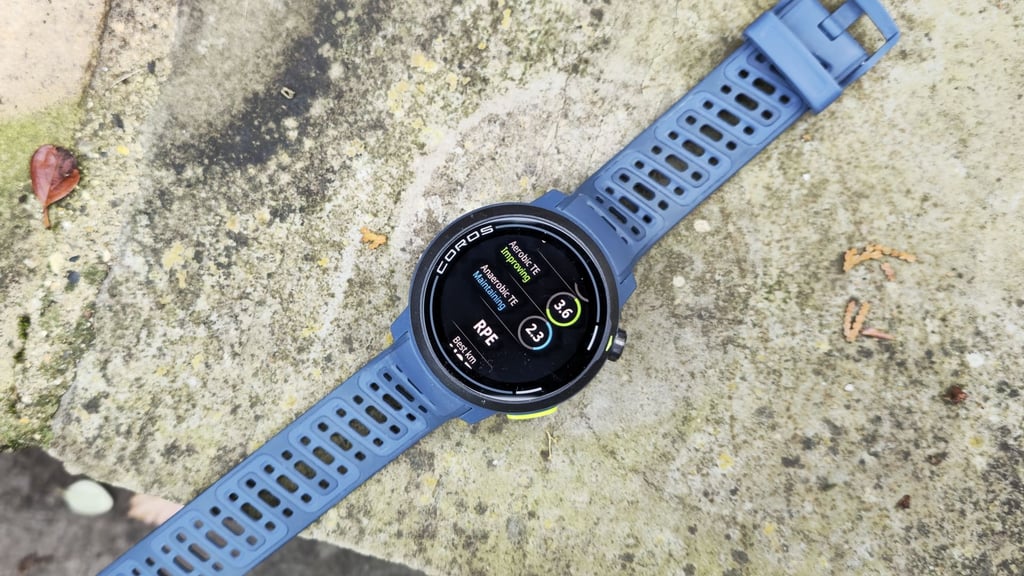
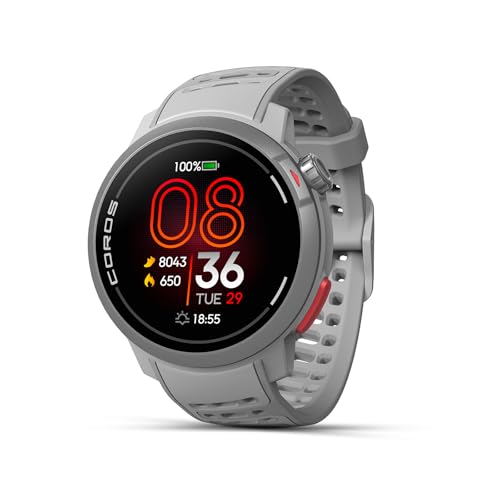
- Up to 20 days of battery life
- Dual-frequency GPS
- Has a 5ATM water resistance rating, meaning it withstands pressure down to 50 meters
- Advanced multi-channel optical heart rate sensor
If you are looking for a running watch that can handle long training sessions without frequent charging, COROS Pace Pro is a good option. It provides excellent battery life, reliable fitness tracking, and a bright AMOLED screen.
In our tests, the heart rate readings were usually reliable. On steady runs and longer workouts, Pace Pro’s results were close to those from a Polar chest strap, with similar average and maximum heart rates.
However, the interval sessions were a little different. The heart rate graphs still appeared realistic, but the average heart rate didn't always exactly match the chest strap's. That said, this is a usual occurrence with wrist-based sensors, so bear it in mind if you are training in specific heart rate zones.
COROS Pace Pro also tracks HRV overnight and has improved sleep monitoring. It even comes with an ECG sensor, but this is meant to make wellness measurements more accurate, not to diagnose medical conditions.
To sum up, Pace Pro is essentially an excellent sports watch for runners and endurance athletes. It doesn't aim to be a fully featured smartwatch, and if your main concerns are training, battery life, and dependable heart rate tracking, then it is a good choice.
- Read our full COROS Pace Pro review
- Strong mapping, HR, and GPS tracking
- Excellent battery life
- Has fewer smartwatch features
- HR accuracy may drop slightly during high-intensity intervals
Samsung Galaxy Watch Ultra: Best heart rate monitor watch for Android users
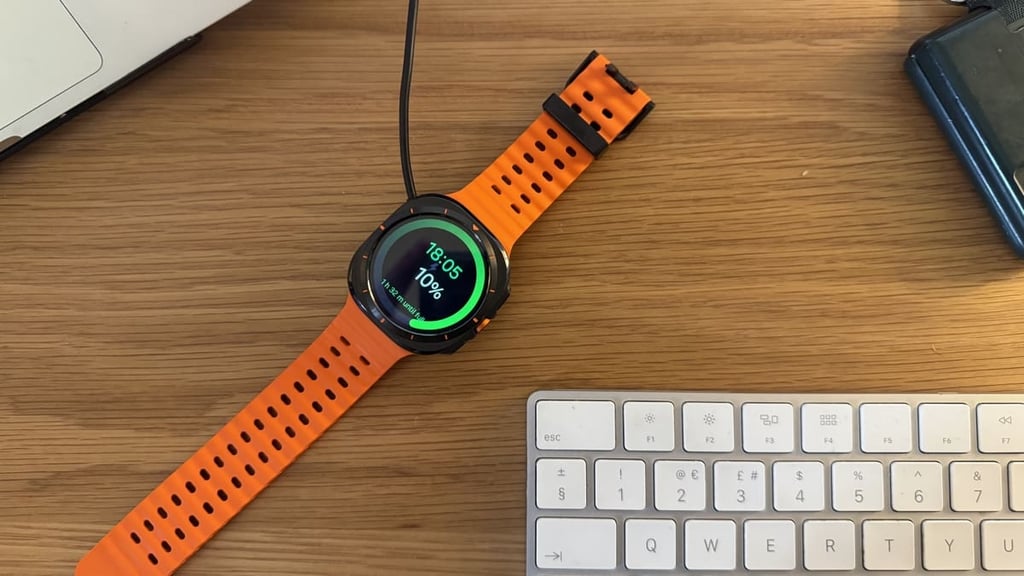
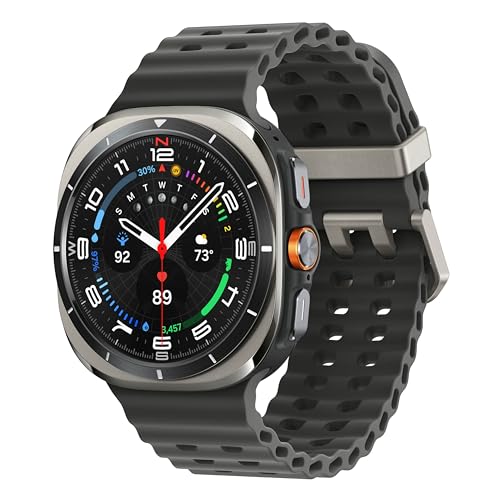
- Up to 100 hours of battery life
- Dual-frequency GPS
- Has a 10ATM water resistance rating, meaning it withstands pressure down to 100 meters
- Samsung BioActive Sensor
If you use an Android phone and want a premium smartwatch with heart rate tracking, Samsung Galaxy Watch Ultra is a top pick. It has a tough design, accurate fitness tracking, and lots of useful smart features.
During the tests, the heart rate readings proved to be reliable. Galaxy Watch Ultra closely matched Garmin Epix Pro (Gen 2), with the average heart rate usually being within one beat per minute. Although we did notice a brief spike in heart rate, it resolved quickly and did not affect the overall workout data.
Nevertheless, we encountered a few minor software issues. Although the watch can record workouts without your phone, it isn't always easy to view detailed wellness and fitness data. At times, it was necessary to reconnect to our phone in order to see all the workout details.
Moreover, if the phone’s battery died overnight, sleep scores and detailed sleep data weren’t available right away. These issues aren’t major, but they can be a bit annoying.
- Read our full Samsung Galaxy Watch Ultra review
- Has great HR and GPS tracking
- Has ECG and advanced wellness tracking features
- A Samsung phone is required for some features
- Battery life feels inconsistent
Comparison table: Our top heart rate monitor watches
| Watch | Apple Watch Series 11 | Garmin Fenix 8 | Polar Grit X2 Pro | COROS Pace Pro | Samsung Galaxy Watch Ultra |
| Battery | Up to 24 hours | Up to 16 days | Up to 10 days | Up to 20 days | Up to 100 hours |
| GPS | Standard single-frequency L1 GPS | Multi-band GNNS | Dual-frequency GPS | Dual-frequency GPS | Dual-frequency GPS |
| Heart rate sensor | 3rd-gen optical heart sensor | Garmin Elevate Gen 5 optical sensor | Polar Elixir optical biosensing | Advanced multi-channel optical heart rate sensor | Samsung BioActive Sensor |
| ECG | Yes | Yes | Yes | Yes | Yes |
| Phone compatibility | iPhone only | Android & iPhone | Android & iPhone | Android & iPhone | Android only |
What makes a good heart rate monitor watch?
Not all smartwatches track heart rate equally well. A few important factors set the top models apart.
The first is the sensor. Most smartwatches today use optical sensors that shine light on your skin to measure blood flow, and some also have ECG sensors for extra features. A good sensor is key to accurate heart rate tracking.
It is also important how the watch fits. A high-quality sensor may still have difficulties if the watch moves about on your wrist. Generally, a comfortable and secure fit will give you more reliable readings, particularly when you are exercising.
Finally, a good heart rate monitor should react quickly when your activity level changes. Whether you are jogging or doing interval training, you should keep up and get trustworthy readings.
Heart rate monitor watch vs. chest strap
These days, a lot of us use smartwatches to track our wellness. We check our heart rate during workouts, look at our sleep scores in the morning, and even monitor blood oxygen levels. But how accurate are these devices at measuring heart rate?
Studies show that chest straps are still the most reliable way to measure heart rate during exercise. In one study, researchers compared four popular wrist-based heart rate monitors with a 3-lead ECG and a Polar H7 chest strap.
Some smartwatches, especially Apple Watch and Garmin models, did well, but wrist sensors became less accurate as workouts got more intense.
That doesn’t mean you should avoid smartwatches. For most people, they are accurate enough for regular workouts and are great for tracking trends over time. But if you need precise heart rate zones for training or are getting ready for a race, a chest strap might be a better choice.
What to look for before buying a heart rate monitor watch
Before you buy a smartwatch for heart rate tracking, think about what’s most important to you. Different watches suit different people, so looking at a few key features will help you find the best fit.
- Accuracy: if accuracy in heart rate tracking is important to you, choose watches that have performed well in independent tests rather than just on the manufacturer's website.
- Battery life: consider how frequently you have to charge your watch—some last a day or two, whereas others can last for weeks.
- GPS: if you are running, cycling, or hiking outdoors, the built-in GPS is essential for tracking your distance, pace, and routes.
- Training modes: ensure that the watch includes the types of activities you actually carry out, such as running, strength training, swimming, or any other activity.
- Display: the screen should be bright and easy to read. This makes it simple to check your heart rate and workout statistics, particularly when you're outdoors.
- Durability: if you train in varying weather conditions or spend a lot of time outdoors, you should choose a watch that has good water resistance and is rugged in design.
- Phone compatibility: some watches will only work with specific phones, so it's important to check before you buy.
- Requirements for a subscription: some brands lock advanced insights behind a monthly subscription, whereas with others, all features are included in the purchase price.
- Price: buy a watch based on your needs rather than just how much money you have, since in some cases spending a bit more will give you features that you'll actually use for years.
Which heart rate monitor watch is right for you?
There’s no single best heart rate monitor watch for everyone. If you are looking for one, your choice should depend on how you plan to use it. Yes, heart rate tracking matters, but it’s also good to consider which features you’ll need additionally.
For instance, if you mainly run outdoors or train for races, COROS Pace Pro is a good choice as it reliably records data and has a long battery life. However, if you prefer hiking, trail running, or cycling, or want a battery that lasts for weeks, Garmin Fenix 8 is the better option.
Let’s just say you love going to the gym and doing strength workouts. In that case, we would recommend Polar Grit X2 Pro because of its recovery tools and Work-Rest Guide.
And if you have an iPhone, Apple Watch Series 11 is an easy choice since it’s accurate and works smoothly with Apple devices. The opposite goes for Android users—Samsung Galaxy Watch Ultra is a top option.
Other wellness tracking reviews:
Best fitness tracker 2026: Wareable picks for fitness tracking
Best smart scales: Top picks for body composition, weight loss, and health tracking
The best wearables for weightlifting: Top picks for tracking progress in the gym
Best smart rings 2026: Wareable picks for discreet wellness trackers
Final verdict
Apple Watch Series 11 is our top pick. It stood out in our tests by giving the most reliable heart rate readings, even during intense workouts.
It also responded quickly to changes in heart rate, and its passive hypertension monitoring is another useful addition for people who want more wellness insights.
That said, there are other great choices. If you need long battery life and love outdoor activities, Garmin Fenix 8 is hard to beat. Runners might prefer COROS Pace Pro. Ultimately, the best heart rate monitor watch is the one that matches your training style and daily needs.
Best heart rate monitor watches: FAQ
Which smartwatch has the most accurate heart rate monitor?
When we tested different models, Apple Watch Series 11 gave the most accurate heart rate readings. Still, it might not be the best choice for everyone. The right watch depends on your needs. For example, if you often hike, run trails, or explore outdoors, a Garmin watch could be a better option that still offers great heart rate tracking.
Are smartwatch heart rate monitors as accurate as chest straps?
No, not quite. Chest straps are still the most accurate way to measure heart rate during exercise. Some smartwatches, like Apple Watch and Garmin, come close, but wrist sensors can be less reliable during hard workouts when your heart rate changes quickly.
Can I use a heart rate monitor watch without my phone?
Yes, most sports smartwatches work without your phone nearby. They track workouts, monitor heart rate, and use their own GPS. However, to see detailed wellness stats or sync data, you might still need your phone.
Which smartwatch has the longest battery life?
Garmin watches are known for having long battery life. For instance, Garmin Fenix 8 can last up to 16 days in smartwatch mode. Keep in mind that using GPS a lot, running long races, or working out often will drain the battery faster.
Do all smartwatches measure heart rate continuously?
No, not every watch does. Most new fitness watches track your heart rate all the time, but some limit this feature to save battery life.
Are heart rate monitor watches waterproof?
Yes, most heart rate monitor watches are water-resistant. While many are suitable for swimming, rain, or everyday splashes, you should still check the water rating before using one for diving or other water sports.
-
Cardiovascular Diagnosis & Therapy.
Accuracy of commercially available heart rate monitors in athletes: a prospective study.