Best red light therapy for back pain (2026): What actually helps?


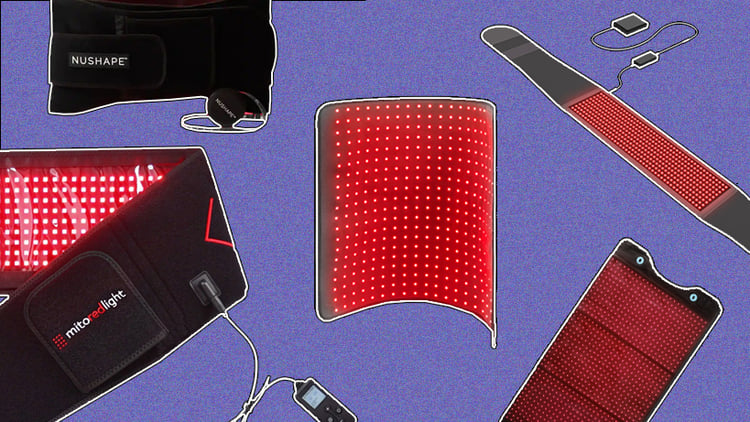
We’ve tested red light therapy devices for back pain—here are our top choices
We’ve tested numerous red light therapy (RLT) devices over several weeks to find which might show benefits in real-life scenarios, such as long sitting hours, post-workout soreness, and persistent lower back tightness. However, the key takeaway that we got is that no matter whether you are using an RLT wrap, mat, pad, or panel, consistency matters more than hype.
While there are clinically supported claims that red and near-infrared light may be beneficial for recovery by supporting circulation and reducing inflammation, the results may vary a lot depending on the root cause of your back pain. For example, lower back pain and muscle soreness may be more likely to respond better to RLT than nerve-related conditions like sciatica.
Below, we’ve compiled a list of red light therapy devices for back pain that may support your routine. From wraps to full-body mats, we’ve included the top devices we found most useful during our testing.
Quick picks: Best red light therapy devices for back pain
- Novaa Light Pad XL: Best red light therapy for broad coverage
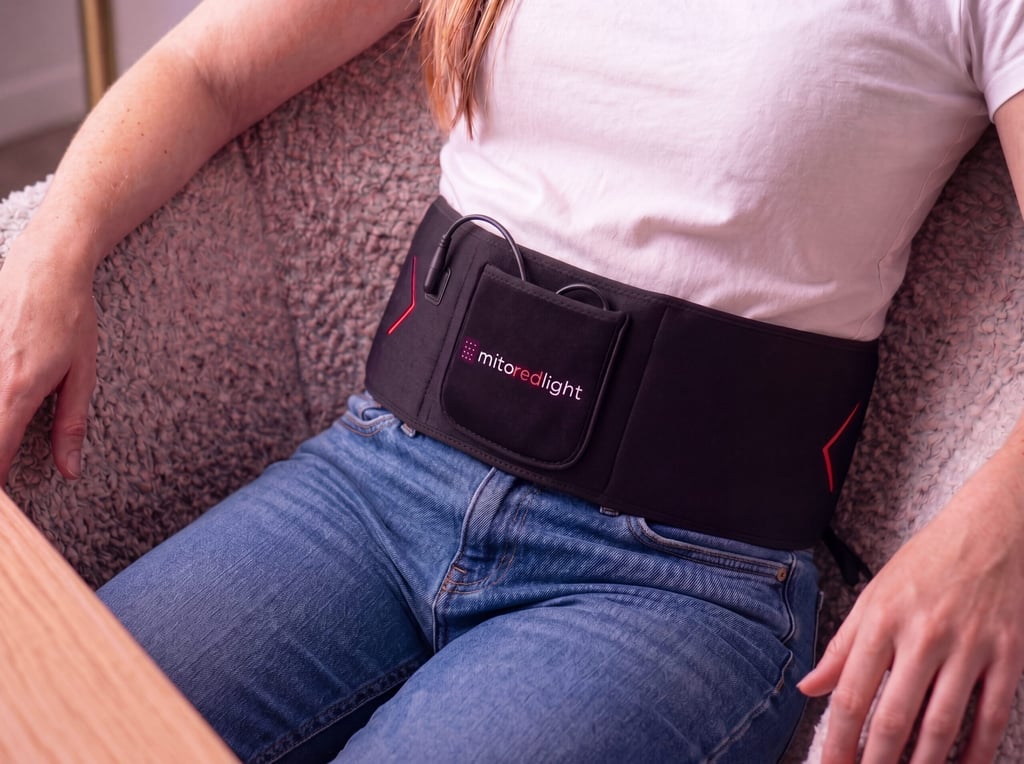
- MitoQUAD™ Wavelength Belt: Best red light therapy for lower back pain
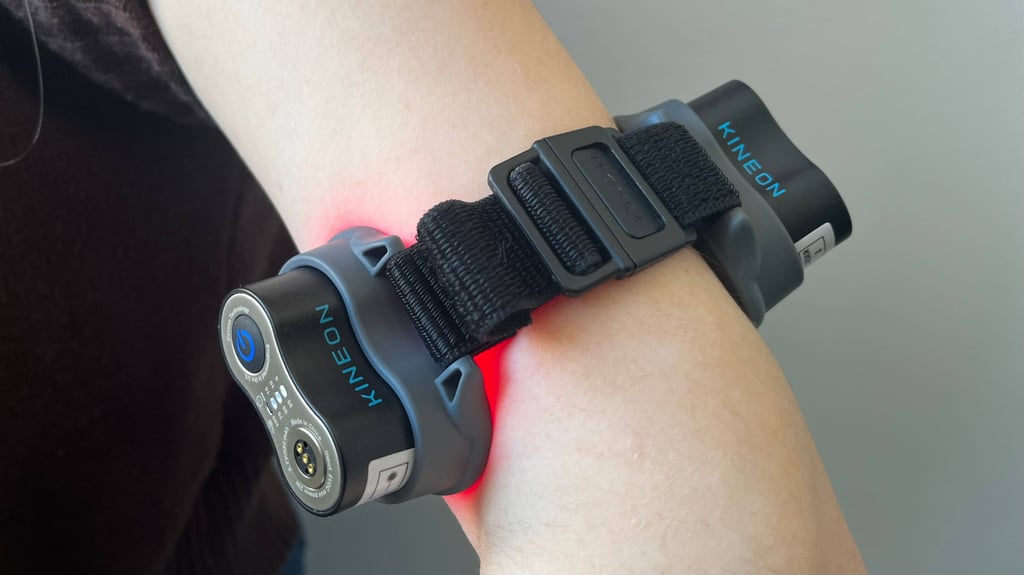
- Kineon MOVE+ Pro: Best red light therapy for targeting specific body areas
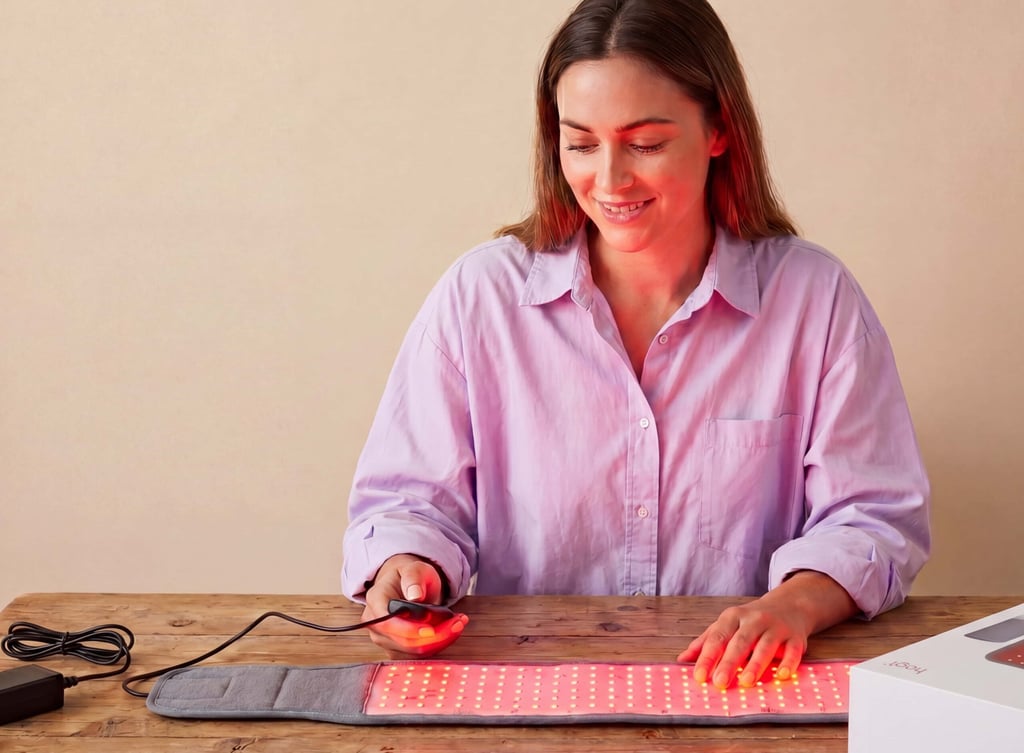
- Hooga Red Light Therapy Belt: Best red light therapy for back pain on a budget
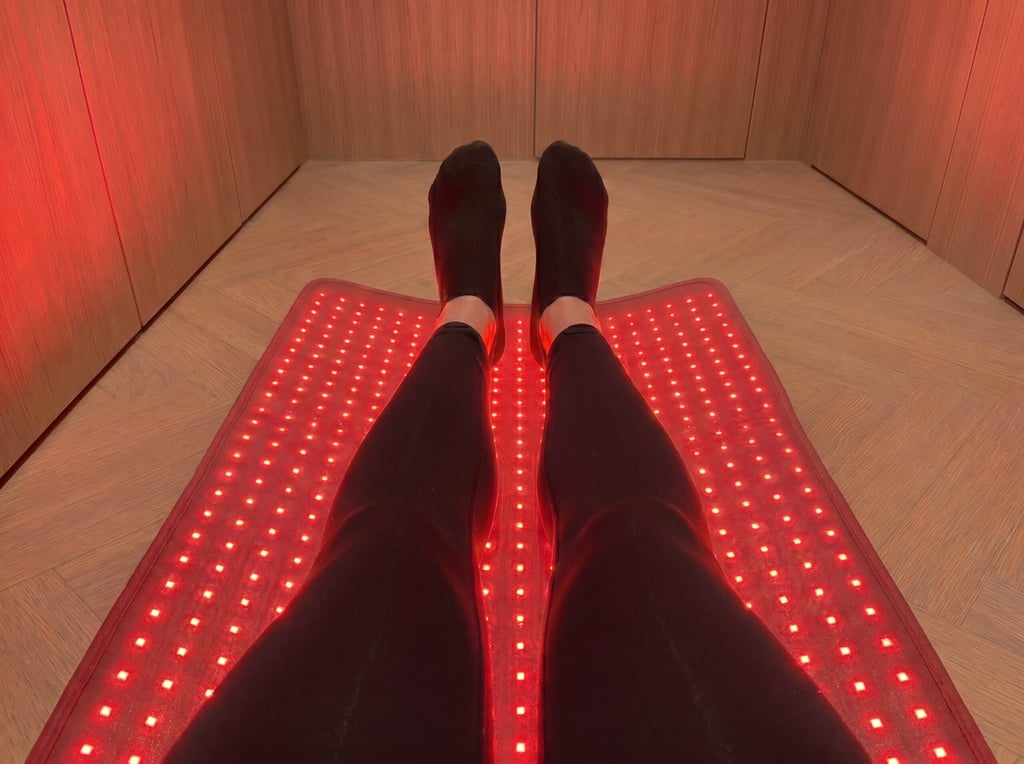
- HigherDOSE Full Body Red Light Mat: Best red light therapy for full-body recovery
Red light therapy devices for back pain compared
Not all red light therapy devices are the same—some can cover the full body at once, others are more targeted for the lower back; some can be used for shorter sessions, while others require longer periods of dedicated use.
Below, we’ve compared our top RLT for back pain devices based purely on parameters, so it would be easier for you to choose:
| RLT for back pain device | Wavelengths (nm) | Irradiance | Coverage area | Session time | Device style | Best for |
| Novaa Light Pad XL | 660nm (red), 850nm (near-infrared) | 200mW/cm² | 19.7 x 23.6 inches | Up to 20 minutes | Pad | Targeting large areas |
| MitoQUAD Wavelength Belt | 630nm, 660nm (red); 810nm, 850nm (near-infrared) | 18mW/cm² | 22 x 5 inches (session area) | Up to 20 minutes | Wrap/belt | Targeting lower back pain and deep tissues |
| Kineon MOVE+ Pro | 660nm (red), 808nm (near-infrared) | 50mW optical power from lasers; 80mW from LEDs | 3 wearable modules | 10–15 minutes | Wearable device | Targeting localized discomfort |
| Hooga Red Light Therapy Belt | 660nm (red), 850nm (near-infrared) | 70mW/cm² | 21 x 5 inches (session area) | Up to 20 minutes | Wrap/belt | Targeting waist area |
| HigherDOSE Full Body Red Light Mat | 660nm (red), 850nm (near-infrared) | 90mW/cm² | 78.7 x 41.37 inches | 20–60 minutes | Mat | Full-body recovery |
Novaa Light Pad XL
Best for: Large-area coverage
- Wavelengths: 660nm, 850nm
- Coverage range: Large
- Price: $599.90
- Design: Flexible pad
We found that Novaa Light Pad XL strikes the best balance between coverage and usability. Overall, it was one of the easiest devices to handle, as we could simply lie it down anywhere we wanted.
Alternatively, since it’s a flexible pad with adjustable velcro straps, you can strap it around your body and use it hands-free. It’s also compact and very easy to pack for a trip, though it does require being plugged into a wall outlet to function.
After testing it for a month, we did feel a slight improvement in muscle soreness after gym. However, Novaa Light Pad XL isn’t as powerful as dedicated RLT panels or in-clinic treatments, so don’t expect noticeable changes after just one session.
We’d say that Novaa Light Pad XL may work best for people who want a reliable, low-effort process rather than targeted intensity.
- Large coverage area
- Comfortable and easy to use
- Can be used hands-free
- Must be plugged-in to use
- High price point
MitoQUAD Wavelength Belt
Best for: Deep-tissue targeting in the lower back
- Wavelengths: 630nm, 660nm, 810nm, 850nm
- Coverage range: Medium
- Price: $349
- Design: Wrap/belt
Among the red light therapy devices for back pain that we tested, MitoQUAD Wavelength Belt by Mito Red Light felt the most performance-focused. The four wavelengths used in clinical research were what initially piqued our interest, since 810nm and 850nm wavelengths may penetrate deeper into tissue than red light.
Wearing and using the Mito RLT wrap was also very easy, with minimal setup and learning curve. We also liked the sturdy yet soft material, which felt pliable and nice against the skin.
As for results, we did notice easier mobility over time. However, remember that no RLT device is a substitute for a visit to a clinic, so we advise treating the Mito belt only as an addition to your routine.
The main reason we like MitoQUAD™ Wavelength Belt is its combination of wavelengths, compactness, and reasonable price. That said, currently only the plug-in model is available, so you’re not getting the full portability a belt-style red light therapy device can offer.
- Compact and doesn’t limit movement
- Great combination of wavelengths
- Best for targeting back pain
- Currently only plug-in design available
- Not the most budget-friendly option
Kineon MOVE+ Pro
Best for: Area-specific red light therapy
- Wavelengths: 660nm, 808nm
- Coverage range: Small
- Price: $499
- Design: Wearable device
During testing, we came to appreciate Kineon MOVE+ Pro more and more with every session. It stood out as the best option for targeted approach, as well as convenient portability.
This device combines red LEDs with near-infrared lasers, designed to deliver light directly to the area where the module is placed.
Keep in mind that the learning curve can be a challenge, since you need to position Kineon right where you feel pain. If you’re not sure, you’ll have to keep readjusting until you find the placement that works for you. On the other hand, the device is completely battery-powered, so there’s nothing restricting your movement—you can walk around the house or even outdoors with the gadget on you.
After a couple sessions, we noticed some relief in discomfort in the targeted area. Yet, the benefits weren’t something we’d consider permanent, and regular use was needed to maintain the relief.
So, if you’re looking for a more targeted session with portability and hands-free use, we suggest checking out Kineon MOVE+ Pro.
- Portable and battery-powered
- Sessions are quite short
- Combines LEDs and lasers
- Small coverage area
- You need to manually find the placement
- Premium price point
Hooga Red Light Therapy Belt
Best for: Budget-friendly RLT back pain assistance
- Wavelengths: 660nm, 850nm
- Coverage range: Medium
- Price: $249
- Design: Wrap/belt
Hooga Red Light Therapy Belt is the most affordable option on our list of RLT devices for back pain. However, while it offers a good entry point into red light therapy, its lower price comes with a lower overall power output. For you, that means any potential results from using Hooga RLT Belt may become noticeable later rather than sooner.
During our test wear, we found Hooga very comfortable, especially suitable for lower back applications, thanks to its belt-type design. That said, as it’s a budget-tier device, the materials and build felt sturdy but lacked the polish of premium-tier RLT belts.
As we mostly used Hooga Belt on our lower backs, we did feel a bit less tightness in the area. However, the positive effects only became more noticeable a month into using the belt, so remember to have a realistic timeline for your use.
Overall, we mostly liked Hooga Red Light Therapy Belt for its accessibility and ease of use, which may benefit first-time RLT users. That said, it isn’t perfect, and with less power, you may get results more slowly.
- Good coverage area
- Great price-to-value ratio
- Not the most powerful option
- Needs to be charged often
HigherDOSE Full Body Red Light Mat
Best for: Full-body recovery
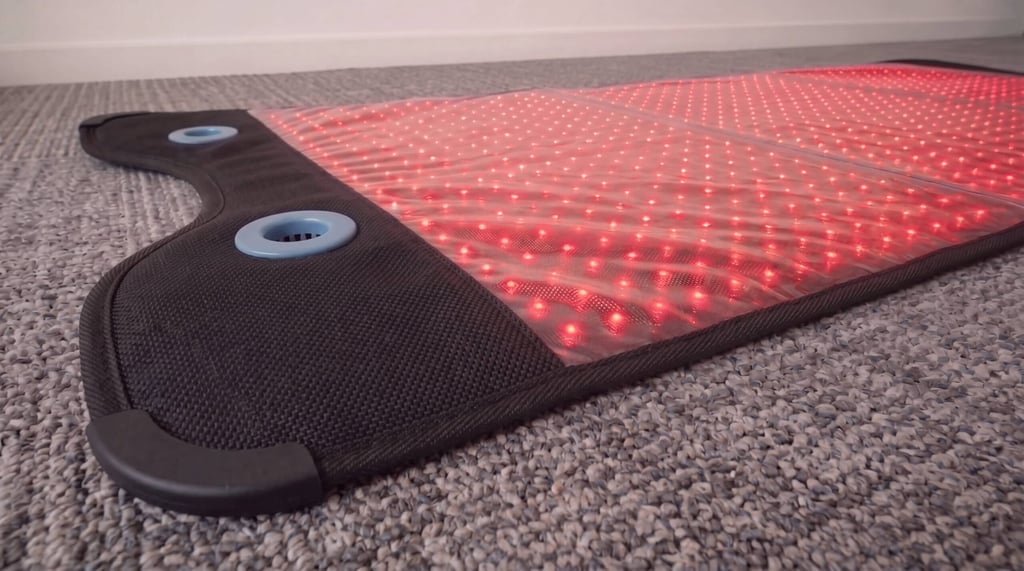
- Wavelengths: 660nm, 850nm
- Coverage range: Large
- Price: $1 199
- Design: Mat
While most of the devices on our RLT back pain relief list feel more recovery-focused, HigherDOSE Full Body Red Light Mat is definitely more of a holistic relaxation device. The key thing that led us to think about it like that is its mat-style design. Instead of wrapping it around your back and carrying on with whatever you’ve been doing, you have to actually lie down on the HigherDOSE mat to cover the whole back at once while you relax.
However, the mat's design makes it less portable and harder to use while working or doing other things. You will have to set aside some spare time for the whole process rather than include it in your existing routines.
Our results with the HigherDOSE mat were more gradual and modest compared to other devices. Still, we liked the relaxation factor it offered, and you might, too.
Overall, we think HigherDOSE Full Body Red Light Mat would suit RLT beginners due to its ease of use and the ability to maintain consistency even with the required dedicated session time.
- Full back coverage
- Very easy to use
- Overall relaxing experience
- Premium price tier
- Less targeted and less portable
- Pretty heavy to handle
How to choose the best red light therapy device for back pain
Choosing the right red light therapy device for back pain comes down not only to specifications, but also to how willing you are to stay consistent with it and which areas you want to tackle. Here are some useful pointers when choosing RLT devices for back pain:
- Consider the coverage area. We found that wraps are best for targeting the lower back, pads are great for broader application, and mats offer low-effort full back coverage.
- Look into wavelengths. RLT devices for back pain typically use red and near-infrared wavelengths. Look for this combination, as it can potentially act at both surface and deeper levels.
- Evaluate ease of use. Back sessions with RLT devices can be a little awkward, but from what we found, wraps usually offer the most ease of use.
- Budget vs. performance. Cheaper devices may be better budget-wise, but the effects may take longer to become noticeable.
- Search for safety certifications. Look for CE or FDA clearance, if applicable, and follow any manufacturer-issued precautions.
The benefits of infrared light therapy for back pain
On paper, the potential benefits of infrared and red light therapy for back pain include temporary pain relief and support for muscle recovery. However, evidence is still mixed and results vary depending on the condition, device, and use.
Potential pain relief
Probably one of the main reasons people consider infrared light therapy for back pain management is its potential to reduce pain.
Studies suggest photobiomodulation (infrared light procedures) may help support inflammatory responses and oxidative stress regulation, both of which are thought to be associated with lower back stiffness and soreness. This possible benefit may be relevant to anyone dealing with long hours of sitting, repetitive strain, or post-workout muscle fatigue. Although, the quality of evidence isn’t consistent.
May help relieve muscle tension
Infrared and red light therapy may also help support relaxation of tight lumbar muscles by potentially influencing local circulation and cellular energy production. The increased flow might help with the stiff feeling you get after sitting for long hours or after intense workouts. In our testing, this was perhaps one of the more noticeable short-term effects, especially with wrap-style devices that maintain close skin contact.
Supports recovery
Photobiomodulation has also been studied for its potential to support muscle repair and recovery, especially in sports medicine and rehabilitation. Although evidence varies across conditions, reviews still suggest that using RLT devices for back pain may support tissue recovery and help with muscle soreness when used alongside structured recovery routines.
How to use red light therapy devices for back pain
Any possible red light therapy effects for back pain support strongly depend on correct and consistent use. Here are a couple of useful pointers we can share on using RLT for back pain more effectively:
- Session routine: Follow manufacturer’s instructions on use. Usually it’s around 10–20 minutes per session, 3–5 times per week.
- Positioning: Wraps are usually the easiest to use correctly, especially compared to panels, which require careful positioning.
- Coverage: If you’re not sure where the discomfort is coming from, use your RLT device not only on the entire back.
- Consistency: Stick to your routine, as results may take 2–4 weeks to become noticeable.
- Combine with: Stretching, posture, physio, and other advice from a medical professional, as red light therapy devices are just supplemental recovery tools.
- Mistakes to avoid: Inconsistent use, overuse, poor positioning, and expecting instant results.
Red vs. near-infrared light for deep back pain
Standard red light is primarily thought to affect more surface-level tissues and may be better suited for mild muscle tension or skin-focused applications. Meanwhile, near-infrared light may penetrate deeper and reach areas like lumbar muscles, joints, and connective tissue, which are often associated with lower back discomfort.
Because of the deeper penetration, devices that use near-infrared light may be better suited for persistent stiffness, post-workout soreness, and back discomfort associated with muscle tension. Plus, research suggests that near-infrared light may help reduce inflammation and contribute to temporary pain relief when used consistently.
We found that devices combining both red and near-infrared light might make the most sense for supporting back pain. That said, if your only goal is to use RLT for deeper back pain, then near-infrared light inclusion might be a more important factor in your device choice than the sheer number of LEDs or brilliant marketing claims.
How long does it take to see results for back pain?
Red light therapy isn’t a magical solution to all problems. While it may offer some back pain relief, it works best as a part of an existing management routine and is not a replacement for a visit to a healthcare specialist.
From our experience, the most important aspects are consistency and patience, as potential effects are gradual and modest at best.
Short-term
Some of us at Wareable felt mild stiffness and muscle tightness relief almost immediately after sessions. However, the initial results were short-term and did not instantly change the bigger picture. After several weeks, the effects may feel more solid. More precisely, most of us noticed less stiffness and overall easier movement even after working out.
Long-term
Continued use of RLT for back pain appeared to be pretty effective for us, but you have to stay consistent with your sessions. Plus, the results also hugely depended on the root cause of the pain. For example, we found that mild muscular discomfort tends to respond better to RLT than structural spine problems, nerve compression, or chronic conditions, especially if used without additional rehabilitation support and a specialist’s care.
What red light therapy cannot fix
Red light therapy for back pain may potentially have benefits for recovery support and temporary pain relief, but at the same time, it has very clear limitations. It usually works best as a complementary recovery tool in your routine and not as a standalone solution for persistent conditions.
From what we found, red light therapy generally cannot fix:
- Herniated disks. RLT cannot repair or reposition damaged spinal disks.
- Severe nerve compression. Although RLT may support surrounding inflammation, it is ineffective at relieving nerve pressure.
- Structural spine issues. Problems with spinal alignment or degeneration usually require a more structured approach, including medical or physical treatments.
- Chronic conditions without rehabilitation support. If muscular imbalances, posture, and mobility are not addressed with constructive rehabilitation, pain may return despite using red light therapy for back pain.
That said, RLT may still be beneficial for easing muscle tension, stiffness, and mild inflammation associated with these conditions, but it cannot address the underlying causes. So, our advice is to always combine RLT for back pain with a specialist-advised pain management routine, physiotherapy, stretching, and regular movement. RLT cannot replace proper medical care or rehabilitation and should always be viewed as a complementary tool to your routine.
Other red light therapy reviews:
Best red light therapy mats 2026 : Top picks for home wellness and recovery
Best full body red light therapy devices (2026): Tested picks for home and clinic use
Best red light therapy for knee pain 2026: Tried and tested
Best red light therapy panels 2026: Top picks for full-body treatment
Best red light therapy belts (2026): Tested picks for pain relief and recovery
Final verdict: Which device should you choose?
After testing, we chose MitoQUAD™ Wavelength Belt as the best choice for back pain management for most people.
In our opinion, this RLT wrap combines coverage, comfort, flexibility, and consistent usability quite well. But, as we like to repeat, the best option for you might come down to how you actually plan to use the RLT device and the type of discomfort you are dealing with. So, our recommendations stand like this:
- Best overall: Novaa Light Pad XL
- Best for deep pain: MitoQUAD™ Wavelength Belt
- Best for specific area targeting: Kineon MOVE+ Pro
- Best price: Hooga Red Light Therapy Belt
- Best for convenience: HigerDOSE Full Body Mat
References
-
Journal of Clinical Medicine.
-
Frontiers in Integrative Neuroscience.
-
Lasers in Medical Science.
-
International Wound Journal.