Best leg compression sleeves (2026): Tested picks for running, recovery, and circulation


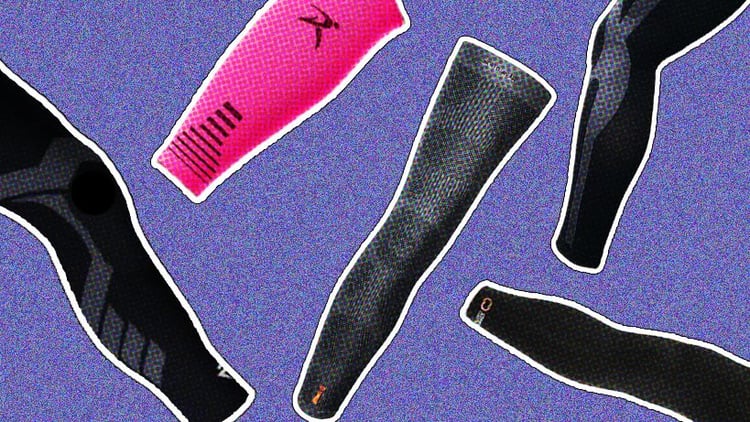
We’ve put the best leg compression sleeves through real-world testing—here are our top picks for running, recovery, and all-day circulation support in 2026
Leg compression sleeves are stretchy, graduated garments designed to support muscles and improve blood flow in the lower body. Runners and people who are physically active use them to reduce fatigue, stay comfortable on longer efforts, and speed up recovery between sessions.
They’re also popular for long work shifts, travel, and general circulation support when you’re on your feet or sitting for hours. While they can ease discomfort and support performance, they’re not a replacement for medical treatment. In this guide, we’ll break down the best leg compression sleeves to help you find the right fit, feel, and support for your needs.
Quick summary: The best leg compression sleeves
- Copper Compression leg compression sleeve: Best for runners who want flexible knee and leg support for training and recovery
- Rymora calf compression sleeves: Best for affordable calf-focused support for running, shin splints, and everyday leg fatigue
- Incrediwear leg sleeve: Best for full-leg recovery support, swelling, and circulation comfort after hard sessions or long days
- FLYTEX knee compression sleeves: Best for knee pain relief and sports support during running, hiking, cycling, and gym work
- B-Driven Sports dull leg compression sleeves: Best for graduated full-leg compression, circulation support, running, or all-day wear
How we tested leg compression sleeves
To assess the best leg compression sleeves, we focused on the details that matter in everyday use, not just the claims on the packaging. We looked closely at fabric quality, checking whether the material felt durable, supportive, and well-finished, with enough stretch to hold shape over time. Compression consistency was another priority because when it comes to compression items, the right sleeve should feel firm without creating uneven pressure or cutting in awkwardly.
We also judged comfort during extended wear, since compression sleeves that feel fine for a few minutes can become distracting after a run, commute, or long shift. Breathability is important for comfort too, especially for warmer weather and higher-intensity sessions, where heat and sweat can build up quickly.
We then reviewed fit and sizing accuracy against the brand’s guidance because even the best compression leg sleeves only work properly when they fit correctly. Finally, we weighed value for money, balancing performance, comfort, and build quality against what each sleeve is likely to offer over time.
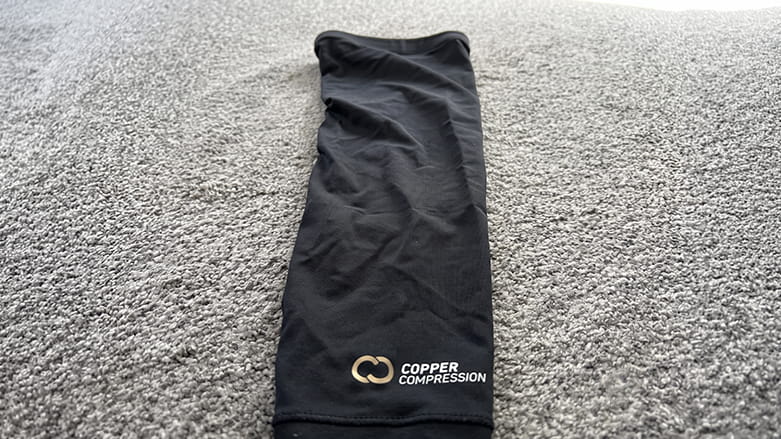
Copper Compression leg compression sleeve
Best for versatile full-leg support for running and recovery
- Massage type: Compression sleeve
- Coverage area: Thigh, knee, and calf
- Weight: ~40 grams
- Price range: Mid-range
Copper Compression’s full-leg sleeve is the most versatile pick in this group for those who want support from hip-to-calf-style coverage in a single piece. The brand positions it as a comfort-first sleeve for sports, recovery, standing all day, and general circulation support. This compression sleeve has copper-infused fabric, moisture-wicking construction, and a thin profile that stays flexible during movement. It also has the practical advantage of being designed for either leg, which makes it easier to wear routinely without much fuss.
What we like is the balance between support and wearability. It’s built to feel snug rather than restrictive, and the breathable, stretch fabric is the kind of detail that matters when you are wearing a sleeve for training, travel, or a long work shift. What to consider is that this is still a general-purpose sleeve, so it may not suit people who want more targeted calf-only compression or a medical-grade graduated fit.
Who it’s for: runners, active users, and anyone after a comfortable full-leg sleeve for recovery and everyday support.
- Full-leg coverage from thigh to calf
- Copper-infused, breathable, moisture-wicking build
- Flexible enough for running and daily movement
- Can be worn on either leg
- Not a targeted calf-only option
- No clear medical-grade compression rating is listed
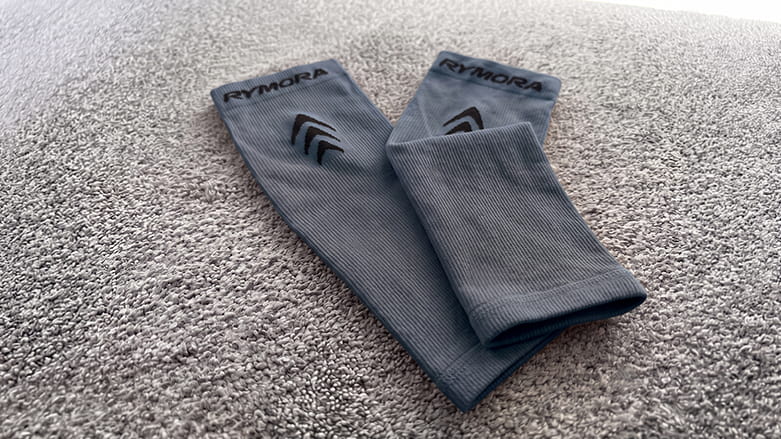
Rymora calf compression sleeves
Best for budget-friendly calf support for running and shin splints
- Massage type: Compression sleeve
- Coverage area: Calf
- Weight: ~45 grams
- Price range: Budget
Rymora is the straightforward calf sleeve in this lineup, and that simplicity is part of its appeal. It’s positioned for shin splints, running, sports, and general calf support, with a compression range commonly described as 20–30mmHg. The key value point is that it focuses on the area most runners actually want to support, rather than adding extra material you may not need.
What we like is its lightweight, no-nonsense approach. Rymora appears to be a practical best compression leg sleeve pick for readers who want an affordable sleeve that is easy to wear under shorts or kit and is aimed at addressing calf fatigue and shin discomfort directly. What to consider is that it does not offer the broader coverage of a full-leg sleeve, so it’s less suitable if you want thigh-to-ankle support or more all-round circulation coverage.
Who it’s for: runners, gym users, and active people who want a budget-friendly calf sleeve and know they only need targeted lower-leg support.
- Calf-focused design for running and shin splints
- Lightweight build
- 20–30mmHg compression
- Good budget-friendly option
- Limited to calf coverage rather than full-leg support
- Less suitable for users wanting knee or thigh support
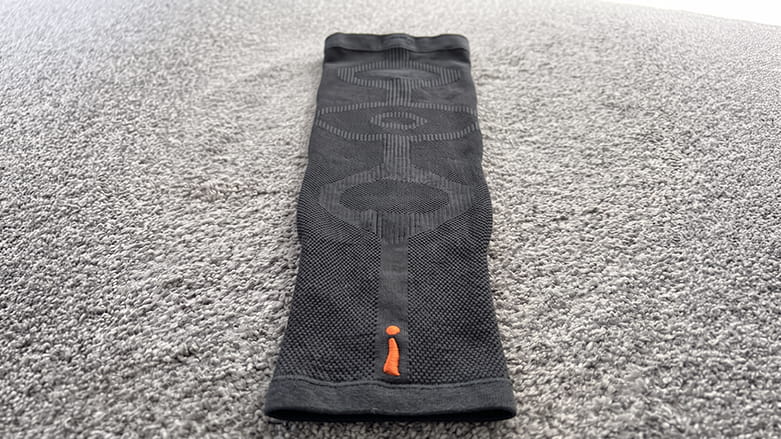
Incrediwear leg sleeve
Best for premium recovery support and all-day comfort
- Massage type: Non-compressive recovery sleeve
- Coverage area: Full leg
- Weight: ~30 grams
- Price range: Premium
Incrediwear takes a different approach from traditional compression, using a fabric blend embedded with semiconductor elements rather than relying on pressure alone. The brand says the sleeve supports recovery, pain relief, swelling reduction, and circulation. The sizing is based on upper-thigh circumference, with a fabric blend of 66% polyester, 24% nylon, and 10% spandex. That makes it a strong candidate for readers who want all-day comfort and recovery support without a tight compression feel.
What we like is the softer, more wearable feel. Incrediwear’s design is especially appealing for post-op use, swelling, and recovery-focused wear, where comfort over extended periods matters as much as support. Bear in mind this is not a classic compression sleeve, so readers specifically looking for firm graduated pressure may prefer a more traditional option.
Who it’s for: people recovering from injury or surgery, or anyone who wants a premium-feeling full-leg sleeve for circulation and comfort.
- Full-leg coverage with recovery-focused design
- Breathable, moisture-wicking fabric blend
- Non-compressive feel may suit long wear better
- Sizes based on upper-thigh measurement for better fit accuracy
- Not a traditional compression sleeve
- Premium positioning may make it a pricier buy
- Less direct for readers who want firm sports compression
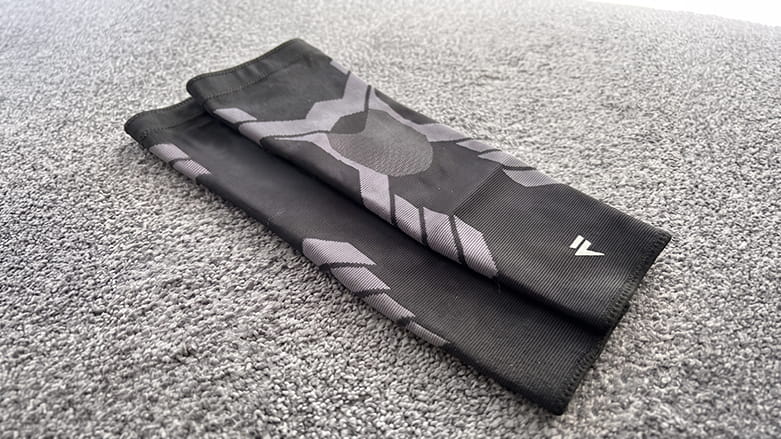
FLYTEX knee compression sleeves
Best for knee-focused support during sports and training
- Massage type: Compression sleeve
- Coverage area: Knee and upper leg support
- Weight: Unlisted
- Price range: Mid-range
FLYTEX is the knee-first option in this shortlist, designed for people who want support around the joint rather than full-leg coverage. The brand highlights support for osteoarthritis, past injuries, and everyday movement, with size guidance based on thigh circumference and a recommendation to size down if you are between sizes for firmer support. It also describes the sleeve as helping with circulation, swelling, fatigue, and soreness, which may be relevant for active use as well as rehab-style support.
What we like is the focused knee support and the clear sizing guidance. That combination should help readers who want a more tailored fit for sports like running, hiking, cycling, or basketball. However, this is not a full-leg sleeve, so it may not be optimal for those wanting calf-to-thigh coverage or broader circulation support.
Who it’s for: runners and active users with knee discomfort, or anyone who wants a sports-oriented sleeve with more joint emphasis than all-over leg compression.
- Strong knee-focused support
- Good for running and cross-training
- Clear size guidance from the brand
- Designed to help with swelling and fatigue
- Not a full-leg sleeve
- Coverage is more limited compared to some rivals
- Exact weight details are unclear
B-Driven Sports full leg compression sleeves
Best for graduated full-leg compression and circulation support
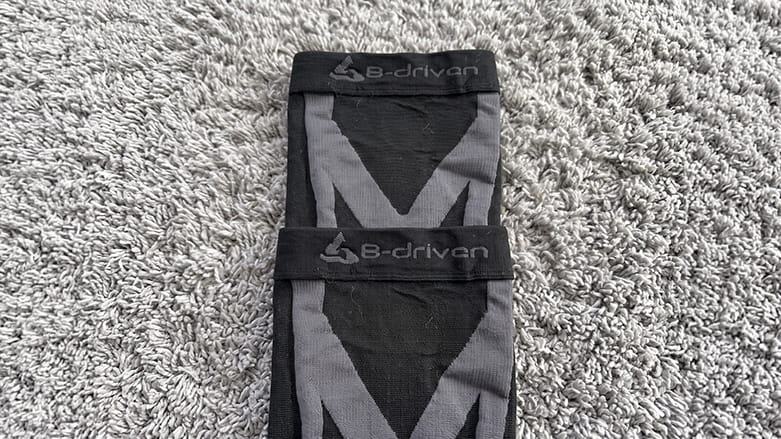
- Massage type: Graduated compression sleeve
- Coverage area: Thigh to ankle
- Weight: Unlisted
- Price range: Premium
B-Driven Sports is the most technical-feeling option here, with a stated graduated compression level of 20–30mmHg that increases pressure toward the ankle. That makes it a particularly strong choice for readers who want a more structured, medical-style fit for circulation, varicose veins, sport, or all-day support. It is also sold as a full-leg sleeve and comes in a wide size range, which helps it stand out as one of the more serious contenders for the best full-leg compression sleeves.
What we like is the precise graduated compression and the emphasis on full-leg coverage. That combination makes it feel more targeted than simpler calf sleeves, especially for active users who want support across the whole leg. What to consider is that this is likely the firmest-feeling sleeve in the group, so it may not appeal to readers who prefer a lighter, more casual fit.
Who it’s for: runners, sports users, and anyone looking for the best full-leg compression sleeves with a more medical-grade feel.
- Graduated 20–30mmHg compression
- Thigh-to-ankle coverage
- Wide size range
- Strong option for circulation-focused wear
- The more structured feel may not suit everyone
- Typically more expensive than simpler sleeves
- Less casual than lighter sports sleeves
Best leg compression sleeves compared
| Product | Compression level | Coverage | Material | Moisture wicking | Sizes | Price range |
| Copper Compression leg compression sleeve | Supportive compression sleeve; exact rating not clearly listed | Thigh, knee, and calf | Copper-infused stretch fabric | Yes | Multiple sizes; leg-specific fit | Mid-range |
| Rymora calf compression sleeves | 20–30mmHg | Calf | Compression knit: 54% nylon, 39% polyester, 7% elastane | Not clearly stated | Multiple calf sizes | Budget |
| Incrediwear leg sleeve | Non-compressive recovery sleeve | Full leg | 66% polyester, 24% nylon, 10% spandex | Yes | Sized by upper-thigh circumference | Premium |
| FLYTEX knee compression sleeves | Supportive compression sleeve; exact rating not clearly listed | Knee and upper leg | Compression fabric; exact blend not clearly listed | Not clearly stated | Multiple sizes based on thigh circumference | Mid-range |
| B-Driven Sports full leg compression sleeves | Graduated compression: 20–30mmHg | Thigh to ankle | Nylon, spandex | Not clearly stated | XS to 4XL | Premium |
What are leg compression sleeves?
Leg compression sleeves are elastic garments worn over the calves or up the leg to provide a snug, supportive fit during movement or rest. Many are designed with graduated compression, which means the pressure is typically firmer at one end and gradually eases along the sleeve to help create a more structured feel.
Unlike compression socks, sleeves usually leave the foot open, which makes them easier to pair with your own socks or shoes and can feel less restrictive for some users. People often wear them for running, gym sessions, recovery after exercise, long shifts, travel, or general comfort when they want extra support during the day.
Leg sleeves are especially popular with active people, runners, and sports enthusiasts who like the combination of coverage, breathability, and flexibility. In simple terms, leg compression sleeves are a practical, easy-to-wear option for people who want supportive leg wear without the full-foot coverage of compression socks.
How do compression sleeves work?
Compression sleeves work by applying firm, even pressure around the leg, with the tightest fit usually built into specific areas so the pressure feels supportive rather than random. That kind of graduated pressure can help the sleeve stay comfy, which in turn may make the leg feel more stable and controlled during movement.
In practical terms, that means less muscle wobble and less distracting vibration when you are running, training, or spending long hours on your feet. Compression sleeves also add a comfort layer by giving the leg a supported, “held-in” feeling that many people find reassuring during exercise and recovery.
Some users choose them for the potential circulation benefits associated with compression wear, especially when they want an easy way to support tired legs during the day. In short, the sleeve is believed to be doing three jobs at once: creating pressure, improving comfort, and helping the leg feel more supported during activity and rest.
Compression sleeves vs. compression socks: Which should you choose?
Compression sleeves and compression socks both offer a snug, supportive fit, but they suit different needs. Sleeves are better if you want open-foot flexibility, while socks make more sense if you want full coverage from the foot upward.
| Option | Coverage area | Best use case | Benefits |
| Compression sleeves | Calf or full leg, usually without the foot | Runners, gym users, and people who want easier pairing with their own socks | Flexible fit, easier to wear, more breathable for some users |
| Compression socks | Foot, ankle, calf, and sometimes higher up the leg | People who want full lower-leg coverage or more all-over support | Complete coverage, secure fit, simple all-in-one wear |
If you run often, train hard, or want something easy to pull on with your own footwear, sleeves are usually the more practical choice. If you prefer a fully enclosed lower-leg option, compression socks are the better fit.
What compression level should you choose?
Mild compression (8–15mmHg)
Mild compression is the lightest option and is usually best for tired legs, long periods of standing or sitting, and general comfort rather than strong support. It tends to feel easier to wear for longer stretches, so it can be a good starting point if you are new to compression sleeves.
The tradeoff is that it offers a less structured feel than higher levels, so it may not satisfy runners or active users who want a firmer hold. If your legs feel persistently swollen, painful, or unusual, professional guidance is sensible before relying on mild compression alone.
Moderate compression (15–20mmHg)
Moderate compression gives a noticeable step up in support while still staying comfortable for everyday use. It is often described as a sensible middle ground for active days, travel, and people who want more support without the firmness of medical-style garments.
The comfort compromise is that it can feel tighter than mild compression, especially if you are wearing it for many hours. If symptoms are ongoing or you have a medical condition affecting circulation, it is worth checking with a clinician about whether this level is appropriate.
Firm compression (20–30mmHg)
Firm compression is the most structured of the three and is commonly recommended for more serious support needs, including heavily fatigued legs and other circulation-focused use cases. It can feel less forgiving than lower levels, so accurate sizing becomes especially important.
That extra firmness is the tradeoff for the stronger, more supportive feel many users want from the best leg compression sleeves. Because higher compression can be less suitable for some people, professional guidance is a smart move if you have swelling, vein concerns, or a medical history that affects leg circulation.
Final verdict
Your best leg compression sleeve choice ultimately depends on your situation and needs, as there’s no one-size-fits-all approach when it comes to compression sleeves. That said, our overall pick is the Copper Compression leg compression sleeve, thanks to its flexible full-leg support and easy everyday wear. For buyers watching their budget, Rymora compression sleeves are the best-value choice, especially if you mainly want calf-focused support.
Runners should look closely at FLYTEX for knee-led training support or Copper Compression for a more versatile option. For circulation support and full-leg coverage, B-Driven Sports stands out with its graduated 20–30mmHg design. And if you’re after a less pressured, more comfortable feel, the Incrediwear leg sleeve is a great premium option. The key is choosing the sleeve that matches your main use case, not simply the one with the highest compression level or coverage.
Best leg compression sleeves FAQs
Yes, for many people, they do. They’re mainly used to make the leg feel more supported during activity and recovery, and that can translate into less fatigue and a more comfortable run or workout.
Yes, they can be. The snug fit may help encourage blood flow in the legs, which is why people often wear them for travel, long shifts, or when they’re on their feet for hours.
Yes, they may help some runners feel better. A calf sleeve can reduce that “shaky” feeling in the lower leg and add support during impact, but it won’t fix the underlying cause of persistent pain.
Usually, yes, as long as they fit properly and feel comfortable. That said, most people use them during the day rather than overnight, and they should never feel painfully tight or leave marks.
Yes, if they feel good on you. Many runners like the extra support, especially on longer runs or harder sessions. The best choice is one that stays put, breathes well, and doesn’t distract you mid-run.
4 resources
- National Center for Biotechnology Information. Compression garments and recovery from exercise-induced muscle damage: A meta-analysis
- Nature Scientific Reports. Compression-induced improvements in post-exercise recovery are associated with enhanced blood flow, and are not due to the placebo effect
- Science Direct European Journal of Vascular and Endovascular Surgery. Systematic review and meta-analysis of utility of graduated compression stockings in prevention of post-thrombotic syndrome
- National Center for Biotechnology Information. Putting the squeeze on compression garments: Current evidence and recommendations for future research: A systematic scoping review