Best TENS units for foot neuropathy

We've put a wide range of TENS devices for foot neuropathy through real-world testing—here are our top picks for at-home use
The general idea behind TENS is that it may block pain signals on their way to the brain, while also potentially encouraging the body to release its own natural pain-relieving chemicals, called endorphins. While TENS won't reverse nerve damage or treat the underlying cause of your neuropathy, it may help dull the pain for some people.
We spent a couple of weeks using TENS units the way you would at home, adjusting intensity and seeing which device felt intuitive enough to use regularly. We paid attention to pad sizing, comfort on the foot specifically, and whether each device offered enough flexibility without overcomplicating things. Here are our top picks.
Quick overview
- Oxiline – Wareable’s top choice for a TENS unit
- iReliev – broadest intensity levels range
- FANNTAKO – TENS + EMS + foot massager in one device
- Comfytemp – cordless option
How we evaluated these TENS units
Rather than relying on spec sheets, we spent a couple of weeks using these devices to understand where each one shines and where it falls short.
We checked whether the pads included were sized appropriately for a foot (versus back or shoulder), neither too big nor too small. We also looked at how easy each device was to set up. From there, we ran through the available modes, programs, and intensities to find items that offered enough adjustability without becoming too overwhelming or hard to operate.
Finally, we tracked battery life and how well the adhesive pads held up over repeated use, and compared this information with what the brand claims.
As with all our buyer's guides, we only included devices that our team approved of after testing.
Oxiline TENS XS Pro: Our favorite TENS unit
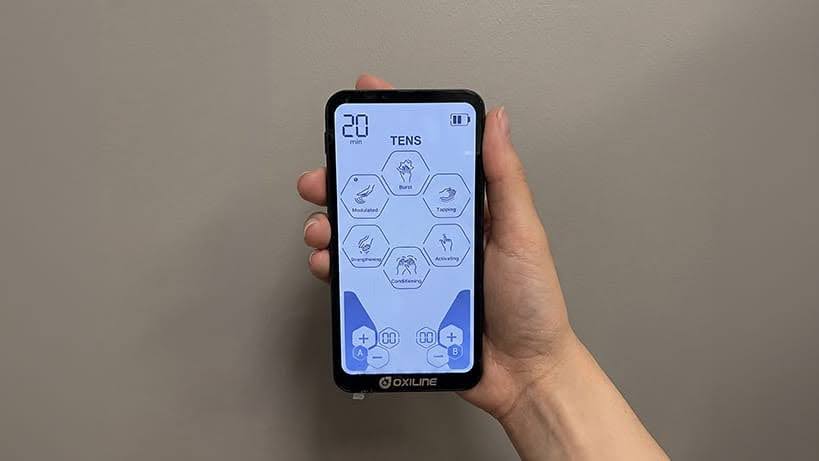
- Preset programs: 24 therapy modes, 10 intensity levels
- Additional technologies: Electrical muscle stimulation (EMS)
- Battery type: Rechargeable
- Control: Via touch screen
- Price: Mid-range
Oxiline TENS XS Pro won't reinvent what a wired TENS unit can do, but our team was impressed with how well it executes the basics. The touchscreen interface makes it approachable even if you've never used electrical stimulation therapy before, and having 24 programs across TENS and EMS categories can give you enough flexibility without feeling overwhelming.
Most of all, our team liked the electrode pad quality—the smaller pad size handled the contours of the foot well, and they held their conductivity through weeks of testing without irritating skin.
It costs more than several competitors, but the dual-channel control, program variety, and pad quality make a reasonable case for the price, especially since Oxiline products have a lifetime warranty—making this product the best long-term investment from this list.
- Includes EMS as well
- Lifetime warranty
- FDA-cleared device
- Easy-to-navigate touchscreen interface
- Versatile applications
- Pads will need to be replaced eventually
iReliev TENS + EMS Pain Relief & Recovery System: The broadest range of intensity levels on this list
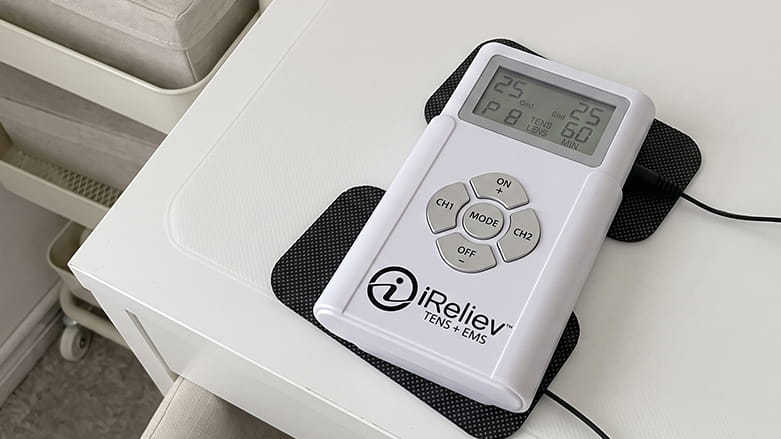
- Preset programs: 14 modes, 25 intensity levels
- Additional technologies: Electrical muscle stimulation (EMS)
- Battery type: 3 AAA batteries
- Control: Via buttons on the device
- Price: Mid-range
Where iReliev really stands out is intensity control: 25 adjustable levels, more granularity than anything else in this list. That extra range may make it easier to find your sweet spot, rather than landing somewhere between too weak or too strong, which was highlighted by several of our team members.
It also runs 14 preset programs that may help with general acute and chronic pain, though none are specifically designed for foot neuropathy pain. Because it integrates EMS, you also get programs like warm-up and endurance, which are said to be more geared toward active recovery than nerve pain management, so they're a nice bonus rather than the main draw here.
Where it falls short of the Oxiline TENS XS Pro is durability and backing—a one-year warranty compared to Oxiline's lifetime coverage, and a build that felt a bit less refined overall. That's the main reason it lands lower on our list, though functionally, the two devices aren't far apart. Being slightly cheaper than Oxiline as well, it may also appeal to you if you are more budget-conscious.
- Includes EMS as well
- Easy to operate
- Versatile applications
- Pads will need to be replaced eventually
- Uses AAA batteries instead of being rechargeable
FANNTAKO: All-in-one device
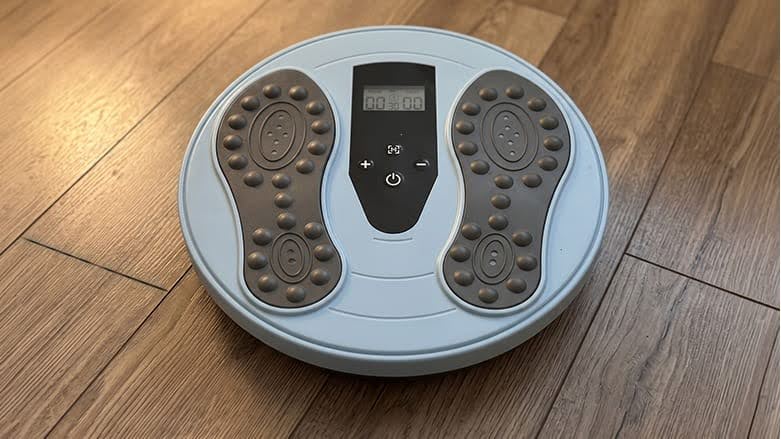
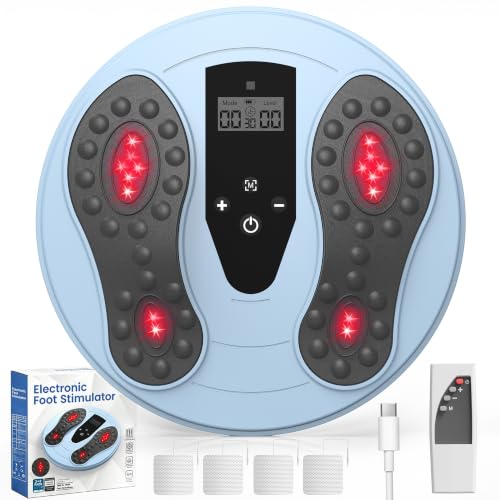
- Preset programs: 10 modes, 20 intensity levels
- Additional technologies: EMS, EPT, red light therapy
- Battery type: Rechargeable
- Control: Via the display on the device
- Price: Budget-friendly
If you want to get the most out of a TENS unit, FANNTAKO offers more functionality than other products on the list. It includes TENS, EMS, red light therapy, and massage functionality in one easy-to-use device.
Instead of a usual pad, you rest both bare feet directly on the built-in plates, which are shaped to follow your foot's natural arch. Our team appreciated that you don't need to fuss with placement or worry about pad positioning every session.
Among all the reviewed products, this one felt most relaxing and suited well in the evening routine.
However, it is a large device, not something portable like regular TENS units. Additionally, the Amazon listing shows only a handful of reviews so far, so it's hard to say how this holds up over months of regular use compared to more established brands.
- Includes EMS as well
- Features red light therapy
- Massage-like sensation
- Not portable
- Lacks online reviews
Comfytemp: Wireless option
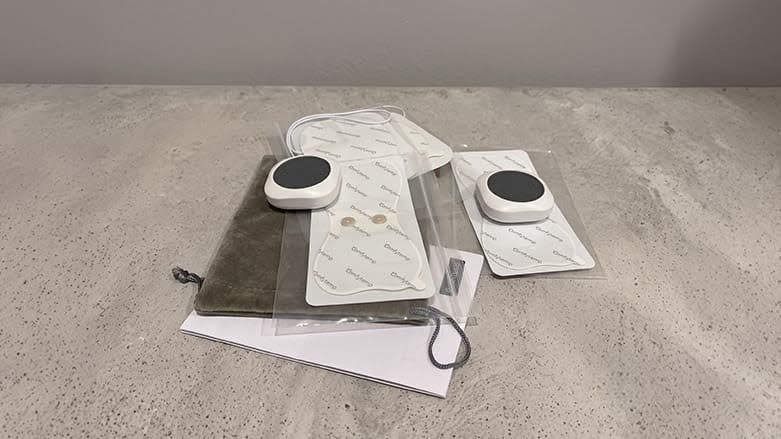
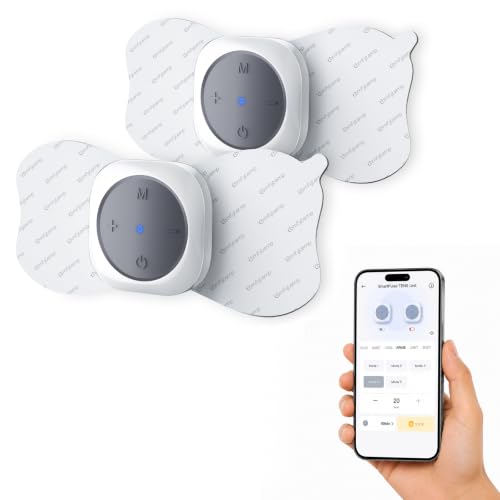
- Preset programs: 30 modes, 20 intensity levels
- Additional technologies: None
- Battery type: Rechargeable
- Control: Via an app
- Price: Budget-friendly
Comfytemp is fully wireless and app-controlled—and our team found it easy to use on the feet, as well as other areas. The app has an intuitive design: it prompts you to select the body part you're targeting, so you're not stuck scrolling through all 30 modes to find what's relevant for you.
The pads also held up well over time. Comfytemp says they're good for over 60 uses, and that lined up with what we saw in our own testing.
The device itself is pretty basic: you won't find any extras like the EMS technology. For foot neuropathy, that's not necessarily a dealbreaker, since EMS is more geared toward muscle recovery than nerve-related discomfort anyway.
While the battery is rechargeable and will suit those who don't want to rely on external batteries, it doesn't last long. The brand doesn't specify the expected battery life, but in our testing, it lasted anywhere from one to three days. However, charging is quick, taking our team only about an hour to fully recharge the battery.
- Long-lasting pads
- Wireless
- Pads will need to be replaced eventually
- Basic functionality only
What is foot neuropathy?
Foot neuropathy refers to nerve dysfunction that affects the feet and can cause a range of sensations, including burning, tingling, numbness, and sharp, shooting pain. It may also produce unusual feelings, including the perception of wearing socks when your feet are bare. Symptoms can vary widely between individuals, so it is crucial to discuss any of these sensations with your healthcare provider for a proper diagnosis.
Neuropathy is commonly associated with diabetes (diabetic peripheral neuropathy), but it can also result from nutritional deficiencies, alcohol use, nerve injuries, bacterial and viral infections, and autoimmune diseases, among other causes.
Because various conditions can cause it, your healthcare provider will focus on the underlying cause first and provide additional therapies to alleviate the pain. If you haven't had your foot pain evaluated, that's the right first step before trying any at-home device.
How can a TENS unit fit into neuropathy management?
A TENS unit may be a suitable tool in managing foot neuropathy symptoms, as long as you receive confirmation from your healthcare provider that it is an option for you.
TENS units send low-voltage electrical pulses through pads placed on the skin. The prevailing theory is that these pulses may interrupt pain signals before they reach the brain, and may also encourage the release of endorphins, the body's own pain-relieving chemicals.
For neuropathy specifically, research is mixed, and results vary. Some studies point to short-term relief for peripheral neuropathy, while others show little to no effect. Again, these studies looked at TENS, and how it may help with pain—even if helpful for you, it won’t treat the underlying condition.
Where can you place TENS pads for foot neuropathy?
Placement varies by device, so always check the manufacturer's instructions first.
The pads are generally placed on the surrounding area of the painful zone instead of putting them straight on top of it. Do not place the pads on wounds or bony areas without padding.
If you have reduced sensation in your feet, which is common with diabetic neuropathy, it's especially important to have your healthcare provider confirm the placement is appropriate, since you may not be able to reliably feel whether the intensity is too high.
Before each session, make sure that the skin is clean, dry, and free of cuts, blisters, or irritation. Start at the lowest intensity and increase gradually. If you notice redness or irritation, stop using the TENS unit and check in with your healthcare provider.
TENS vs EMS: What's the difference?
TENS targets nerves, while EMS (electrical muscle stimulation) targets muscles. In practice, they both use sticky electrode pads and deliver electrical impulses, but EMS contracts the muscle, while TENS doesn’t.
EMS is sometimes used in rehabilitation to maintain muscle mass after injury or surgery. Since it targets the muscle, it has been studied less extensively than TENS for neuropathic symptoms. In one study, however, EMS was suggested to be beneficial in reducing paresthesia, pain, and numbness in patients with type 2 diabetes.
TENS and EMS may be used together—in fact, many devices offer both, including Oxiline, iReliev, and FANNTAKO from our list.
Your healthcare provider can help you determine whether TENS or EMS is more suitable for your case.
Who should avoid using a TENS unit?
For most healthy adults, TENS is considered safe when used as the manufacturer directs.
Side effects tend to be mild and short-lived—some people notice slight redness where the pads sat, a bit of muscle twitching during a session, or temporary sensitivity in the treated area.
That said, TENS isn’t the right fit for everybody. It may not be suitable for you if you have a pacemaker or other implanted electrical device, are pregnant, have cancer, or have epilepsy. Moreover, TENS should not be used on open wounds or active diabetic foot ulcers.
If you have reduced sensation in your feet, which can occur with neuropathy, check with your healthcare provider before using TENS. Because you may not feel excessive stimulation or early signs of skin irritation, you could unintentionally set the intensity too high and cause skin problems.
If you have an underlying medical condition or are unsure whether TENS is safe for you, talk to your healthcare provider before using it.
Other recovery and wellness guides:
Best wireless TENS units: If you prefer cordless options, check out our recommended devices
Best vagus nerve stimulators: Find out about neuromodulation and what benefits it may have
Best red light therapy devices for pain: Learn more about red light therapy and find out our top picks
Final thoughts
Oxiline TENS XS Pro remains our top pick in the category: the touchscreen interface, dual-channel control, and durable pads make it the most well-rounded option, and the lifetime warranty gives it an edge if you're thinking long-term. If price matters more to you, the iReliev system offers nearly the same versatility for less, though you'll be trading down on warranty coverage and overall build quality.
If you'd rather skip pad placement altogether, FANNTAKO's all-in-one footplate design is worth a look, especially if the added red light therapy or massage-like sensation appeals to you. Just know it's bulkier than a standard unit and newer to the market, so there's less of a track record to go on yet. And if wireless, app-controlled simplicity is your priority, Comfytemp handles the basics well, even without extras like EMS.
Whichever device you end up choosing, a TENS unit should be used as a complement to guidance from your healthcare provider, not a replacement for it.
FAQs
Is TENS suitable for diabetic neuropathy?
Yes, it may be if you are seeking options to complement your current pain management plan. Some studies suggest short-term pain dulling, though evidence is mixed. Keep in mind that even if helpful, TENS may only be used as a tool to reduce pain, as it can’t treat the underlying condition. On top of that, you should talk to your healthcare provider to check if it’s the right option for you.
Can TENS help numb feet?
No, numbness itself is a sign of nerve dysfunction, and TENS isn't designed to reverse that. Where TENS may help is with the burning or tingling pain that often accompanies numbness in neuropathy. If you feel numbness anywhere in your body, you should talk to your doctor to check the reason behind it.
Where should TENS pads be placed on the feet?
Placement depends on the device and the area of your pain, so always follow the manufacturer's instructions. In general, pads go around the affected area rather than directly on it, for example, on either side of the arch or around the ankle, and should avoid open wounds, numb patches, or bony areas without padding.
-
Diabetes Research and Clinical Practice.
Effect of transcutaneous electrical nerve stimulation on symptomatic diabetic peripheral neuropathy: a meta-analysis of randomized controlled trials
-
Cochrane Database of Systematic Reviews.
Transcutaneous electrical nerve stimulation (TENS) for neuropathic pain in adults
-
Pain Medicine.
External Electric Muscle Stimulation Improves Burning Sensations and Sleeping Disturbances in Patients with Type 2 Diabetes and Symptomatic Neuropathy
-
Medicina (Kaunas).
Using TENS for Pain Control: Update on the State of the Evidence
-
The Journal of Pain.
Transcutaneous electrical nerve stimulation: Basic science mechanisms and clinical effectiveness