How we test products: From buying guides to reviews


Researching and testing products is at the core of Wareable's mission. Our team dedicated considerable time to evaluating devices and sharing our findings with readers.
Every device is unique, and so our testing processes vary by category. This guide explains how we select products for review, research their technology and claims, conduct hands-on testing, and bring our findings together for our articles.
Our testing process
At Wareable, we have been testing a wide range of products since 2014. Our scope has since expanded from smartwatches to other wearable and non-wearable health tech devices.
Here is an overview of the general process we follow when evaluating products:
- Selecting products for testing. Our team monitors market developments to identify emerging trends, popular products, and what real-world consumers are most interested in. We follow new product launches, as well as assess which devices are relevant and worth testing.
- Researching the products we test. Before a product arrives, our research team examines the technology behind it, including its specifications, relevant studies, and the manufacturer’s claims. We also review online discussions to identify any recurring issues and user experiences.
- Hands-on testing. Testing periods and criteria depend on the tester’s experience and the product category. We typically spend at least a week evaluating a device, although some products, such as sleep trackers and hair loss devices, require a month or longer to assess trends, consistency, and potential long-term benefits. Often, several experts test the same device at different times, allowing us to compare experiences and deliver more in-depth reviews.
- Evaluating and comparing products. Deciding which products deserve a recommendation is one of the most important stages of our review process. Once testing is complete, we bring together feedback from the Wareable team, identify the main advantages and limitations, and compare the device with competing products. We also consider which users are most likely to benefit from its features. Products that perform well in these assessments may appear in our best product guides.
What do we look at and why?
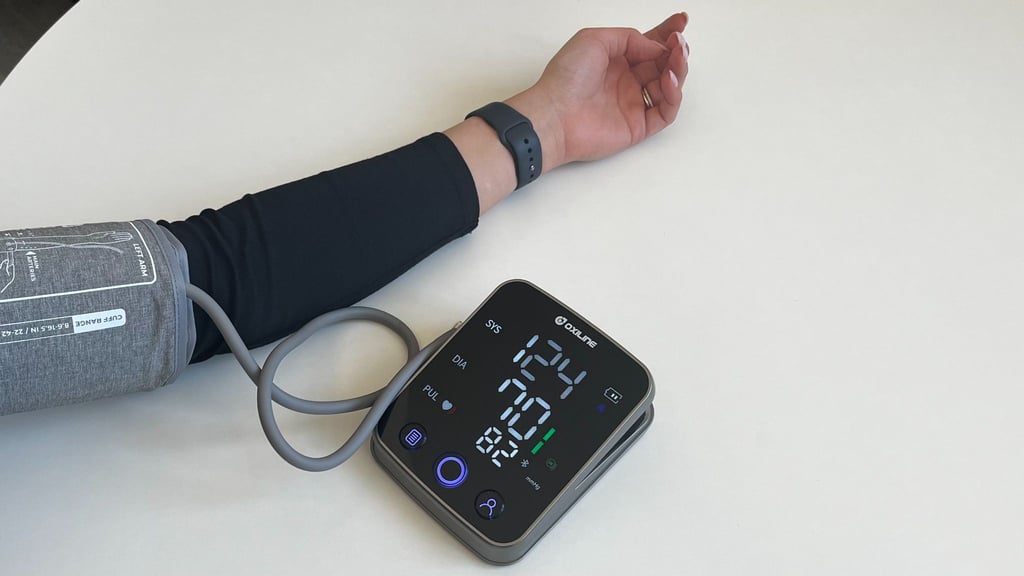
Usability
Usability is a central part of our testing. While some features can be measured objectively, the way a product feels and fits into everyday life often comes down to personal experience.
We look at the whole user experience, including:
- Unboxing and setup
- Materials, size, and comfort
- App interface and how clearly it presents data and features
- Settings, maintenance, and sessions
- How it fits into a daily routine
We gather feedback from multiple Wareable testers and consider customer reviews to account for different preferences. This helps us provide a balanced assessment of a product’s usability and who might find it suitable.
Brand transparency and safety
We also consider the brand behind the product. While this doesn’t automatically determine our verdict, transparency is particularly relevant when evaluating health tech devices.
We examine the brand’s background, how it positions the product, and whether its claims are supported by credible evidence. Our checks include
- Clear product specifications
- Relevant certifications or regulatory clearances
- Safety instructions
- Contraindications and warnings
- Information about the limitations of the technology
Customer support, warranty terms, and return policies can also influence the overall ownership experience, particularly when a device is expensive. Bold marketing claims alone aren’t enough—we want to help readers understand what they’re buying.
Effectiveness and scientific validity
Evaluating whether a product delivers its advertised benefits is a key part of our testing process. A device may feel helpful during hands-on testing, but this doesn’t necessarily mean it delivers the benefits claimed by the manufacturer.
For this reason, we consider both our practical experience and the available scientific evidence. Depending on the technology, this may include systematic reviews and meta-analysis, randomized controller trials, and other relevant studies. We prioritize research quality, its relevance to the product and intended use, and the strength of the findings.
However, research into a general technology doesn’t necessarily establish that the specific device we’re testing will deliver the same results. Individual circumstances, consistency of use, and the condition being addressed may all affect outcomes.
Our testing periods may be too short to establish longer-term effects, and some products target conditions that our testers don’t have, such as hearing loss or thinning hair. We make these limitations clear and link to the research we reference so readers can explore the evidence themselves.
Overall value
Finally, we consider whether a product offers good value for its price. We look at:
- Features and performance
- Ease of use
- Ongoing costs
- Reliability and durability
- How it compares with alternatives
We also try to imagine who is most likely to benefit from a product and whether a cheaper or simpler alternative might be more suitable. Our verdicts reflect our hands-on experience and assessment of the available evidence—not just the brand's claims.
How we test different product categories
As the range of products we cover at Wareable continues to grow, our testing methods evolve alongside it.
The specific criteria and testing periods depend on the product category and, in some cases, the tester’s schedule. Some devices require months of regular use to assess, while others give us a good indication of their usability after just a few days.
To keep our reviews as consistent and useful as possible, we apply category-specific criteria based on how each product works, what it claims to offer, and what consumers need to know before buying. There are always exceptions, but the following sections outline our general approach.
Fitness trackers
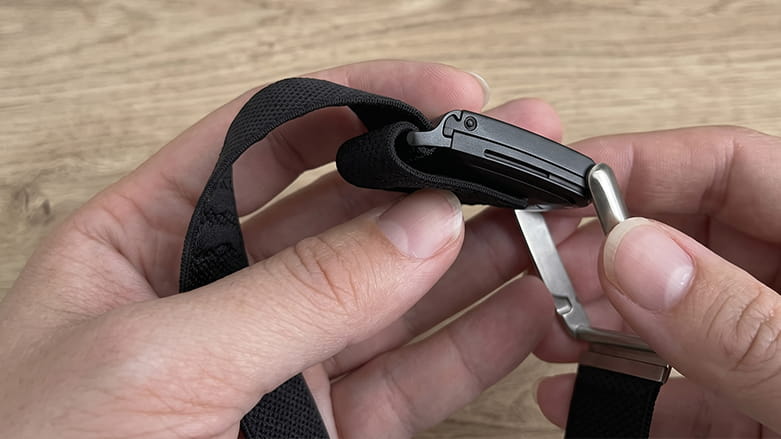
Fitness trackers are where Wareable began, and they remain a core part of our coverage. We started by testing smartwatches and exploring emerging wearable technologies. This has developed into years of experience evaluating and comparing products across different categories.
Our coverage includes fitness bands, smartwatches, smart rings, heart rate monitors, and chest straps. Each is assessed according to its intended use and key features.
Fitness trackers are relatively easy to incorporate into everyday routines. We can wear them throughout the day and assess their performance during workouts or sleep, sometimes over several months or even years. Extended use provides further insights into tracking performance, comfort, and reliability.
Our assessment typically covers:
- Heart rate accuracy
- Workout tracking
- Sleep tracking
- Health tracking
- Display quality and comfort
- Companion app
- Everyday experience
- Available features (like GPS, digital wallets, etc.)
- Battery life
We compare readings against benchmarks from gold-standard reference devices. However, our goal is to understand how reliable the measurements appear in everyday use, not to treat a consumer wearable as a medical device.
- Read more about how we test fitness trackers
Red light therapy and infrared devices
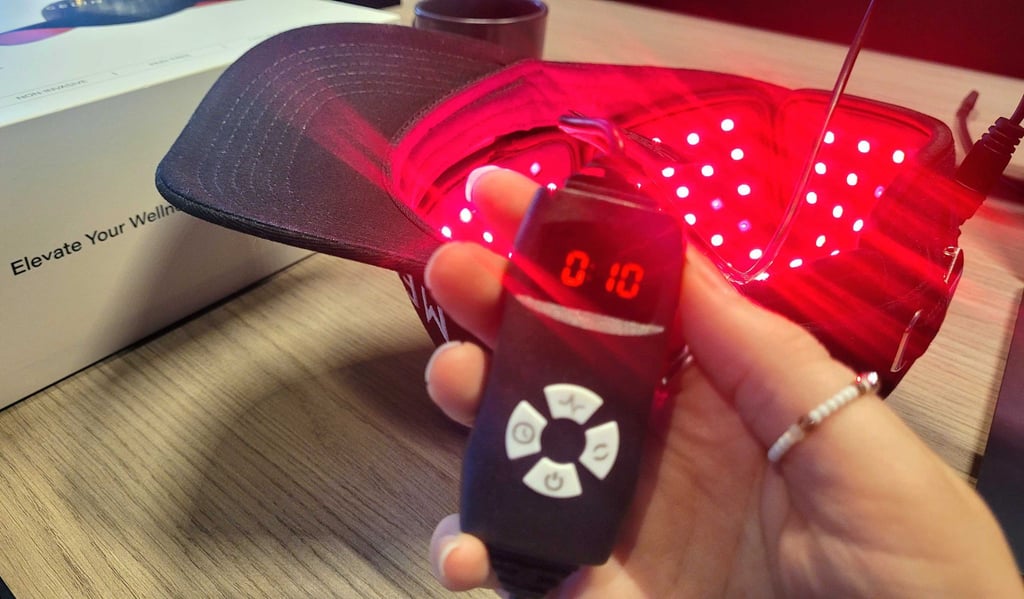
Red light therapy (RLT) and infrared devices require additional research alongside hands-on testing.
We examine technical specifications like wavelengths, irradiance (power per unit area), coverage area, and the type of light used. We also look at whether these details are clearly disclosed and the brand's claims align with the available scientific evidence. The potential benefits of RLT devices often depend on factors that cannot be judged by appearance alone, and results may take weeks or months to become noticeable.
This category includes products such as RLT masks, wands, mouthpieces, caps and helmets, panels, mats, and pads, alongside infrared blankets and saunas.
During testing, we focus on:
- Design (size, materials, and comfort)
- Setup and any required extras
- Session length and frequency (how easy is it to stick to a routine)
- Contraindications and regulatory clearances
- Our experts’ reported experiences and available scientific evidence
Our hands-on observations provide insight into the user experience, but they don’t establish effectiveness or guarantee the results others might achieve.
- Read more about how we test red light therapy devices
TENS units
TENS devices have gradually become an important part of our coverage. We’ve tested a variety of units, including wired and wireless models, as well as devices that combine TENS and EMS.
We begin by examining what the technology is designed to do, then assess setup, controls, intensity levels, and safe use. Electrode placement and everyday convenience matter, too.
We typically focus on:
- Available scientific evidence in relation to brand claims
- Contraindications and regulatory clearances
- Comfort and intensity of stimulation
- Ease of use and setup
Since pain is highly individual, we consider both our hands-on experience and the available studies. A tester's response doesn't mean other users will experience the same benefits, so we distinguish personal impressions from evidence of effectiveness.
Vagus nerve stimulation
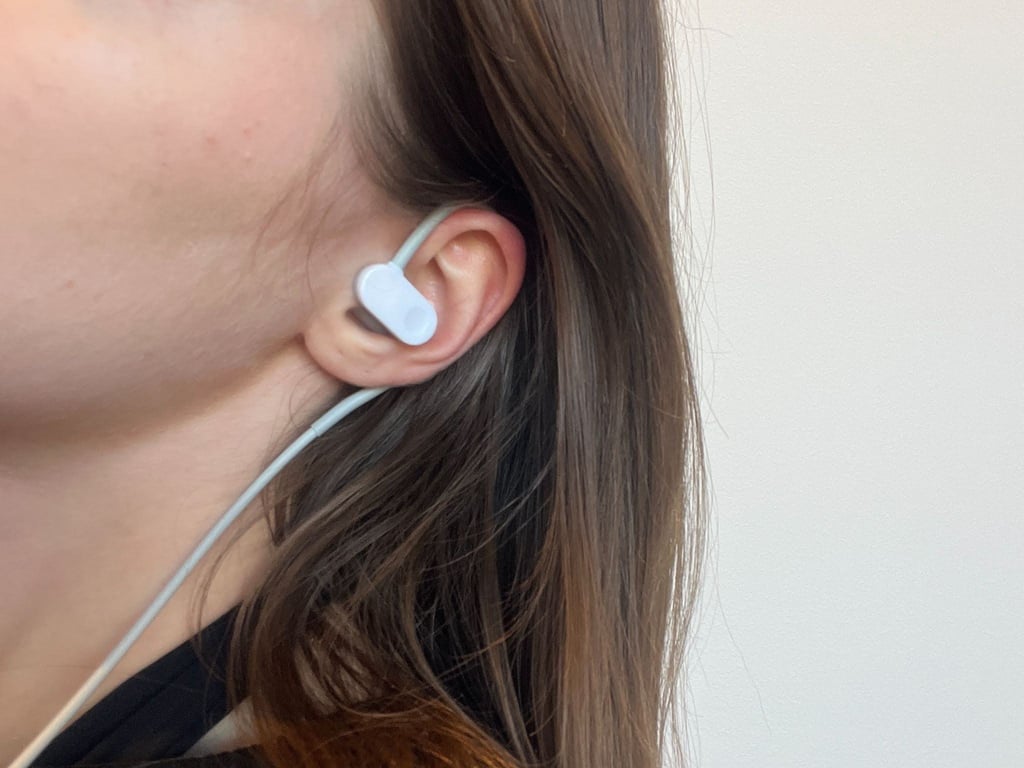
Vagus nerve stimulation (VNS) devices are a relatively new and interesting category at Wareable. These products often come with claims that can be difficult to measure and may require longer testing periods for a more complete assessment.
As reflected in our VNS reviews and buying guides, testing periods can vary considerably, ranging from an initial week of use to several months of intermittent testing. Our experts’ experiences can also differ, as responses to electrical stimulation are personal and not everyone enjoys it.
Generally, we assess:
- Intended use and available evidence
- Use experience and the sensation of electrical stimulation
- Battery life, charging, and portability
- Available programs, settings, and extras
- App experience
Smart glasses
Smart glasses have been part of Wareable’s coverage for some time, but the category has expanded considerably over the last couple of years. Products vary widely in their capabilities: some focus on audio, cameras, and AI assistants, while others include built-in displays for more immersive experiences.
Our testing approach therefore depends on the intended function of each pair. We look at how comfortable they are to wear throughout the day, how easily they integrate into daily life, how well their smart features perform, and whether they offer practical benefits beyond a regular pair of glasses.
We usually look at:
- Design (comfort, weight, fit, appearance, prescription lens options)
- Camera and audio performance
- Available smart features and AI integration
- Smartphone compatibility and app experience
- Battery life
- Privacy features
Since features can vary considerably between models, we focus on what each pair does best and where it falls short. For smart glasses, everyday usability and value for money are among the main considerations when evaluating smart glasses.
XR, AR, and VR devices
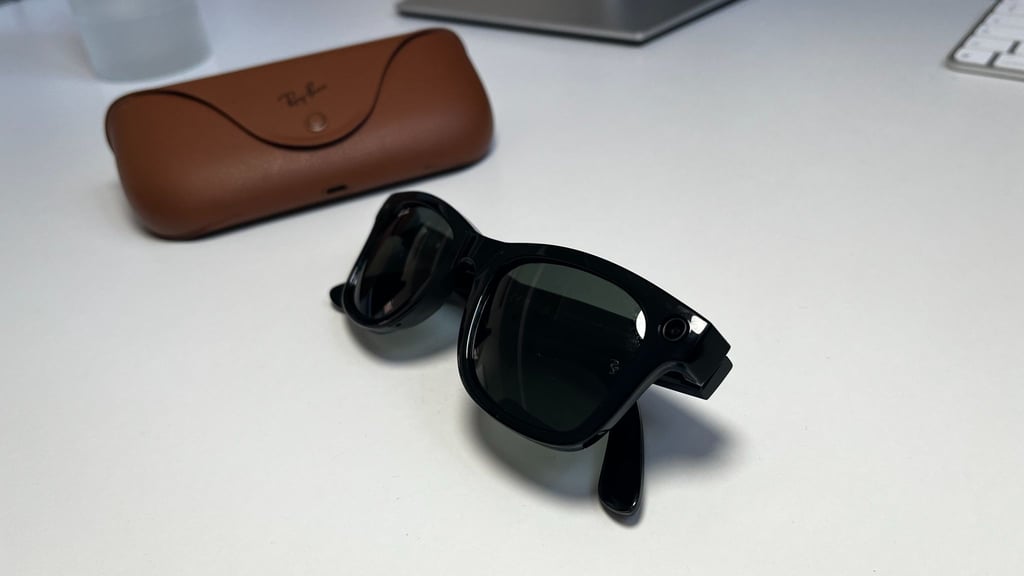
Extended reality (XR), augmented reality (AR), and virtual reality (VR) devices are another area of interest for us, particularly as the technology continues to develop.
Although some overlap with smart glasses, these products generally offer a more immersive visual experience. This may involve a virtual screen, adding digital elements to the user’s surroundings, or creating an entirely new environment.
Because the technology and intended use can differ, we tailor our testing to the type of device. Our testing generally includes:
- Display quality (resolution, brightness, and field of view)
- Visual clarity, refresh rate, and spatial positioning
- Comfort and design
- Software experience and compatibility
- Battery life
- Available controls and accessories
For display glasses, we pay particular attention to how convincing the virtual screen looks and whether the experience works well for watching content, gaming, or productivity. Meanwhile, for VR and more advanced AR devices, we consider the level of immersion, motion comfort, and how hardware and software work together.
Other wellness products
As we expand the products and topics we cover, some devices don’t fit neatly into the categories discussed above. These may include products like over-the-counter hearing aids, vibration plates, sleeping earbuds, compression sleeves, massage boots, smart scales, PEMF mats, and more.
We begin by examining a product’s intended purpose and the manufacturer’s explanation of how and when users might notice benefits. We then assess its practical use, including setup, session structure, portability, and our initial impressions. If the product has a companion app, we evaluate that experience as well.
The specific criteria depend on the product.
For instance, when testing over-the-counter hearing aids, we assess comfort, battery life, charging, and sound amplification quality. However, our ability to assess their potential benefits for hearing support is limited, as our testers don’t have diagnosed hearing loss. We make these limitations clear in our reviews.
Smart scales, on the other hand, are a lot easier to test. We track measurements over several weeks and consider whether the app’s recommendations support healthy habits. While we can’t compare smart scales directly with DEXA scans, we usually compare measurements with those from other body composition devices. This doesn’t, however, establish their accuracy.
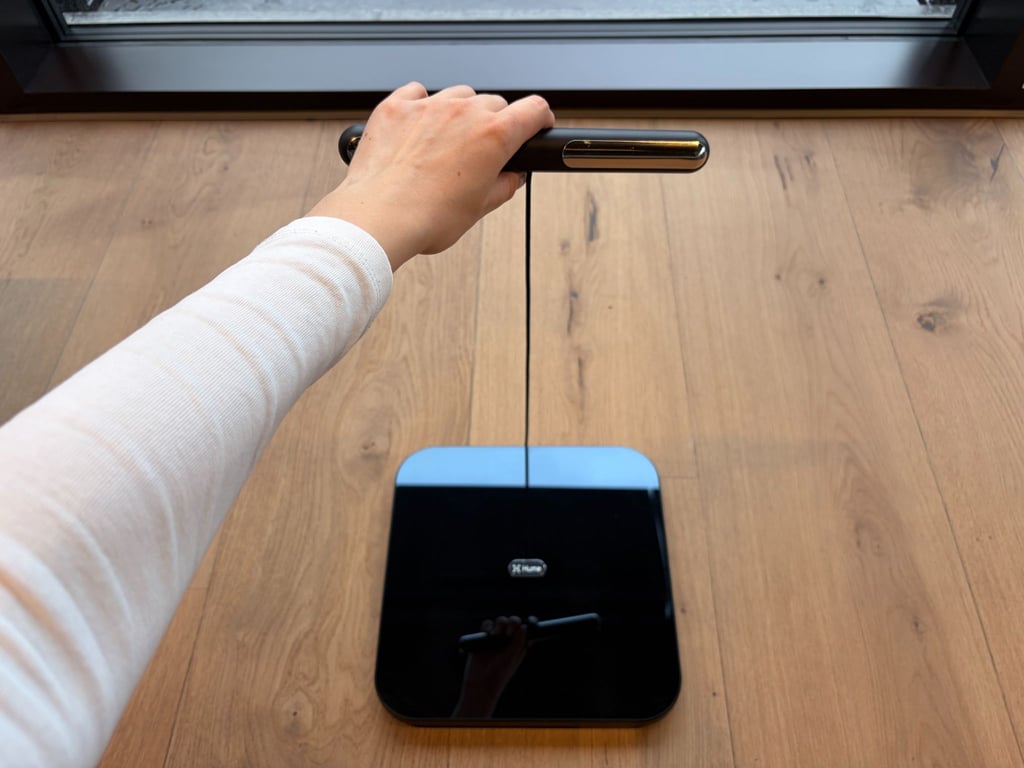
Overall, for products without a dedicated testing category, we assess their main features, comfort, usability, and the available scientific evidence. We compare our experiences and findings with each other and available resources to help readers understand what a product offers, while being clear about what we can’t conclude from our testing.
Keeping our reviews up to date
We periodically revisit our buying guides to update lineups and, where necessary, adjust our recommendations. Revisiting individual reviews is less common, but it may happen when new information or developments warrant an update.
The market continues to evolve, with new devices entering the market and smaller brands attracting our attention. If a product stands out during our research and testing, we may add it to one of our buying guides. We therefore encourage readers to check back for new recommendations and updates.
Software developments can also affect our assessments. Updating an app is often easier than releasing new hardware, and these changes may improve usability or, in some cases, make the experience worse.
Finally, some products need longer-term testing than we can complete before publishing a review. We may revisit an article later to share additional findings or experiences gained through continued use.
A note on transparency
Wareable’s recommendations are based on our research, hands-on testing, and assessment of each product. We may earn commissions when readers buy through links in our articles, which helps support our work. However, commercial relationships are separate from our editorial assessments.
We sometimes receive products directly from manufacturers for testing. Receiving a review sample doesn’t, in itself, determine our verdict or guarantee a positive recommendation. We also occasionally publish sponsored content, which is separate from our independent editorial coverage and clearly identified as promotional.
We aim to be transparent about these relationships and the content we publish. Our goal is to share evidence-based assessments and give readers the information they need to make well-informed purchasing decisions.
Wareable experts




Our team may be small, but we’re fully dedicated to Wareable’s mission. We’re based in London and Vilnius, and while we all research and cover a range of topics, some areas are more closely aligned with certain team members’ experience and interests than others.
We encourage you to meet our team, explore their credentials and hobbies, and read some of their reviews.