How we test fitness trackers


Every wearable serves a distinct purpose—from tracking marathon training and active recovery to passive health monitoring and sleep tracking.
To deliver rigorous, fair analysis, Wareable evaluates every device against benchmarks from gold-standard reference devices.
We put tracking features through daily routines, structured workouts, and overnight monitoring to assess data accuracy, ergonomic comfort, and long-term usability.
Beyond the data and graphs, we also scrutinize companion apps, feature utility, paywalled subscription models, and overall value to showcase the best possible products in our definitive buying guides, such as best fitness trackers and best smartwatches.
How we choose the fitness trackers we test
Our coverage prioritizes devices with the biggest market impact and direct relevance to our readers—ranging from flagship releases by industry leaders to disruptive hardware from emerging brands.
Whether a product introduces novel tracking features, advanced recovery insights, or specialized sport profiles, our team evaluates the trackers that meaningfully shape the wearable landscape.
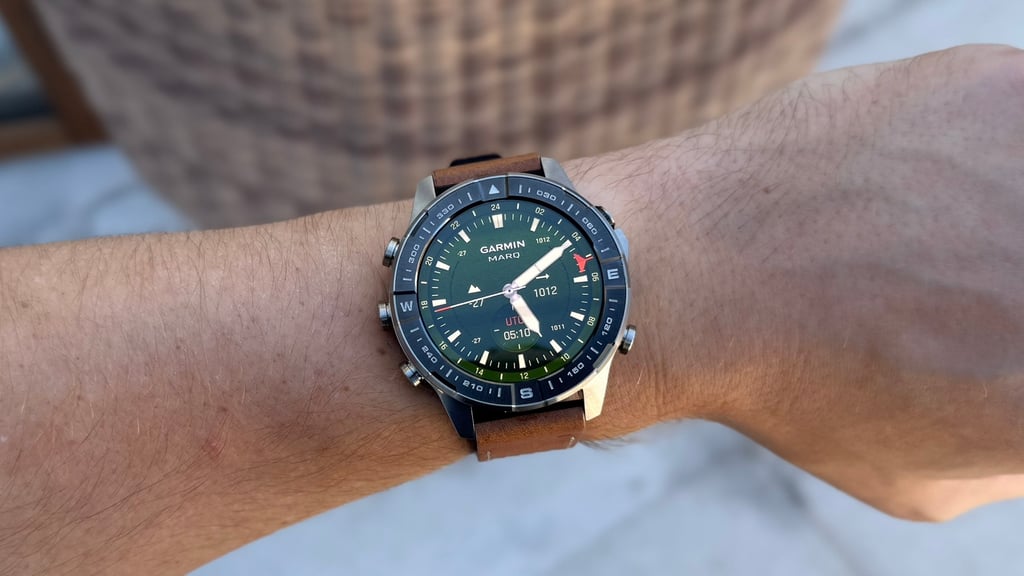
Since we can’t test every tracker out there, we focus on devices that matter to our readers and are worth checking out. Our goal is to show you how each product works in everyday life, not just what the specs say.
What devices do we test for fitness tracking?
We test a variety of wearables, from basic activity bands to advanced trackers that monitor workouts, sleep, and health trends:
- Fitness bands are lightweight trackers for everyday use. They focus on tracking activity, heart rate, sleep, and battery life.
- Smartwatches offer more features than basic trackers. They combine fitness tracking with GPS, workout tools, notifications, and other smart functions.
- Smart rings are small and compact. They usually track sleep, recovery, activity, and other health trends.
- Heart rate monitors and chest straps are made to measure your heart rate during exercise. We also use them to check how accurate other trackers are.
What we focus on while testing fitness trackers
Specs tell you what a fitness tracker should do, but real-life use shows what it’s really like.
We wear each device during daily activities, walks, runs, workouts, and, if needed, during sleep to assess how easy it is to set up, how comfortable it feels, and whether its features are reliable.
Here are the main things we focus on when testing fitness trackers.
Heart rate accuracy
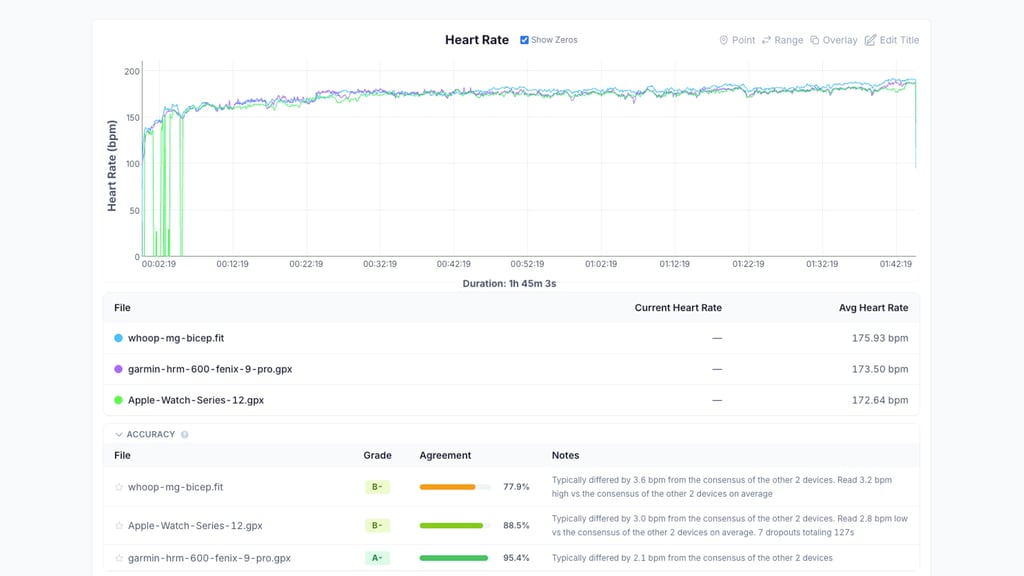
We analyze heart rate tracking responsiveness across a range of different intensities, including everything from steady-state cardio to the rapid transitions in interval training. We also run these tests across a variety of workout types, including indoor and outdoor running, cycling, gym workouts, and sports.
To assess data integrity, we benchmark sensors against industry-leading ECG chest straps, monitoring for signal lag, artificial spikes, or tracking drop-offs during high-motion exercises
GPS accuracy
For trackers with built-in GPS, we monitor satellite acquisition speed, route mapping precision, and distance metrics.
We test trackers across varied terrain—including open spaces, dense tree cover, and urban environments—and benchmark GPS performance against industry-leading dual-frequency sports watches or measured routes.

Workout tracking
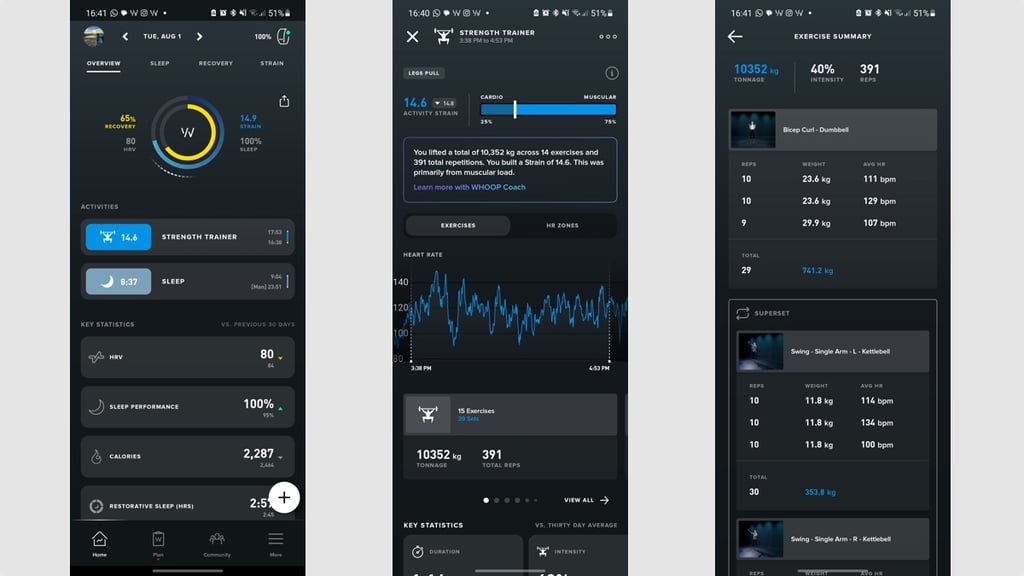
We check how well each tracker records workouts, from basic activity stats to more detailed training info. Depending on the device, this might include pace, distance, calories burned, workout time, and automatic activity detection. We also check whether the right workout type is chosen and whether the data is easy to review later.
Sleep tracking
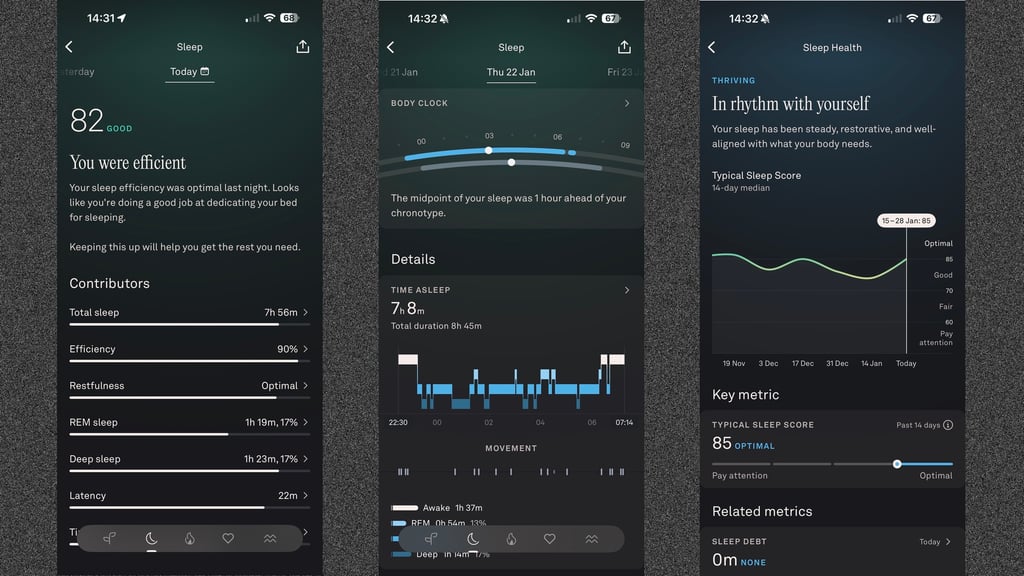
Since consumer wearables use biometric algorithms rather than clinical polysomnography to estimate sleep stages and quality, we focus on baseline consistency and long-term trend analysis rather than focusing too heavily on single-night data.
Health tracking
Many trackers also estimate biometrics like resting heart rate, heart rate variability (HRV), blood oxygen, and skin temperature. We check how consistent these measurements are and compare them to trusted reference devices or other good references when we can. However, we never treat readings as medical advice or a replacement for clinical tests.

Battery life
We track how long a device lasts between charges, considering usage of features like GPS, continuous heart rate tracking, and lots of notifications. When possible, we test it with heavy use and during a normal routine. This helps us analyze if the battery can handle how people actually use the tracker.

Companion app and everyday experience
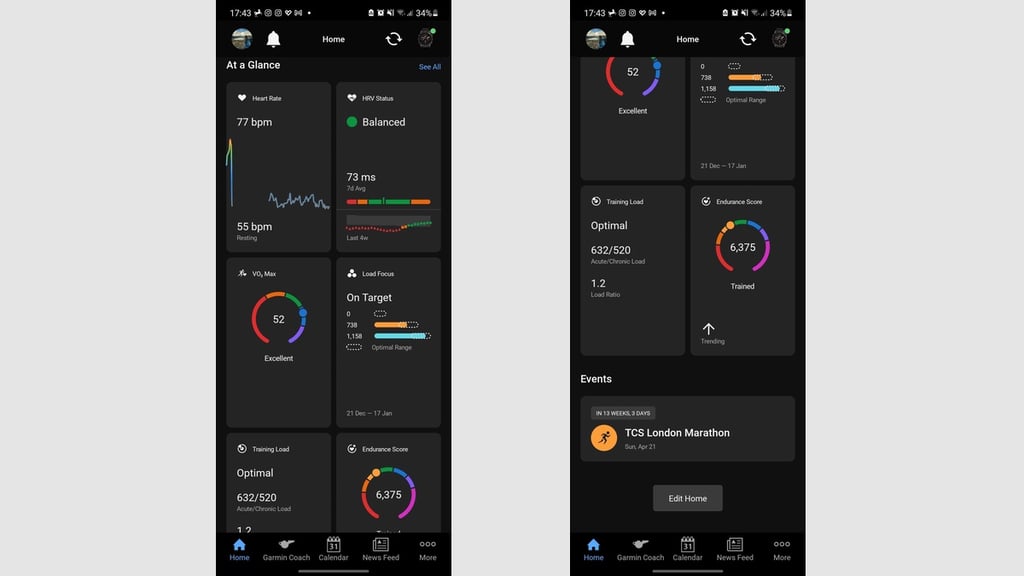
With most trackers, the hardware is only half the equation, which is why we analyze companion apps for data syncing reliability, dashboard design, and actionable metric presentation.
Crucially, we also check which core health insights are available out of the box or locked behind ongoing subscription paywalls, ensuring you understand the total cost of ownership before buying.
Meet our testing and editorial team
At Wareable, our editorial team actually uses fitness trackers we review, testing them in real-life situations to see if their features really matter. By combining our hands-on experience with thorough research, we offer clear and balanced reviews.
Our goal is to help you see what a product does well, where it could improve, and whether it’s a good fit for you.