Best chest strap heart rate monitors in 2026: Tested for accuracy and performance

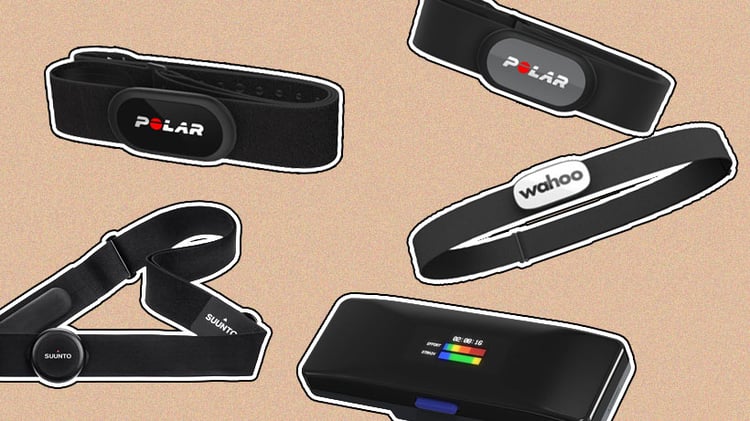
From easy runs to races, these are the chest-strap heart rate monitors we recommend for tracking heart rate
Whether you’re training for a marathon, getting ready for a long hike, or just working on your fitness, you’ve probably searched for the best way to track your heart rate. That’s when chest strap heart rate monitors usually come up.
Even though smartwatch sensors have gotten much better in recent years, chest straps are still seen as the most reliable way to measure your heart rate during exercise. They respond quickly when your effort changes and usually give more consistent results, especially during interval training or other intense workouts.
That’s why many runners, cyclists, triathletes, rowers, and people following structured training plans prefer them.
With this in mind, we decided to compare the top chest strap heart rate monitors, focusing on what matters most: accuracy, comfort, connectivity, battery life, compatibility with popular devices, and overall value. So keep reading to find out more.
Quick picks: Best chest strap heart rate monitors
- Polar H10: Best overall chest strap heart rate monitor
- Frontier X2: Best rechargeable chest strap heart rate monitor
- Garmin HRM 200: Best chest strap heart rate monitor for Garmin users
- Wahoo TRACKR Heart Rate: Best lightweight rechargeable chest strap
- Suunto Smart Heart Rate Belt: Best for Suunto users
- Polar H9: Best budget Polar chest strap
How we tested chest strap heart rate monitors
A chest strap is only worth buying if it provides accurate and consistent heart rate data. Many models claim to do this, but not all of them work equally well.
Throughout testing, we filtered out the less effective devices and focused on the best options for this buyer's guide. Still, figuring out if a chest strap is worth attention can take a lot of time. Because of that, we tested each chest strap across several different workouts rather than just one.
This helped us see how reliable each monitor was over time. But we didn’t just focus on accuracy. We also checked how stable the Bluetooth and ANT+ connections were during workouts and whether they were comfortable to wear.
We also paid attention to battery life and water resistance to ensure each strap could handle sweat, heavy rain, or even swimming.
- Read more about how we test and review at Wareable
Polar H10
Best overall chest strap heart rate monitor
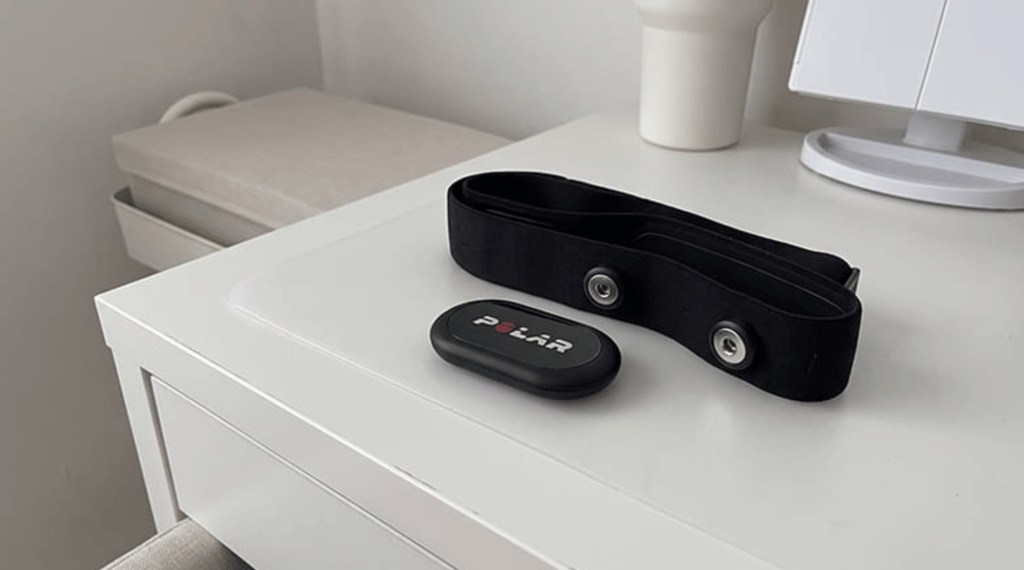
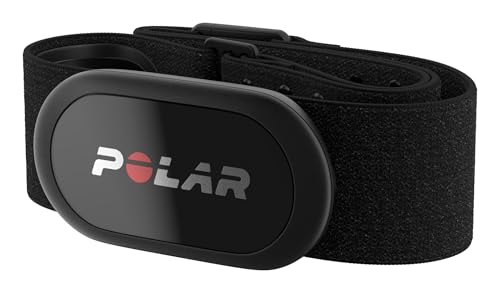
If you care most about accuracy, Polar H10 is hard to beat. After testing it with many smartwatches and fitness trackers over the years, it has always been one of the most reliable chest-strap heart rate monitors we've used.
One thing that stands out is how well it works with different devices. Polar H10 supports Bluetooth and ANT+, so you can connect it to many sports watches, bike computers, gym machines, and training apps. We easily paired it with Garmin watches, Polar devices, Strava, and the Polar Beat app.
Not only that, but the strap is comfortable, even during long workouts. The strap has silicone grip dots to keep it in place, and we found it stayed put during runs, cycling, and gym sessions without causing discomfort. We also like that the sensor is removable, so you can wash the strap after sweaty workouts and keep it clean.
Even though there are newer options out there, we keep coming back to Polar H10 when we want a heart rate monitor we can trust. It's accurate, comfortable, easy to connect, and built to last, so it's our top pick overall.
- Supports both Bluetooth and ANT+
- Easy to clean thanks to the removable sensor
- Comfortable strap with secure fit
- Uses a replaceable battery instead of USB charging
Frontier X2
Best rechargeable chest strap heart rate monitor
| Waterproof: | IP67 rating |
| Sensor tech: | ECG |
| Connectivity: | Bluetooth |
| Phone compatibility: | iOS and Android |
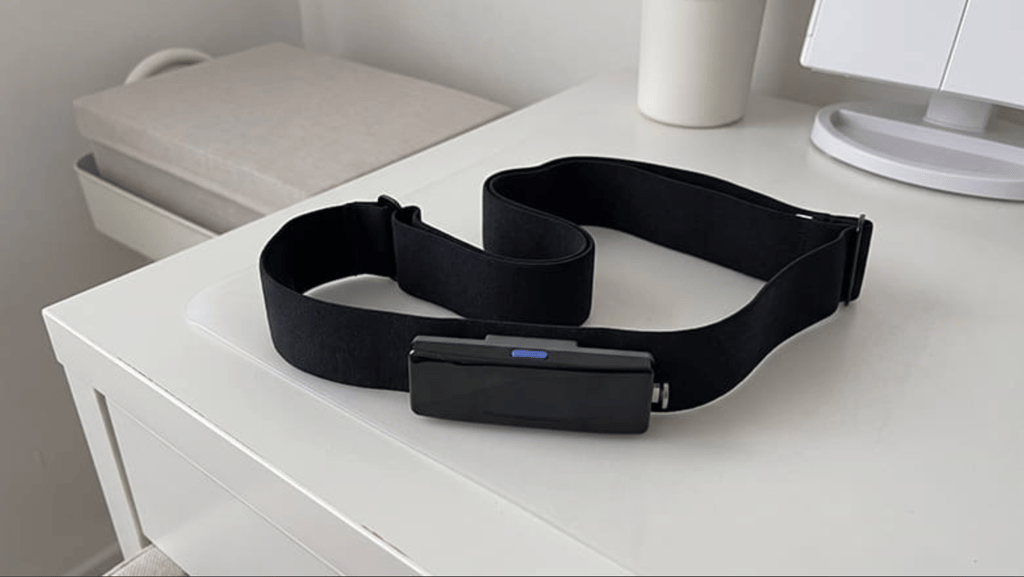
If you don't like the idea of swapping out coin-cell batteries, Frontier X2 is one of the few chest-strap heart rate monitors with a rechargeable battery. You just plug it in with the included USB cable, and a full charge can last up to two weeks, depending on how often you use it.
During our tests, heart rate tracking was reliable, so it's a good pick for structured workouts. What sets Frontier X2 apart are its extra training features. In addition to heart rate, it may track your breathing rate (and more), and the companion app lets you set custom thresholds for both.
If you go over these limits during a workout, the strap vibrates to let you know, which is genuinely helpful when you're training in specific zones. Instead of constantly checking my phone or watch, I could rely on the vibration alert to tell me when I needed to slow down or push harder.
So why isn't it our top pick?
The main downside is connectivity. Unlike Polar H10, Frontier X2 doesn't support ANT+, so it can't connect to as many devices. Since it also costs more, you naturally expect it to work with more devices.
Even so, Frontier X2 remains a good choice for athletes who want a rechargeable device and more training insights. For the rest of the people, though, Polar H10 is still the better all-around pick.
📢 LIMITED OFFER: Use code DEAL30 for 30% OFF
- The battery can last up to 14 days
- Additionally tracks breathing rate
- Vibration alerts for custom heart rate and breathing zones
- No ANT+ support
- More expensive than other chest straps
Garmin HRM 200
Best chest strap heart rate monitor for Garmin users
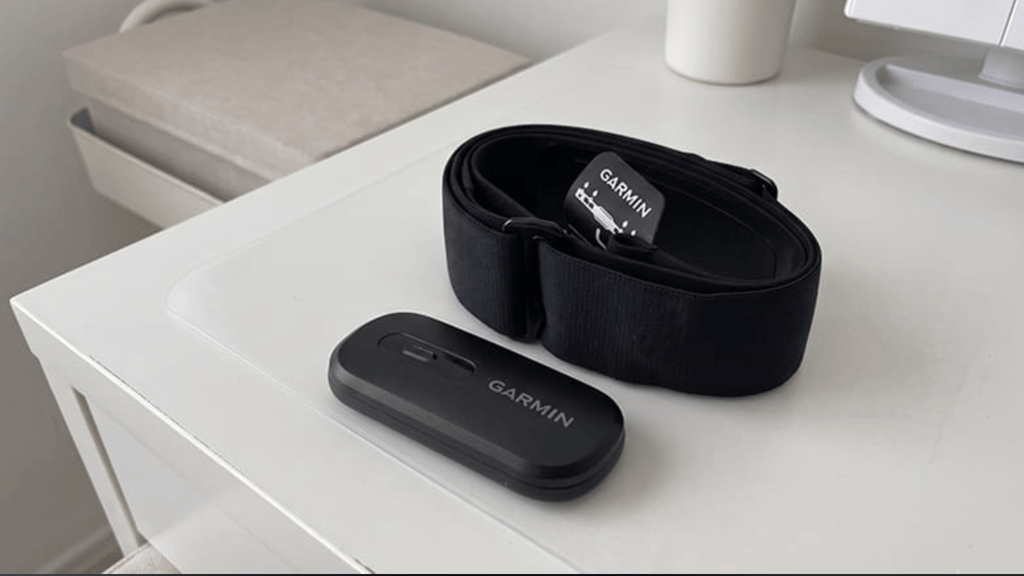
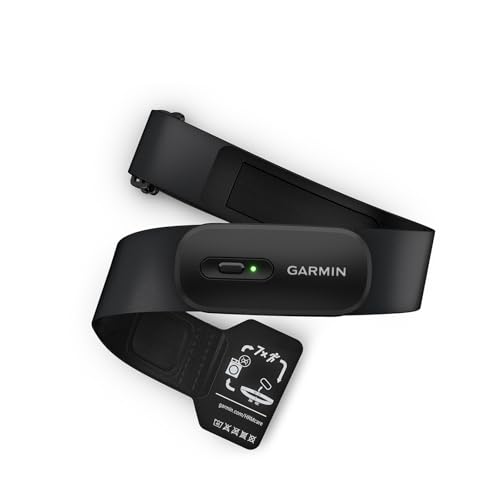
Garmin may have a new flagship chest strap (HRM 600), but HRM 200 remains our pick for most people because of its lower price and reliable performance. It supports Bluetooth and ANT+. That means it connects quickly to watches and other compatible devices, so it’s easy to add to your current setup.
And now on to the best part. The battery is replaceable, but you shouldn't worry about running out of juice anytime soon—Garmin says it should last up to a year. The strap even has a built-in tool for opening the battery compartment, so you won’t need to look for a coin or screwdriver.
So, if you already use Garmin products and want a dependable heart rate monitor without paying for extra features, you should definitely consider HRM 200.
- Excellent companion for Garmin watches
- More affordable than Garmin HRM 600
- Up to one year of battery life
- Not as advanced as HRM 600
Wahoo TRACKR Heart Rate
Best lightweight rechargeable chest strap
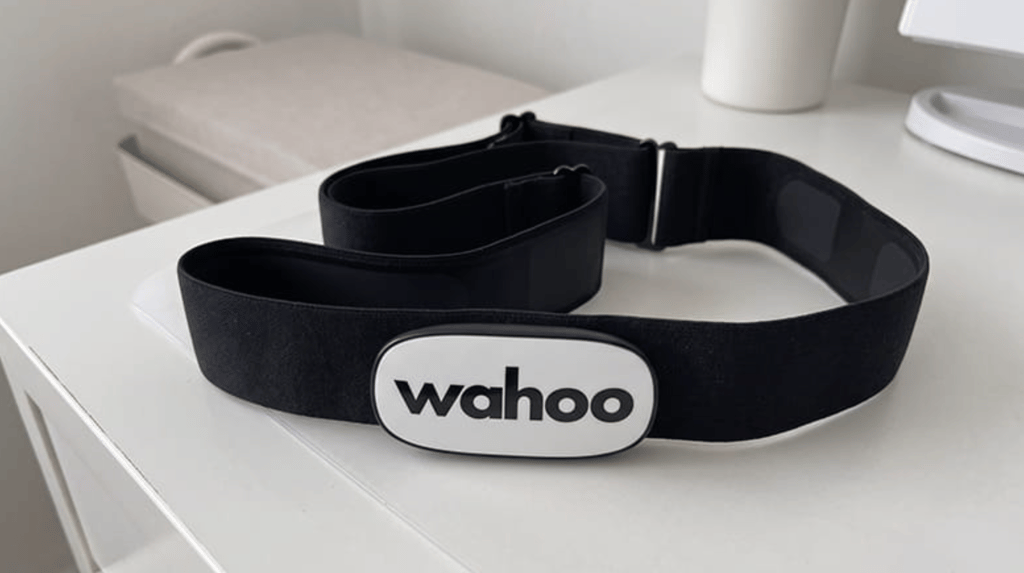
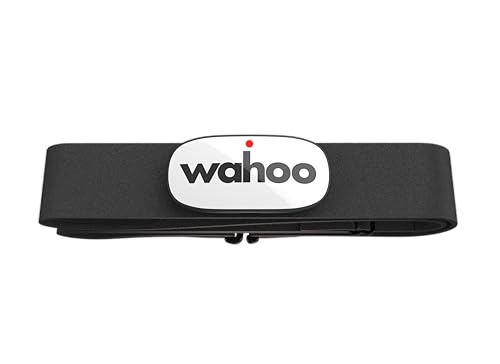
Here’s another rechargeable chest strap to consider. Wahoo TRACKR Heart Rate replaces the older TICKR and TICKR X models, offering a lighter build and some useful upgrades.
First, they ditched coin-cell batteries. According to Wahoo, the battery can last up to 100 hours per charge. That sounds great at first, but then you realize it’s about four days of nonstop use. For most people, that’s enough, though some competitors like Garmin HRM 200 last even longer.
Then they updated the band design. Wahoo added a new side closure, moving the fastening away from the front sensor to make long workouts more comfortable. The company also improved its heart rate algorithms, which we appreciate.
Sadly, there are some downsides. The main one is the lack of onboard memory. Unlike TICKR X, TRACKR can’t record workouts if you’re away from your watch or phone. It would have been nice to see that feature return, especially in a new model.
- Comfortable side-closure design
- Lightweight and easy to wear
- Rechargeable battery
- Has short battery life
- Doesn’t track workouts offline
Suunto Smart Heart Rate Belt
Best for Suunto users
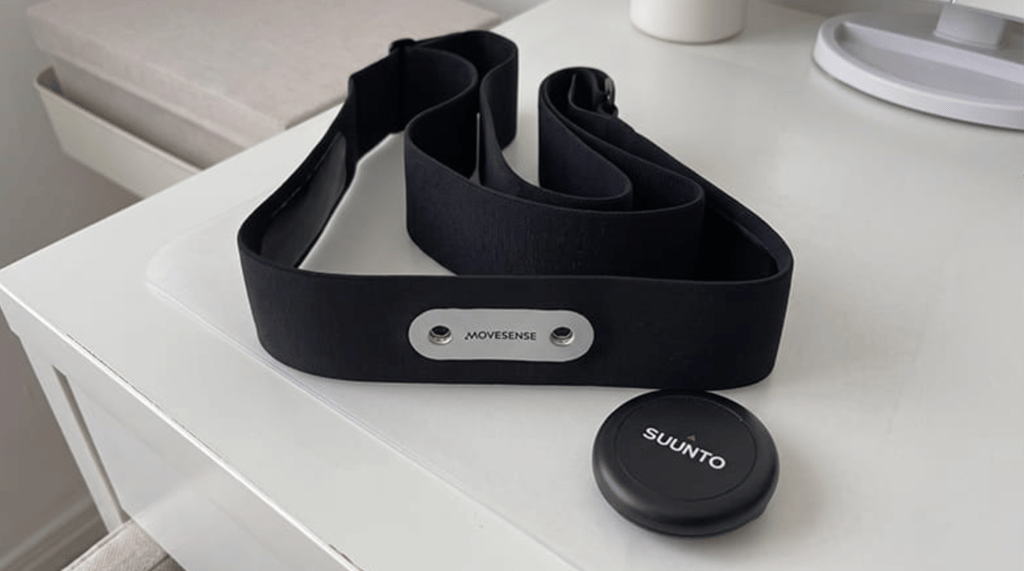
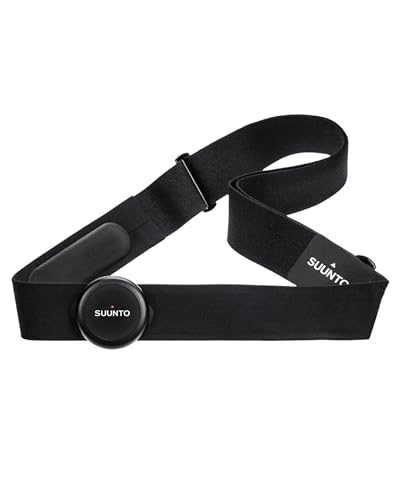
If you already have a Suunto watch, Suunto Smart Heart Rate Belt may be a good addition. It doesn’t try to be packed with features; instead, it focuses on delivering reliable heart rate data.
The belt connects quickly to Suunto sports watch using Bluetooth and also works with many popular fitness apps. We especially like its built-in memory. If you’re swimming or prefer not to carry your phone during a workout, the belt can store your heart rate data and sync it later with compatible Suunto watches and the Suunto app.
Sadly, the single Bluetooth connection makes it a bit less flexible than some competitors. And it can connect to only one device at a time, so you have to choose between your phone and a watch. It’s not a major deal breaker if you are more of a casual exerciser, but athletes who use multiple devices at once may find it limiting.
- Has built-in memory
- Comfortable, lightweight strap
- Single Bluetooth connection only
- Best experience is within the Suunto ecosystem
Polar H9
Best budget Polar chest strap
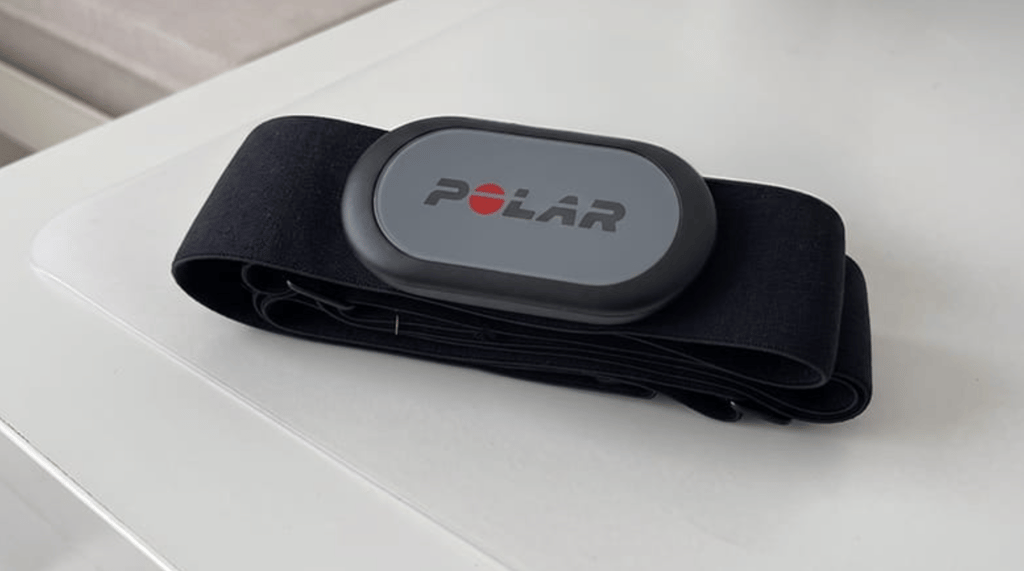
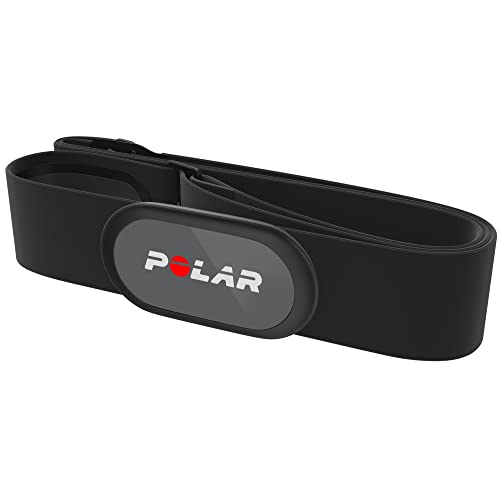
If you like Polar H10 but want to save some money, Polar H9 is worth considering. It offers the same reliable heart rate tracking but skips a few extra features to keep the cost down. For example, it ditched the dual Bluetooth connectivity option, meaning you can only connect it to one device.
So, H9 works with Bluetooth and ANT+, so it connects easily to most sports watches, smartphones, gym equipment, and fitness apps. In our tests, its heart rate accuracy matched what we expect from a Polar chest strap.
The main difference is that H9 does not have built-in memory, so you need to stay connected to a compatible watch or phone to record your workout. If you need an offline recording, then it might be worth paying more for H10.
Probably, Polar just wants you to use their Polar Flow app for that. But to be honest, it’s really simple to use. It shows your heart rate in real time, helping you train in custom heart rate zones, and giving you a helpful workout summary at the end.
- Cheaper than Polar H10
- Supports Bluetooth and ANT+ connectivity
- Doesn’t record workouts offline
- Fewer premium features than Polar H10
Chest strap heart rate monitors compared
| Device | Polar H10 | Frontier X2 | Garmin HRM 200 | Wahoo TRACKR Heart Rate | Suunto Smart Heart Rate Belt | Polar H9 |
| Sensor type | ECG-based heart rate sensor | ECG-based heart rate sensor | ECG-based heart rate sensor | ECG-based heart rate sensor | ECG-based heart rate sensor | ECG-based heart rate sensor |
| Battery life | Up to 400 hours | Up to 14 days of typical use (up to 24 hours continuous recording) | Up to 1 year | Up to 100 hours | Around 500 hours | Up to 400 hours |
| Water resistance | Up to 30m | IP67 (up to 1m for 30 minutes) | 3 ATM | IPX7 | Up to 30m | Up to 30m |
| Phone compatibility | iOS, Android | iOS, Android | iOS, Android | iOS, Android | iOS, Android | iOS, Android |
Chest strap vs. wrist heart rate monitor: Which is more accurate?
Smartwatch heart rate tracking has improved a lot in recent years. Most modern watches claim to give reliable readings during daily activities and most workouts, which is enough for many people.
Still, if you care more about accuracy, chest straps are a better option. In one study, researchers compared four popular wrist-based heart rate monitors to a 3-lead ECG, the gold standard for heart rate measurement, and to a Polar H7 chest strap.
They concluded that the chest strap matched the ECG readings more accurately at all treadmill speeds. The top smartwatch in the study, such as Apple Watch Series 3, also did well, but wrist-based devices showed greater variation between brands and became less reliable as workouts got harder.
This doesn't mean smartwatches aren't useful. They're still easy to use, comfortable, and accurate enough for most people who exercise for fun. But if you're training for a marathon, tracking heart rate zones, or want the most accurate data, a chest strap remains the best choice.
What should you look for in a chest strap heart rate monitor?
Chest straps can be quite different from each other. Before you buy one, think about your training style and which features you really need. Here are some key points to keep in mind:
- Accuracy. This is the most important factor when choosing a chest strap. Pick one that gives steady heart rate readings, especially if you do interval training or other tough workouts.
- Strap comfort. Since you’ll wear it during long runs, rides, or gym sessions, make sure the strap feels good and stays put without rubbing or slipping.
- Bluetooth and ANT+ connectivity. If you use more than one device, pick a chest-strap heart rate monitor that works with both. This way, you can easily connect to watches, cycling computers, apps, or gym equipment.
- Battery life. Some straps have replaceable batteries that last for months, while others are rechargeable. Consider which type best fits your routine.
- Water resistance. Even if you don’t swim, a waterproof strap will handle heavy sweat and rainy days better.
- Washable strap. If you can remove and wash the strap, it’s much easier to keep clean after regular use.
- Durability. A good chest strap should last for years of workouts without losing its accuracy or comfort.
- Price. The priciest model isn’t always the best. Many affordable chest straps offer great heart rate accuracy, even if they skip some extra features you might not need.
Final verdict: Which chest strap heart rate monitor should you buy?
Our favorite chest heart rate monitor here is obvious, and for good reason. Polar H10 gives heart rate trend readings, works with almost any device, and stays comfortable even during long workouts. Whether you’re training for your first 10K, getting ready for a marathon, or just want solid heart rate tracking at the gym, this is the chest strap we recommend to most people.
Still, we understand that everyone has different needs. Naturally, you might be drawn to other options on this list.
For example, if you want more advanced training features and are willing to pay more, Frontier X2 is a great premium option. It has a rechargeable battery, tracks your breathing rate, and gives vibration alerts, making it a strong choice for serious athletes. And if spending that much is not in your plans, Polar H9 offers much of the H10’s accuracy at a lower price.
Other wellness tracking reviews:
Best heart rate monitors 2026: Chest straps, watches, and rings we trust
Best heart rate monitor watches: Our favorite picks for fitness, sports, and everyday tracking
-
Accuracy of commercially available heart rate monitors in athletes: a prospective study.
Cardiovascular Diagnosis & Therapy.