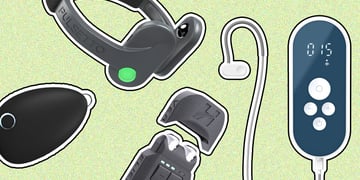
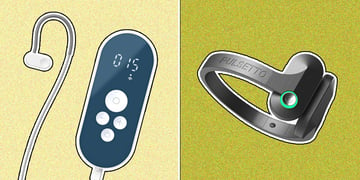
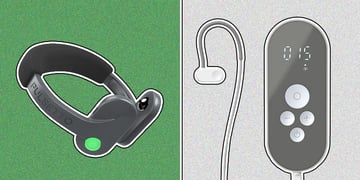
Nurosym vs. Sensate: Which nervous system device is a match for you?

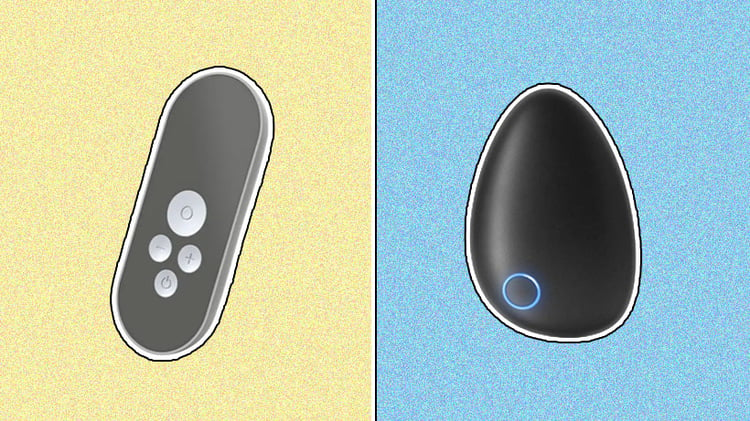
Testing Nurosym and Sensate side by side—what you should look for and other recommendations
Nurosym and Sensate both aim to reduce stress and improve sleep, yet they work in completely different ways—the reason why you might be stuck on which one suits you best.
Nurosym (also called Nuropod in the US) is marketed as a clinical-style vagus nerve stimulation (VNS) device. Meanwhile, Sensate is a vibroacoustic relaxation tool, which promotes mindfulness and grounding rather than long-term nervous system regulation.
These two contrasting devices are truly interesting, but buying both just isn’t practical. So, we created this Nurosym vs. Sensate comparison to help you choose the right device for your needs, budget, and expectations.
| Specs | Nurosym | Sensate |
| Price | $855 | $299 |
| Technology | Gentle electrical pulses | Vibrations synced with soundscapes |
| Placement | Ear | Chest |
| App dependancy | No | Yes |
| Best for | People who want to support nervous system regulation | People who want quick stress relief |
| Official website | Visit Nurosym | Visit Sensate |
Value: Can benefits justify the price?
Price is often the first factor when choosing a vagus nerve stimulation device. Setting yourself a wellness budget might help you, shifting your view to devices that are actually aligned with you.
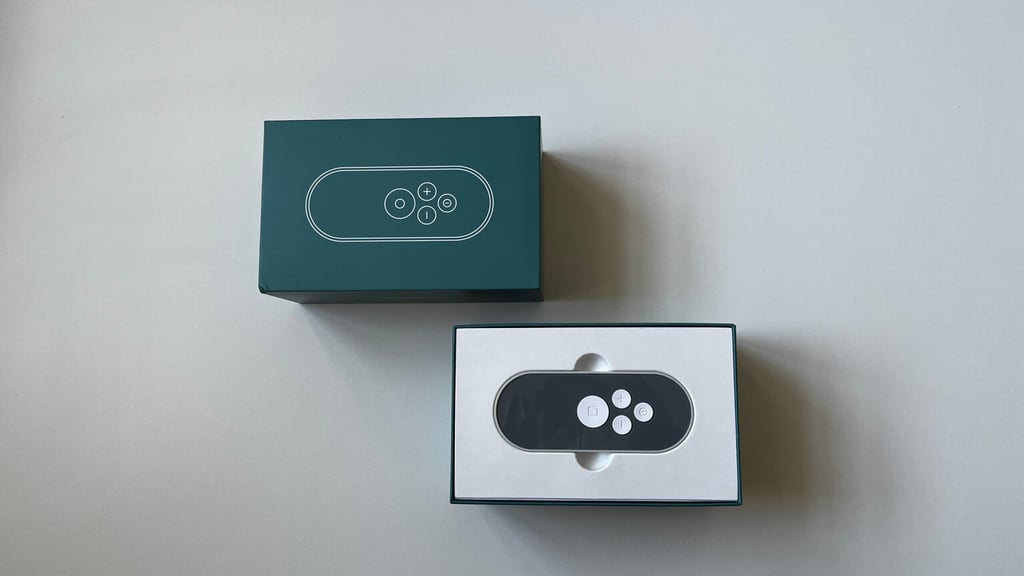
Nurosym costs $855—a premium price that may deter many curious first-time customers. But as a transcutaneous auricular vagus nerve stimulation (taVNS) tool, Nurosym is in a much better position to offer potential long-term nervous system changes than Sensate.
Nurosym's website cites numerous studies that it says were independently designed and led by partner institutions. Based on the number of studies, Nurosym claims to be the most studied non-invasive vagus nerve stimulation device.
One study found that taVNS may improve heart rate variability, an important marker of the nervous system balance. Another trial reported observing significant improvements in cognitive function, anxiety, depression, and sleep, with benefits sustained or even progressive at 1-month follow-ups. These findings suggest potential long-term effects of Nurosym.
Since Nurosym is a one-time purchase with no app subscriptions or conductive gels needed, we believe it’s a worthy investment. The upfront cost is high but the potential for lasting nervous system changes may justify it.
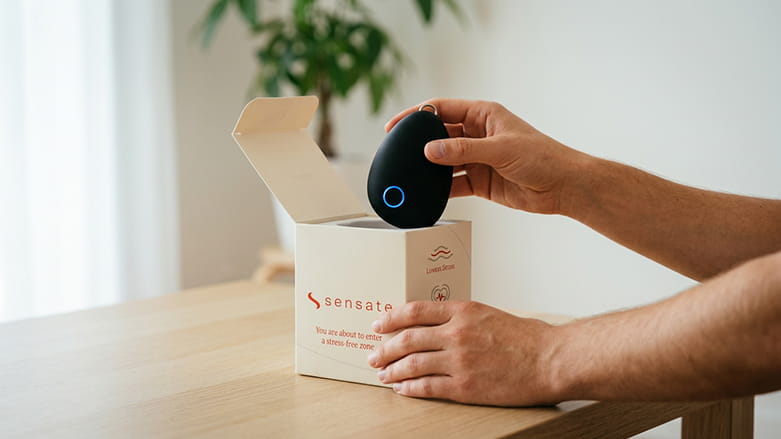
On the other hand, Sensate is far more affordable at $299. The brand even offers good bundles, such as the Plus Pack for $348, which includes the device and a 1-year Sensate app subscription.
The app subscription annually costs around $49.99, so monthly fees are quite manageable. However, keep in mind that these do add up over years of use. While the subscription is optional, it is practically necessary—the free plan offers limited soundscapes, making the experience very repetitive.
Research on Sensate is limited. Simply put, the device uses vibrations synced with audio to help you relax in the moment—it doesn’t directly target the vagus nerve like Nurosym does. To be completely honest, it’s more of a meditation and mindfulness tool, than an actual health tech device.
On the website, we found only one linked study with 25 participants. Findings were that they felt more relaxed and less stressed after 14 days of use. While these results sound encouraging, this was based on self-reported feelings rather than objective health markers.
Considering it all, both devices may justify their pricing depending on your goals: choose Nurosym if you’re willing to invest for potential long-term changes, or pick Sensate if you want an affordable tool for immediate relaxation.
Winner: Draw
What using Nurosym and Sensate actually feels like
Nurosym sessions
Nurosym’s sensation isn’t for everyone. It may feel quite strange at first—ticklish or soothing for some, or you may find it uncomfortable, like sound blasting through headphones. Remember, sensation shouldn’t hurt you. If it’s uncomfortable, lower the intensity or stop a session.
Unlike so many other vagus nerve stimulation devices, we found Nurosym manageable at lower intensities. Our testers even spotted slightly lower heart rates during sessions on their smartwatches, though this didn’t happen consistently.
The device didn’t impress us during the first couple of weeks, but our views changed later on. Some team members reported feeling more confident during stressful situations, sleeping better, or even noticing a slight improvement in gut health. However, the effects seemed mild and started to fade after the testing period, suggesting longer than a month use may be needed for lasting nervous system changes.
Use is twice a day for 15–30 minutes, which might be tough to fit into a routine for some people. Since it’s quite portable, you can use it while doing other tasks. Just put your phone away to minimize distractions.
Sensate sessions
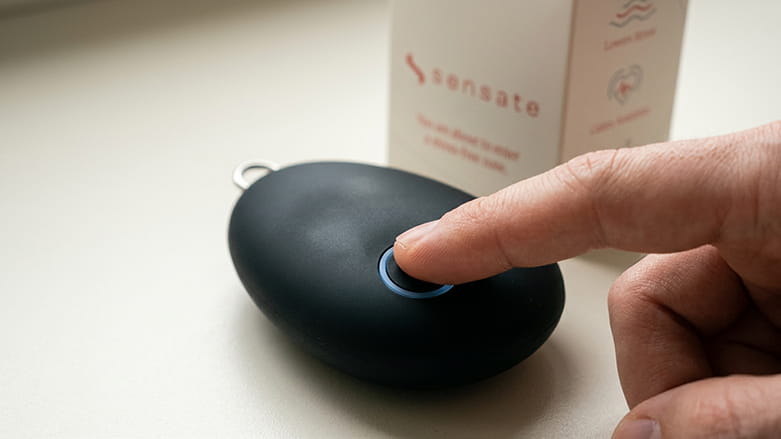
Sensate pairs vibrations with soundscapes through the companion app, creating a highly relaxing, nature-like experience. It’s genuinely pleasant and very popular within the Wareable team—we reach for it whenever we need a quick way to calm down.
Sessions range from 10 to 30 minutes with no strict routine. You can use it once or multiple times per day, just keep in mind that most audio tracks last 10 minutes.
The disappointing part is that Sensate can only offer immediate stress relief. We didn’t observe any other changes in sleep or mood, and your body gets used to the vibrations over time, weakening the calming effect.
We believe Nurosym brings a bit better potential long-term benefits and a more interesting sensation, though Sensate remains a solid choice for everyday relaxation.
Winner: Nurosym
App dependency: An advantage or drawback?
Setup and ease of use differ significantly between these two devices.
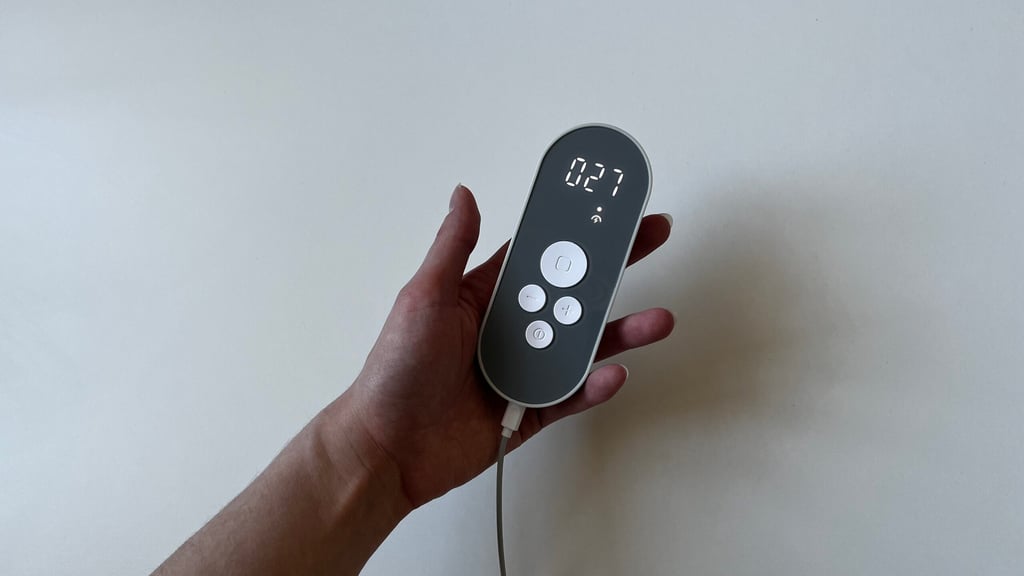
Nurosym keeps everything simple and minimal: you wet your tragus, clip the earpiece, and start a session using the attached controller buttons. No phone syncing required—it’s not app-dependent.
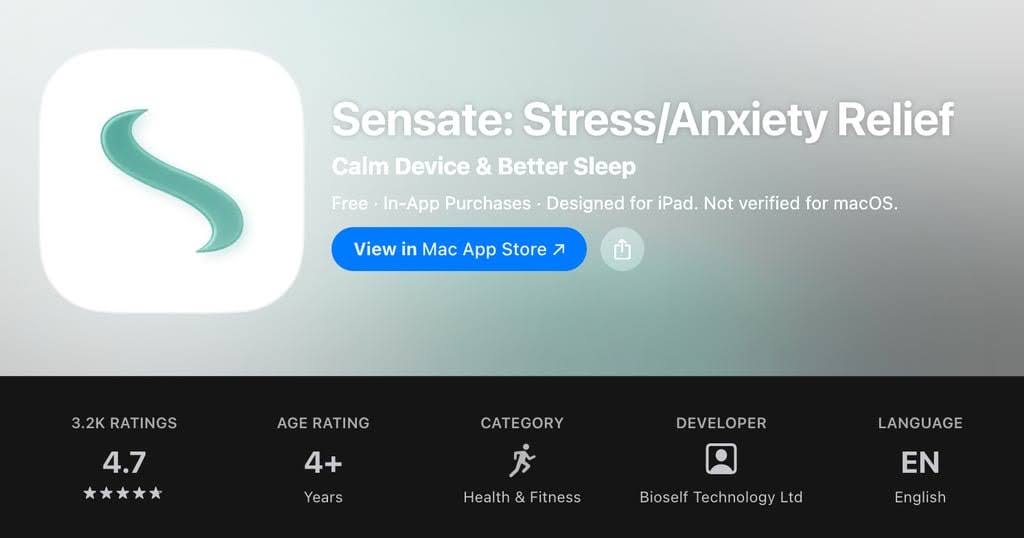
As for Sensate—it completely depends on its app. The device pairs with your phone via Bluetooth and relies on the app’s soundscapes to function properly. Yet, we think the app itself is a bit lacking.
The free plan offers limited audio options that get repetitive quickly, so the subscription is practically essential for a full relaxation experience.
The app organizes soundscapes into categories like Nature and lets you save favorites, which we found helpful. That said, the app design feels visually chaotic compared to the sleek Sensate design. Bright colors and confusing navigation make selecting soundscapes more frustrating than it should be. It’s not poorly made, but it lacks simplicity and smoothness.
Winner: Draw
Nurosym vs. Sensate: Safety and side effects
Speaking of safety, both Nurosym and Sensate are generally considered safe for at-home use. However, since Nurosym delivers electrical pulses to stimulate the vagus nerve, it comes with stricter safety guidelines and more contraindications than Sensate.
Nurosym may sometimes cause mild side effects like skin irritation, headaches, ear sensitivity, and dizziness. If you experience any of these, stop a session and consult your healthcare provider.
You should avoid Nurosym if you have:
- An implanted device, such as a pacemaker or cochlear implant
- Active ear infection or irritation
- Severe low resting heart rate
- Undergone vagus nerve surgery
Sensate’s vibration-based method is less invasive and typically causes no side effects, making it the safer choice. You might want to skip a session if you have irritated or broken skin, or general sensory sensitivity. Other than that, there aren’t any restrictions.
Winner: Sensate
Who should choose each device?
Choose Nurosym if:
- You want a traditional vagus nerve stimulation device
- You take note at scientific credibility
- You’re seeking potential long-term nervous system changes
- You’re okay with strict routines and consistency
Choose Sensate if:
- You prefer a more comforting wellness experience
- Quick relaxation and stress relief matter to you the most
- You enjoy mindfulness and meditation
- You’re looking for an affordable device
Other vagus nerve stimulation device reviews from Wareable:
I tested the Nurosym vagus nerve stimulator—here’s my honest verdict
Sensate review: Can this vagus nerve device actually reduce stress?
Pulsetto vs. Nurosym: Which vagus nerve stimulation device is right for you?
Apollo Neuro vs. Sensate: Which nervous system device is right for you?
Verdict: Our pick
All things considered, we recommend Nurosym if you’re serious about vagus nerve stimulation. Although expensive, it shows stronger scientific positioning and the brand’s claims feel more grounded in evidence than Sensate’s.
That said, we completely understand that Nurosym isn’t for everyone. You’ll need long-term consistency—sessions take 15–30 minutes twice a day. But if you commit to it, we believe you may see real improvements in sleep and mood over time.
Sensate still deserves consideration, especially if you’re looking for a quick stress relief on a budget or you’re just curious to explore nervous system tools for the first time. The low commitment and lower cost make it a good entry point.
Keep in mind that our verdict isn’t an instruction to buy either device. This is testing-based advice to help you understand what each tool actually does. Your choice depends on your needs, so take time to think through what you’re actually looking for.
References
-
PloS One.
The effect of transcutaneous auricular vagus nerve stimulation on HRV in healthy young people.
-
Frontiers in Neurology.
Transcutaneous vagus nerve stimulation improves Long COVID symptoms in a female cohort: A pilot study.
-
Sensate Inc.
Statistically significant improvements in perceived stress, anxiety, sleep and general well-being after 2 weeks of daily Sensate use.