Samsung UK & Ireland VP Annika Bizon details the latest tools coming to the watches and Health platform
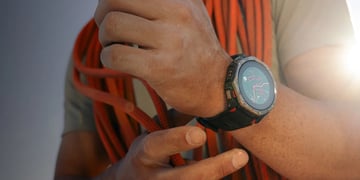
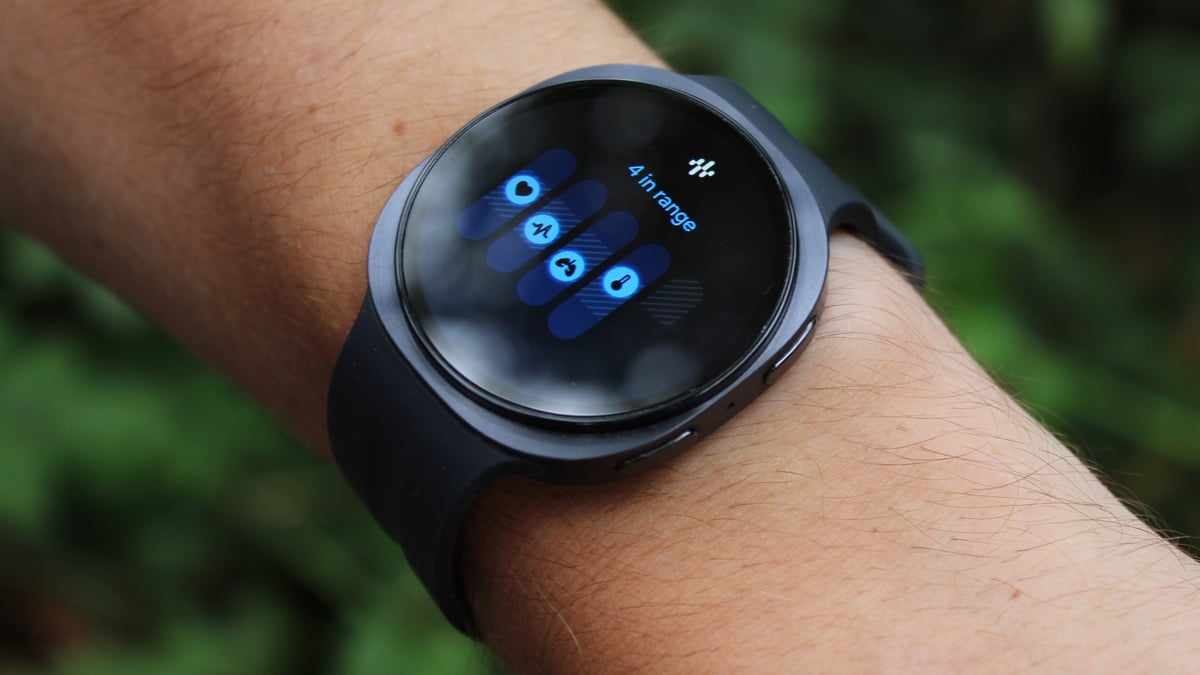
At last week’s Unpacked event in London, the unveiling of the Galaxy Watch 9 and Galaxy Watch Ultra 2 signaled Samsung's latest tilt in the battle for our wrists. Yet, while the shiny new hardware took center stage, the new health features debuting on the brand's latest smartwatches also highlighted the broader push toward preventive health trackers.
It's something we've highlighted plenty here at Wareable over the last half-decade, particularly. The first era of mass-market wearables functioned primarily as diaries—counting steps, logging sleep hours, and charting heart rate spikes throughout the day.
The next will involve the industry's biggest brands—like Samsung—emulating what we've seen from disruptors such as Whoop and Oura: proactive, behavior-changing wearables.
Samsung is far from alone in its quest to bridge the divide between tracking and actionable insights; Apple and Google are also investing heavily in turning consumer wearables into more useful health hubs.
The challenge for these companies is very different from that of typical wearable tech brands—but their mass-market scale also allows them to bet big on the power of their interconnected hardware ecosystem to make clinical-grade health management accessible to everyday consumers.
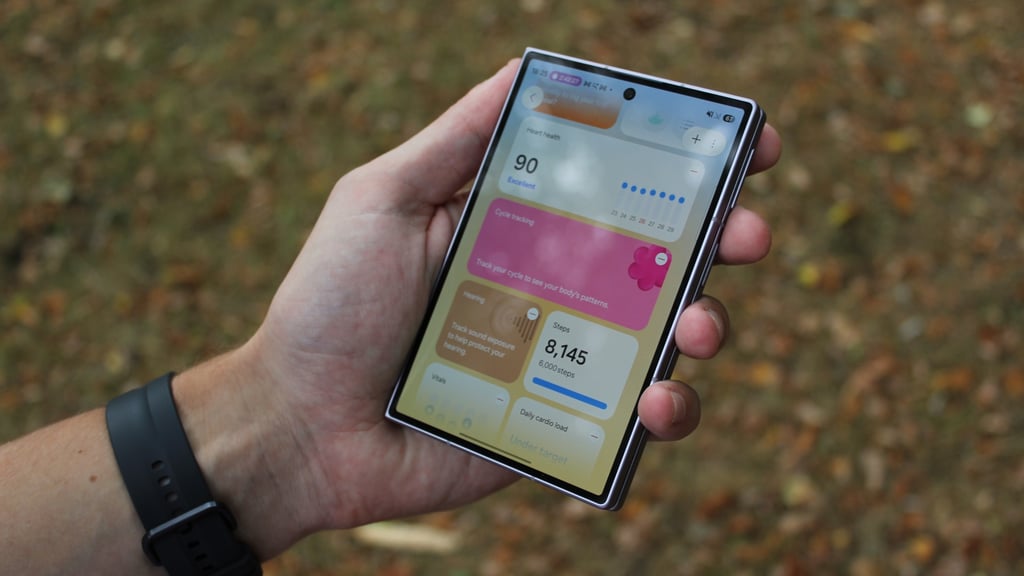
To get the inside story, we spoke to Annika Bizon, Samsung UK and Ireland's Vice President, about how the latest Galaxy Watch generation and Samsung Health integrations via devices like the Galaxy Z Fold8 help it take another step toward that goal.
Introducing more personalized insights
As Dr. Hon Pak, the Head of the Digital Health Team at Samsung, highlighted during a pre-Unpacked roundtable, the consumer health tech space has long been held back by two key barriers.
The first is delivering continuous, context-aware detection that links a user's daily life outside the clinic to genuine medical insights; the second—and arguably more complex problem—is sustained daily habit modification.
To scale preventative health for millions of users, the industry must first dismantle the long-held tracking conventions it has used itself.
In the initial decade of wearables hitting the mainstream, we tested hundreds of consumer health-tracking devices that relied on broad population averages or built features around small-scale academic studies. It's the reason we all know about the 10,000-step goal, after all.
But treating health as a generic baseline entirely misses individual biological nuance.
"I look at it like putting on someone else's prescription glasses and assuming they're going to work for you. Everything needs to be personalized to you," Bizon told us.
This more tailored approach is central to how Samsung is re-engineering its metrics.
"Gone are the days of sleep advice being limited to, 'Get eight hours of sleep,'" Bizon explained.
"Initially, before we all tracked our sleep, it was just about getting a certain number of hours of sleep. Then the industry entered a phase of actually looking at the quality of sleep. So, for me, I might only need 50 minutes or an hour of deep sleep; that's the regenerative sleep I need.
"Now, we're moving to really analyzing things like sleep latency or, with help from other signals, advising when you probably need to go to sleep," she said.
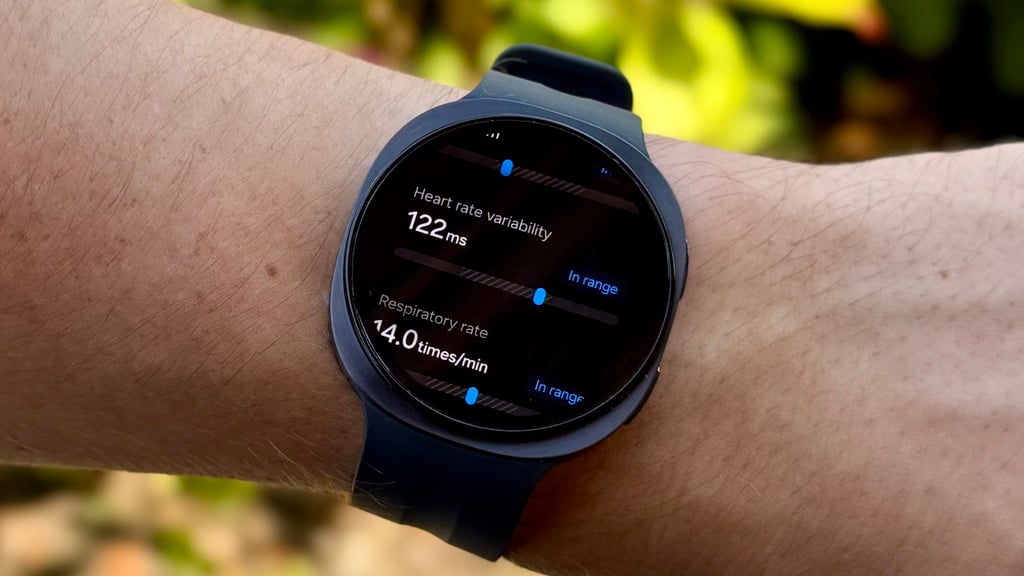
Rather than forcing users to dig through fragmented graphs to uncover these connections themselves, the new Galaxy Watch lineup relies on Galaxy AI to surface biometric trends—including respiratory rate, skin temperature, and heart rate variability—into an immediate, streamlined Vitals dashboard and an aggregated Energy Score.
The automated ecosystem advantage
This is where the sheer scale of a sprawling ecosystem like Samsung's becomes a distinct advantage.
Specialized trackers—like those from Whoop or Oura—have always catered excellently to motivated biohackers and amateur athletes. However, mass-market smartwatches have to deliver to many more diverse user types.
They might have bought a Galaxy Watch device purely for aesthetics or because they're embedded in the ecosystem, but they still stand to benefit immensely from early insights into metabolism or cardiovascular health.
And by feeding biometric markers—such as its Advanced Glycation End-products (AGEs) Index—directly into platforms like Samsung Food, the ecosystem can work behind the scenes to address common pain points independent of the smartwatch, such as an inconsistent diet.
If its smartwatches can communicate to the broader ecosystem that your Energy Score is depleted, the connected kitchen can surface a recipe or suggestion that aligns with your recovery needs.
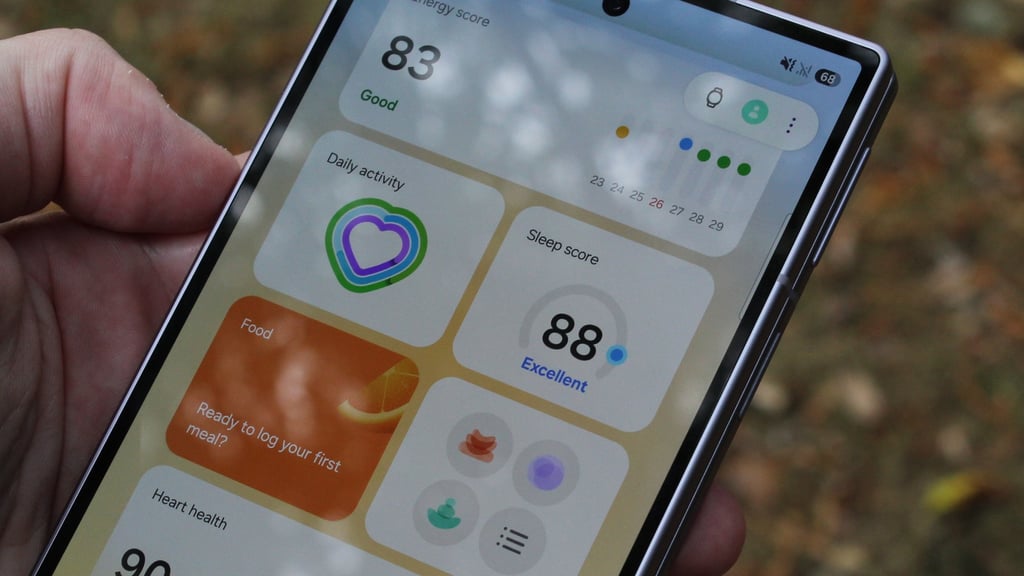
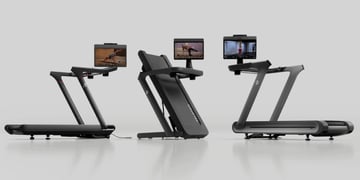
The same philosophy extends to physical activity, which Samsung detailed at Unpacked through deeper iFIT integration and a unified Fitness Index.
In this example, the system could push a restorative routine tailored to your day, rather than nudging you to complete a high-intensity workout when your Heart Health Score and stress metrics indicate your body is exhausted.
Navigating behavioral hurdles
Despite the strength of an integrated ecosystem, though, mass-market preventive health features face the same challenges as their niche counterparts.
The history of wearable tech is littered with abandoned devices and ignored prompts for a reason. And so, for preventive features to drive meaningful change, wearable tech makers must strike the right tone to enable continuous user engagement, ensure rigorous data privacy, and anchor (and update) features based on the latest clinical science.
Samsung has proved plenty of times in the last few years that it's covering those bases. For example, ongoing partnerships with the NHS and European clinical institutions to utilize AI decision-support tools for cardiovascular risk assessment show a clear commitment to validating consumer hardware.
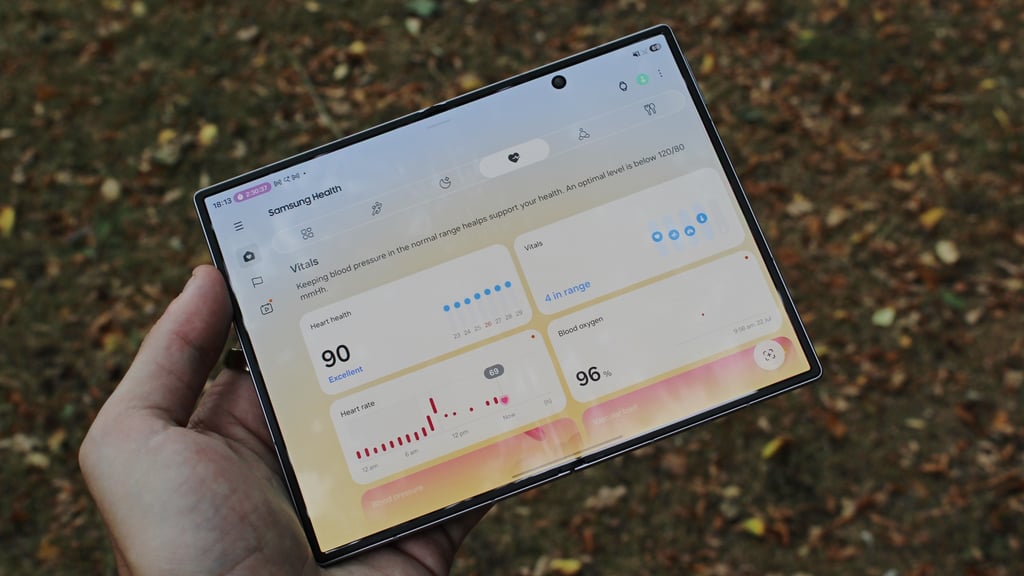
Its Knox platform also continues to receive AI- and wearables-specific updates, and Samsung Health's fresh lick of paint helps surface trends and scores with helpful, friendly context.
Yet, even the best smartwatch in the world can only assist; it can't force a lifestyle shift.
Ultimately, the true success of Samsung's preventive push can't be measured by hardware sales alone. Instead, it'll be judged by how effectively its platforms can guide the average person toward more positive habits before a health crisis ever occurs.
"It's why we've gone to preventative health; we're trying to help people live as healthy a life as they can for as long as they can.
"If they can get a nudge that can help them prevent something, I'm all for that."