- Easy 10-minute sessions fit into a daily routine
- The vibration-and-sound setup feels simple and calming
- Potential drug-free option for stress relief and relaxation
- You need to lie down or lean back to use it properly
- It’s expensive for something that’s backed by limited evidence and depends on regular use
Vagus nerve stimulation and nervous-system wellness tools are having their moment, and it’s easy to see why. More people are looking for something beyond meditation apps and standard wearables when stress, burnout, and poor sleep start piling up. Sensate stands out because it promises a more physical, device-led reset, combining sound and vibration rather than asking you to sit still and “just breathe.”
I spent time testing it with one question in mind: could it actually help with stress, anxiety, sleep, burnout, focus, and general relaxation, or was it just another polished wellness idea? At first, I found the concept convincing but also a little too promising, so I hesitated before spending this much on a product that sounded too good to be true. Still, I wanted to see whether it could ease the kind of everyday tension that builds up when focus drops, sleep suffers, and recovery never feels complete enough.
| Product | Sensate 2 Vagus Nerve Toning & Stress Relief Device |
| Price | From $269.10 |
| Best for | People who want a short, low-effort relaxation routine that may support sleep and calmness |
| Specs | Chest-mounted deviceGuided soundscape sessionsBluetooth app connectivitySleep improvement and stress relief focusPortable 10-minute sessions |
Sensate vagus nerve device explained
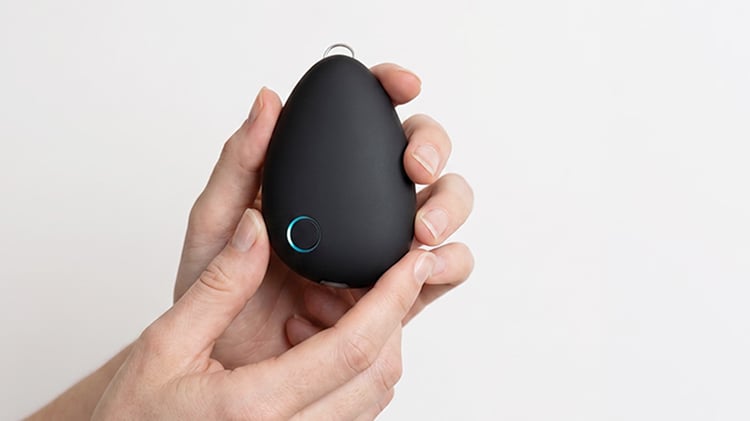
Sensate is a chest-worn wellness device that uses vibration and sound to deliver a short relaxation session, intended to help your body shift into a calmer state. In simple terms, it is built around the idea that the vagus nerve plays a role in how your nervous system responds to stress, and that gentle stimulation may help induce a more relaxed feeling.
At the same time, this is very different from medical-grade vagus nerve stimulation, which is typically used in clinical settings and involves a more direct therapeutic purpose. Sensate is a consumer device, so it clearly sits in the wellness category rather than the medical one.
A simple setup
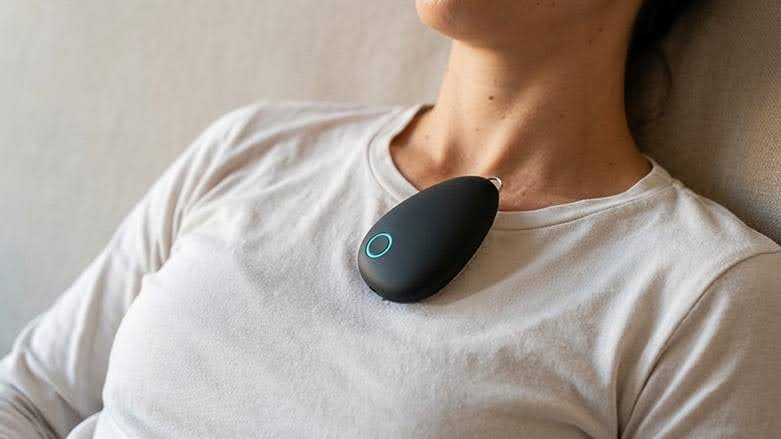
You place the device on your chest, start a guided session in the designated Sensate app, and let the vibration and soundscape do the work. The brand says this may help with stress reduction, relaxation, sleep support, and even focus. But I’d treat those as wellness claims rather than guaranteed outcomes—at least until you’ve experienced the device yourself.
Before testing it, the concept sounded believable enough, but also a little vague, as it wasn’t immediately obvious how a vibration-based device would translate into real-world relief. Once I understood the setup, the idea made more sense: this is less about dramatic stimulation and recordable results and more about creating a structured, calming pause that may help you relax.
How much is Sensate, and what’s the value?
Sensate currently sits in the premium end of the stress-tech market. This is important because you’re paying for a single-purpose relaxation device rather than a full wellness platform. There’s no mandatory subscription to use the core product:
- Sensate Single comes at $269.10, giving you access to free soundscapes on the app
- Sensate Plus is $279 and includes access to additional soundscapes as a one-year subscription for a more complete experience.
- You can also get the 2 Sensate Plus Pack for $499, which does the same for two devices
The official site says there’s a 90-day money-back guarantee, which is reassuring for a device this expensive. In the box, you get the Sensate device itself, a charging cable, and access to the Sensate app and guided sessions.
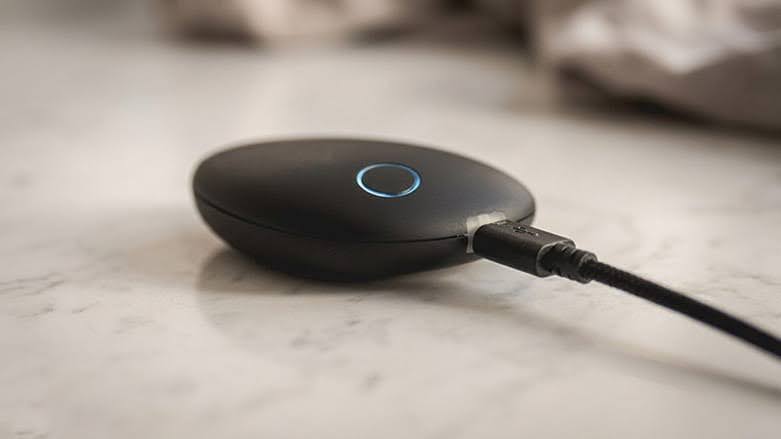
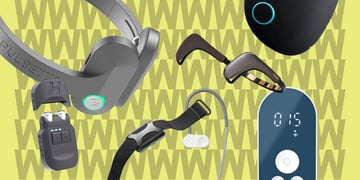
Compared with alternatives, Sensate’s $269.10+ price makes it cheaper than Apollo Neuro (typically around $349–399) and far less expensive than the more clinical Nurosym, which approximately costs between $600 and $760 depending on the bundle. Pulsetto is usually cheaper upfront, starting from roughly $224, though accessories or premium app features can add to long-term costs. Still, Sensate is far pricier than meditation apps, but its screen-free, session-based approach may appeal if you prefer a physical relaxation ritual over another app subscription.
First impressions, build, and comfort
Sensate makes a decent first impression out of the box, with packaging that feels more premium wellness gadget than a cheap novelty. The hardware itself is compact and smooth, and it looks like something designed to live on a bedside table rather than disappear into a drawer.
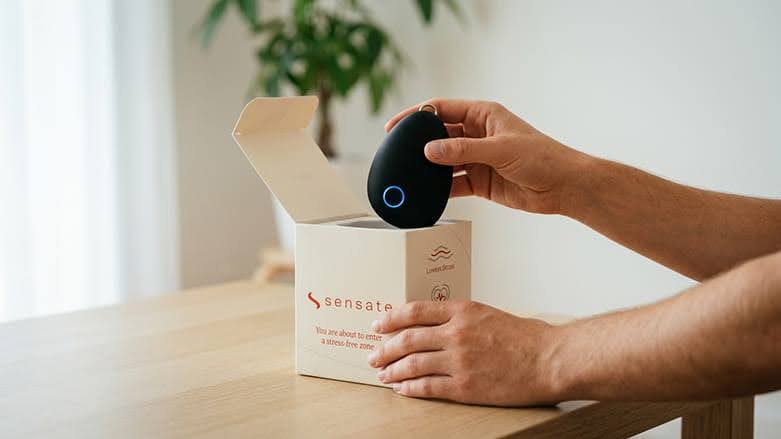
Placing it on the chest is straightforward enough once you get used to where it needs to sit. The positioning does matter, so there’s a small learning curve at the start. The materials feel solid in the hand, but I wouldn’t say the device entirely escapes the feeling that you’re paying a lot for a fairly simple piece of hardware.
How it feels in use
In sessions, the vibration is more calming than strange once you settle in, although the first few minutes can feel a little unusual if you are not used to chest-mounted relaxation devices. I found it easiest to relax when I stayed still and let the soundscape do most of the work, and that is probably the point.
Comfort is generally good for 10-minute sessions, and the low-effort setup makes it portable enough for travel if you don’t mind packing a separate device. Cleaning is simple, and storage is easy because the unit is small. However, it still feels like something you’ll want to keep in a safe, dedicated place rather than toss into a bag.
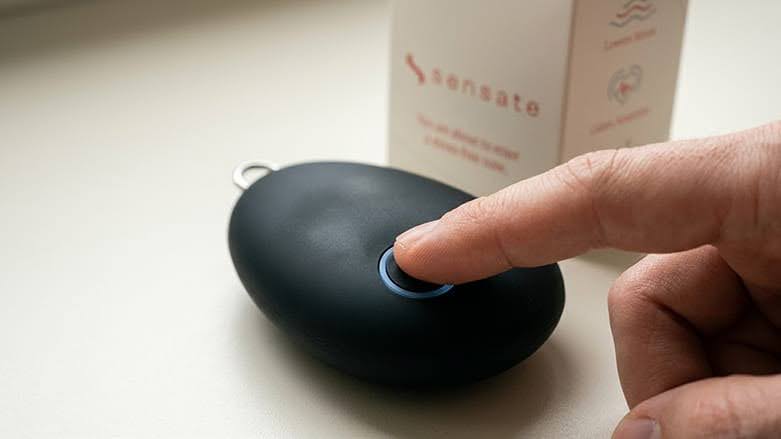
My experience using Sensate
Week 1–2
The first thing I noticed was that Sensate felt a little odd before it felt relaxing. The chest placement is simple enough, but the idea of lying down with a puck-like device on your sternum and letting vibration do the work can feel slightly awkward at first.
I was skeptical in the opening days, mainly because the concept sounds more convincing on paper than it does in practice. That said, the sessions were easy to make a habit of because they only take a few minutes and don’t ask much of you. I did feel calmer after some sessions, but not in a dramatic, instant way.
Week 3–4
By the second half of the month, the routine started to settle in more naturally. I found the experience more calming once I stopped trying to judge every session and just treated it as a short reset. Sleep was where I noticed the most potential, even if the improvements were subtle rather than obvious. Stress responses felt a little less sharp on days when I used it with intent, though I also had a few sessions that felt underwhelming.
Still, it started to become something I looked forward to, not because it was exciting, but because it created a clean break in the day.
Week 5–8
Over time, Sensate felt even more like structured downtime than a wellness gimmick. The best sessions were the ones I used when I was mentally busy or wound up, because that is when the device seemed most useful. I did wonder at times whether part of the effect was placebo, but even then, the ritual itself still had value for me.
The benefits did seem to plateau a little, so it never became a miracle fix, but it remained worthwhile when I wanted a reliable pause. Skipping sessions didn’t cause a dramatic change, which is probably the most honest sign that it works best as a support tool, not a replacement for other stress habits.
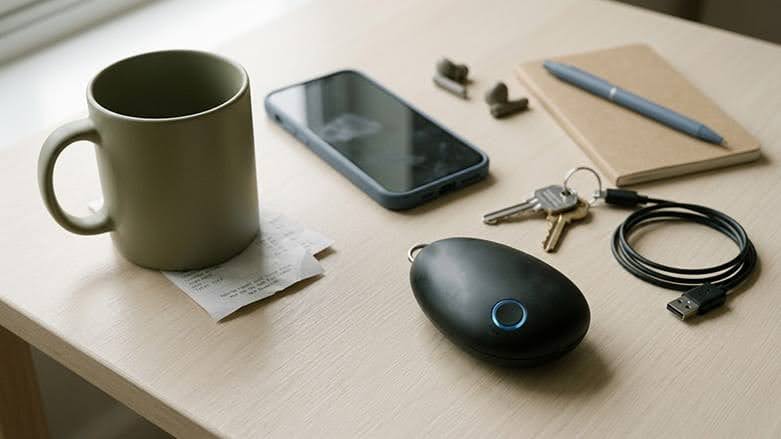
Does Sensate actually work?
As far as I tested, Sensate did roughly what I expected: it felt genuinely calming in the moment, but it did not deliver a dramatic or instantly obvious shift. The most noticeable benefits were relaxation and a better sense of unwinding after a busy day, with sleep support feeling like a possible bonus rather than a guaranteed outcome.
The harder claims to verify were the bigger ones, like stress reduction in a measurable sense or any clear long-term change in nervous-system regulation. For me, the device made the most sense when I used it consistently, because occasional sessions were pleasant but less convincing.
Since this kind of wellness tech is highly individual, your response may depend on your baseline stress, your expectations, and how well you tolerate structured downtime. I also think it may be more effective than meditation or breathwork alone for people who struggle to sit still, because the physical vibration gives you something to anchor onto. But if you already get real relief from simple breathing exercises, Sensate may feel more like a nice extra than an essential tool.
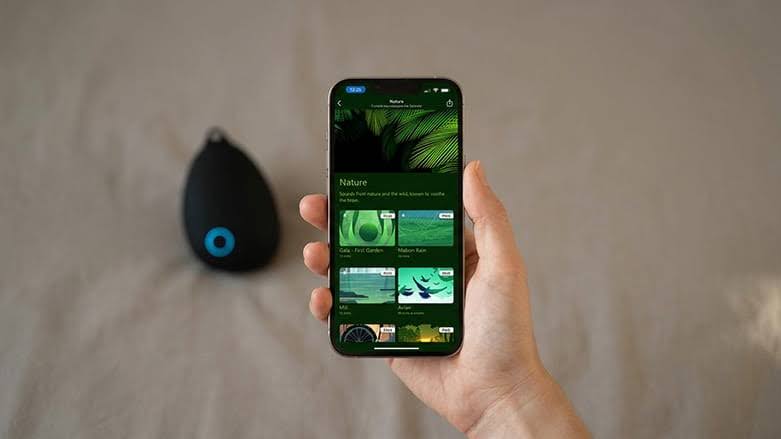
Sensate vs. alternatives
Sensate vs. Apollo Neuro
Apollo Neuro is more of an all-day wearable, so it suits people who want stress support running quietly in the background without getting in the way. Sensate feels more deliberate and session-based, which I actually think makes it easier to treat as a real reset rather than another gadget on your wrist or ankle. Apollo is the better pick if you want passive use and portability, but Sensate has the edge if you prefer a simple routine that helps you switch off for a few minutes.
Sensate vs. Pulsetto
Pulsetto uses stronger, more direct neck stimulation, while Sensate takes a gentler route with vibration and sound. In practice, Sensate is easier to use and less fussy, though Pulsetto may suit you better if you want a more tangible stimulation style. Sensate also feels more natural for a calm evening session, while Pulsetto can feel a bit more technical.
Sensate vs. Nurosym
Nurosym is positioned closer to the medical end of the spectrum, which can give it more scientific credibility but also makes it feel more serious and less casual. Sensate is softer, more lifestyle-led, and less intense, with fewer customization demands. If you want a device that feels easier to live with and enjoy a ritual, Sensate may be the friendlier option.
Sensate vs. meditation apps
Compared with meditation apps, Sensate is more immersive because you get a physical sensation, not just a voice track or timer. It can also feel more accountable, since the hardware creates a clear ritual intent that makes it easier to commit to relaxing.
Final thoughts
Sensate did not feel transformative, but it did feel relaxing, and sometimes that matters more than any big wellness claim. I’d recommend it to you if you want a calm, low-effort way to build a short wind-down routine and you’re prepared to use it consistently. I’d skip it if you want fast, measurable stress relief or if you are unlikely to stick with a daily session habit, because that is where the value starts to slip.
When I tested Sensate, the results mostly matched my expectations: pleasant, calming, and sometimes useful, but not dramatic enough to call essential. I would keep using it as a piece of self-care, but not as a standalone solution. For stressed friends or family, I’d recommend it only to the ones who like wellness rituals and don’t mind paying for a premium one.
-
University of Florida Health.
-
UCLA Health.
-
The University of Texas at Dallas.
-
Jama Network Open.