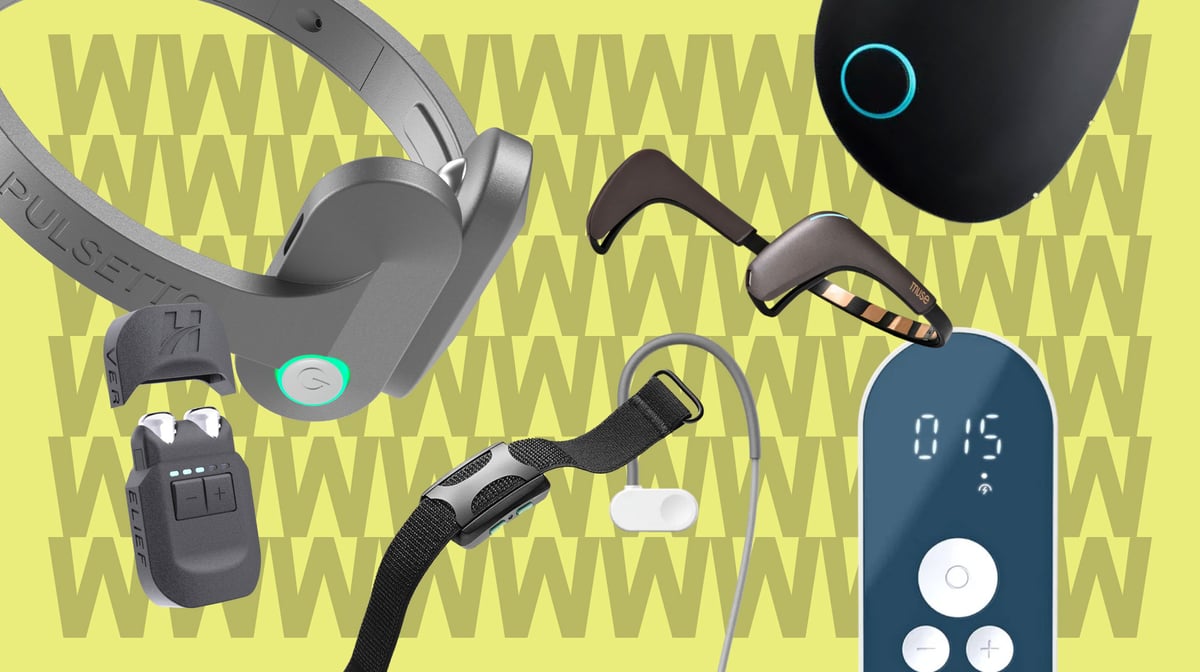
We’ve looked at the top stress relief devices on the market—here’s what you need to know
There are many ways to manage stress, and the 2026 health tech market offers a growing range of devices designed to help. From ear-based wearables that target the vagus nerve to wrist-worn devices that may help you stay grounded in the moment—there’s a lot to choose from.
That’s where this best stress relief device guide fits in. We’ve thoroughly tested and reviewed each relaxation wearable to pick out the best of the best. Here, you’ll find the key details on each device, including its specs, our experiences using it, and who we think may get the most from it.
At a glance: Best stress relief devices
- Nuropod: Best stress relief device for regular VNS sessions
- Pulsetto FIT: Best vagus nerve device for app integration
- Apollo Neuro: Best wearable stress relief device for convenience
- Muse 2: Best stress management device for focus training
- Hoolest VeRelief Prime: Best gadget for on-demand stress support
- Sensate: Best relaxation device to calm down
How we tested our top stress relief device picks
The stress-relief devices in this guide were tested over several months, rather than all at the same time. That’s because each gadget has already been reviewed in depth by different Wareable experts, giving us a longer-term view.
For this article, we brought those experiences together and revisited how each device feels and works in practice. We looked closely at the relief itself: does it feel immediate, or does it become more noticeable with regular use? We also considered what happened when testers stopped using a stress relieving device for a while and then returned to it.
Below, you’ll find the main specs alongside our previous hands-on experiences and these newer insights.
What health tech devices may help with stress?
Before we get into our picks, it helps to understand what these health tech devices are actually designed to influence. We can’t simply call them all “stress devices”, as they use very different technologies and approaches that stimulate, train, or track stress responses.
Our picks cover four different stress relief technologies. Here’s how each works.
Vagus nerve stimulation
Vagus nerve stimulation (VNS) devices use electrical stimulation to target the vagus nerve and, in turn, potentially influence autonomic nervous system activity. Devices such as Nuropod, Pulsetto, and Hoolest VeRelief Prime use different approaches to deliver this stimulation.
Research into non-invasive VNS is promising, but it’s still an evolving area. So, we’d view VNS as a potential longer-term stress-support tool rather than something guaranteed to make you feel calmer immediately.
Haptic or vibrotactile stimulation
Haptic technology uses physical vibrations or other tactile signals delivered through the skin. Apollo Neuro, for example, uses patterned vibrations through a wearable.
The research here is still developing, but there are studies suggesting that tactile and vibrating stimulation may influence anxiety.
EEG neurofeedback
EEG neurofeedback devices like Muse, take a very different route from all the other options on our list. Muse uses EEG sensors to monitor brain activity and provide you with real-time feedback while you meditate or practice relaxation.
The idea isn’t to directly stimulate your nervous system, but rather to give you information you can use to practice reaching and maintaining calmer states yourself. Research into consumer neurofeedback is growing, though right now evidence is limited and divided.
Vibroacoustic stimulation
Vibroacoustic technology combines low-frequency vibration with sound. Rather than sending electrical signals, devices such as Sensate use physical vibration and audio as a form of sensory stimulation.
We found some early research into this approach for stress support, although scientists mention that more studies are needed to have any quality evidence.
Nuropod
Best for exploring potential longer-term nervous system support
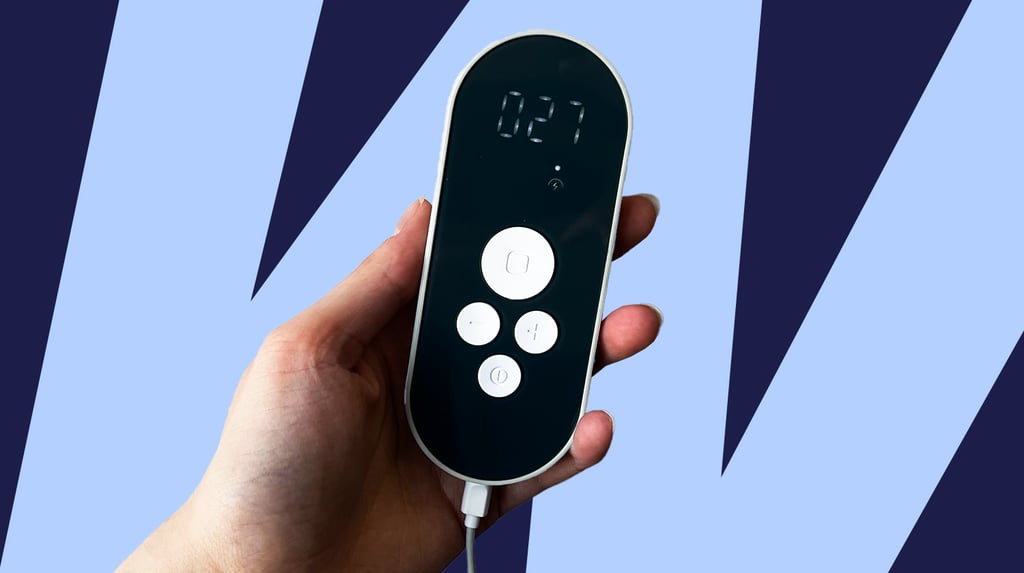
- Broad approach: Stimulate
- Technology: Vagus nerve stimulation
- Price: $900
- Placement: Ear tragus (wearable)
Vagus nerve stimulation devices differ partly in where they deliver electrical stimulation. Nuropod uses non-invasive transcutaneous auricular VNS, targeting the auricular branch of the vagus nerve through an earpiece that’s clipped to your tragus. You adjust the intensity using the attached controller, then sit back for a session. During our original month-long test, we used it for 15–30 minutes twice a day.
Our first experience wasn’t particularly magical. Keeping up the routine was tricky, and the tingling sensation in our ear was uncomfortable for some time. However, after a month of use, we noticed feeling calmer and more relaxed, with less agitation on stressful days.
Coming back to Nuropod for this guide felt like starting from scratch. The tingling was again uncomfortable, although sitting through a 30-minute session felt easier this time.
We didn’t notice any clear changes in our mood, habits, or physical state during our few sessions. What’s worth bearing in mind is that our earlier experience was more positive, but this short retest wasn’t enough to say the same.
- Read our full Nuropod review
Why choose Nuropod?
So, is Nuropod worth its $900 price tag? We still rank it first for its straightforward, app-free design and the research behind its underlying technology. Parasym, its manufacturer, says the technology has been investigated in tens of peer-reviewed studies, but that’s not a guarantee you’ll get the same benefits.
If the price is your main skipping point, check out these Nuropod deals and promotions.
- Technology studied in peer-reviewed research
- No gel required
- Simple, app-free controls
- Expensive
- Any benefits may not be immediate
- Ear clip may feel uncomfortable for some
Pulsetto FIT
Best integration with the companion app
- Broad approach: Stimulate
- Technology: Vagus nerve stimulation
- Price: $269
- Placement: Neck (wearable)
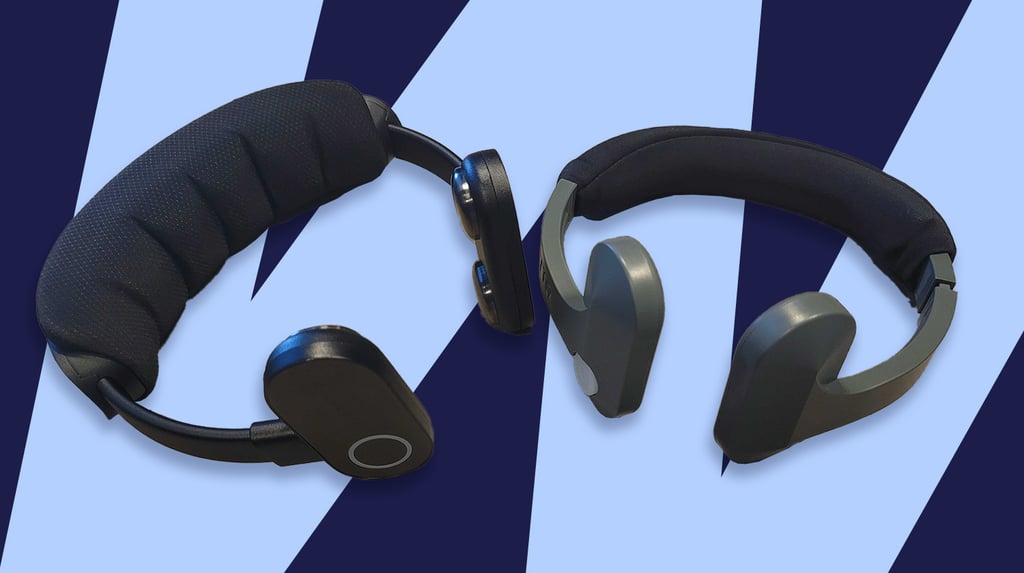
Like Nuropod, Pulsetto uses non-invasive vagus nerve stimulation, but it delivers electrical pulses through contact points on either side of the neck. FIT is one of three models in the lineup, alongside Lite and FIT X, with differences in design, battery life, and features.
Since our previous Pulsetto FIT test, we’ve gained a new appreciation for its companion app. The updated interface feels more polished than those of the other devices in our roundup. The free version offers five programs—Stress, Sleep, Calm, Focus, and Release—with up to nine intensity levels.
In our earlier testing, we didn’t notice an immediate calming effect. After around four weeks of regular use, though, one tester reported a subtle improvement in their sleep, finding it easier and quicker to fall asleep. That’s an individual observation rather than proof that Pulsetto will work for everyone.
Our latest retest was too short to notice any clear changes. Interestingly, the electrical sensation around our neck felt stronger than we remembered. That may simply be due to differences in how we used the device, particularly after trying FIT X, which offers more adaptive stimulation.
- Read our full Pulsetto review
Why choose Pulsetto?
At $269, Pulsetto FIT is a more accessible entry point into VNS than Nuropod. We think it makes a strong case for itself with its well-designed companion app, hands-free use, and five programs to choose from.
If you're interested in trying it, check out these Pulsetto discounts before buying.
- Reasonable price for a VNS device
- Hands-free sessions
- Amazing app with five free programs
- Neck stimulation felt uncomfortable for us
- Fit may not suit every neck size
- The perceived benefits may take time
Apollo Neuro
Best daily convenience
- Broad approach: Stimulate
- Technology: Haptic (Vibrotactile stimulation)
- Price: $448
- Placement: Wrist (wearable)
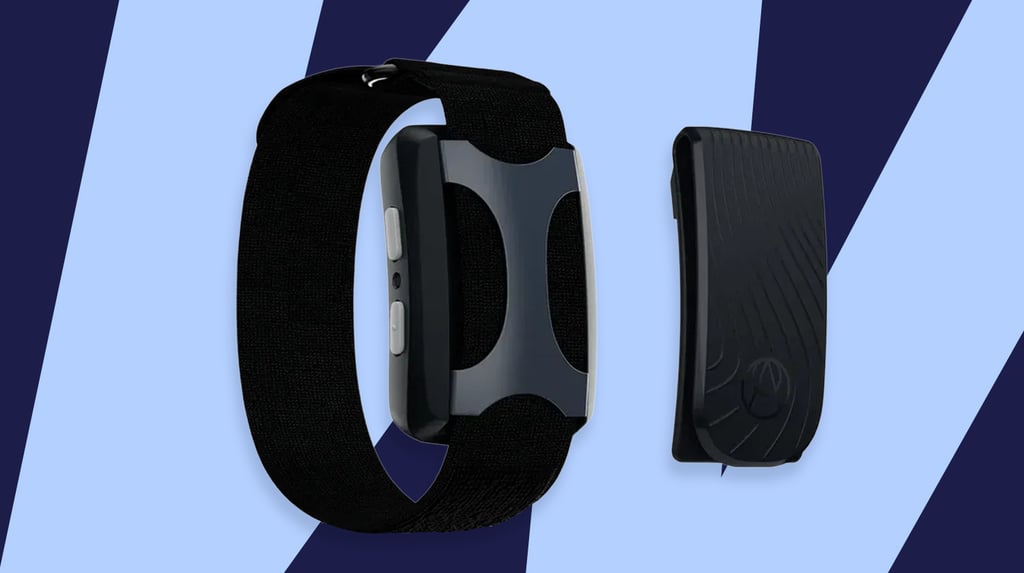
Looking a lot like a fitness tracker, Apollo Neuro uses haptic/vibrotactile technology to deliver patterned vibrations through your skin. The brand claims these gentle vibrations are designed to promote relaxation, recovery, and better sleep.
We found it comfortable to wear, although it may feel slightly bulky if you have smaller wrists. You get to choose the color, and its design wouldn’t look out of place alongside a regular fitness band.
Using Apollo Neuro is straightforward. In our previous test, we found the vibrations gentle and calming after wearing it for a while. Just be careful with the intensity: 100% felt very strong, and we usually stuck to around 30–40%. Another Wareable tester also reported feeling more positive and sleeping better while using Apollo, although this doesn’t guarantee similar results for everyone.
Coming back to Apollo Neuro for this review felt easier. We already knew which settings worked for us, and the comforting vibrations felt nice almost immediately. We can’t say whether it consistently helps with stress, but we found it a pleasant device to use.
- Read our full Apollo Neuro review
Why choose Apollo Neuro?
Apollo Neuro is a considerable investment for a wearable that delivers vibrations. However, the $448 price includes one year of SmartVibes AI membership, which is required to access the app and its features. You;ll need to factor in the ongoing membership cost after the initial period, too.
We’d consider Apollo if you want something you can wear all day and turn to when you need a grounding sensory experience. The vibrations felt comforting in our testing, but the benefits may vary from person to person.
You can also check out our exclusive Apollo Neuro discount to save on your purchase.
- Comforting vibrations in our experience
- Easy to use
- Wearable throughout the day
- Expensive upfront
- Requires an ongoing membership for app access
- May not feel beneficial to everyone
Muse 2
Best for focus and stress-response training
- Broad approach: Train
- Technology: EEG neurofeedback
- Price: $212.49
- Placement: Head (wearable)
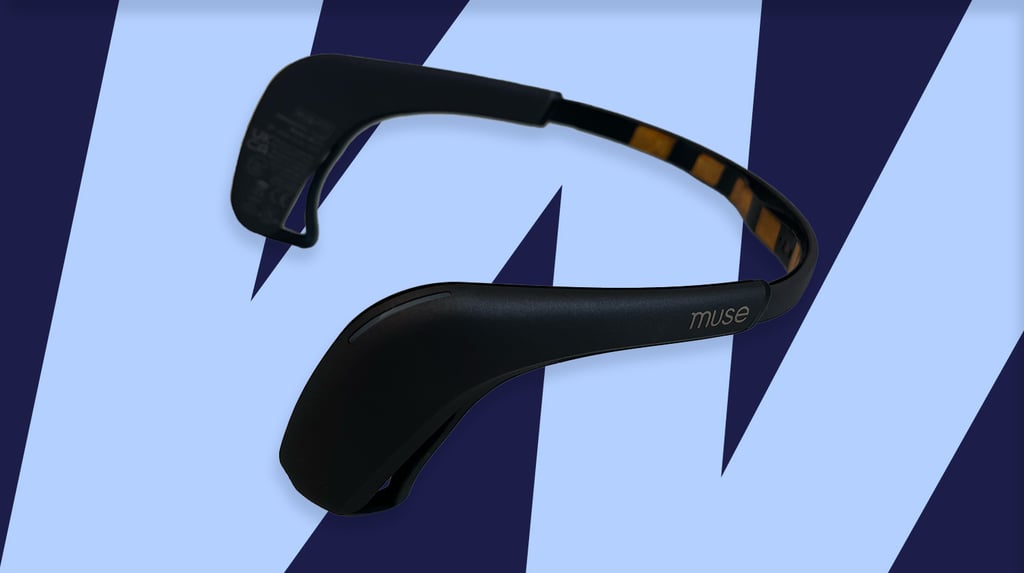
Muse 2, as we mentioned previously, is quite different from all the other devices on our list. It doesn’t deliver electrical stimulation or vibration, but instead aims to help you practice meditation by monitoring your brain activity, heart rate, breathing, and body movements. In short, it’s a training tool.
The headband uses EEG sensors to measure brain activity, a PPG sensor to track heart rate, and an accelerometer body for movements and breathing. It’s slim, lightweight, and flexible, meaning it’s easy to fit around your head.
Getting used to Muse 2 during our original testing took some time. We initially struggled to concentrate and regularly received low calm scores. After the first week, though, we got the hang of it and started enjoying the sessions, even if we didn’t feel a significant improvement in our focus or stress levels.
Returning to Muse 2 wasn’t as challenging, and we quickly reached a 45% calm score in our first session. The game-like feedback felt a little predictable, making it harder to stay fully engaged. But, we did find that concentrating on the session helped take our minds off the day’s stressors.
- Read our full Muse 2 review
Why choose Muse 2?
At its current $212.49 price, Muse 2 feels reasonably accessible for a headband with multiple sensors and meditation activities. To save even more you can check Muse discount deals.
We’d say, Muse 2 may interest you if you enjoy meditation and want to build your focus through regular practice rather than relying on electrical stimulation. The feedback makes sessions more interactive, but our experience didn’t result in significantly reduced stress.
- Encourages active meditation practice
- Gamified, real-time feedback
- Multiple sensors and modes
- Sessions may become boring
- Feedback isn’t always clear
- Stress-management benefits weren’t clear in our testing
Hoolest VeRelief Prime
Best for quick, discreet sessions
- Broad approach: Stimulate
- Technology: Vagus nerve stimulation
- Price: $159
- Placement: Neck (handheld)
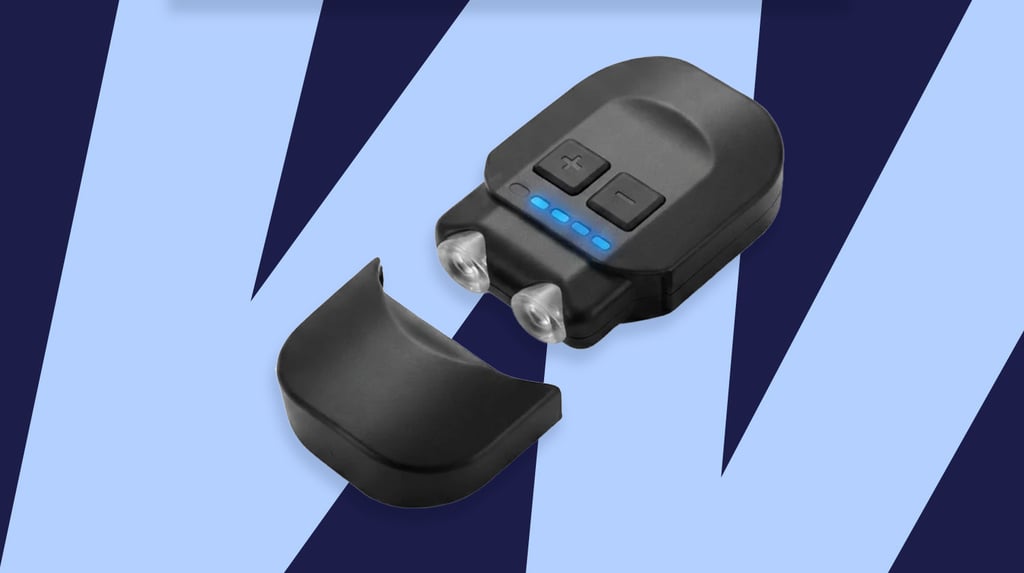
We’ve generally had a positive experience with Hoolest VeRelief Prim, although it ranks lower in our guide. We still think it’s one of the most convenient options for on-the-go use, thanks to its compact design and short sessions.
Size matters here. The handheld device fits into your palm, so you can carry it in a pocket or bag and use it when needed. Unlike Apollo Neuro or Sensate, though, it delivers electrical stimulation, so you should follow recommended usage instructions rather than treating it as something to use continuously.
During our first testing, we couldn’t say for certain that VeRelief Prime helped us calm down in the moment. Yet, we appreciated the quick stimulation sessions, which felt more convenient than sitting through a longer routine. Over time, our testers also reported feeling less groggy in the mornings and having more energy, alongside a more positive, relaxed mindset.
As with our other VNS devices, we didn’t notice an immediate effect during this guide’s retesting. The experience felt much the same as before, with no clear changes to report.
- Read our full Hoolest VeRelief review
Why choose Hoolest VeRelief Prime?
VeRelief Prime is currently the most budget-friendly device on our list at $159. There’s also no app or subscription, although you may need to get gel tip replacement at some point. For an even better price, we recommend checking out Hoolest 2026 deals.
Hoolest VeRelief Prime is affordable, discreet, and small—perfect if you can’t set aside time for a longer session. We didn’t experience immediate relief, but its overall convenience may make it an appealing option to keep close at hand.
- Budget VNS option
- Compact and lightweight
- App-free sessions
- Immediately effect weren’t clear in our testing
- Stimulation may feel uncomfortable for some
- Gel tips need replacing after a while
Sensate
Best for an immersive relaxation experience potential
- Broad approach: Stimulate
- Technology: Vibroacoustic
- Price: $299
- Placement: Sternum (handheld)
The last device on our list is another Wareable expert favorite: Sensate.
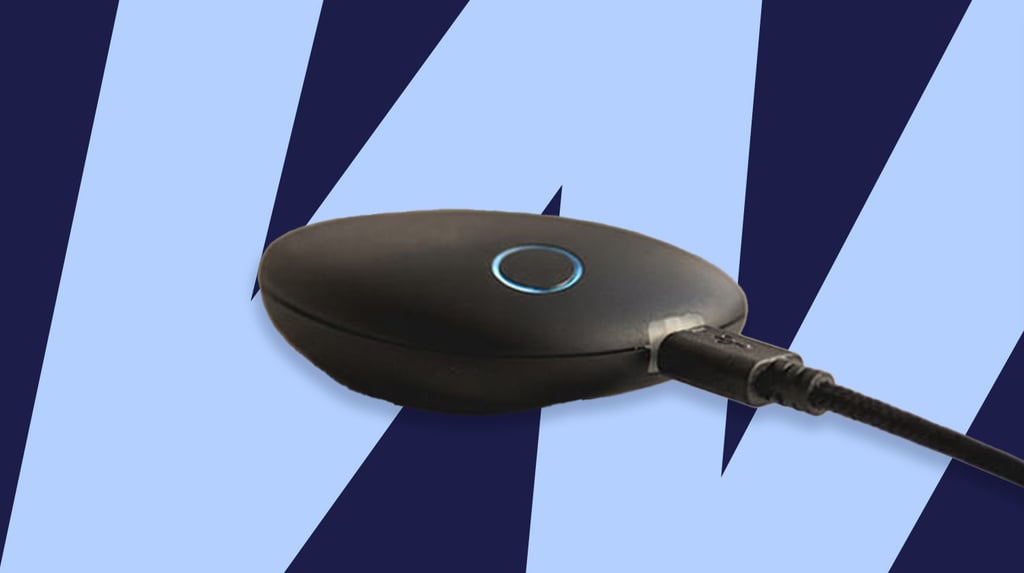
Sensate takes a vibroacoustic approach, combining gentle vibrations against your sternum with soundscapes played through its companion app. In our original testing, it was one of the few devices that seemed to deliver an immediate sense of relaxation. The combination of sound and physical sensation felt immersive, helping us settle into the session and switch off for a while.
That said, our latest experience was a different story. We used the free version of the app, which offers a limited selection of soundscapes we’d already become very familiar with. As a result, sessions felt repetitive and a little too long.
We suspect Sensate may still appeal to us on a particularly stressful day, but this time around, the experience left us less convinced. It was a reminder that a device that feels effective at first may not have the same impact every time.
- Read our full Sensate review
Why choose Sensate?
At $229, Sensate is an investment, and you’ll want to factor in the option Plus subscription if you want access to more app content and features. The free version gives you a way to try the experience, but its limited selection may start to feel repetitive over time.
Despite our less enthusiastic retest, Sensate could still be worth considering if you enjoy immersive, sound-led relaxation sessions. Just keep in mind that the evidence for Sensate specifically is still limited, and you’ll need to set aside time to sit or lie down while using it.
- Can be handheld or worn with the lanyard
- Material is very soft
- Immersive sessions
- Limited research on Sensate
- Free app content may feel repetitive
- Requires seated sessions
How to choose the best stress relief device
Choosing a stress relief device isn’t just about finding the one with the most features. We’d start by thinking about what you actually want it to do and, most importantly, whether you’ll enjoy using it regularly.
- Ask yourself how you’ll use it. Ease of use and comfort can make or break a device. Nuropod clips onto your ear, Pulsetto sits around your neck, Hoolest is handheld, Muse requires a headband while you meditate. Apollo, meanwhile, is designed to be worn on your wrist and Sensate is more of a sit-down relaxation device that rests on your chest.
- Do you want immediate relief or longer-term training? Think about whether you want something to use during stressful moments, or whether you’re more interested in regular sessions that might help you build better relaxation or self-regulation habits over time.
- Look at the evidence behind the technique. VNS, vibrotactile stimulation, EEG neurofeedback, and vibroacoustic approaches all work differently, and the amount of research behind each varies. We’d look at the evidence for the underlying technology rather than blindly trusting product claims.
- Think about your budget. Set a budget you’re comfortable with, check whether the app is useful without a subscription, and if there are any other ongoing costs. Luckily, the brands on our list frequently offer discounts and promotions, so you may be able to save.
Best stress relief devices compared
Before finalizing this guide, we put all six devices side by side to compare the things that matter most: price, technology, session length, app costs, and customer protections. We’ve also highlighted what each device is best suited to, whether you want on-demand relief, regular relaxation sessions, or a way to practice self-regulation.
| Device | Nuropod | Pulsetto FIT | Apollo Neuro | Muse 2 | Hoolest VeRelief Prime | Sensate |
| Price | $900 | $269 | $448 | $212.49 | $159 | $299 |
| Technology | Auricular VNS | Bilateral VNS | Vibrotactile stimulation | EEG, PPG, and accelerometer | VNS | Vibroacoustic stimulation |
| Description | VNS device for stress support and regulation | VNS device for stress and sleep management | Wrist-worn vibration device for stress resilience support | EEG meditation headband helping to train stress response | Handheld VNS device for fast potential stress relief | Relaxation device to help calm down in the moment |
| Session time | 15–30 min.; 2x daily | 4–10 min.; 2x daily | All day; as needed | 3–30 min. per meditation | 2–10 min.; as needed | 10–30 min.; as needed |
| App subscription | N/A | ✅– $139/year (optional) | ✅– $99/year (required) | ✅– $49.99/year (optional) | N/A | ✅– $49.99/year (optional) |
| App free-trial | N/A | 14-day Premium trial | 1-year membership included | 1-year subscription available with bundle | N/A | 1-year subscription available with bundle |
| Warranty | 24 months on device; 6 months on earpiece | 24 months | 12 months | 12 months | 12 months | 12 months |
| Return period | 30 days | 30 days | 30 days | 30 days | 30 days | 90 days |
| Best for | People looking for a premium, well-researched VNS device | People who want app-guided VNS sessions | People who prefer all-day wearable | People who want to practice meditation and self-regulation | People who want portable, on-demand VNS | People who prefer sit-down relaxation sessions |
| Official websites | Visit Nuropod | Visit Pulsetto | Visit Apollo Neuro | Visit Muse | Visit Hoolest | Visit Sensate |
Check out each device in-depth review
Best sleep tech: Our top picks for better sleep
Best vagus nerve stimulation devices: Our tested picks for stress and relaxation
Final verdict: Which should you buy?
The best stress relief device for you depends on your budget, the technology you’re interested in ,and the kind of support you’re looking for.
In our opinion, Nuropod is the most compelling option for exploring longer-term stress support. It’s expensive, but its straightforward, app-free design and the research behind its underlying technology make it a worthy choice to consider.
If you’re interested in VNS but want to spend less, consider Pulsetto or Hoolest VeRelief Prime. Just compare their placement, features, and any ongoing costs, as each offers a different experience.
For a more sensory approach to relaxation, we recommend Apollo Neuro or Sensate. Their vibrations may give you a comforting experience, although the benefits will vary. Muse 2, meanwhile, is a good fit if you want to practice meditation, build your attention skills and explore stress-response training through interactive feedback.
FAQs
For our top pick, we’d choose Nuropod, though the best device depends on what you want from it. Nuropod uses auricular vagus nerve stimulation and requires no app or subscription. That said, it’s an expensive device, so you may want to check out some of the other options too.
Potentially, although stress relief devices shouldn’t be viewed as a treatment for anxiety. Some studies have investigated whether various techniques like vagus nerve stimulation or neurofeedback may reduce anxiety symptoms, but more research is needed.
Generally yes, when used as directed. But, safety varies between technologies and highly depends on individual circumstances. If you’re not sure whether the wearable stress relief device is suitable for you, it’s best to speak to your doctor first.
No, not always. Some devices, including Nuropod and Hoolest VeRelief Prime, can be used without an app and, in turn, don’t require subscription. Meanwhile, others may offer optional or required subscriptions. It’s worth checking what’s included for free, as some apps reverse additional programs and important features for paying customers.
-
Psychology, Health & Medicine.
-
Human Movement Science.
-
Journal of Medical Internet Research.
-
Healthcare.