- May be a helpful tool for stress resilience, sleep, or pain management
- One of the most affordable VNS devices on the market
- Easy to set up and start using
- Some clinical data is already published on Pulsetto, with more underway
- The effects, if any, require time and consistency
- The app lacks clear guidance on session time
Non-invasive vagus nerve stimulation has gone from a niche interest to a full-blown wellness trend, with a growing lineup of wearables promising to reduce stress, ease anxiety, and improve sleep. Needless to say, I was excited to try out one of them myself: after all, who wouldn’t want to improve their stress resilience by simply using a device for a few minutes per day?
| Product | Pulsetto |
| Price | $224 for the original model and $296 for the upgraded FIT model |
| Additional requirements | Electrode gel |
| Best for | Stress and sleep support, and budget-conscious users curious about VNS |
| Key specs | Bilateral neck-worn tVNS device 5 free programs (stress, anxiety, sleep, burnout, pain) 9 intensity levels USB-C rechargeable |
| Coupons | Pulsetto discount code: Get an extra 10% off |
That curiosity is what led me to Pulsetto, one of the more affordable options in this space with emerging research behind it. I've tested wellness wearables before, but vagus nerve stimulation felt harder to judge than sleep trackers or fitness devices.
Over several weeks of daily use, however, I wanted to find out two things: does it actually do anything noticeable, and would it become a realistic daily habit rather than another wellness gadget I abandoned after a week? Here's what I found.
What is Pulsetto and how does it work?
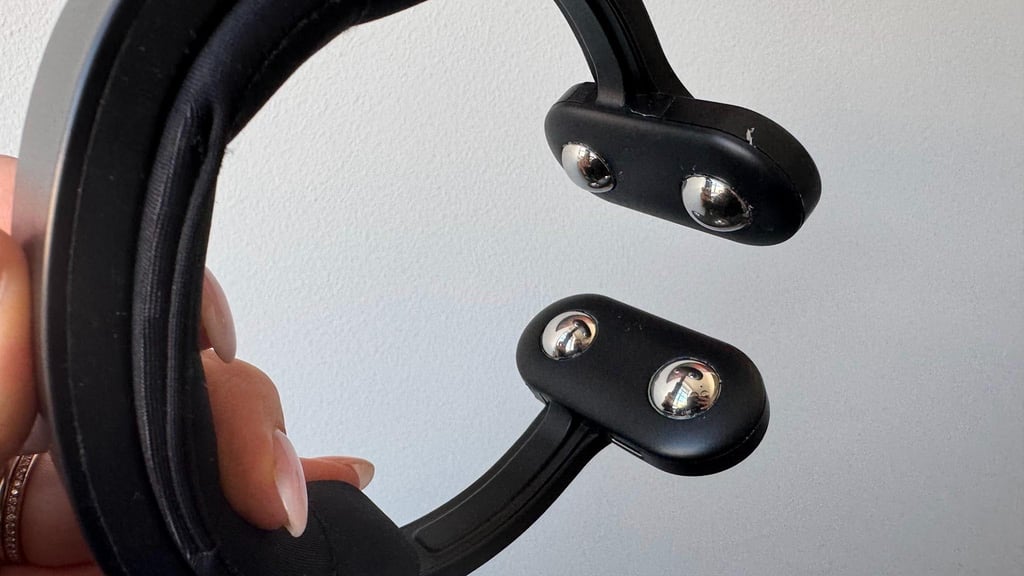
Pulsetto is a non-invasive vagus nerve stimulator (VNS). It sends gentle electrical pulses through the skin of your neck in aims to stimulate the vagus nerve. This is done to potentially enhance your resilience to stress.
If that sounds confusing, the concept is simpler than it appears. The vagus nerve is essentially seen as a communication highway between your brain and many of your organs. It plays a role in your parasympathetic nervous system—the "rest and digest" side, the opposite of your "fight or flight" stress response. In theory, by stimulating this nerve with electrical pulses, you may help your body shift from a stressed state into a more relaxed one.
The research behind Pulsetto
The idea that Pulsetto may help to enhance resilience to stress comes from scientific research on non-invasive VNS devices. Although the science is still developing, research suggests an association between VNS and some potential benefits, including improved stress resilience, sleep scores, and mood. These are general studies, meaning they didn’t use Pulsetto in particular, so the results can't be directly attributed to this device.
That said, Pulsetto does have its own research. For instance, a 2025 peer-reviewed study found that it may increase alpha-wave brain activity, associated with a calmer mental state, and support arterial blood pressure. The study was small and looked at a single session, so it's far from conclusive, but it's more device-specific evidence than most competitors can point to.
What makes Pulsetto somewhat unique is that it's bilateral—it stimulates both sides of the vagus nerve simultaneously rather than just one. Whether that translates into noticeably better results is unclear, especially since many studies on non-invasive vagus nerve stimulation used devices that target the vagus nerve via different parts of the body, mostly the tragus (part of the ear), although devices applied on the neck are also being studied.
Price and value
At the moment, it is one of the most affordable VNS devices out there. Priced at $296 (for the basic model), it is still an investment—but looking at alternatives, it is clear that this is pretty much the starting point of non-invasive VNS devices. Some of the most expensive ones cost around $900 (Nurosym, for example), while cheaper options, such as Hoolest ($159), have serious drawbacks, including a lack of clinical data.
This is not to say Pulsetto doesn’t have drawbacks as well, but given what you get for the price, I would say this device is a standout option for anyone on a tighter budget.
For me in particular, Pulsetto stands out due to several clinical trials already published, with more on its way. Most brands rely on general studies conducted on non-invasive stimulators rather than their specific product, making Pulsetto unique in this niche. This comes with one caveat: the studies on Pulsetto are relatively small, so we need more research to understand the potential benefits and risks. Still, given the price, I would consider Pulsetto as one of the most cost-effective devices for those interested in non-invasive vagus nerve stimulation.
Design, comfort, and first impressions
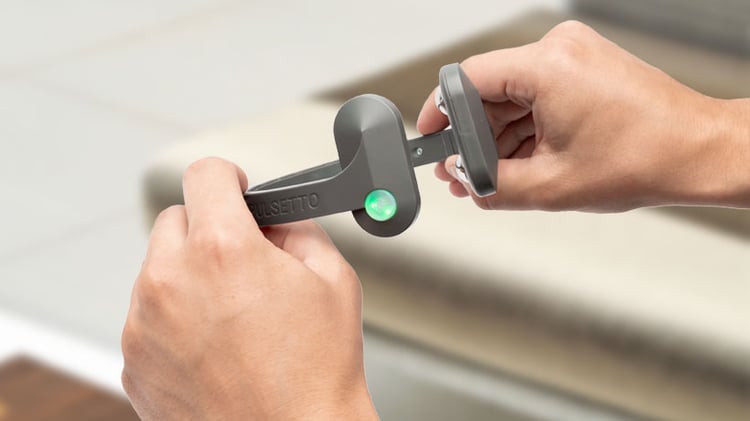
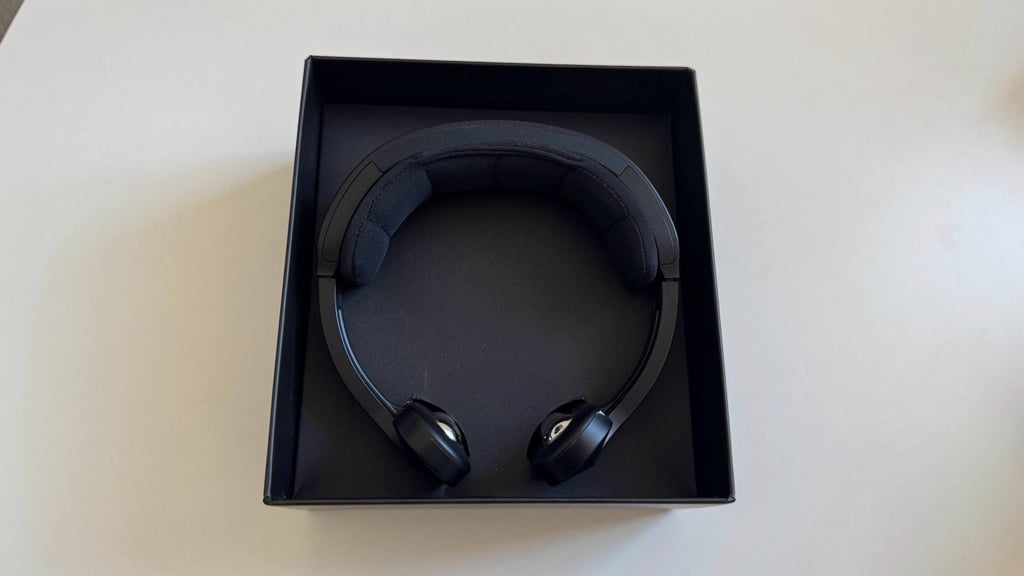
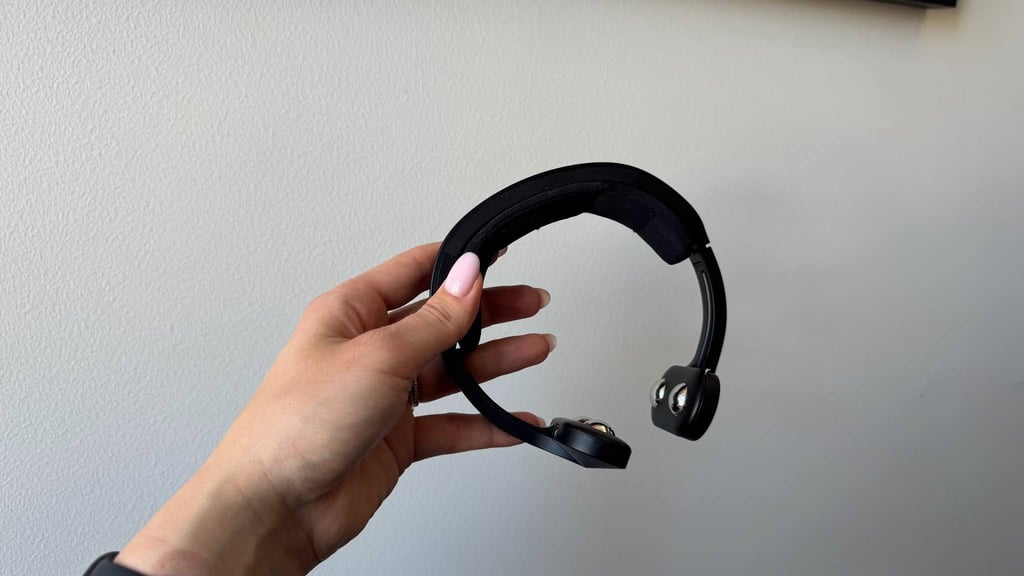
Right out of the box, Pulsetto looks pretty much like the photos online. It's a U-shaped device that wraps around the back of your neck, with two electrode pads on either side. The build seems sturdy, and it's surprisingly lightweight for how solid it feels in your hands.
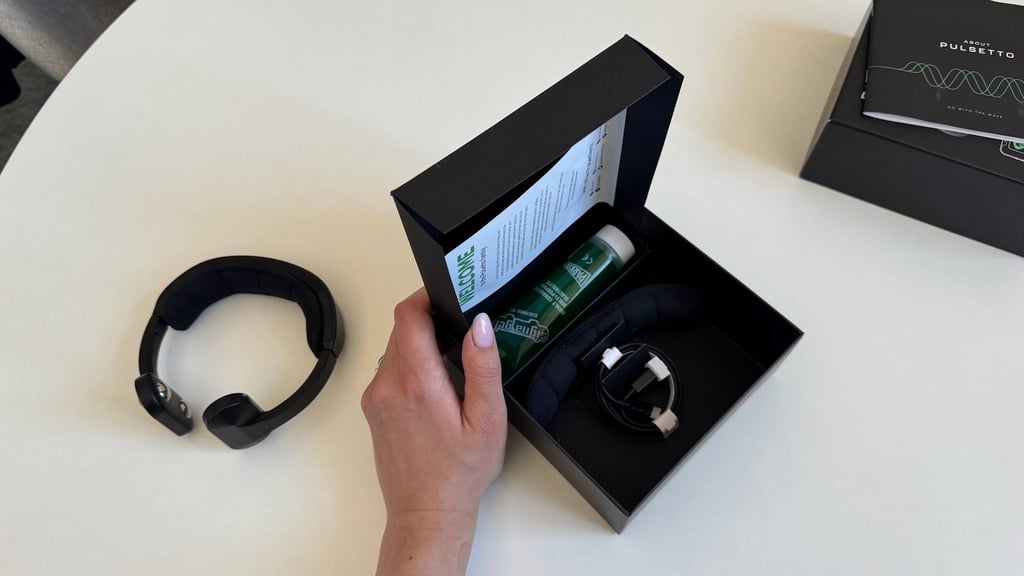
For this review, I tried the newer version, Pulsetto FIT. Before the unboxing, I was a bit worried it might not suit me well, but this particular version (Pulsetto FIT) is tailored to accommodate a wider range of neck sizes, including small ones, so no surprises there.
Tingly but not uncomfortable
Design aside, the most curious question is, how does it feel like? The first word that comes to mind is strange, and I can't think of a better one. It's not pleasurable, nor painful—unless the intensity is set too high. A few colleagues got curious about the strange gadget on my neck and, after trying it themselves, described the feeling as prickly, sharp, and reminiscent of a TENS device. Overall, it is tolerable.
Using it for the first time
I will also admit that using Pulsetto for the first time felt confusing. I ran into my first issue: I didn’t feel anything on one side and I was doubting whether I was placing the device properly. Turns out I hadn't applied enough gel. After carefully reviewing the instructions, however, I conceded my positioning was fine, and with enough gel, both of the electrodes delivered that unmistakable buzz. So, while it wasn’t exactly an out-of-the-box experience for me, the learning curve is minimal, a matter of a few minutes.
Beware of the delay
I also noticed one minor drawback right away: there's a short delay between pressing play in the app and the current actually kicking in. At first, this had me wondering whether the device was even working, so I suggest resisting the urge to turn up the intensity if you don't feel anything immediately. Setting it too high can make the current genuinely uncomfortable, and, as noted on the Pulsetto website, the currents should not feel painful, only mildly tingling.
Everyday usability and app experience
Pulsetto requires electrode gel for conductivity, so using the device wasn't mess-free. Initially, the gel didn’t bother me that much, but since the brand recommends using the device twice per day, cleaning up afterward became tiresome. The gel would get stuck in my hair as well, so while the session may take only 4 minutes, the cleanup will extend that.
I also have mixed feelings about the app. I’ve read a lot of reviews about the app crashing constantly, but that wasn’t my issue.
For me, choosing the stimulation programs was confusing. Without the premium, it offers five programs: stress, anxiety, sleep, burnout, and pain. I’ve tried them all, but I wasn’t entirely sure which one I should use every day. Users can increase the session times, so again, I wish there was more guidance from Pulsetto on what to choose and how long, as I was left to develop my own protocol.
Additionally, the app keeps trying to push its premium version. The free version covers the basics, and you don't need the premium to use the device, so declining the offers became slightly annoying, especially since I was set on not getting it.
However, aside from these nuances, the overall everyday experience was smooth, and incorporating Pulsetto in my daily routine wasn’t difficult.
My experience using Pulsetto
This is the part everyone wants to know about, so I'll be straightforward: my experience was mixed, leaning positive.
During the first few days, I didn't notice much. I used the stress and anxiety programs mostly, and tried to reach the recommended two sessions every day. The app suggests programs for specific issues—stress, nervousness, before sleep, burnout, or pain—as indicated by their names, and implies that you may experience relief after just one session.
However, I personally did not experience any immediate effects. What I noticed was a subtle shift after about 4 weeks of consistent use. Surprisingly, not for stress or anxiety, but for sleep. I tend to fall asleep easily, but staying asleep is where I struggle the most. This isn't due to a loud environment or other external factors, and I’ve tried many things before Pulsetto without much impact.
With Pulsetto, I was still waking up throughout the night, but it became easier to fall asleep. I occasionally get 6–7 hours of sleep just because of these midnight awakenings and the difficulty of drifting back off. According to my Apple Watch data, however, I now spend less time awake at night, which has also made my mornings easier, as I don’t feel as groggy anymore.
For this testing period, I didn’t change any of my other habits, so I assume that Pulsetto is the main contributor to this change. Obviously, a lot of factors influence sleep, and take my experience with a grain of salt, but I am happy with the outcome regardless.
Does Pulsetto actually work?
Honestly, this is not as easy to answer, although I had positive experiences with Pulsetto. The science behind non-invasive VNS is also promising, yet still in its early stages.
From all that I’ve learned, Pulsetto may not work for everyone. Besides that, it is not intended to treat any conditions, so the first step would be to consult your healthcare provider.
If you go in with realistic expectations—a wellness tool that might help over time with consistent use, not a quick fix—you're less likely to be disappointed.
Safety, side effects, and who should avoid it
When it comes to the safety profile of Pulsetto, current evidence on non-invasive vagus nerve stimulation (VNS) suggests that it is generally considered well-tolerated for most
A systematic review found that non-invasive VNS is generally well tolerated, with skin irritation as the most frequently reported side effect. The study also notes occasional reports of headaches, dizziness, and nausea.
However, our understanding of potential risks is still evolving. We don’t have long-term studies on non-invasive VNS, meaning this is one of the key areas that require further research.
Pulsetto also states that certain individuals should avoid using the device or consult a healthcare professional before use, particularly those with implanted electronic devices such as pacemakers, a history of serious heart conditions, epilepsy, or those who are pregnant. If you experience persistent discomfort or unusual symptoms while using the device, discontinue use and seek medical advice.
Pulsetto vs. alternatives
As alternatives to Pulsetto, you will find a wide range of devices out there, but heads up: not all of them are non-invasive VNS devices, so be cautious when choosing.
Pulsetto vs. Nurosym
Both Nurosym and Pulsetto are non-invasive VNS devices, but they differ in the placement of the electrodes. Nurosym is clipped on the tragus (a small cartilage flap in the ear), stimulating the auricular branch of the vagus nerve, whereas Pulsetto targets the cervical branch through the neck. Placement on the ear is somewhat more studied, and Nurosym claims to have been used in various clinical trials, although these studies are not available in peer-reviewed journals.
From my testing, however, using Nurosym was easier: there's no gel involved, no cleanup, and you can use it more discreetly. Admittedly, the price point of Nurosym is steep: $810 at the moment.
Pulsetto vs. Apollo Neuro
Apollo is worn as a bracelet and uses gentle vibrations rather than electrical stimulation. For this reason, some find it more comfortable. However, it's not a traditional vagus nerve stimulator, as it relies on a fundamentally different mechanism.
In my opinion, Apollo would be suitable only for those who can’t tolerate vagus nerve stimulation via electrical pulses at all. Keep in mind that research on devices like Apollo Neuro is currently extremely limited.
Pulsetto vs. Sensate
Sensate takes a completely different approach. This device is placed on your chest and uses vibrations paired with calming soundscapes, making it feel more like a guided meditation tool than a VNS device. Notably, the brand behind Sensate does not market it as a vagus nerve stimulator.
Where it wins, however, is the ease of use—no gel, no tingling—and it integrates well into a wind-down routine. Again, as with Apollo Neuro, I would recommend it only for those who tolerate VNS.
Final thoughts
After spending weeks with Pulsetto, here's where I land: it's a well-priced entry point into non-invasive vagus nerve stimulation. It's not perfect, but nothing in this category is, especially since we just lack clinical data on VNS devices in general.
Would I recommend Pulsetto? If you're curious about vagus nerve stimulation and don't want to spend over $500, yes, Pulsetto is one of the most sensible places to start.
But keep your expectations realistic. The results, if any, usually happen gradually and are subtle. I didn't feel anything during the first week, and the improvements that did come—mainly in sleep—took about a month of consistent use to become noticeable. Moreover, it might just not work for you, as these devices are definitely not a one-size-fits-all solution.
- Journal of Personalized Medicine. Application of Noninvasive Vagal Nerve Stimulation to Stress-Related Psychiatric Disorders.
- Autonomic Neuroscience. A two-week course of transcutaneous vagal nerve stimulation improves global sleep: Findings from a randomised trial in community-dwelling adults.
- Journal of Affective Disorders. Effect of transcutaneous auricular vagus nerve stimulation on major depressive disorder: A nonrandomized controlled pilot study.
- American Journal of Physiology-Regulatory, Integrative and Comparative Physiology. Acute transcutaneous cervical but not auricular vagus nerve stimulation increases alpha wave brain activity and lowers arterial blood pressure.
- Communications Biology. Cervical transcutaneous vagal nerve stimulation (ctVNS) improves human cognitive performance under sleep deprivation stress.
- Brain Stimulation. Safety and tolerability of Transcutaneous Vagus Nerve stimulation in humans; a systematic review.
-
Journal of Personalized Medicine.
-
Autonomic Neuroscience.
-
Journal of Affective Disorders.
-
American Journal of Physiology-Regulatory, Integrative and Comparative Physiology.
-
Communications Biology.
-
Brain Stimulation.