- Simple controls
- Hands-free design
- Mess-free experience
- Research-focused position
- High price tag
- Longer sessions
- Ear clip may be uncomfortable for some people
Stress and anxiety may affect almost everyone at some point in life, and for some people, these feelings can become persistent enough to disrupt daily plans and routines. Quite often, stress overtakes my day too, leaving me to battle anxious thoughts, poor sleep, and an elevated heart rate.
Now, there are many methods to manage stress, from medications to breathing exercises. While researching health tech at Wareable, I stumbled upon vagus nerve stimulation (VNS) devices—a unique approach to nervous system regulation.
If you’re new to VNS, here’s a simple rundown: these devices are supposed to stimulate your vagus nerve (one of the largest nerves in the body) to influence nervous system functions long-term. They include implantable devices that are FDA-approved for PTSD, epilepsy, and depression, and at-home non-invasive wellness tools targeting the neck or ear.
In this Nuropod review, I cover my month-long experience with this ear-based device. I’ll share with you what changes I noticed, my first impression, how a session feels, and whether Nuropod is worth the investment in my opinion.
| Product name | Nuropod |
| Price | $855 |
| Star rating | 4/5 stars |
| Key specs | Earpiece with a controller The app isn’t required No conductive gel needed 15–30-minute daily sessions 2-year device warranty 6-month earpiece warranty |
| Verdict | Best for hands-free and easy daily use |
| Coupons | Nuropod discount code: Save 5% and get free shipping |
Nuropod: What is it and how does it work?
What is vagus nerve stimulation?
The vagus nerve is the longest cranial nerve in your body that branches from your brain and goes down through your lungs, heart, and digestive organs. It acts as a major pathway of the parasympathetic nervous system, which is associated with rest and relaxation.
Research suggests that stimulating this vagus nerve may trigger your body's natural relaxation response. So, vagus nerve stimulation is considered a treatment method that works by sending electrical pulses to activate this nerve. Though non-invasive VNS devices are usually not FDA-approved or cleared, meaning they’re just wellness tools rather than medical devices.
All about Nuropod
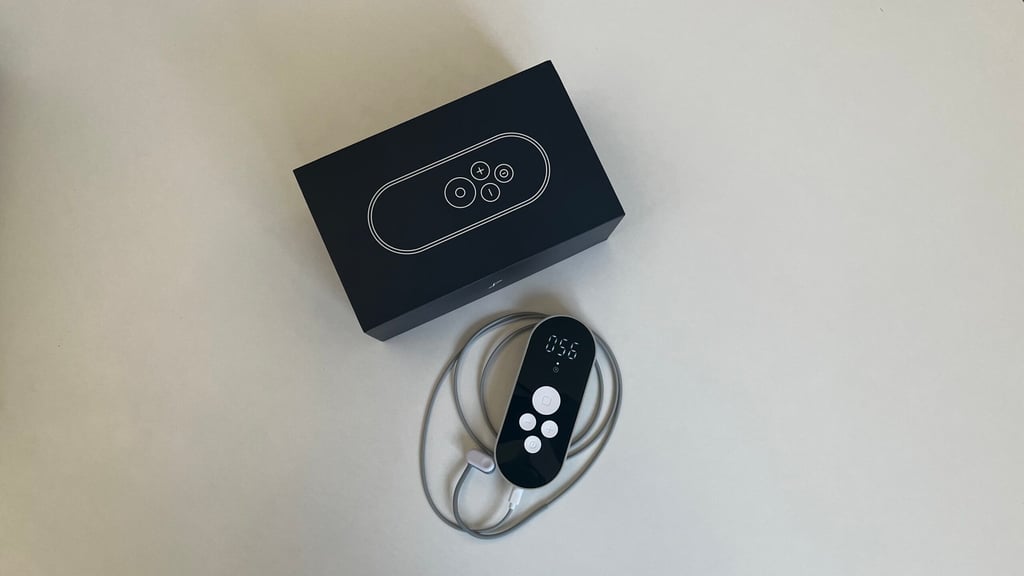
Nuropod is a non-invasive transcutaneous auricular vagus nerve stimulation (taVNS) device made by Parasym. It’s essentially an earpiece that clips to your ear and sends electrical pulses to the auricular branch of the vagus nerve.
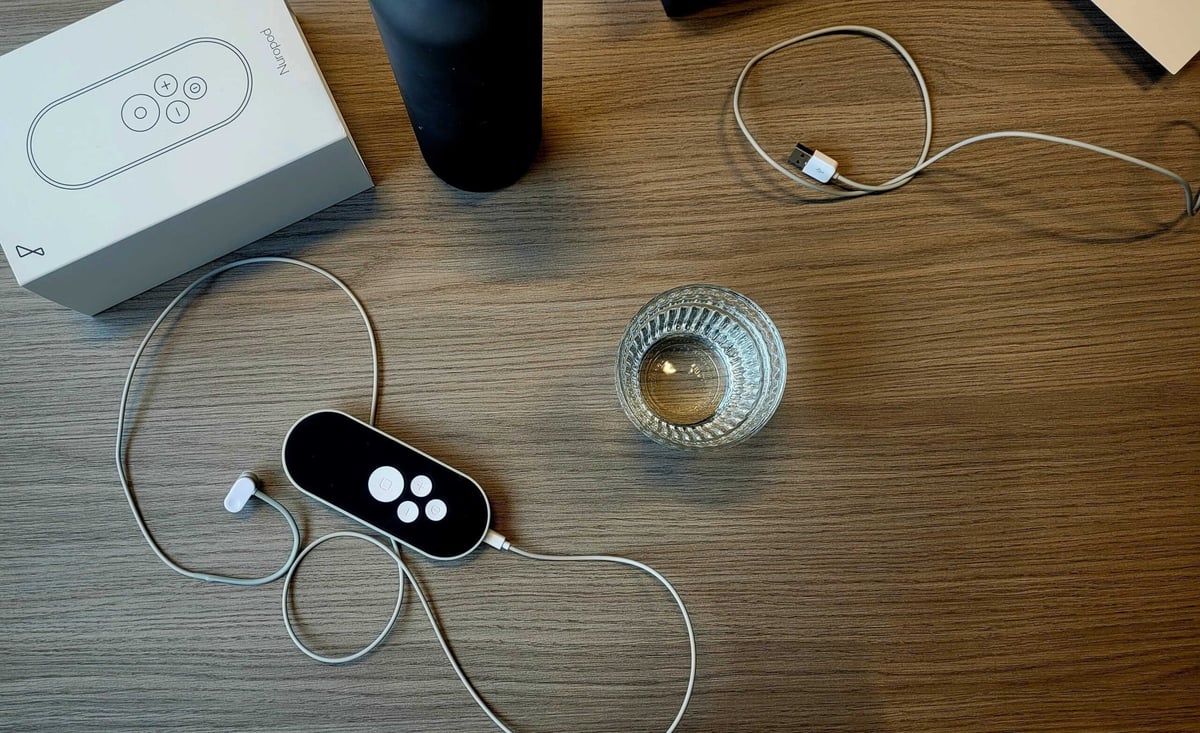
There’s no actual need for an app or conductive gels, just a small controller with four buttons to turn it on and adjust intensity. Honestly, it’s the most ready-out-the-box vagus nerve stimulator I’ve tried.
Parasym claims the device may help activate your body’s self-repair mechanisms, build stress resilience, counter chronic fatigue, promote relaxation, and improve focus. It cites research partnerships with academic institutions to support these claims, and you can read several of them online for free—or contact the brand to request them.
The outcomes of some studies may be influenced by Parasym’s involvement. That said, the brand states that its clinical studies are independently designed and led by outside investigators, with Parasym just providing the device and technical support.
Price and value
Nuropod is definitely a premium non-invasive vagus nerve stimulation device at $855, though most taVNS devices on the market come with a similar price tag. While I do think it’s a steep investment, Nuropod has some advantages that may justify its cost for you.
It doesn’t require an app or continuous purchases of conductive gel—what you pay upfront is essentially your total investment. Also, the brand frequently runs deals and discounts that lower that price even more, and you can sometimes find a Nuropod discount code that helps reduce the cost.
Nuropod comes with a 2-year device warranty, a 6-month earpiece warranty, and a 30-day money-back guarantee if you find it isn’t to your liking.
Still, I will say that the earpiece may wear out with regular use, in which case you’d need to replace it for $50 after the warranty expires. That’s worth thinking through if you’re planning to use Nuropod long-term.
My experience using Nuropod
Keep in mind that everyone’s experience differs, and for me—I wasn’t particularly impressed by Nuropod overall.
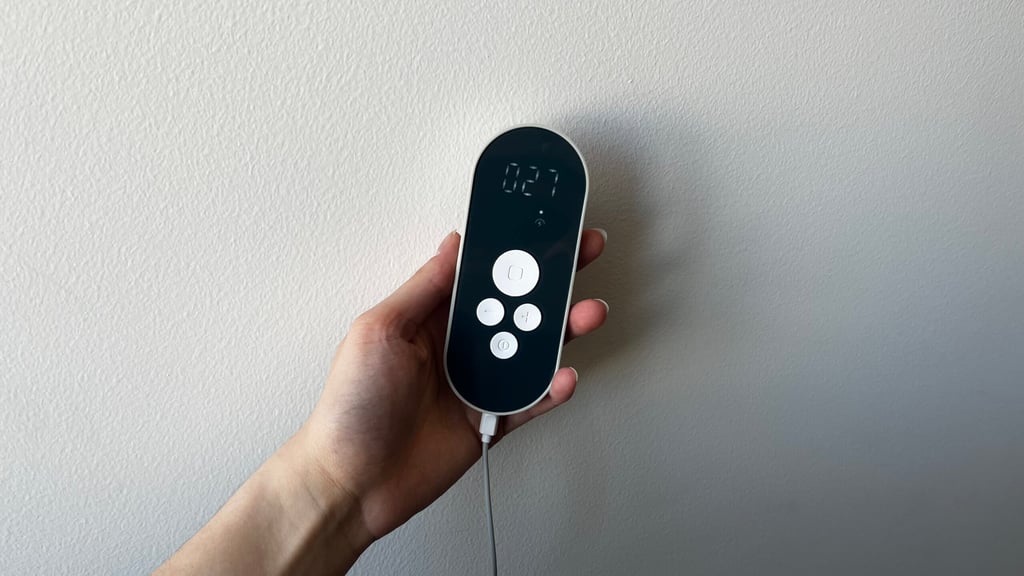
Starting a session is simple: moisten your left ear with water, clip the earpiece to your tragus, wrap the string behind your ear for comfort, and power on. Then just adjust the intensity with the plus or minus buttons.
I found the intensity scale confusing—unlike most VNS devices that go one to 10, Nuropod has 45 levels. Following online tips, I started around 10–15 but felt nothing, so I increased the intensity to 20. My tolerance topped out at 28 before sensation became painful and stinging.
As per brand recommendation, I aimed for 15–30 minutes twice a day. I liked combining the longer session with my regular routine—meditation and skincare—which made the experience feel more like self-care, but this may not be comfortable for everyone.
Did it work?
The nervous system is individual, and measuring any changes is a real challenge—what works for one person might not for the other. The first week for me was frustrating. Sticking to sessions felt like a chore, and I didn’t notice anything, which left me feeling disappointed.
Over time, though, the sensation became rather soothing for me, especially during meditation. It helped to ground me and calm anxious thoughts. By the end of month-long testing, I felt more relaxed and was almost looking forward to a session.
But longer-term effects? After stopping, I didn’t notice sustained improvements in stress, mood, or focus. Maybe more time is needed for real nervous system adaptation.
All in all, I’d say Nuropod might help if you use it consistently, potentially easing stress in the moment and slightly lifting the mood. But don’t expect transformative results early on.
Optional feature: The Nuropod app
Although you can use Nuropod perfectly fine with just the controller, Parasym also offers the companion app. For this Nuropod review, I didn’t consistently use it since it felt unnecessary for the device to function, plus the app was buggy for me.
After downloading the app, I encountered consistent errors and got signed out every time I closed it. The interface looks aesthetically pleasing, but I couldn't actually use it alongside the device.
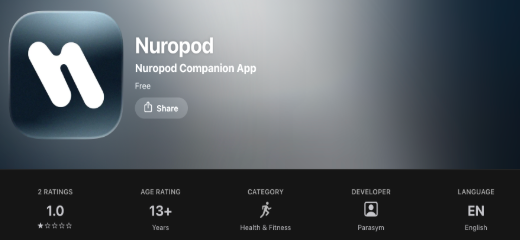
Since software improves with updates, there’s potential here, but I’d recommend skipping the app for now and sticking with the controller instead.
Nuropod vs. alternatives
If you’re still debating whether Nuropod is right for you, compare it with other vagus nerve stimulation devices. Just keep in mind one key difference—while Nuropod is ear-based taVNS, alternatives may use different approaches: neck-based tcVNS or vibration therapy that’s sometimes referred to as vagus nerve toning (VNT).
| Product name | Nuropod | Pulsetto Lite | Apollo | Sensate |
| Stimulation | taVNS | tcVNS | VNT | VNT |
| Type | Wearable | Wearable | Wearable | Handheld/Wearable |
| Placement | Ear | Neck | Wrist | Chest |
| App dependency | No | Yes | Yes | Yes |
| Price | $855 | $251 | $448 | From $269.10 |
| Best for | Low-effort sessions | Affordability | All-day support | Calming sensation |
| Official websites | Visit Nuropod | Visit Pulsetto | Visit Apollo | Visit Sensate |
Other vagus nerve stimulation device reviews
I used Pulsetto for weeks: Is it worth buying?
Sensate review: Can this vagus nerve device actually reduce stress?
Apollo Neuro review: Does this wearable actually help?
Nuropod vs. Pulsetto: Which vagus nerve stimulation device is right for you?
Safety and who should avoid Nuropod
Overall, taVNS is considered safe with only mild and temporary side effects noted in clinical trials. The most common complaints are skin irritation at the electrode site, along with headaches or general discomfort.
Similarly, I experienced some stinging at higher intensity levels, which went away once I lowered the settings. In any case, don’t endure discomfort during sessions—lower the intensity to where you feel a ticklish sensation or nothing at all.
That said, certain people shouldn’t use Nuropod. According to the brand, avoid Nuropod if you’ve had a surgical cutting of the vagus nerve, have a pacemaker or other implanted devices, experience severe low resting heart rate, or are pregnant.
If you have any heart problems, I strongly encourage you to consult with your healthcare provider before using Nuropod to avoid any severe negative effects.
Also, if you feel persistent pain, unusual sensations, or any other concerning symptoms during a session—stop using the device and immediately contact your doctor. It’s always better to be careful with health tech.
My thoughts about Nuropod
I truly believe Nuropod can be a useful long-term wellness tool if you’re looking for relaxation and stress support. While it wasn’t the right match for me—and definitely won’t be for everyone—I still appreciated its simplicity and the soothing sensation during my sessions.
Consider buying if you’re truly invested in your well-being. Nuropod is expensive, and if used for many years, earpiece replacements may add up to an even higher sum. You’ll also need to stay consistent with sessions and keep realistic expectations about what the device may deliver.
Consider skipping if you’re just testing whether vagus nerve stimulation works for you. There are many cheaper alternatives worth trying first to see if this technology fits your lifestyle. A higher price tag doesn’t guarantee it’s the right match—factor in your budget, goals, and daily routines before actually committing to a device.
-
Brain, Behavior, and Immunity.
-
Scientific Reports.