- Wide range of potential benefits
- No gel required, mess-free
- Research-backed ear clip
- Simple setup, intuitive use
- Steep up-front cost
- Inaccessible clinical trials
| Product | Nurosym |
| Product type | A non-invasive vagus nerve stimulator, ear-based |
| Price | $825–900, depending on the region |
| Additional expenses | None |
| Best for | Buyers who want a low-friction, subscription-free VNS device with stronger scientific associations than most alternatives |
With emerging studies on non-invasive vagus nerve stimulation (VNS), interest is growing rapidly. It is no longer considered a niche biohacking interest, and the market reflects that: we now have the luxury of a wide range of products to explore.
I’ve tried other vagus nerve stimulation devices before, but Nurosym caught my attention as it positions itself differently from most devices in this space—with more serious clinical ambitions and a premium price tag to match. I used it daily for several weeks to answer two questions: does it deliver noticeable results, and is the premium price actually worth it? Here's what I found.
What is Nurosym and how does it work?
Nurosym (also known as Nuropod in some markets) is a non-invasive vagus nerve stimulator. It delivers mild electrical impulses through a small clip attached to the tragus (a cartilage flap in your ear) with the aim of targeting the vagus nerve.
The goal is to support your body's readiness for stress, as the vagus nerve plays an important role in its response. For this reason, non-invasive vagus nerve stimulation may have a wide range of benefits, including mood and sleep support and anti-inflammatory effects.
If you explore the non-invasive vagus nerve stimulation market closely, you will notice that the way these devices aim to deliver stimulation is diverse. Nurosym appealed to me immediately because of its ear-based approach, which is among the most studied non-invasive methods for vagus nerve stimulation. Why does it matter? Although the vagus nerve runs through various parts of the body, the branch that is located in the ear is the only one that reaches the body surface; thus, theoretically speaking, electric currents may reach it better.
Price and value
There's no getting around it: Nurosym is expensive. Priced between $825 and $900, depending on the region, it is on the premium end of the VNS market. For instance, it is more than three times the cost of Pulsetto ($251), which is seen as one of the closest competitors to Nurosym.
What you get for that price is the device itself, an earpiece with its electrode clip, a charging cable, a carrying case, and a starter guide. There's also a 30-day money-back guarantee and a 2-year warranty, which at least provides some safety net for such a large purchase.
Some financing options are available, including VAT relief if you are based in the UK and HSA/FSA eligibility in the US.
The one thing that works in Nurosym's favor on value is what it doesn't charge for. There's no subscription required, nor would you need to use any gels, which is common for vagus nerve stimulators.
But is it worth the price? That depends on how much you value the cleaner, easier-to-incorporate experience and the subscription-free model. For casual curiosity, the expense is hard to justify; for someone more serious about non-invasive VNS, Nurosym is a popular choice.
Design, comfort, and first impressions
Opening the box, everything feels considered and high-end. The device, earpiece, charger, and carrying case are neatly packed—nothing overwhelming.
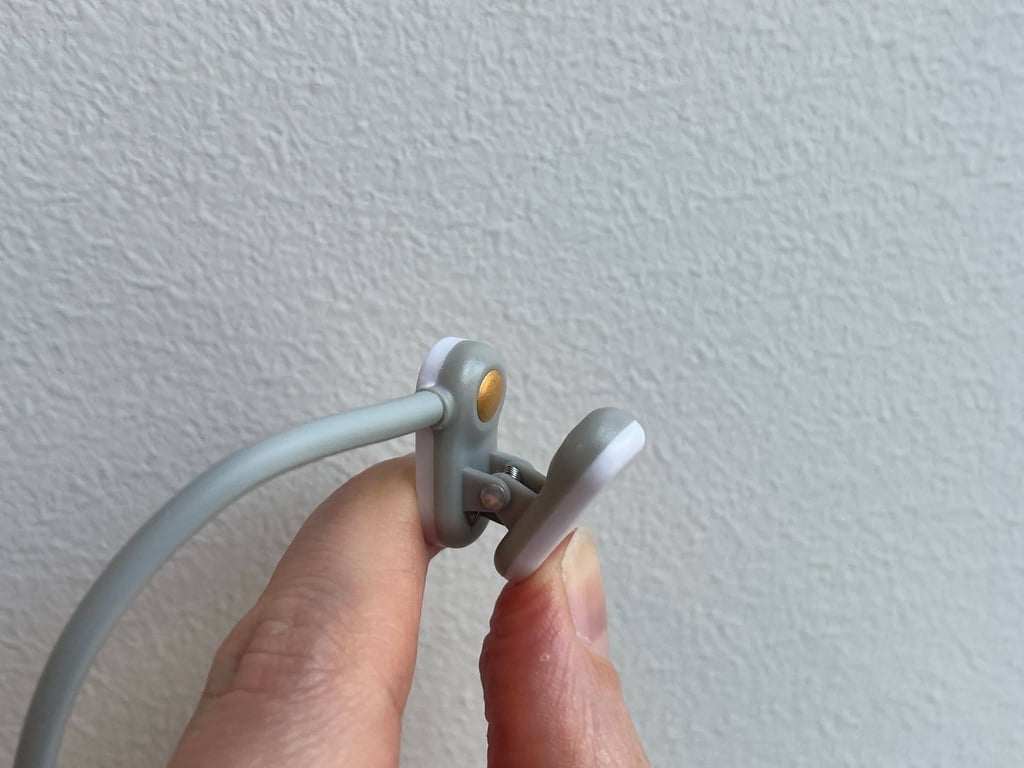
This clip is designed to fasten onto the tragus. One of the most immediate advantages is the lack of preparation: with no conductive gel to apply or complicated placement to master, you attach the clip, power the device on, and begin your session.
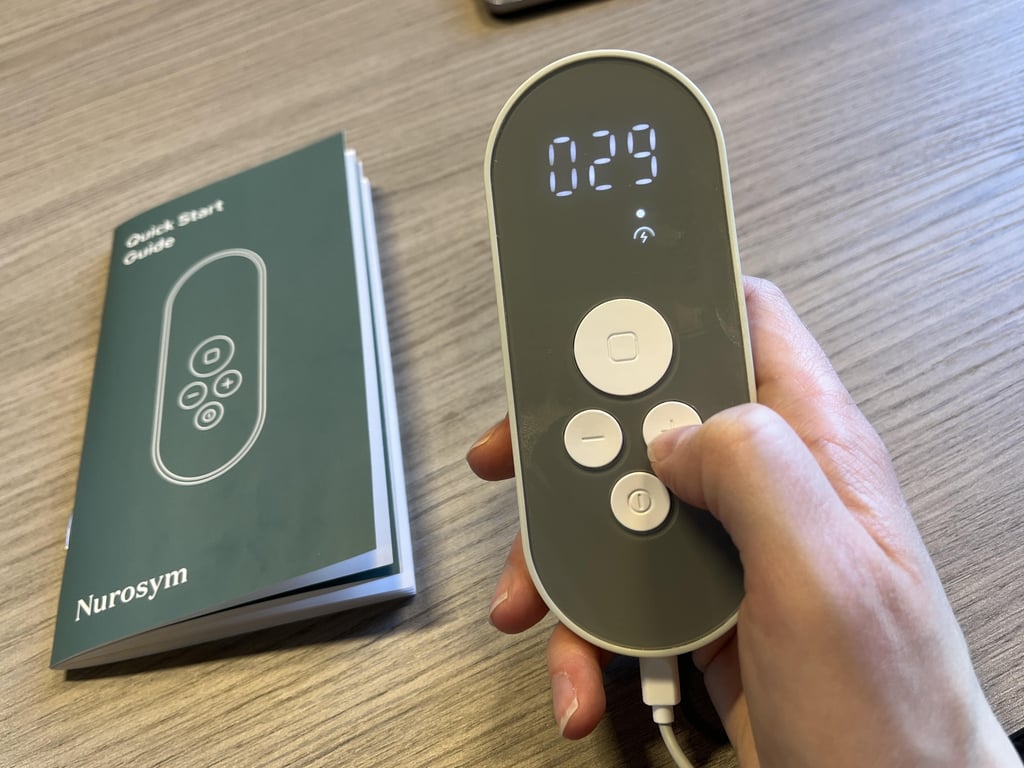
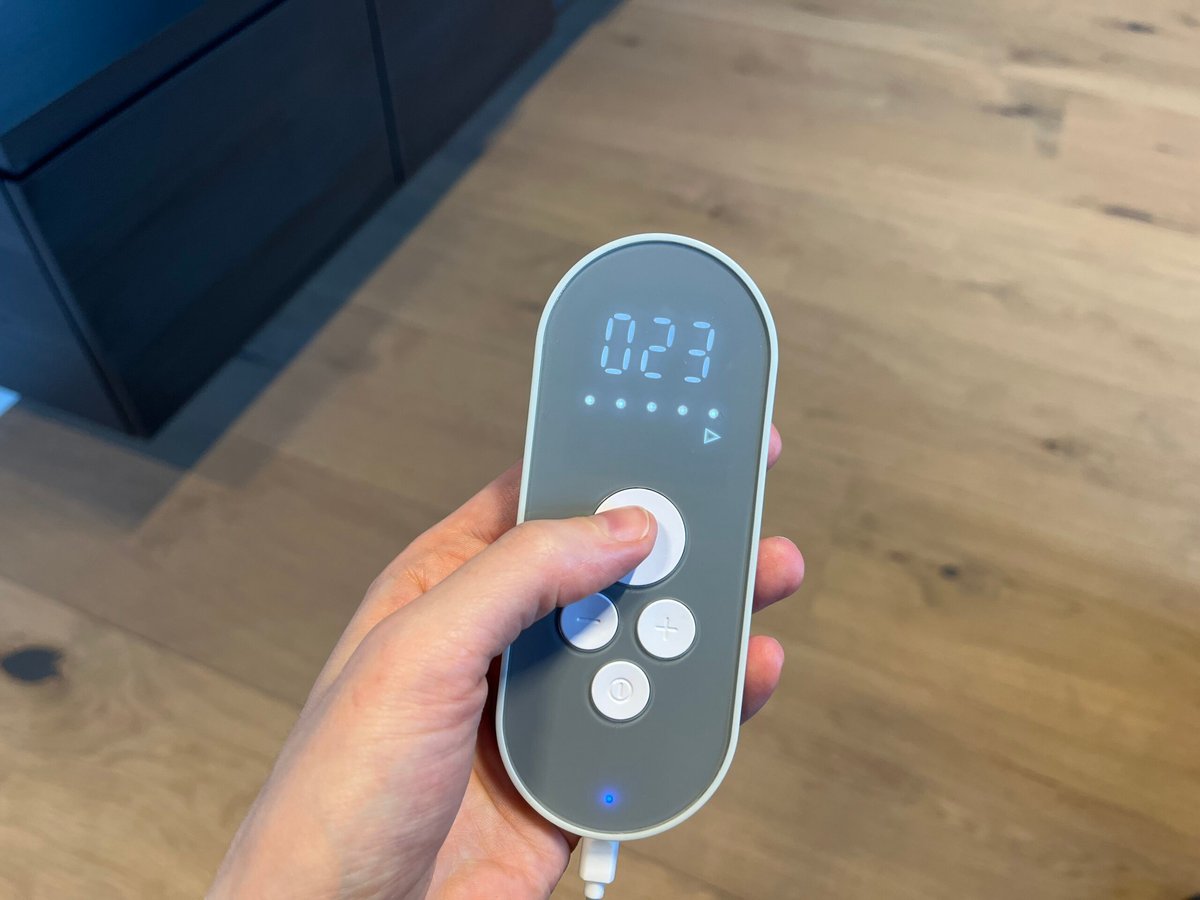
The device comes with a quick start guide, which was enough to get started with no lingering confusion. There’s no app, so you need to use the controller to adjust the time and intensity—there’s nothing else you need to choose.
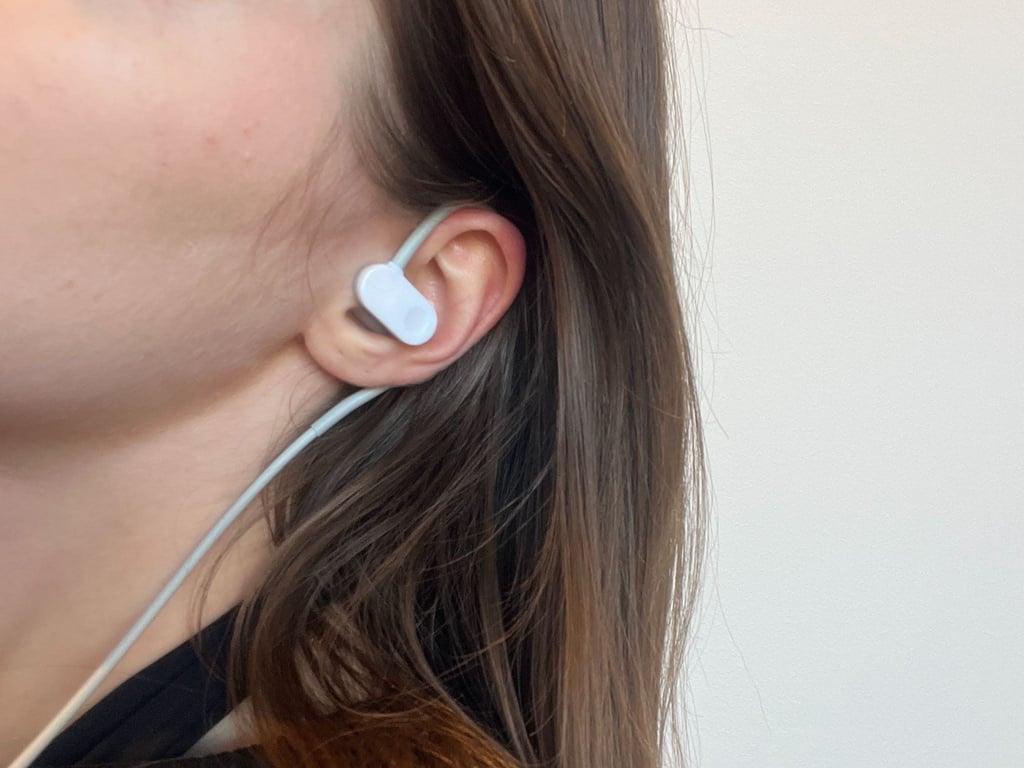
The sensation is sharp and tingling. It is not distracting, although it can be if the intensity is set too hard. However, I have to be upfront about one issue: the clip didn't work perfectly for me. My tragus is relatively small, so I had to readjust it fairly frequently during sessions. It wasn't a dealbreaker, but I wasn’t able to move around while using the device. I gave the device to a colleague with a larger tragus, and he didn't experience this at all, so it's clearly an anatomy-dependent issue rather than a universal design flaw.
Side note, using the device is not discreet. Compared to alternatives such as Pulsetto, the ear clip doesn’t appear nearly as attention-grabbing, but it's still noticeable—especially with the wire running from your ear to the controller.
Everyday usability
Nurosym takes a different approach from most of its competitors: it doesn't rely on an app. You turn it on, adjust the time and intensity, and that's it.
This can be an advantage: at least for me, it's been liberating. I already have too many apps on my phone, and it seems like every new device I get has them, even things like my air fryer.
On the other hand, the lack of a dedicated app might be a drawback for some users. Such a platform could provide additional instructions, simplify session tracking, or provide helpful reminders. Again, since I’ve noticed that notifications don’t work well for me anymore (they have become mere background noise due to their sheer volume), Nurosym’s app-free approach suited me well.
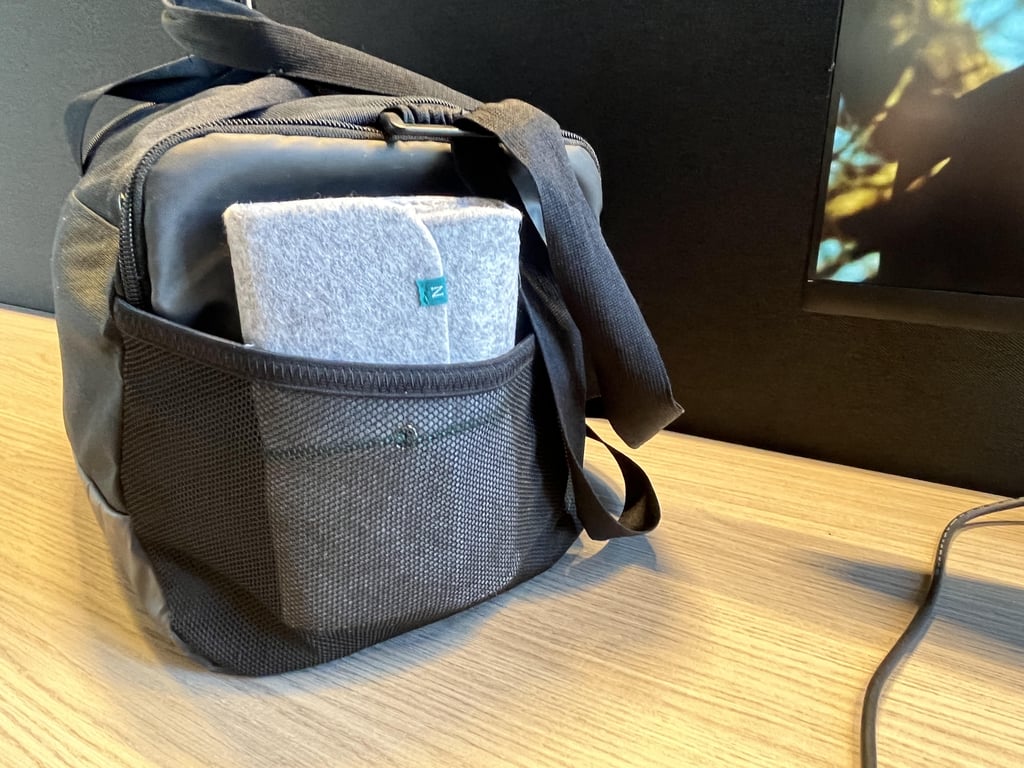
The device is portable and comes with a pouch that I had no trouble carrying around. Since no gel is required, I didn’t have to plan my sessions ahead; I just put it in my bag and used it whenever I found time. Over several weeks, this was probably the single biggest factor in me actually sticking with it consistently.
My experience using Nurosym
As I’ve mentioned before, Nurosym is not the only vagus nerve stimulation device that I’ve used. After a few weeks with Pulsetto, I was already noticing subtle improvements in my sleep, which was exciting, but honestly, sleep wasn't the reason I went down this rabbit hole in the first place. What really pulled me in was the growing body of research suggesting that vagus nerve stimulation may help with gastrointestinal issues, things like abdominal pain, bloating, and inflammation. After talking things over with my healthcare provider, I started with Nurosym as an adjunct tool in my treatment plan.
The first couple of weeks were honestly uneventful. I started journaling my symptoms to see any changes, and none of them were noticeable yet.
Around a month in, I started to notice a slight shift in my gut health, most notably less bloating. During this period, I also noticed being less tense around meals. Anyone navigating chronic gut health symptoms is likely familiar with that hesitation when dining out—the reluctance to try unfamiliar dishes for fear of how your body might react later. The feeling is not gone, but I did notice an improvement.
Additionally, I’ve noticed that I am less irritable. While I wouldn't say that daily irritations have vanished entirely, I seem to be able to stop before I snap more often.
I didn’t change any other factors that could influence my gut health and mood for this testing, including my medication regimen. This is important to highlight: while non-invasive vagus nerve stimulation devices may help with certain symptoms, they are not designed to treat any conditions, so do not stop any treatments prescribed by your doctor.
Does Nurosym actually work?
The honest answer is similar to what I'd say about any device in this category: the science behind non-invasive vagus nerve stimulation is promising, but not conclusive. Moreover, it may not work for you, as it is definitely not a one-size-fits-all solution.
That said, Nurosym positions itself as more research-backed than most devices in this space, claiming involvement in 50+ scientific studies and collaborations with institutions including Harvard, UCLA, and Bart's Health NHS Trust.
But context matters. The term "collaboration" can range from formal partnerships to independent research conducted at those institutions. At the time of writing, none of the studies that used the Nurosym device in particular are publicly accessible, making it difficult to verify every claim.
However, based on the available evidence on non-invasive vagus stimulation in general and my personal experience, I'd say Nurosym shows promise, as long as you view it as a wellness tool, not a medical device. If you are unsure whether it is a suitable option for you, it is always best to consult a healthcare professional.
Safety, side effects, and who should avoid it
Nurosym is non-invasive and generally considered safe for healthy adults. According to a systematic review on non-invasive vagus nerve stimulation, skin irritation is the most common side effect. Other noted side effects are nausea, dizziness, or headaches.
It is worth highlighting that the field of non-invasive vagus nerve stimulation is still evolving, with no long-term studies to rule out other potential side effects.
Additionally, the brand suggests avoiding using the device if you have bradycardia, have undergone cervical vagotomy, have an implanted metallic or electronic device, or are currently pregnant. Nurosym should not be used by children.
Nurosym vs. alternatives
Nurosym vs. Pulsetto
Both are non-invasive vagus nerve stimulators, but are placed in different areas. Pulsetto is neck-based and bilateral, whereas Nurosym clips to a single ear. Our testers found Nurosym to be less distracting and easier to use, especially since Nurosym does not require any gel.
Pulsetto offers a lower entry price, but the need for ongoing gel refills and the potential cost of a premium app subscription could result in a higher total investment over time compared to Nurosym.
Read more on our comprehensive Nurosym vs. Pulsetto review.
Nurosym vs. Apollo Neuro
Apollo is either worn as a bracelet or clipped onto one’s clothing. It sends gentle vibrations instead of electrical currents. For this reason, some find it more tolerable, even soothing. But it is not a traditional vagus nerve stimulation device—it relies on a different mechanism.
Apollo may be more suitable for those who do not tolerate the prickly, sharp sensations created by Nurosym, but keep in mind that the scientific data on devices like Apollo Neuro is limited.
Nurosym vs. Sensate
These two take totally different approaches. Sensate sits on your chest and uses vibration paired with guided soundscapes. In a way, it offers a structured meditation session and is not comparable to non-invasive vagus nerve stimulation. Nurosym, on the other hand, delivers actual electrical currents.
Sensate may be more comfortable, but Nurosym offers a more direct form of stimulation backed by a larger body of associated research. If you want a calming ritual, Sensate fits. If you want targeted nerve stimulation, Nurosym is the clear winner.
Other vagus nerve stimulation device reviews:
Pulsetto review: Budget-friendly non-invasive VNS device
Sensate review: A gentler, meditation-style alternative
Apollo Neuro review: Does this wearable actually help?
ZenoWell review: What happened after weeks of use
Final thoughts
After several weeks of daily use, Nurosym ended up being my favorite VNS device I've tested. That's not because it produced the most dramatic results—nothing in this category does—but because it was the easiest to incorporate into my routine.
Did the results match my expectations? Yes, but mostly because I went in expecting subtle, gradual effects, nothing life-changing. I’ve noticed some improvements in bloating and overall tension, but nothing major. Considering that all I needed to do was clip the device to my ear before engaging in other activities such as working or scrolling on my phone, I am satisfied with the trade-off.
That said, Nurosym won't be for everyone. At its premium price, it's an investment that only makes sense if you're committed to using it regularly. Moreover, the ear clip can be a frustration if your tragus is on the smaller side. But if you're serious about building non-invasive VNS into your daily routine, Nurosym seems to be more convincing than most alternatives.
References
-
Gastroenterology Report.
-
Neuroscience Bulletin.
-
Brain Stimulation.
-
Neuroscience Bulletin.
-
International Journal of Neuropsychopharmacology.
-
Autonomic Neuroscience.
-
Journal of Affective Disorders.