Pulsetto and Nurosym compete in the same space, yet are aimed at entirely different audiences—here’s how to choose between them
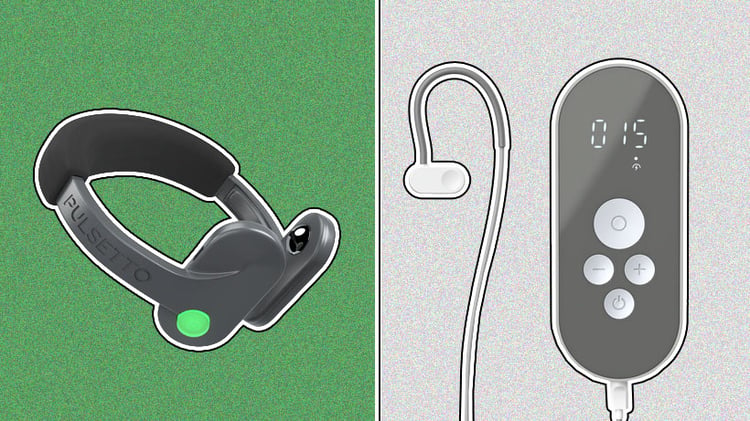
Both are vagus nerve stimulators designed to support a wide range of bodily functions, including sleep, mood, and the stress response. And yet, even at first glance, it is clear they are different. Pulsetto aims to stimulate the vagus nerve via the neck, while Nurosym (known as Nuropod in some countries) clips on one’s tragus. But these are not the only differences that appear obvious once you compare them more closely.
At Wareable, we tested both. We’ll break down all the essential differences, including value for the price, comfort, daily usability, and scientific credibility.
| Spec | Nurosym | Pulsetto |
| Price range | $700 | $215.00 (the original model) or $296 (FIT) |
| Additional expenses | None | Gel and optional premium subscription |
| App integration | None | Required, available on iOS and Android devices |
| Technology | Non-invasive Auricular Vagal Neuromodulation Therapy™ (patented by the brand) | Non-invasive cervical vagus nerve stimulation |
| Placement | Tragus (ear) | Neck |
| Session length | Twice a day, from 15 to 30 minutes | At least 4 minutes daily |
| Best for | Convenience, mess-free usage, long-term value | Lower upfront price |
| Official website | Visit Nurosym | Visit Pulsetto |
Pricing, subscriptions, and long-term value
The price gap is the first thing impossible to ignore. Pulsetto starts at $296, while Nurosym sits at $700; however, when you look closely, it is not as simple as that.
Pulsetto's free app covers the basics, but the premium subscription ($139.00 per year) adds extra guided sessions and features—our team found that the app pushes it frequently, so much so that it may feel like you need to pay just so you can have a distraction-free interface. Nurosym has no subscription or ongoing fees, simplifying the long-term value calculation.
Now, while you can skip the premium subscription, Pulsetto also requires a regular supply of conductive gel, a definite recurring cost. The 3-month supply costs $40.79 per 3 months, although admittedly, you don’t have to buy the Pulsetto-branded one. Any water-soluble ultrasound gel should be efficient, but, of course, Pulsetto recommends its own. Nurosym does not require any gel at all, keeping the running expenses at zero after the initial purchase.
If you get both a premium subscription and the branded Pulsetto gel, you will spend around $300 more per year. In the long run, Nurosym may actually be a cheaper option, depending on how long you will be using the device.
So, to conclude, Pulsetto costs less to start, while Nurosym is more of a buy-it-once-and-you ’re-done device, so the winner in this category will depend on the buyer.
Winner: Draw
Design, comfort, and daily usability
These two devices look and feel nothing alike, and the design differences have a real impact on daily use.
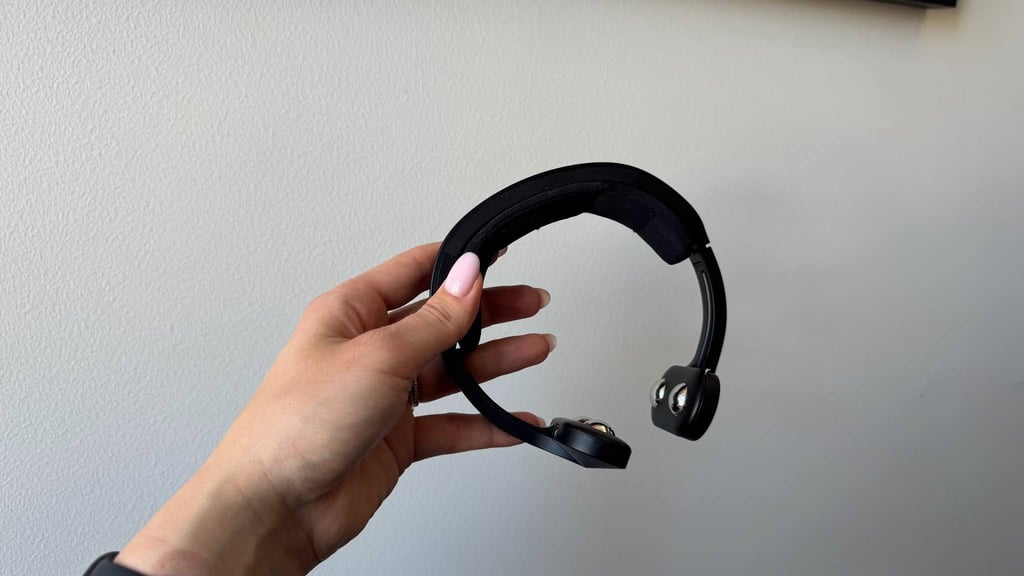
Pulsetto is a U-shaped neck-worn device with two electrode pads that rest on either side of the neck. We found it to be lightweight yet sturdy, but it requires electrode gel for every session. That means applying gel, positioning the device, running the session, removing it, and cleaning up—twice a day if you follow the recommended routine. In our experience, the gel kept getting in our hair, and while each session is only 4–10 minutes, the prep and cleanup stretched that. The older version also doesn't fit smaller necks well, though the FIT model addresses this.
Nurosym clips onto the tragus—a small cartilage flap in the ear. There's no gel involved, which makes the whole process cleaner and faster. In our testing, this was one of the biggest practical advantages. However, the clip might be an issue for people with smaller ears; we found that it needed frequent readjusting on smaller tragi, which can be distracting.
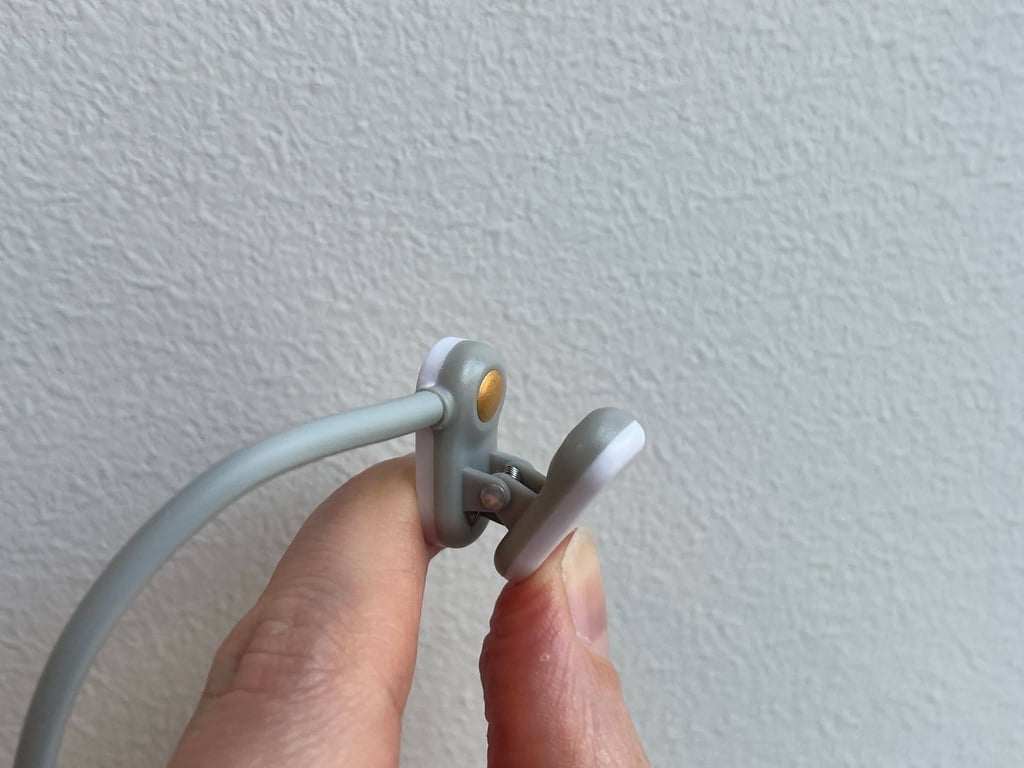
Neither device is truly discreet in our opinion. Pulsetto is visible around the neck, and Nurosym has a wire running from the controller to the earpiece. But Nurosym is the easier one to use while doing other things—working at a desk, reading, or watching TV—since it doesn't require staying as still. Our testers also found the buzz less distracting in general, which can be a great advantage for those who find the bilateral stimulation via the neck intimidating.
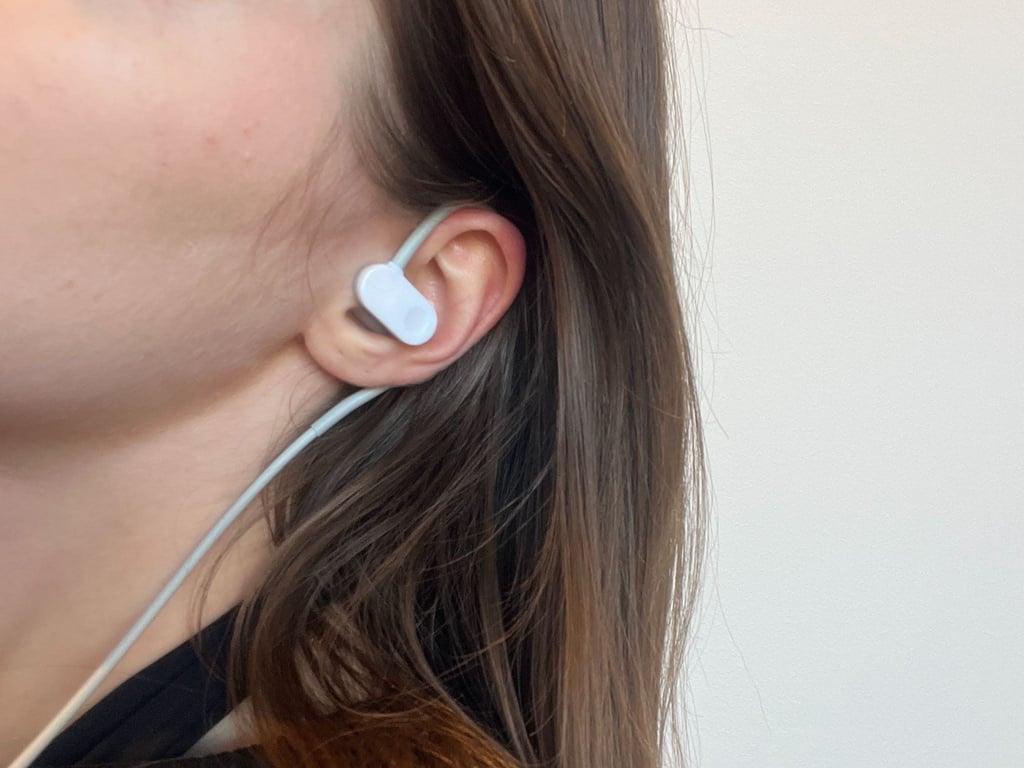
For this reason, Nurosym is our winner in this category due to practicality and ease of use. No gel, no cleanup, simpler routine, less distracting—all these things make it so much easier to incorporate into your routine.
Winner: Nurosym
Technology, stimulation style, and scientific credibility
This is where the comparison gets more interesting—and a bit complicated.
Both devices use non-invasive vagus nerve stimulation, but they target different branches of the nerve in different locations. Pulsetto stimulates the cervical branch through the neck, bilaterally—meaning both sides at once. Nurosym stimulates the auricular branch through the tragus of the ear using what the company calls Auricular Vagal Neuromodulation Therapy™ (AVNT™).
The location matters because ear-based (auricular) vagus nerve stimulation has a larger, more established body of research than neck-based (cervical) stimulation when it comes to non-invasive VNS. As indicated in academic literature, the auricular branch of the vagus nerve runs superficially, which may make it a suitable target for non-invasive stimulation techniques. This gives Nurosym a structural advantage when it comes to scientific credibility.
The company behind Nurosym (Parasym) cites involvement in more than 60 trials and collaborations with institutions including Harvard, UCLA, and Bart's Health NHS Trust. It also claims that much of the clinical research into the effects of non-invasive VNS is based on its technology.
Pulsetto has its own studies as well. For instance, a recent clinical trial suggested it may increase alpha-wave brain activity (associated with calmer mood) and influence blood pressure, with several more studies ongoing or planned. That's more device-specific research than most competitors can claim.
On scientific credibility, Nurosym has the clear edge. Pulsetto is catching up, but it's not there yet.
Winner: Nurosym
App experience
Pulsetto is entirely app-dependent. The device pairs with an app that controls the stimulation programs, intensity, and frequency. It offers five programs—Stress, Anxiety, Sleep, Burnout, and Pain—and lets you adjust session length.
In our testing, we didn’t encounter any major problems with the app. However, we have to admit that the app pushes the premium version all the time, which became increasingly irritating to us after the first week with Pulsetto. Moreover, the Pulsetto app may feel confusing for some people at first—there's limited guidance on which program to choose or how long to use it, which leaves you to figure out your own routine.
Nurosym takes a simpler approach. The device works without a mandatory app. This plug-and-play setup means less fiddling and fewer decisions to make: you clip it on, turn it on, and go. For users who don't want to think about programs and settings, this is a genuine advantage.
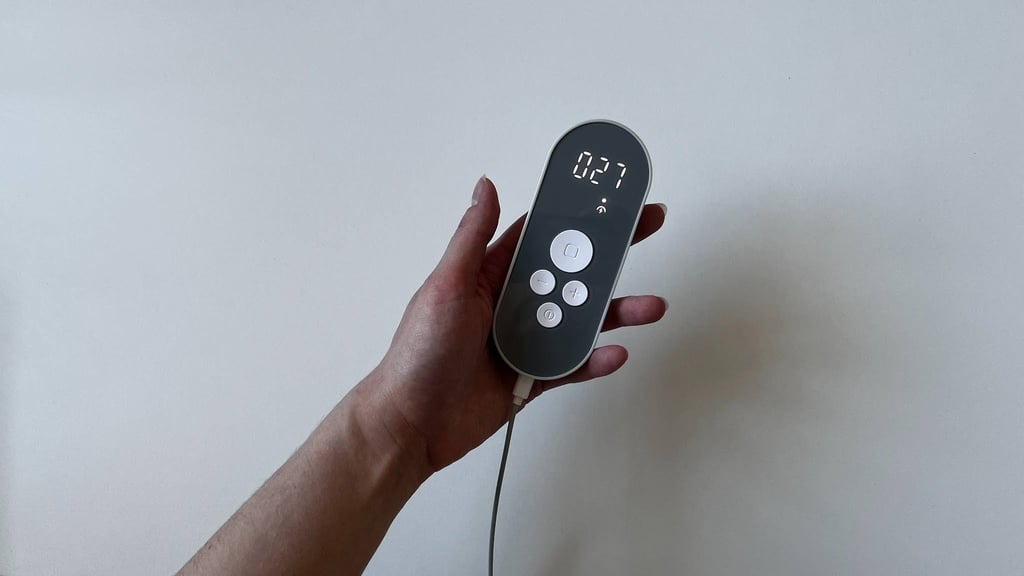
That said, if you like having easier control, Pulsetto offers better customization via app interface, but if you are experiencing app fatigue, Nurosym is a better option.
Winner: Draw
What using Pulsetto and Nurosym actually feels like
Neither device felt particularly pleasant to us even after a month of sessions—both produce sensations that take some getting used to.
Pulsetto delivers a tingling, prickly feeling on the neck that our testers described as sharp and reminiscent of a TENS device. It shouldn't be painful at moderate settings, but probably most people won’t really enjoy the sensation.
If the intensity is set too high, it may become somewhat painful. We also found that there's a short delay between pressing play in the app and the current kicking in, which was confusing during the first few uses. Getting the placement right requires enough gel—without it, it may not work properly.
Nurosym produces a similar tingling sensation, but on the tragus, and doesn’t cover that much of the area. We'd describe it as unusual but tolerable—less distracting than Pulsetto's neck stimulation, though equally unfamiliar at first. The main comfort issue with Nurosym is the clip itself, which can feel loose if you have a smaller tragus.
While both devices offer manageable sensations, Nurosym provided greater comfort because its ear-based stimulation felt less invasive.
Winner: Nurosym
Our experiences with Pulsetto and Nurosym
Our team members have tested Pulsetto for extended periods to evaluate its potential benefits.
For both devices, none of our testers noticed any of the effects in the first days. The subtle changes happened weeks into testing, although not everyone noted any differences.
For Pulsetto, some of our testers reported improvements in sleep, such as fewer awakenings or easier falling asleep. Improvements in stress resilience were also reported, with some testers noting less irritability and better emotional regulation by the end of the month. One of the testers said they experienced fewer headaches.
For Nurosym, our crew observed very similar results, most notably in sleep. When it comes to stress resilience, only those who used Nurosym for longer periods of time (more than a month) reported noticeable changes. One member noted that it became easier to stick to healthy habits, such as eating well, as they had fewer late-night snacking incidents.
In general, non-invasive vagus nerve stimulators should not be seen as a quick-fix device. Their effects, if any, may take time. Set your expectations realistically, as non-invasive vagus nerve stimulation may not work for everyone.
Winner: Draw
Safety, side effects, and beginner-friendliness
The most common side effect across both devices is mild skin irritation at the stimulation area, so naturally, either the neck (Pulsetto) or the tragus (Nurosym).
Other less common side effects reported in tVNS research include dizziness, headaches, and nausea. A systematic review suggests that non-invasive VNS is generally well-tolerated, with serious adverse events being rare and not conclusively linked to the stimulation.
Standard contraindications apply to both: consult a doctor before use if you have a cardiac condition, a pacemaker, epilepsy, or are pregnant. Neither device can be used by children.
For beginners, Nurosym has a slight edge. The lack of gel, the simpler setup, and the fixed stimulation parameters mean there's less to get wrong on your first try. In our experience, Pulsetto's learning curve is minimal—a few minutes to get the placement and gel right.
Winner: Nurosym
Who should choose each device?
As we mentioned in the beginning, both devices are tailored to different audiences.
- Choose Pulsetto if: upfront cost matters to you. Additionally, only Pulsetto has a companion app—so if you find having an app interface to control the settings more convenient than a physical controller, Pulsetto is an obvious pick.
- Choose Nurosym if: you want an easy setup process and a mess-free daily routine. Plus, the brand’s investment in scientific research is far ahead of most non-invasive VNS consumer devices.
Whichever device you choose, remember: non-invasive vagus nerve stimulation is not a standalone fix for stress, anxiety, sleep, or overall well-being. These devices may work best as part of a broader approach—ideally one that also includes lifestyle habits. Lastly, non-invasive vagus nerve stimulation is not approved to treat any conditions, and we highly recommend consulting with your healthcare provider beforehand.
Verdict: Which is better overall?
For our testers, both Pulsetto and Nurosym offered an overall good experience, although Nurosym won in our eyes.
The simpler setup makes it easy to keep using Nurosym every day. Besides that, we found it less distracting than Pulsetto, which again adds to the convenience.
Pulsetto's case is built on value. At a lower price, it offers a functional device. So, if Nurosym's price is a dealbreaker (it definitely can be), Pulsetto is a sensible alternative. One thing worth mentioning again: Pulsetto requires ongoing gel purchases, while Nurosym does not.
-
Neuroscience Bulletin.
-
American Journal of Physiology-Regulatory, Integrative and Comparative Physiology.
-
Brain Stimulation.