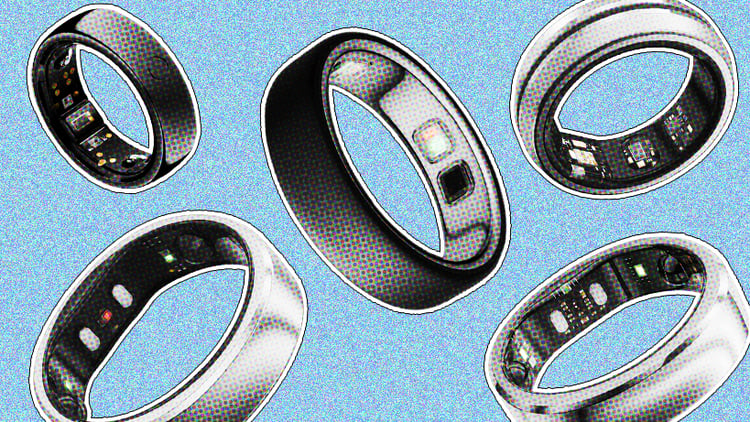
We tested the most talked-about pulse oximeter rings—here are the ones we'd actually wear
Ever wake up feeling more tired than when you went to bed? Or wonder if yesterday's workout affected how well you recovered overnight?
Wearable wellness devices have made it easier to answer those questions, and pulse oximeter rings are becoming one of the most popular options. These small rings continuously track your blood oxygen saturation (SpO₂) and heart rate while you sleep, giving you a better picture of your overnight recovery.
Unlike a fingertip pulse oximeter, which provides a quick spot check, a smart ring shows long-term trends. That means you shouldn't expect medical-grade measurements. If you need more clinically accurate readings, a traditional fingertip pulse oximeter is still the better choice.
Despite that, we still think they are a great option for sleep, oxygen levels, and recovery tracking. So keep reading to find out which rings are worth trying.
Quick picks: Best pulse oximeter rings
- RingConn Gen 3: Best overall pulse oximeter ring
- Oura Ring 5: Best premium pulse oximeter ring for sleep and recovery tracking
- LYNX Smart Ring: Best budget smart ring
- Circular Ring 2: Best smart ring for ECG monitoring
- RingConn Gen 2: Best value pulse oximeter ring
How we tested pulse oximeter rings
Choosing the best pulse oximeter ring is not simple. The device that suits one person may not fit someone with different habits, sleep patterns, or fitness goals. That is why we focused on how these rings perform daily.
Each ring was worn continuously for several weeks, including during sleep, daily activities, and workouts when possible. We paid close attention to overnight SpO₂ tracking, sleep consistency, comfort during 24/7 wear, battery life, sensor stability, and how easy it was to understand the data from each companion app.
We also checked how reliable the measurements were over multiple nights instead of judging the rings by a single reading. Rather than chasing the most features, we wanted devices that consistently delivered useful insights and were comfortable enough to wear every day. After all, even the most advanced smart ring is not helpful if you do not enjoy wearing it.
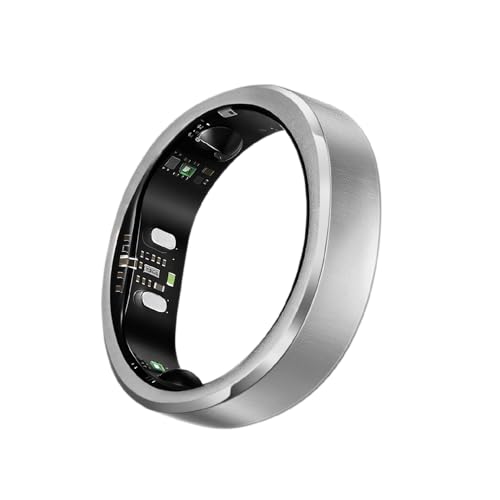
RingConn Gen 3: Best overall pulse oximeter ring
- SpO₂ tracking: Yes
- Heart rate tracking: Yes
- Sleep tracking: Yes
- Battery life: Up to 14 days
- Pricing: $349.00
- Compatibility: iOS and Android
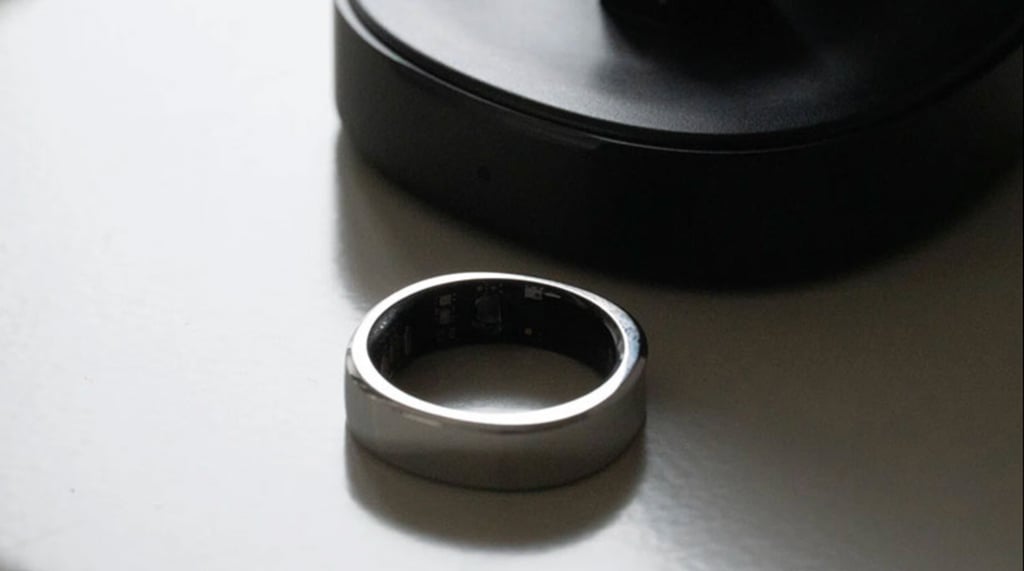
RingConn has returned with Gen 3, and the improvements are enough for us to name it our best overall pulse oximeter ring. Gen 2 is still a great smart ring and appears later in this guide, but the latest model is a more complete package.
One of the biggest improvements is battery life. Now it lasts up to 14 days on a single charge, about three to four days longer than the previous generation. In our testing, we consistently reached around 10–11 days with Gen 2, which is still among the best battery lives we've seen in a smart ring.
The design is also a standout. At just 2.3mm thick, it feels slimmer than competitors like Galaxy Ring (2.6mm) and Oura Ring 4 (2.88mm). The difference may look small, but on your finger, it is really noticeable.
RingConn has also introduced useful new features. The ring now estimates blood pressure trends using data from its heart rate, SpO₂, and skin temperature sensors.
It also added vibration alerts for smart alarms, inactivity reminders, and wellness notifications. Best of all, you get all these features without paying a monthly subscription, making the overall value even stronger.
- Superb battery life
- Slim and comfortable design
- Doesn’t require a subscription
- New vibration wellness alerts
- Blood pressure trends
- Premium price
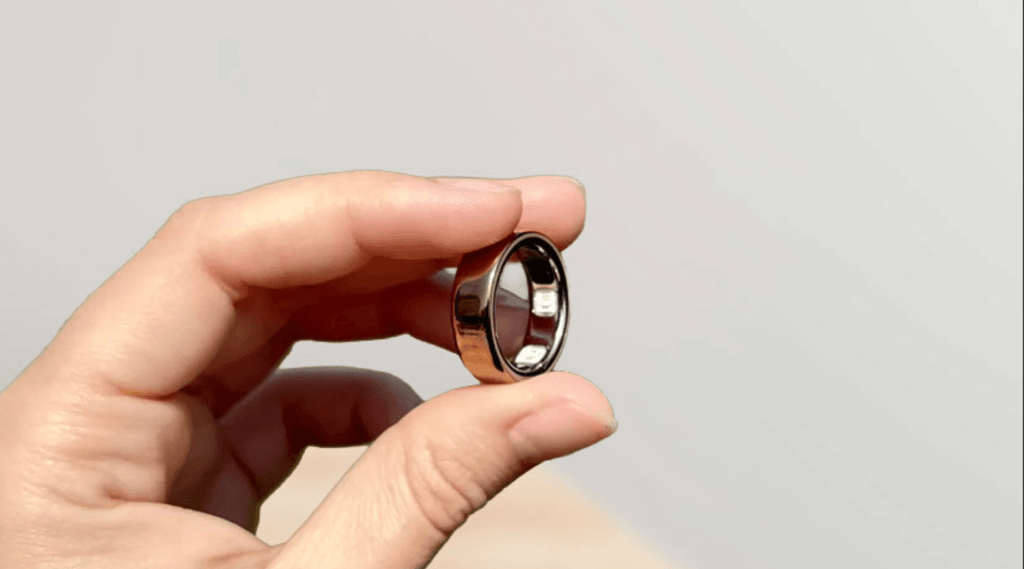
Oura Ring 5: Best premium pulse oximeter ring for sleep and recovery tracking
- SpO₂ tracking: Yes
- Heart rate tracking: Yes
- Sleep tracking: Yes
- Battery life: Around 6–9 days
- Pricing: $399.00 + subscription required
- Compatibility: iOS and Android
Oura Ring 5 earns its place on this list instead of Oura Ring 4 thanks to meaningful upgrades. However, even with these improvements, it doesn’t quite surpass RingConn Gen 3 in our ranking.
First, the design has been refined. Oura slimmed the ring down to 6.09mm wide and 2.28mm thick, compared to Ring 4’s larger size. Despite the smaller size, Oura still maintains its familiar one-week battery life, which is less impressive than RingConn Gen 3.
And now let’s move to meaningful updates. Users can now start workouts directly in the app and view real-time metrics like pace and distance during running, cycling, and strength training.
Oura also expanded its women’s health features, introducing tools like Menopause Insights and research-backed tracking for changes in sleep, mood, and daily functioning.
However, all this comes with one major trade-off: a subscription fee of $5.99 per month or $69.99 per year. While we think the features justify the cost for some users, others will prefer a one-time purchase model like RingConn offers.
- Superb sleep and recovery tracking
- Has women’s wellness features
- Advanced workout tracking tools
- Requires subscription
- Battery life is only average compared to competitors
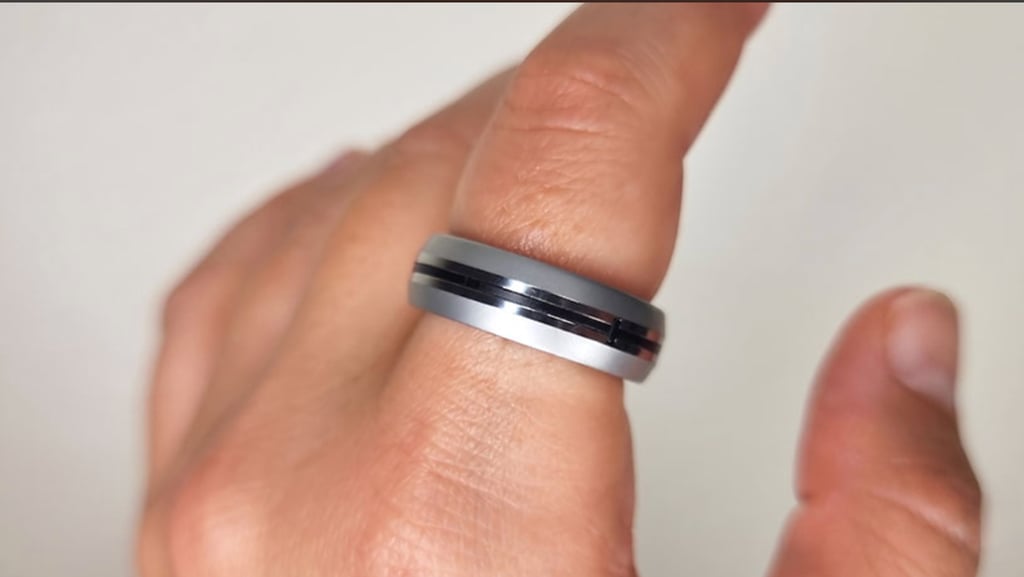
RENPHO LYNX Smart Ring: Best budget smart ring
- SpO₂ tracking: Yes
- Heart rate tracking: Yes
- Sleep tracking: Yes
- Battery life: Up to 5–7 days (depending on use)
- Pricing: $168.99
- Compatibility: iOS and Android
At $168.99, RENPHO LYNX Smart Ring is a strong entry-level competitor in the smart ring space. It earns its place on this list by delivering the basics well at a much lower price than premium options.
When we tested LYNX Smart Ring, its wellness tracking was pretty decent. We didn’t see any big issues. For instance, overnight SpO₂ readings were steady, with no unusual drops over several nights. Apart from that, the ring also tracks basics like sleep, heart rate, activity, and stress.
However, keep in mind that LYNX does not offer the detailed insights you get from devices like Oura Ring 5 or RingConn Gen 3. You get basic graphs and summaries, but not features like blood pressure trends or detailed recovery scores.
But that’s expected for the price. If you want simple wellness tracking without paying for premium features or subscriptions, LYNX Smart Ring is a good choice.
- Cheaper compared to other smart rings
- Tracks all basic wellness metrics
- No subscription required
- Lacks advanced wellness insights
- Basic app experience
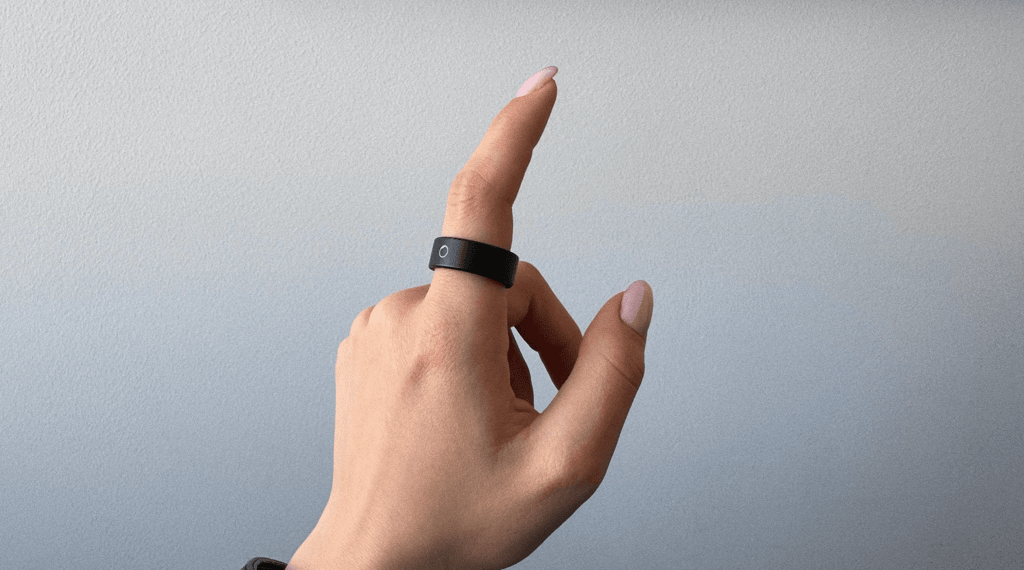
Circular Ring 2: Best smart ring for ECG monitoring
- SpO₂ tracking: Yes
- Heart rate tracking: Yes
- Sleep tracking: Yes
- Battery life: Up to 8 days
- Pricing: From $354.00
- Compatibility: iOS and Android
The first Circular ring left us wanting more, which is why it never made it to this list. You can read more in our Circular Ring review. Since then, the company has spent considerable time refining its hardware and software.
As a result, the new smart ring looks much more polished. The biggest change is the new construction. Circular now uses higher-quality materials and a scratch-resistant finish, making the ring feel more durable.
It also improved sensor accuracy, addressing a major concern with the earlier model. What really sets Ring 2 apart is its built-in ECG functionality for potential atrial fibrillation (AFib) detection.
Unlike most smart rings that rely solely on optical sensors, Ring 2 includes integrated electrodes, allowing users to record an ECG directly from the ring. Better still, this feature is available without a subscription, making it one of the few smart rings to offer ECG monitoring as part of the standard experience (even though we still don’t recommend seeing it as a medical device).
Moreover, Circular recently declared that it is expanding beyond consumer wellness. With its new Team Dashboard platform, the company targets healthcare providers, researchers, and sports organizations that need to monitor multiple users from a single dashboard.
It is an unusual direction for a smart ring, and helps Circular Ring 2 stand out in an increasingly crowded market.
- Built-in ECG with subscription-free AFib notifications
- Improved design and durability
- Up to eight days of battery life
- Accuracy still needs independent validation
- Still building its software experience
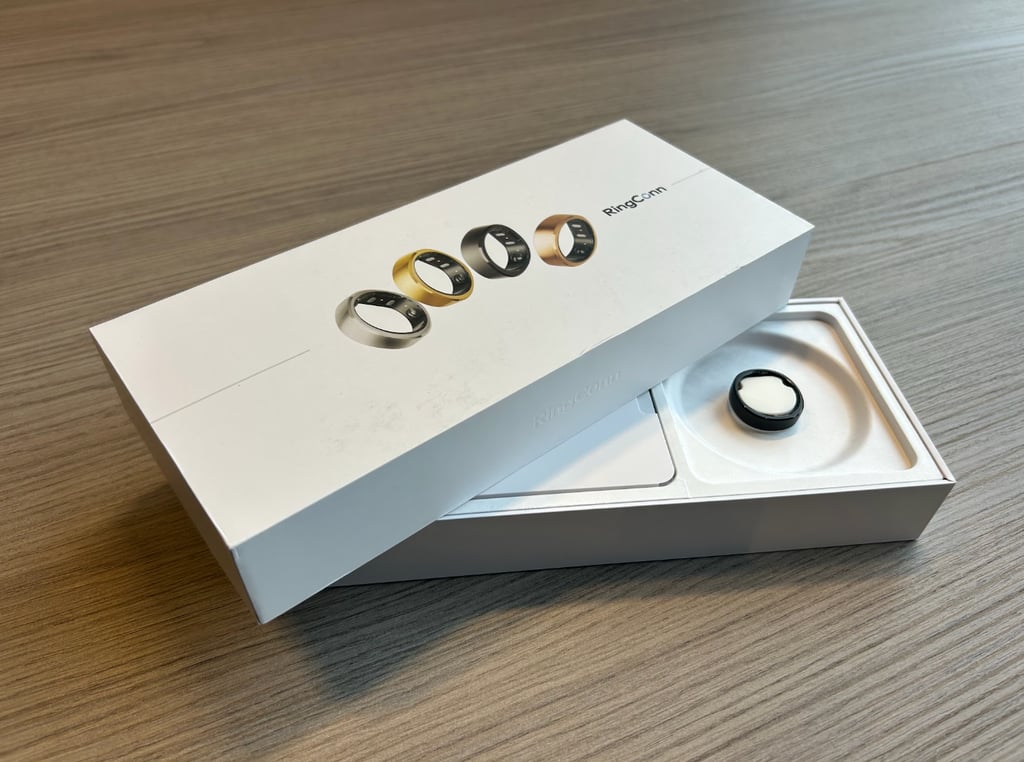
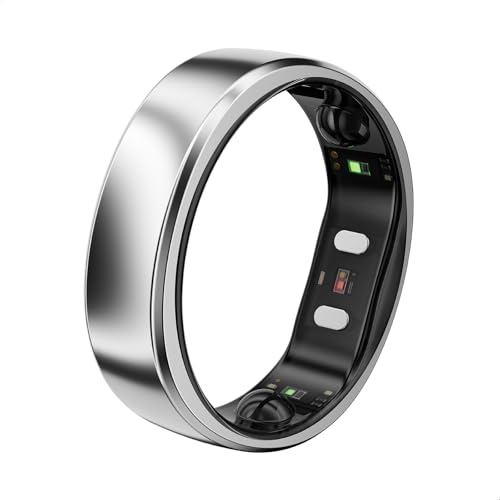
RingConn Gen 2: Best value pulse oximeter ring
- SpO₂ tracking: Yes
- Heart rate tracking: Yes
- Sleep tracking: Yes
- Battery life: Up to 10–12 days
- Pricing: $299.00
- Compatibility: iOS and Android
Even though RingConn Gen 3 brings several useful upgrades, Gen 2 is still a fantastic smart ring that deserves a place on this list. If you don't need the latest features and want to save around $50, it's a smart purchase.
RingConn Gen 2, like the previous model, is designed for wellness and sleep tracking. One feature that stands out is Sleep Apnea Assessment, which looks at several nights of sleep and SpO₂ data to estimate your risk of sleep apnea. RingConn says this feature is 90.7% accurate, but keep in mind it is not a medical diagnosis and should not replace professional testing.
When we tested the ring, sleep tracking was still one of its best features. Sleep stages, sleep scores, and overnight SpO₂ readings were reliable. The ring also worked well even on nights when our sleep was interrupted.
The RingConn app also offers a lot of information. You can view detailed graphs for SpO₂, heart rate, HRV, stress, sleep, and more. While we liked having so much data, it can feel overwhelming. Simpler summaries would make it easier for most people to use.
Other than that, RingConn Gen 2 still gives you great value and is one of the best smart rings for its price.
- Excellent sleep and SpO₂ tracking
- Long battery life
- No subscription required
- App can feel overwhelming
- Sleep apnea features are not medically diagnostic
- Fewer features than RingConn Gen 3
What are pulse oximeter rings?
Pulse oximeter rings are wearable devices that fit on your finger and continuously track your SpO₂ and heart rate. Unlike traditional fingertip pulse oximeters designed for quick measurements, these rings are made to be worn for hours, especially while you sleep.
Their main purpose is to help you see long-term trends instead of just giving one-time readings. Many people use them to check how well they recover overnight, monitor sleep, or track changes in heart rate and blood oxygen.
How do pulse oximeter rings work?
Pulse oximeter rings use red and infrared LEDs to estimate your SpO₂. The light shines into your finger, and the sensor measures how much is reflected back.
Oxygen-rich and oxygen-poor blood absorb light differently, so the ring can estimate your SpO₂ level and track changes throughout the day and night.
This reflective method lets the ring monitor your heart rate and blood oxygen continuously while staying small and comfortable enough to wear for long periods, especially during sleep.
Are they the same as fingertip pulse oximeters?
Not quite. Traditional fingertip pulse oximeters work differently. They shine light through your fingertip and detect it on the opposite side instead of measuring reflected light. This method is called transmission oximetry.
Your fingertip has many small blood vessels, so the signal is usually stronger and more stable. That is why fingertip pulse oximeters are generally considered better for the most accurate spot reading. Smart rings, on the other hand, are designed to show trends over time.
How accurate are pulse oximeter rings?
Studies show that pulse oximeter rings may reliably measure heart rate and SpO₂, especially when you are resting or sleeping. In one study, a smart ring with PPG sensor technology tracked pulse rate, and its SpO₂ readings were very similar to those from a standard fingertip pulse oximeter.
The study also suggests that while absolute numbers may not always be perfect, pulse oximeter rings are useful for tracking trends over time. For example, you can see whether your oxygen levels are stable during sleep or if your heart rate changes with recovery or stress.
Even so, more independent research is needed, especially for different brands (this study did not test the exact models we listed here). But we have to admit, early data looks promising.
How to choose a pulse oximeter ring
After testing these devices, we found a few important things to consider if you want to buy a smart ring. Here are our tips:
- Accuracy consistency. Focus more on steady trends than perfect single readings. For example, if your SpO₂ is similar every night, you trust it more than numbers that jump around.
- Sleep tracking depth. Check if the ring explains your recovery. For example, does it show why you feel tired after staying up late?
- Comfort. If you constantly notice the ring on your finger, will you wear it? In our opinion, the best one does not feel like it’s there.
- Battery life. You shouldn’t have to charge it every couple of days. A good ring should last several nights, so you don’t have to worry about it.
- App quality. After trying a few rings, we like simple graphs you can check quickly instead of complicated dashboards.
- Subscription model. Before you buy, think about whether you’re okay with paying extra for the app features.
- FDA clearance. We think it’s a nice bonus, not essential, but it can give you extra peace of mind.
- Price. Ask yourself if you’d still use the ring if it cost more. If the answer is no, it might not be worth it.
Other health tracking reviews
Best pulse oximeters in 2026: Our picks for pulse and SPO₂ tracking
Best fitness tracker 2026: Wareable picks for fitness tracking
Best smart scales: Top picks for body composition, weight loss, and health tracking
The best wearables for weightlifting: Top picks for tracking progress in the gym
Final verdict
Even though smart pulse oximeter rings work better as trend tracking devices, we still think they are a great option if you’re interested in your sleep, recovery, and overall wellness patterns over time.
Our top pick is RingConn Gen 3. It stands out because it combines comfort, long battery life, strong sleep tracking, and useful insights without needing a subscription. It feels like a complete package for most people, which is why it is at the top of our list.
Oura Ring 5 is the best premium alternative if you want deeper insights and are willing to pay for a subscription, while LYNX Smart Ring offers a more budget-friendly entry point.
And if a smart ring isn’t for you, that’s okay because there are still great alternatives. You can check out our top fingertip pulse oximeters for more direct readings or use a fitness tracker or smartwatch, which also provide heart rate and SpO₂ tracking in a similar way.
-
Annals of Biomedical Engineering.