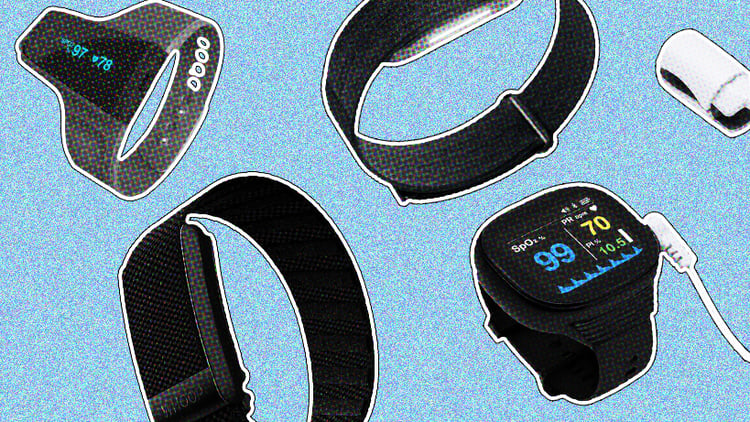
After thorough testing, we bring you the best wrist pulse oximeters for your lifestyle
By estimating your blood oxygen saturation and pulse rate, wrist pulse oximeters have become popular tools for monitoring sleep quality, respiratory wellness, altitude adaptation, and athletic recovery.
However, navigating the market can be difficult, as many devices look similar but differ significantly in comfort, sensor reliability, app quality, and reporting features.
Even after choosing a top-tier device, it’s important to know that these oximeters are designed for observing trends and overnight monitoring—meaning continuous tracking provides much more context than occasional spot checks. Furthermore, sensor placement and fit can heavily affect accuracy.
To help you navigate all of this, our team has put together this guide to help you find the most practical, reliable, and comfortable wrist pulse oximeter for your lifestyle.
Quick picks: Best wrist pulse oximeters
- Hume Band 2.0: Best for long-term tracking
- WHOOP 5.0: Best for performance and recovery tracking
- Wellue Checkme O2 Ultra: Best for overnight monitoring
- Pepultech Osasleep01: Best for detailed sleep health tracking
How we tested wrist pulse oximeters
Every wrist pulse oximeter we reviewed underwent a thorough testing process, focusing on the features that matter most to everyday users. Over several weeks, we evaluated how each device performed during overnight sleep tracking, daytime monitoring, travel, and recovery periods.
We also paid close attention to blood oxygen reading consistency, heart rate accuracy, battery life, and wearability—picking the oximeters that offer comfort, reliability, and overall best value.
Hume Band 2.0: Best for: Long-term tracking
- Monitoring type: Optical sensors
- Battery life: 14 days
- App support: Hume Health, Apple Health, Google Fit
- Overnight recording: Yes
- Alarm support: None
- Price range: Mid-range
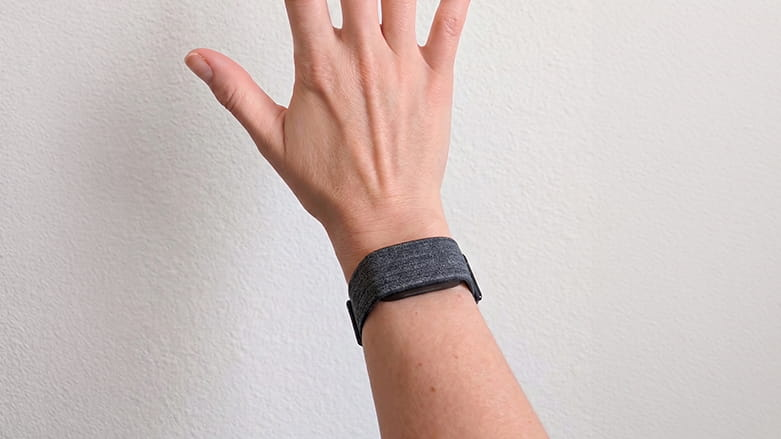
Hume Band 2.0 is a distraction-free wearable with a focus on longevity. It’s a combination that many people find appealing, as it doesn't overwhelm you with constant notifications or numbers and allows you to track your health metrics in the background instead.
Along with estimating blood oxygen and heart rate via optical sensors, it tracks 10 other biomarkers, like sleep stages, recovery status, and blood pressure. This helps it flag early signs of overexertion and advise you to slow down or rest, this way supporting your overall energy and resilience.
It’s designed for 24/7 passive wear and stays on your wrist day and night, so your biomarkers are tracked constantly, and you never miss signals that matter. Made from soft, breathable materials, it remains comfortable day and night, while the secure strap keeps the sensor snug against your wrist for optimal accuracy.
Since Hume Band 2.0 is a recent upgrade from the older model, it comes with a longer battery lifespan of up to 14 days. Its app also got a refresh, containing easy-to-review oxygen trends and exportable reports. However, for the latter, you have to have the premium subscription, which, of course, costs extra.
Leaning heavily into a distraction-free design, the band doesn’t feature an alarm—a significant drawback in our eyes, as it means you could miss sudden oxygen drops. It’s also important not to confuse this device with a performance tracker, as it's not meant to focus on monitoring your workouts or steps.
As already mentioned, its priority is wellness and longevity, so if you’re looking for a device offering exactly that, it’s well worth considering.
- Constant monitoring
- Comfortable, distraction-free design
- Focuses on longevity
- Doesn’t feature an alarm
- Data exporting costs extra
WHOOP 5.0: Best for: Performance and recovery tracking
- Monitoring type: Optical sensors
- Battery life: 14+ days
- App support: Apple Health, Google Fit, Strava
- Overnight recording: Yes
- Alarm support: Yes
- Price range: Premium range
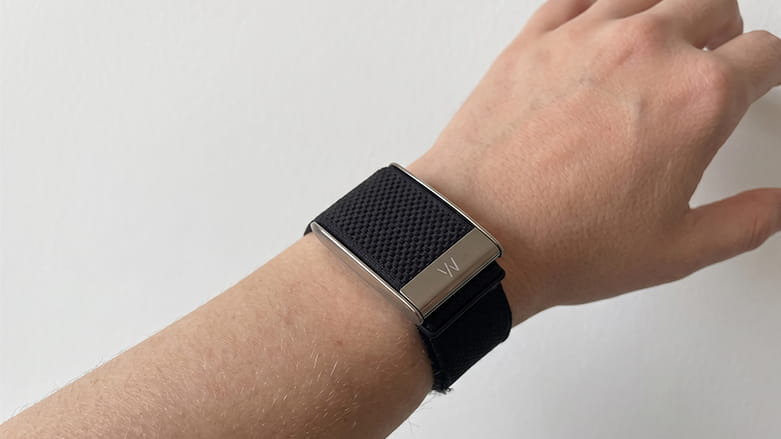
A close competitor to Hume Band 2.0, WHOOP 5.0 is also a screenless wearable. However, instead of focusing on longevity, it prioritizes performance. It automatically detects and logs your workouts, relying on your phone's GPS if you want to map your activity.
To support continuous health monitoring, WHOOP made sure the device is comfortable enough for day and night wear. You can choose from various band styles to suit your preference, which we think is a nice touch. Overall, we found no flaws with the design. Exactly as it should, the sensor fits snugly on your wrist to maintain the constant contact needed for accurate data.
App-wise, WHOOP 5.0 takes a more analytical approach. It presents detailed graphs and charts, which can feel a bit overwhelming for everyday users. Additionally, the device requires a membership, meaning you have to pay a monthly fee just to view your data and track your progress.
On the bright side, this membership unlocks deeper insights into your biomarkers—such as oxygen trends—along with practical tips and an AI coach you can chat with for personalized advice. You can also easily export your reports to share with a doctor or coach.
Unlike Hume Band 2.0, WHOOP features a built-in alarm. It alerts you if your oxygen levels drop and can also be set to gently wake you up with a vibration instead of a sound. It even boasts a slightly longer battery life than Hume Band, though not by much.
Ultimately, WHOOP 5.0 is a better fit for performance-focused users looking to monitor their blood oxygen, heart rate, sleep, and recovery trends.
- Screenless
- Features an alarm
- Performance focused
- Requires membership
Wellue Checkme O2 Ultra: Best for: Overnight monitoring
- Monitoring type: Optical sensors
- Battery life: 4 days
- App support: ViHealth
- Overnight recording: Yes
- Alarm support: Yes
- Price range: Mid-range
Wellue Checkme O2 Ultra is dedicated to measuring your blood oxygen levels and pulse rate. By specializing in just these two metrics, it claims to achieve accuracy of ±2%.
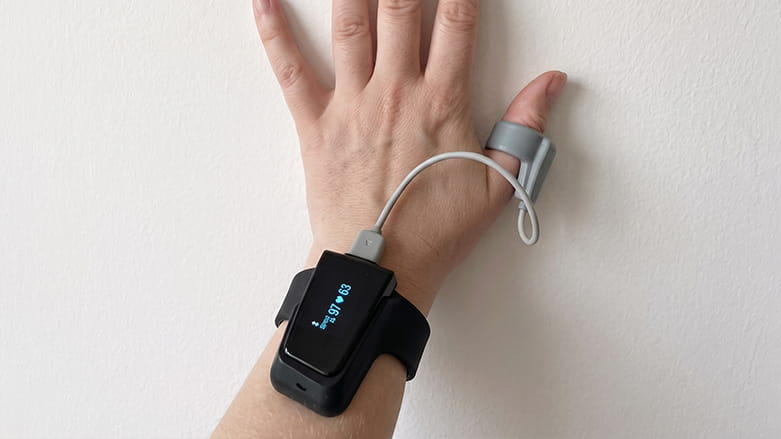
The device consists of two parts: the main wrist unit and a removable ring sensor for your finger. It also features a built-in screen that displays your real-time blood oxygen and pulse rate directly on your wrist.
Since it’s quite bulky for everyday use, it isn’t the most comfortable for 24/7 passive wear. Instead, it’s most commonly used overnight to monitor for oxygen drops. Wearing it to sleep is fairly comfortable, though perhaps not as seamless as the bands mentioned earlier. That said, it remains compact enough to easily pack and take with you anywhere.
It also boasts an alert system. The device will beep and vibrate if your oxygen level drops or if your pulse rate falls outside the custom thresholds you preset.
Wellue Checkme O2 Ultra lasts roughly 100 hours on a single charge, which is completely enough for this particular device since you won't be wearing it around the clock.
Within the free companion app, you can track your metric trends and adjust various device settings. While the app interface feels a bit primitive, it gets the job done without any issues and allows you to easily export your data into reports.
Overall, it’s a solid option for anyone looking to focus strictly on accurate blood oxygen and pulse rate tracking.
- Features an alarm
- Simple to use
- Travel friendly
- Not suitable for passive wear
Pepultech Osasleep01: Best for: Detailed sleep reports
- Monitoring type: Optical and motion sensors
- Battery life: 18 hours
- App support: Berry Smart Health
- Overnight recording: Yes
- Alarm support: Yes
- Price range: Low
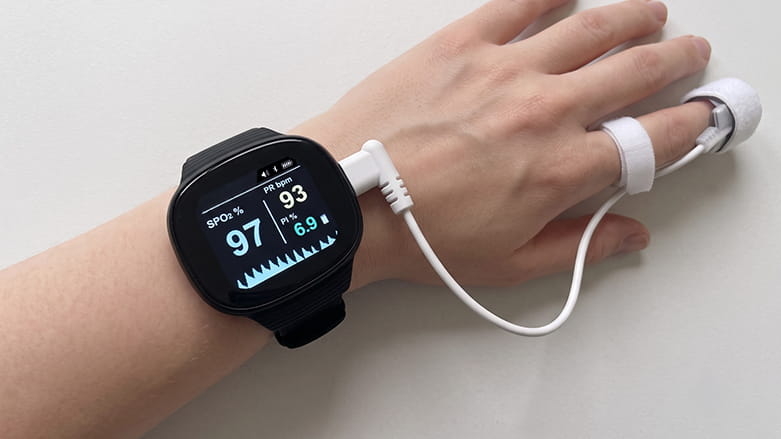
Pepultech Osasleep01 is another pulse oximeter that focuses only on measuring blood oxygen levels and pulse rate. While it’s the most affordable option on this list, it’s the only one to use two types of sensors that adapt to various skin tones and wrist sizes for consistent and accurate data collection.
Even though it’s designed to look like a regular watch with the addition of a finger sensor, it’s not meant for continuous passive wear. After wearing the device for a minimum of 30 minutes, or ideally overnight, you can open the Berry Smart Health app and sync your device via Bluetooth.
For the first-time setup, you will need to download the app, create a profile, and scan your device to link it. We found this was a bit tricky, but after getting through it, you get a free, detailed sleep report with nine sleep metrics, which you can export to your computer to get more detailed insights.
The lower price point, unfortunately, means that you get shorter battery life. A single charge lasts 18 hours, which means you’ll have to charge it every two nights if you’re wearing it while sleeping.
That being said, its redeeming quality is an alarm that vibrates to alert you to any potentially abnormal drops during sleep. It’s also lightweight and compact, making it a great travel companion.
All things considered, it seems to be a reliable option for people who are looking for a wrist oximeter that focuses more on sleep metrics.
- Optical and motion sensors
- Detailed sleep report
- Features an alarm
- Short battery life
Wrist pulse oximeters compared
Take a look at this comparison table, meant to make your decision-making quick and easy:
| Device | Monitoring type | Battery life | App Support | Alarms | Data reports | Price range | Best for |
| Hume Band 2.0 | Optical sensor | 14 days | Hume app, Apple Health, Google Fit | None | Available | Mid-range | Long-term tracking |
| WHOOP 5.0 | Optical sensor | 14+ days | WHOOP app, Apple Health, Google Fit, Strava | Vibration | Available | Premium | Performance and recovery tracking |
| Wellue Checkme O2 Ultra | Optical sensor | 100 hours | ViHealth app | Vibration and audio | Available | Mid-range | Overnight tracking |
| Pepultech Osasleep01 | Optical and movement sensors | 18 hours | Berry Smart Health | Vibration | Available | Low-range | Detailed sleep reports |
Who should consider a wrist pulse oximeter?
A lot of people can benefit from a wrist pulse oximeter. By monitoring overnight oxygen saturation and pulse rate, these wearables provide insights into your overall well-being.
One of the most common use cases is people looking for convenient sleep wellness monitoring at home, especially for those who may be concerned about snoring, sleep apnea, or other respiratory conditions.
However, please note that if you suspect a serious medical issue, you should consult your healthcare provider directly rather than relying solely on a wearable to tell you if something is wrong.
Beyond sleep, wrist pulse oximeters are also helpful for hikers monitoring altitude adaptation, athletes checking their daily recovery, and everyday users following their long-term oxygen trends. They can help estimate how well you are responding to higher altitude and how well your body may be recovering from previous workouts, letting you know if you should push harder or take a rest day.
What should you look for in a wrist pulse oximeter?
When choosing a wrist pulse oximeter, you want to consider these essential features to find the right match for your lifestyle and needs:
- Comfort: Since these devices are often worn for longer periods of time or even constantly, you want them to be lightweight, have a secure fit, and be easy to set up.
- Consistent accuracy: To have this, look for reliable sensors that have a low percentage of margin of error.
- Battery life: Choose a device that doesn’t require constant recharging, as short battery life will be harder to maintain and integrate into your routine.
- App quality: The companion app should be intuitive, require minimal learning curve, and translate raw numbers into easy-to-understand health trends.
- Alarm functionality: In case you experience oxygen drops, vibrating alarms are vital to alert you.
- Data exports: This feature is helpful when you want to share your data with your healthcare provider or fitness coach.
- Budget considerations: Pick a device that matches your lifestyle and budget so you can enjoy using it without buyer’s remorse.
Other health tracking reviews:
Best discreet, non-watch fitness trackers without a screen
Best fitness tracker 2026: Reviewed, tested, and compared
Hume Band 2.0 review: Is the upgrade worth it?
WHOOP 5.0 review: A bold leap into longevity with familiar drawbacks
Final thoughts
Wrist pulse oximeters can be useful for many people, from those wanting to track their sleep health to athletes focused on their performance and recovery. Our best overall recommendation that will suit most people’s needs is Hume Band 2.0. Its distraction-free design, focus on longevity, and useful well-being insights are what make it such a standout in its category.
If you’re solely looking for accurate blood oxygen and pulse rate tracking, our best value option is Pepultech Osasleep01, as it offers a budget-friendly price without sacrificing technology or comfort. That said, your decision depends on your lifestyle and needs, so we recommend taking those into consideration before making a purchase.