Both Withings Body+ and Body Smart take a simple weigh-in and turn it into more detailed wellness tracking, but the newer Body Smart adds a few extra metrics.
In my Hume Health Body Pod and Oxiline Scale MD Pro reviews, I already referenced Withings smart scales when comparing the wider smart scale market. Now it makes sense to zoom in and compare Withings against itself by looking at how its two most popular models stack up.
For this review, we—the Wareable team—tested both Body+ and the newer Body Smart to see if the upgrade is worth it or if the older model still meets most people's needs. That question matters because the two scales are aimed at different users.
Body+ is the simpler option: it tracks weight and body composition without extras. Body Smart goes further as it offers advanced wellness insights and a more modern feature set.
Over several weeks of testing, we examined design, metrics, accuracy, and app experience to determine which one truly deserves a spot in your home.
| Specs | Withings Body Smart | Withings Body+ |
| Price | $129.95 | $99.95 |
| Body composition metrics | Weight, BMI, body fat %, water %, muscle mass, bone mass, lean mass, BMR, visceral fat index | Weight, BMI, body fat %, water %, muscle mass, bone mass, visceral fat, BMR |
| Visceral fat | Yes | No |
| Heart rate | Yes | No |
| App support | Withings app (iOS + Android) | Withings app (iOS + Android) |
| Connectivity | Wi-Fi + Bluetooth | Wi-Fi + Bluetooth |
| Battery life | Up to 15 months | Up to 18 months |
| User profiles | Up to 8 users | Up to 8 users |
| Warranty | 1-year | 1-year |
| Official website | Visit Withings Body Smart | Visit Withings Body+ |
Similar design, but the details make the difference
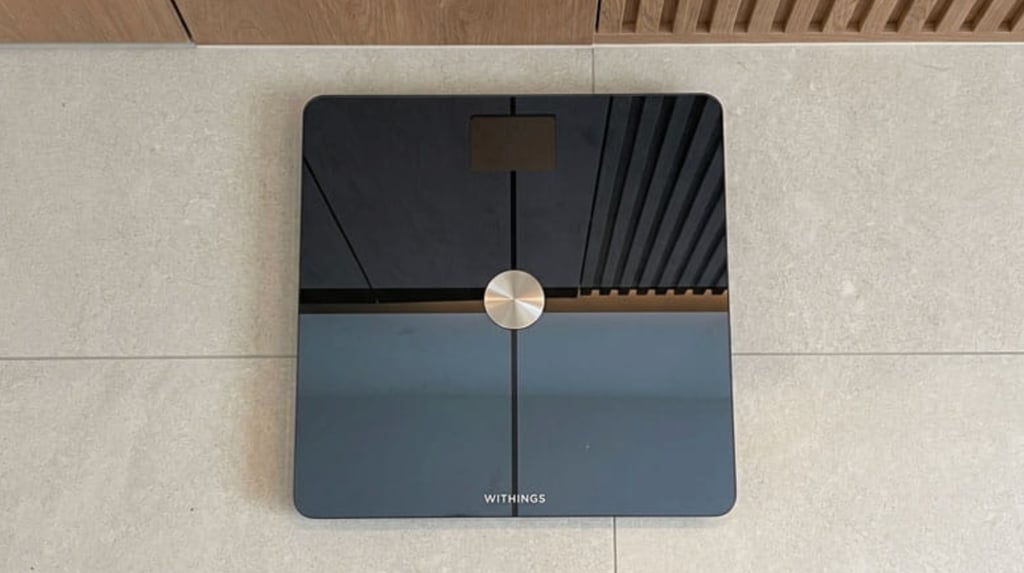
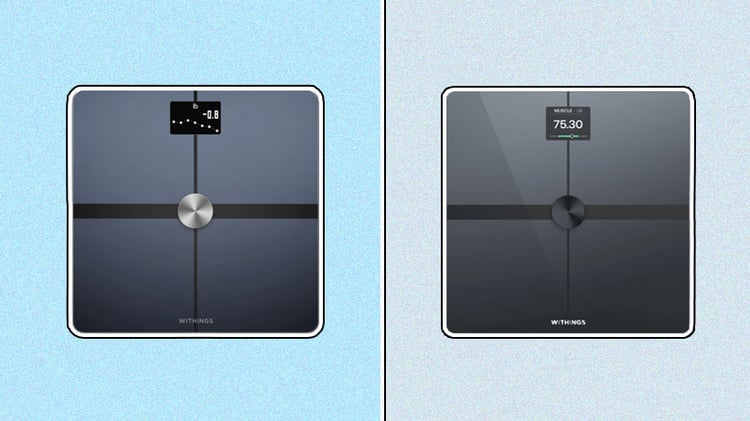
At first glance, Withings Body+ and Body Smart look almost identical. Both use a tempered glass surface that gives them a premium look and come with carpet feet, a nice touch if you plan to place your scale on carpet instead of a hard surface.
However, that first impression changes the moment you turn them on. Body+ keeps things simple with a basic black-and-white display.
Body Smart feels more modern with a color screen and a more detailed interface. It’s a small difference, but it immediately shows these two scales are designed for slightly different users.
Setup is simple—until it isn’t
If you think the differences end with the display, that’s where things get interesting. The setup experience revealed one of the biggest frustrations.
When our team members first connected Withings Body+, everything seemed smooth. The scale automatically started pairing, found the app, and we only needed to enter our personal details.
But when you step on the scale for your first measurement, the result doesn’t appear in the latest measurements. Some of us tried again, but the same thing happened.
After we did some searching, we found the measurement wasn’t lost. It was saved under the Unknown Measurements section.
To find it, you need to open the scale section in the app and manually assign that reading to your profile. Basically, you have to tell the scale: ‘Yes, this is me,’ so future measurements can be recognized.
Was the Body Smart setup any different?
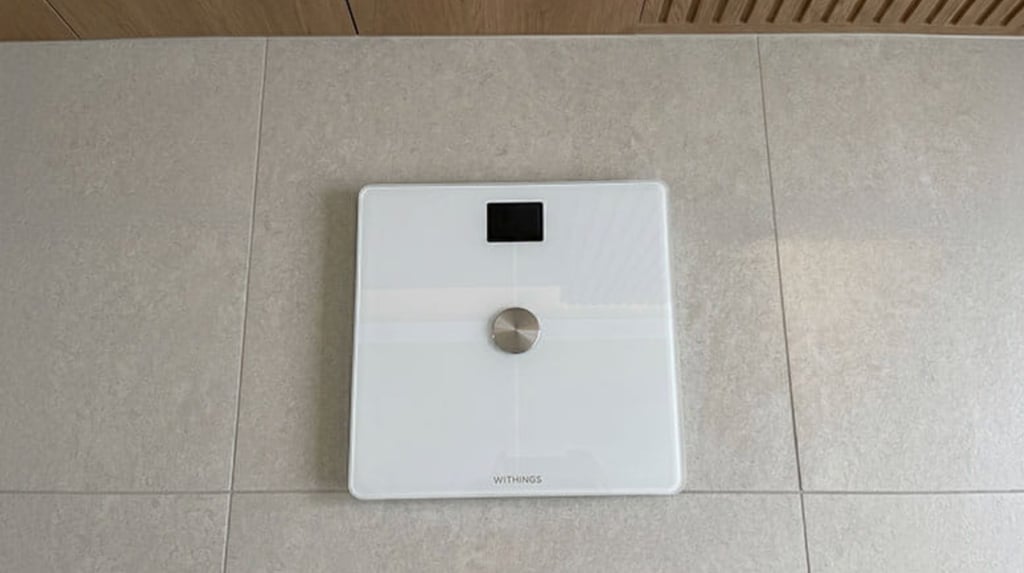
Even though the Body Smart setup was easier, the same issue happened again.
The difference was that it felt quicker because we already knew where to look if your measurement didn’t appear. Still, this could confuse some first-time users. A smart scale should feel effortless from the first step, and having to search for your own measurement is not something most people expect.
Winner: Draw
The software experience matters more than you think
Before we jump into wellness insights and measurements, we need to talk about the software experience. You’ll understand why we think it’s important.
A smart scale is only useful if it saves and shows your data properly. While testing Withings Body+, we noticed the scale occasionally disconnected from Wi-Fi, so our latest readings didn’t always appear in the app. As a result, the scale stopped recording additional measurements like body fat percentage and other body composition data.
However, that’s not a big issue, because you can easily solve it. After some digging on the internet, we found that the best solution was to remove the scale from the Withings Health app, disconnect it from the phone’s Bluetooth, reset the scale, and set it up again.

To do that, you need to hold the reset button for about seven seconds and then quickly select the reset option, otherwise, you’ll have to do it all over again.
Was the experience better with Withings Body Smart?
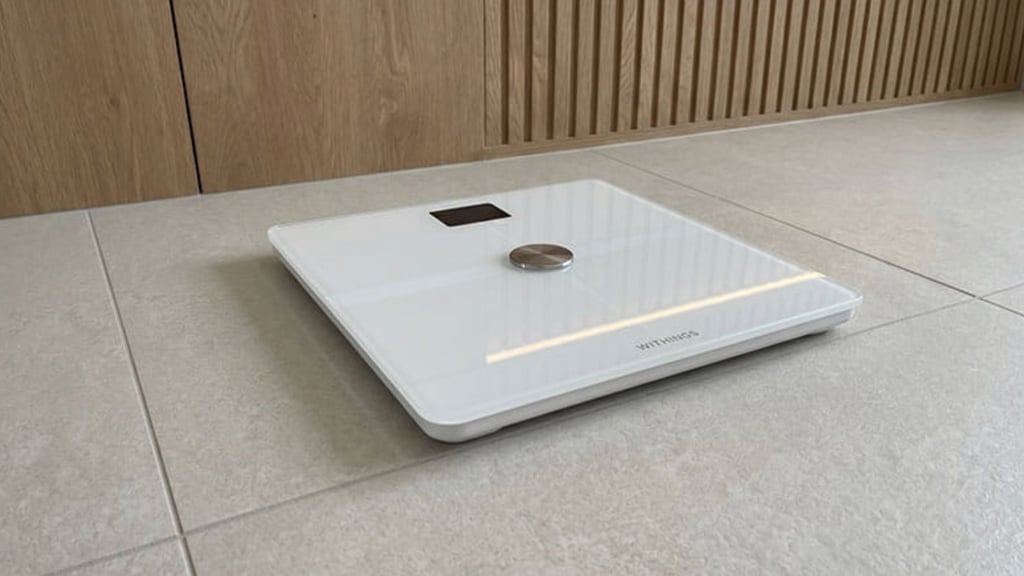
Thankfully, the experience was much easier. We didn’t have the same Wi-Fi issues with Body Smart. The only thing we noticed was that it took a few weigh-ins before the scale fully recognized our profiles.
Our advice is to do those first measurements on the same day. Once the scale learns who you are, the experience becomes smoother. You simply step on, weigh yourself, and your results appear in the app. That said, compared to Body+, Body Smart feels much easier to use.
Winner: Withings Body Smart
Body composition tracking: What do they actually measure?
For body composition tracking, Withings Body Smart is a bit more advanced than Body+. It collects a few extra measurements and gives you a broader view of your body.
However, the difference isn’t huge, especially if you just want the basics. To help, we compared what each smart scale measures. The table below highlights the main differences:
| Tracked measurement | Withings Body Smart | Withings Body+ |
| Weight | + | + |
| Body fat | + | + |
| Water percentage | + | + |
| Muscle mass | + | + |
| Bone mass | + | + |
| Lean mass | + | + |
| Standing heart rate | + | - |
| Basal metabolic rate | + | - |
| Visceral fat index | + | - |
Neither Body Smart nor Body+ scales track as many metrics as some more advanced smart scales, but we think they give enough information for most people. If you want to track basic changes in your body, measurements like weight, body fat percentage, muscle mass, and water percentage are a good place to start.
No handle, no advanced measurements?
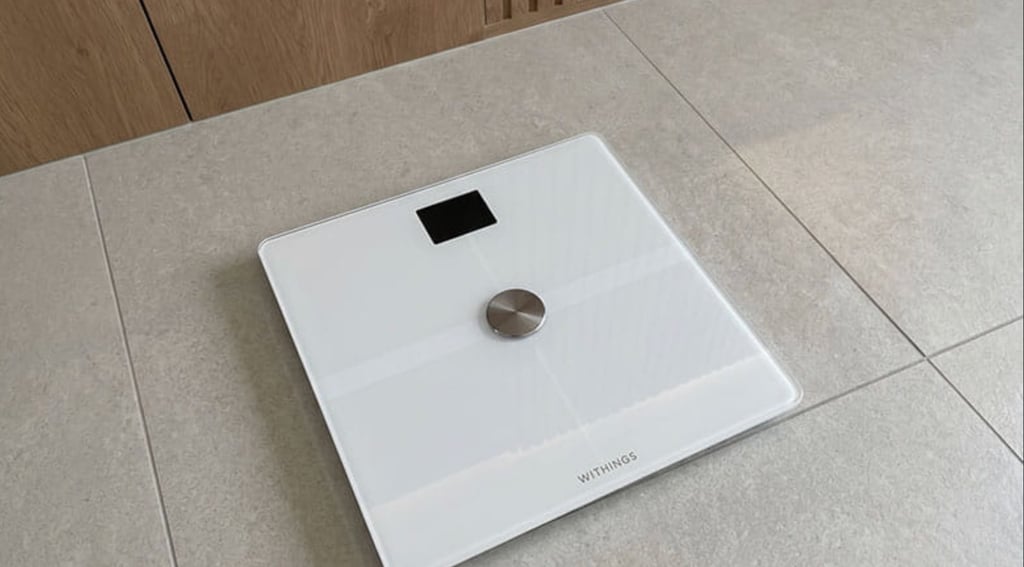
Like most modern smart scales, Withings uses bioelectrical impedance analysis (BIA). Basically, the scale sends a tiny electrical signal through your body and measures how it moves to estimate body fat, muscle mass, and other metrics.
When scales have a handle, they can send those signals not only through your feet, but also through your arms.
However, neither Body+ nor Body Smart has a handle. So, how does this affect measuring? Well, a hand grip lets smart scales collect more information from both your upper and lower body. That is why models like Hume Health Body Pod, Withings Body Scan, and Oxiline Scale MD Pro offer 40+ measurements.
That said, this does not make Withings' Body Smart or Body+ scales a bad choice. If you want to follow your basic progress and understand general trends, they provide enough information. But for the most detailed body composition breakdown, a handheld scale may be a better choice.
Which one measures better?
To compare the two, we used both scales and checked if their measurements were similar.
After fixing the initial Body+ syncing issue, the results were close. Weight, body fat percentage, and other main measurements showed similar patterns on both devices.
However, we would give a slight advantage to Body Smart because it also provides the visceral fat index. It’s different from the fat under your skin because it surrounds your organs and can have a bigger impact on your overall health. Higher levels of visceral fat are linked with an increased risk of issues like insulin resistance and heart disease.
So, tracking visceral fat trends may be helpful when you’re trying to improve your overall wellness.
However, keep in mind that smart scales use BIA technology to estimate these numbers. They are most helpful for tracking changes over time rather than relying on a single measurement as fully accurate.
Eyes Closed mode: A small feature that makes a big difference
Withings recognizes that stepping on a scale isn’t always a positive experience. For some, seeing their weight first thing in the morning may increase stress or anxiety.
That’s why the newer Withings Body Smart includes Eyes Closed mode. Instead of immediately showing your weight, it replaces the number with a motivational message.
Your full measurement is still taken and sent to the Withings Health app. Then you can choose when to look at the data that has been collected.
We think this is a thoughtful addition because it gives people more control over their relationship with tracking. Unfortunately, this feature isn’t available on the older Body+ model.
Winner: Withings Body Smart
Accuracy and measurement consistency: How reliable are the results?
Before evaluating Body+ and Body Smart, it is important to note Withings’ research on its higher-end Body Scan scale, which features a handle and tracks over 40 metrics.
According to a clinical study published on their website, Body Scan was compared with DEXA in 80 participants. Each participant completed a DEXA scan followed by three Body Scan measurements under identical conditions.
The results showed a 99% correlation for total fat mass, 98% for total muscle mass, and 95% for total water mass compared to DEXA.
Basically saying, Withings claims its premium scale provides results closely aligned with DEXA scans for key body composition metrics. However, these findings are based on company-supported research and have not been independently verified.
Are Body Smart and Body+ as accurate?
For Body+ and Body Smart, we did not find DEXA-backed validation at the same level. However, these scales remain useful, primarily for tracking changes over time.
An independent study reviewing 165 consumer BIA-based smart scales found that, while smart scales offer helpful estimates, many results rely on undisclosed algorithms and should not be considered precise clinical measurements.
In other words, it’s more effective to monitor trends, such as gradual changes in body fat over weeks or months, rather than focusing on exact percentages.
Winner: Draw
Price difference: Small gap, different value
The price difference between the two Withings scales isn’t huge. Body Smart costs $129.95, while Body+ costs $95.95. So we’re only talking about a difference of around $35.
It all comes down to what you need from a smart scale. If you want basic tracking—like weight, body fat percentage, and simple trends—then Body+ does the job well and saves you money.
For a bit more, Body Smart adds extra insights such as visceral fat tracking. This data may be useful if you want to understand broader changes in your body, not just your weight.
In our view, the small price jump is worth it. Alternatively, saving $35 now could lead to higher costs later if you need more detailed tracking, since you’ll have to purchase a new scale. The good news is, there is also a 30-day return option, so you can test both and see which fits your routine.
Winner: Withings Body Smart
Verdict: Withings Body+ vs. Body Smart
The decision between Withings Body+ and Body Smart comes down to simplicity versus extra insights.
Body+ is a good smart scale if you only want to track your weight and basic body composition without paying more. It’s reliable and covers the basics well.
However, for most new buyers, we think Withings Body Smart is the better choice. The price difference is small, but you get a newer design, a better display, extra measurements like visceral fat tracking, and a more complete experience that should stay useful longer.
Neither scale offers 40+ metrics like some competitors with handles, but Body Smart feels like the better investment. If you’re spending money on a smart scale, it makes more sense to spend a little extra and get the model you won’t outgrow quickly.
-
International Journal of Medical Informatics.
-
Current Opinion in Clinical Nutrition and Metabolic Care.
-
Harvard Health Publishing.
-
Current Obesity Reports.