Hume Band 2.0 Review: Is the upgrade worth it?

- Longer, 14-day battery life
- Focus on longevity and wellness optimization
- New blood pressure trend tracking
- Not many new features from the original Hume Band
- Athletes might miss some more workout performance features
If you’re interested in your well-being and want to focus more on longevity, the new upgraded Hume Band 2.0 might be just for you. Hume focuses on core factors such as your metabolic health, sleep, biological aging, and recovery. What makes it different from other brands like WHOOP, Garmin, or Fitbit is that its main focus is endurance rather than fitness.
The 2.0 upgrade also comes with more advanced blood pressure trend tracking, enhanced sensors, and a longer 14-day battery life. However, there aren’t that many new features, so it might not be enough to justify upgrading if you’re already a Hume Band user. If you’re new to wellness wearables, Hume Band 2.0 is definitely worth considering. However, I do believe that there are more advanced options that could track your data more accurately.
| Product | Hume Band 2.0 |
| Price | $199.25 |
| Battery life | 14 days |
| Water resistance rating | IP68 |
| Sensors | 5 LED sensors and 4 photodiodes |
| Connectivity | Through the Hume app |
| Compatibility | iOS and Android |
| Key new features | Blood pressure trend tracking, 14-day battery life |
What's actually new in Hume Band 2.0?
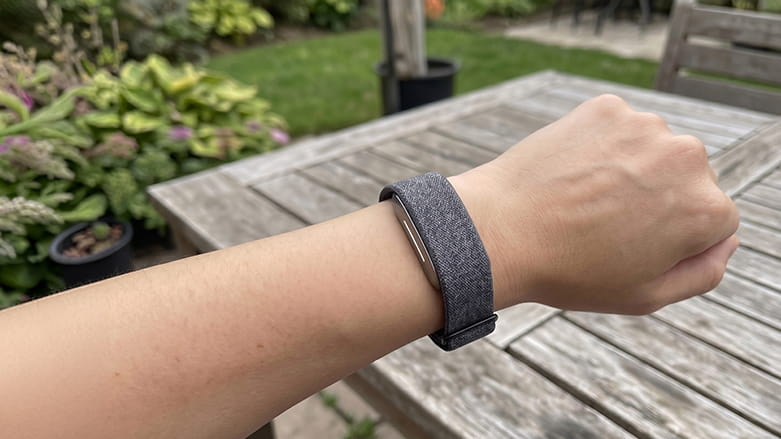
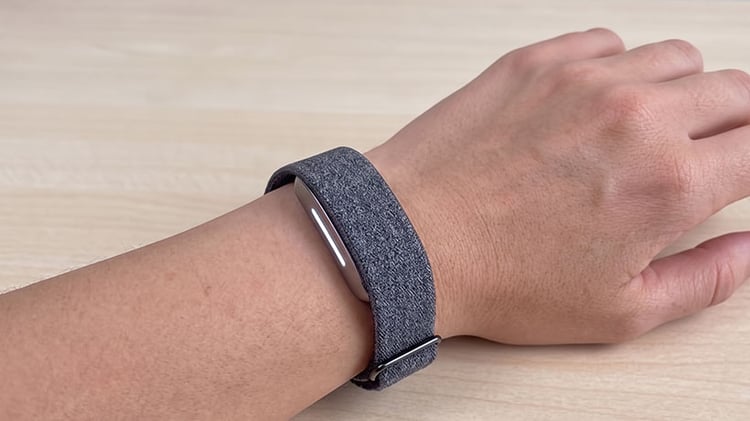
The most advertised changes in Hume Band 2.0 include comfort, battery life, and wellness insights. The brand redesigned its UltraLux band to be even softer, and I found it very comfortable to wear 24/7. However, I wouldn’t say that the overall feeling is very different from the first-generation band.
It also includes new sensors (5 LEDs and 4 photodiodes) that improve data accuracy. This should offer clearer and more reliable data on your biomarkers. Unfortunately, my tests revealed that some inaccuracies in heart rate, sleep, or recovery measurements can still be expected.
Hume Band 2.0 also comes with a new blood pressure trend-tracking feature that monitors your pulse and provides insights into any potential changes. The brand also notes that it will introduce nutrition tracking, which could be a useful addition down the line.
Now, Hume Band 2.0 offers up to 14 days of battery life, significantly longer than the original Hume Band, which only lasted about 5–7 days at most.
Is the upgrade worth it?
If you’re new to trackers and want a simple and affordable device, Hume Band 2.0 might be worth it.
However, the main features and core insights are not that different from the original Hume Band. I also noticed some inaccuracies in health data, such as heart rate. Besides, I wouldn’t recommend Hume Band 2.0 if you’re into fitness tracking, as it mostly focuses on longevity.
If you’re already using the first-generation device and you don’t want to use it 24/7 long-term, you might want to skip Hume Band 2.0.
Design and comfort
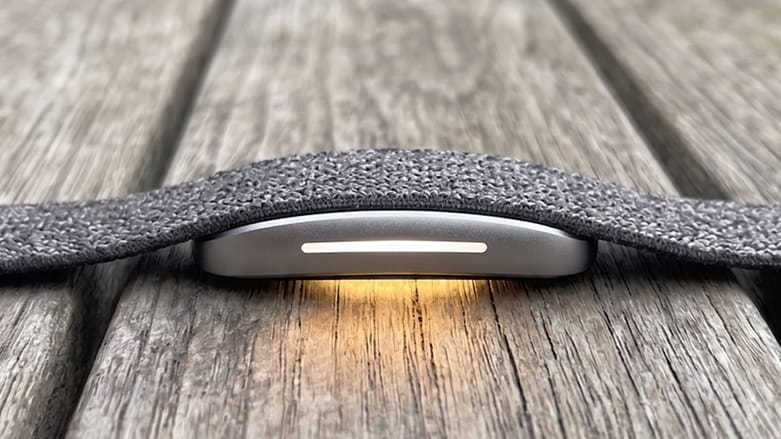
While the original Hume Band was already comfortable, the upgraded UltraLux strap brings it up a notch, though I wouldn’t say there’s a drastic change per se. I liked the minimalistic look since it’s easy to style, but other than that, I wasn’t amazed by it. If you already own a Hume Band, upgrading it for the new design is not worth it in my eyes.
However, if you’re new to Hume, the 2.0 is very lightweight, soft, and discreet. This is definitely an advantage, since I found many other trackers feel quite bulky. It’s definitely suitable for comfortable sleep tracking. After wearing the upgraded band for a few days, I rarely even noticed it anymore, though it still bothered me a little bit when working out. During high-intensity workouts, I noticed that I had to loosen it up a bit to avoid chafing.
You can also stop worrying about sweating or getting water on your band—Hume Band 2.0 is water-resistant (IP68). You can even shower or swim for up to 2 hours without removing it.
Smart features
Hume Band 2.0 primarily focuses on health monitoring rather than pushing productivity tools. It collects data, which is later turned into informative insights that may help you notice changes or inconsistencies.
The band tracks measurements such as HRV, SpO2, skin temperature, blood pressure trends, heart rate, steps, sleep, and calories. Constantly monitoring this data can not only help you better understand your body but also make it easier to notice unusual changes over time.
The band also allows health ecosystem integrations, so you can sync your data across different devices and services. This also includes third-party apps that you might already use for your wellness tracking. Humbe Band 2.0 also sends notifications, making it easier for you to track your data.
You can find all this information using the free or premium Hume app. The free app is a simpler version that offers all core insights, so it’s all you need. However, you’ll need the premium app for deeper analytics and guidance. The paid version also includes an AI coach that provides helpful explanations and recommendations to improve your overall well-being.
Honestly, the original Hume Band and other devices in the sphere offer very similar features as well, so the upgrade isn’t something mind-blowing. While these features are enough if you’re focusing on longevity, I wouldn’t recommend Hume Band 2.0 if you want to track your fitness progress.
Battery life and charging
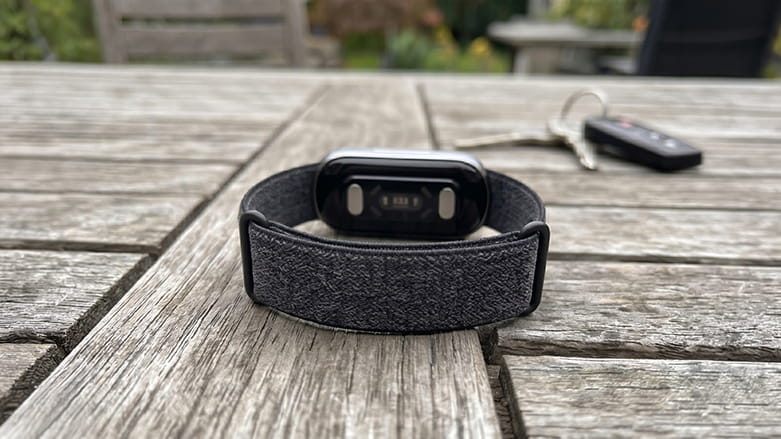
While a few things have changed, the battery improvements were definitely the most significant. With the latest upgrade, Hume Band 2.0 now claims it can last up to 14 days without charging. Previously, the first-generation band had a battery life of around 5–7 days. This update is great for tracking sleep patterns and consistent use.
The battery is optimized for this always-tracking device, so you won’t need to charge it very often. Once your battery runs low, you can recharge it quite quickly. I found that a full recharge takes 20–80 minutes, depending on how much battery you have left.
However, while the device does charge quickly, I’m a bit skeptical about the 14-day battery life. During testing, I wore the band day and night, but it only lasted me 7 days until it was time to charge it again.
Pricing and subscription
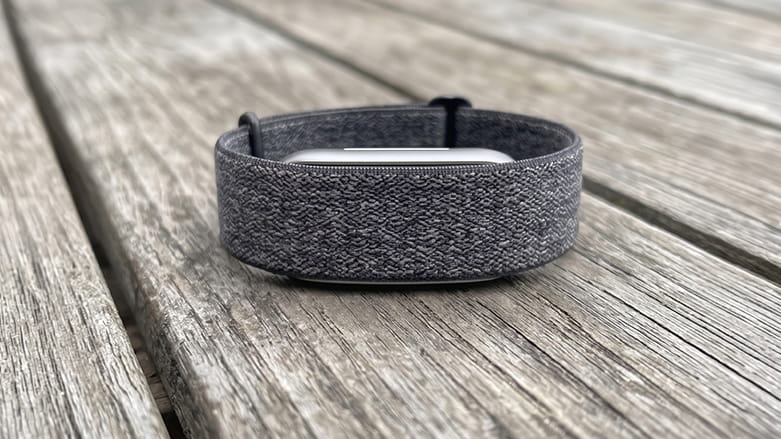
Hume Band 2.0 currently costs $199.25. The Hume app, which includes your health data, is also completely free. However, if you want deeper insights, you will need to get the premium app version. The premium app offers additional benefits, including AI-powered coaching and more recommendations for your well-being.
Unlike other brands, Hume Band 2.0 is a one-payment device. This means that you’ll be able to access all core features and insights without any extra costs. Other devices usually run on subscriptions, which, in the long run, are much more expensive.
If you think that the price is too high or you’re simply not yet sure about Hume Band 2.0, the device comes with a 45-day money-back guarantee. This allows you to test it without any limitations and make a long-term commitment without any risk. Additionally, the device comes with a 1-year warranty, so if anything goes wrong, you won’t be wasting your money.
Other brands like Oura Ring and WHOOP charge their users monthly, which, in my opinion, makes Hume Band 2.0 a better choice in the long run. There are also brands like Garmin and Fitbit that offer one-pay devices, but they are mostly recommended for fitness and activity tracking rather than longevity.
Other health trackers reviews:
- WHOOP 5.0 review: A bold leap into longevity with familiar drawbacks
- Fitbit Charge 6 review: Top tracker but with a flaw
- Best fitness trackers: Top fitness choices without a screen
Verdict: Should you buy Hume Band 2.0?
If you’re someone who’s interested in wellness tracking at an affordable price, Hume Band 2.0 might be the device for you. It mainly focuses on your sleep, recovery, metabolism, and overall health. It’s also quite comfortable and easy to use, so it’s a good option for beginners.
However, if you currently have the first-generation Hume Band, I don’t think that it’s worth upgrading, especially since the upgrade doesn’t really have that many new features. If you’re an athlete or are more interested in fitness tracking, other options like Garmin or Fitbit might be better.
-
Sports Medicine.
Keeping Pace with Wearables: A Living Umbrella Review of Systematic Reviews Evaluating the Accuracy of Consumer Wearable Technologies in Health Measurement
-
Digital Health.
Effectiveness of wearable activity trackers to increase physical activity and improve health: a systematic review of systematic reviews and meta-analyses