Opinion: Ditching older models is the price of admission for the AI era—now Apple needs to make upgrading worth it
The immediate fallout from the watchOS 27 compatibility list went exactly as you would expect.
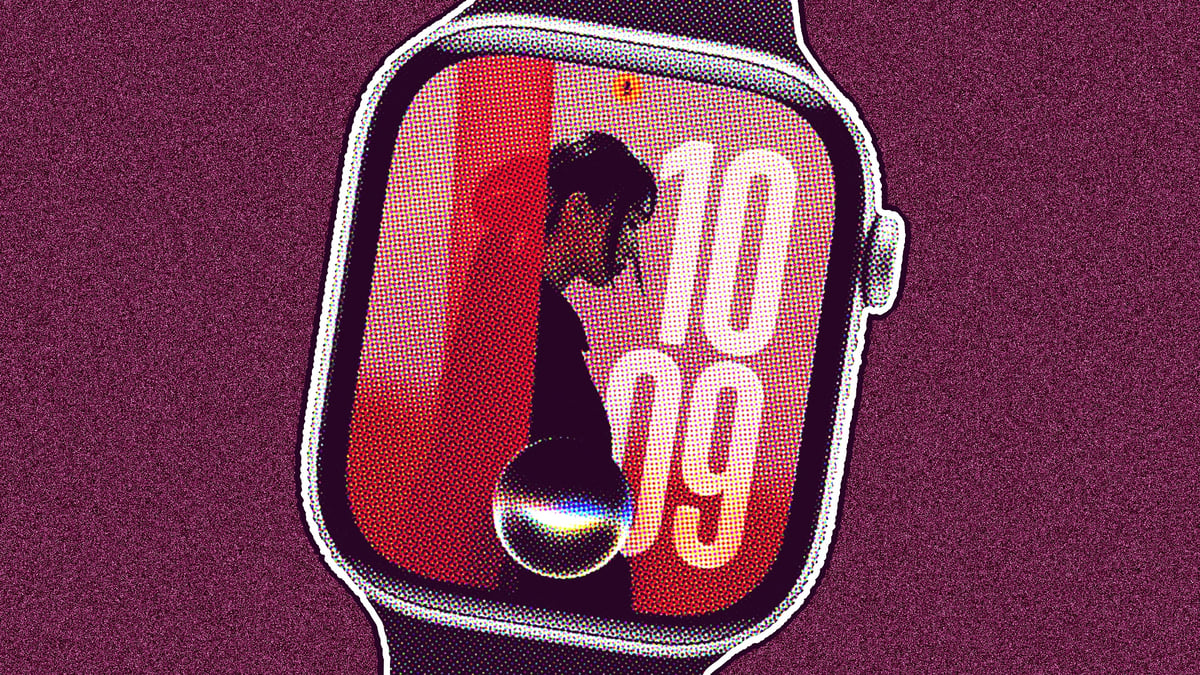
As the dust settled on the WWDC 2026 keynote, headlines began filtering through about Apple's 'own goal' regarding which Apple Watch models will actually be able to run the software update later this year. Not helped, mind, by its actual own goal of initially incorrectly omitting Series 9 from the compatibility list.
By restricting the new Siri and Apple Intelligence features to the 2023 editions and newer, a chunk of otherwise very functional hardware—including the Apple Watch Series 8 and the original Ultra (both released in 2022)—has been left on the wrong side of the software fence.
But before we lean too far into the outrage, it’s worth stepping back and looking at the bigger picture. Drawing a firm line in the sand isn't always a case of cynical planned obsolescence. Often, it’s an engineering reality… even if that doesn't mean Apple gets a free pass on this, either.
The iteration paradox
As tech observers, we fall into a bit of a trap with annual hardware upgrades—and particularly with Apple, given its standing. In the case of the Cupertino company, the collective complaint each September is generally that its smartwatches have become boring, iterative, and stagnant.
It's true of other brands, too. We roll our eyes at slightly brighter displays or marginally faster chips. Yet, the moment a company introduces an overhaul that changes the very architecture of a device's operation, the narrative shifts to frustration over compatibility.
Simply, you can't have it both ways. If we want genuinely smart features on our wrists rather than the same old tweaks, we have to accept that older processors eventually run out of rope.
Besides, Apple has historically been incredibly generous with its hardware lifecycles—often to a fault. Look at the Apple Watch Series 3, released in 2017.
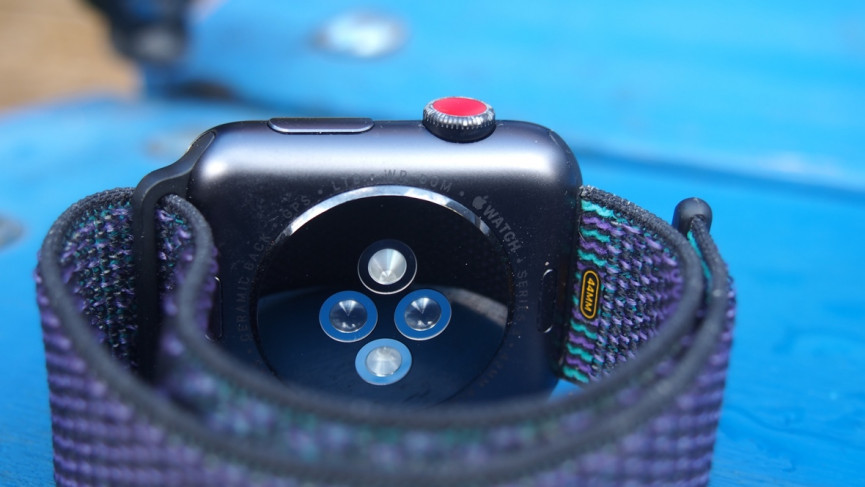
Apple kept that device on life support until watchOS 9 and on store shelves until 2022. By the time it was finally discontinued and no longer available, its chunky bezel aesthetic was two major physical design iterations behind the flagship.
Still the industry leader in software support
Though a Series 8 owner misses out on watchOS 27 support this fall, they will have still enjoyed four solid years of frontline software support—only one year less than the Series 3.
For some crucial context here, too, Wear OS only guarantees three years of support, and Samsung only matches the Series 8's four years (though it does provide five years of security-related patches). For Garmin and other sports watch makers, it's often much less—one or two years of major software support and new features.
Apple isn't pulling a fast one here; it's simply refusing to let legacy devices and silicon dictate the entire platform.
The pressure to draw level with rivals
This more aggressive shift is also very likely a direct result of what's happening elsewhere in the industry—and Apple's place in that race.
The wearable tech market has changed dramatically over the last 18 months, supercharged by the influx of AI-first hardware of pins, rings, smart glasses, and more.
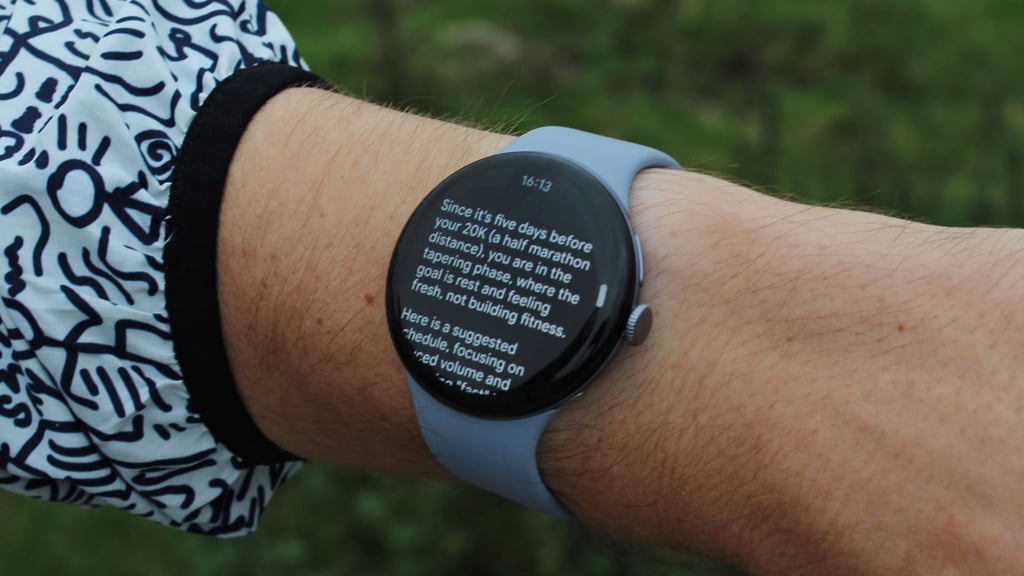
Last year's arrival of Google’s Gemini on watches like the Galaxy Watch 8 and Pixel Watch 4—plus the recent launch of devices like the screenless Fitbit Air, powered by Google Health Coach—has also cast a shadow.
Ambient, conversational AI is no longer a niche feature; it’s a standard requirement. Apple was glaringly behind in this race, and watchOS 27 is a necessary attempt to draw level.
To run a version of Siri that understands personal context, routes data securely through Private Cloud Compute, and handles a dynamic user interface, you need a modern chip.
Attempting to force that experience onto older devices would likely just result in a laggy, frustrating experience that kills the battery life of a watch you otherwise love.
A necessary line in the sand, but where’s the payoff?
None of this means Apple gets a free pass for what they showed on stage, though.
While drawing this hardware boundary makes perfect technical sense, the actual software lineup we received at WWDC 2026 remains too lean. For all the talk of a smarter wrist companion, the presentation was almost entirely devoid of major new software in health and fitness. And if I'm one of the users with an Apple Watch that can't access watchOS 27, I would want more compelling software to make the upgrade worth it.
Bloomberg's report from last month that Apple’s 'Project Mulberry' AI coach had been delayed was basically confirmed by its absence. And though Mark Gurman notes it may still arrive later in the iOS/watchOS 27 cycle, we don't have any further information on its whereabouts just yet.
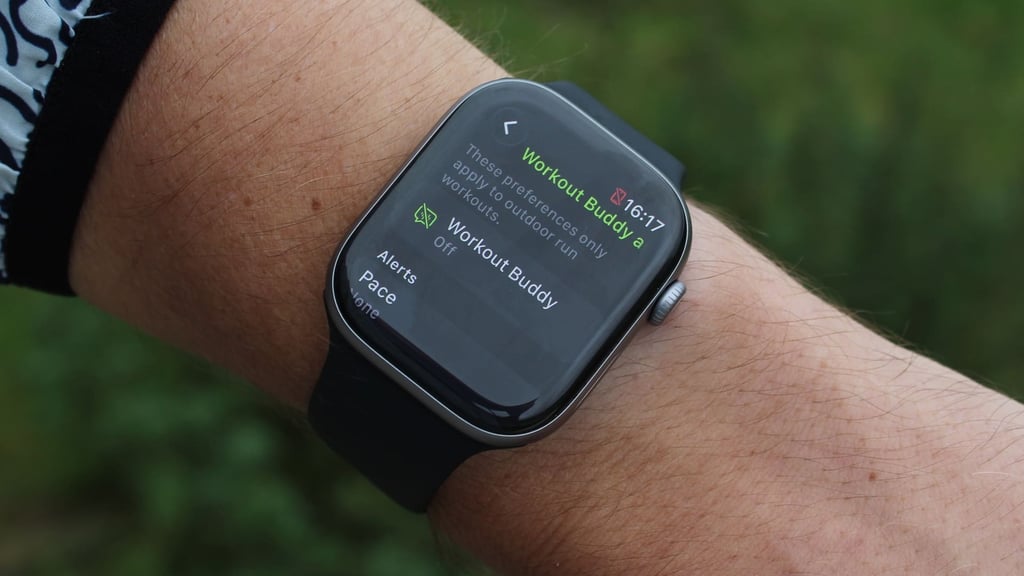
Instead, the big fitness highlight was that Workout Buddy can finally run offline without an iPhone nearby—a great fix, sure, but a feature it probably should have had from the start.
Meanwhile, platforms like Whoop and Oura are pulling far ahead of everyone else in terms of actionable insights and AI guidance.
Their companion apps already use intelligence to correlate sleep debt, stress logs, and training loads to deliver deeply personalized daily advice. Google’s Health Coach, as well, can rewrite a runner’s entire training plan on the fly if they log that they're feeling under the weather.
By comparison, Apple’s flagship examples of Siri’s new health prowess involved the assistant explaining stretching routines on a smartwatch screen. Again, I'm glad it finally looks to be a more usable Siri, but I fear it won't quite move the needle.
All eyes on September
Clearing out the legacy hardware clutter was the right call, giving the Apple Watch platform room to grow. It gives developers a high baseline of processing power to build for, and it ensures the new Siri actually feels responsive.
But now that Apple has drawn its line, it actually has to deliver the goods. Until Siri can match the deep, proactive, and predictive coaching metrics of its rivals, Apple Watch users are making a pretty steep hardware trade-off for an assistant that is still very much in training.
We may see more developments over the summer as the software gets onto the wrists of beta testers. However, most of the attention now turns to September, and whether new hardware delivers more tricks we're not yet aware of.