Fitbit Air arrives as Google’s $99 screen-free Whoop rival

The Fitbit app is officially rebranded to Google Health with a Gemini-AI coach
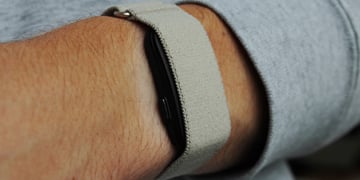
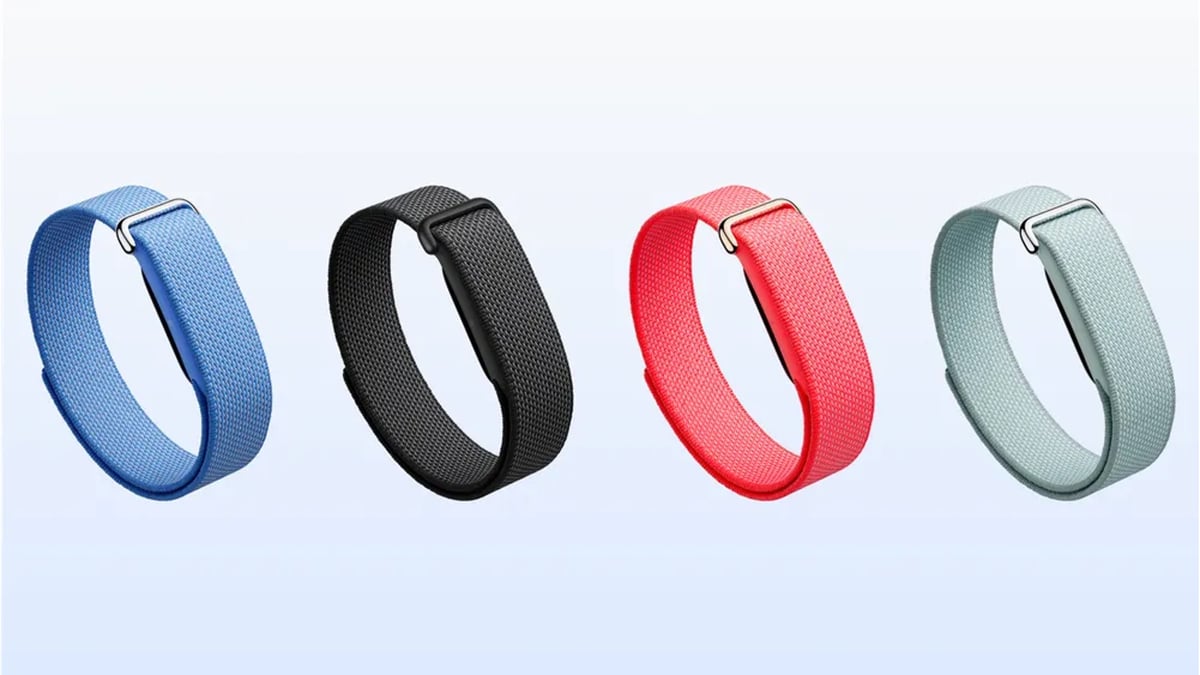
Five years after acquiring the brand, Google is finally expanding into a new phase of fitness tracking with the screenless Fitbit Air.
The $99 tracker, which is available to pre-order now ahead of an official launch on 26 May, strips away the AMOLED displays and notification pings of the past in favor of a minimalist design.
It's 20% lighter than the discontinued Fitbit Luxe and appears designed to directly challenge Whoop’s dominance in the screenless wearables category.
Without a display, the Air is purely a data collector that feeds a wider health ecosystem. And that also means the software is where the real transformation lives.
The beginning of a new era
The Fitbit app will officially be retired and rebranded as the Google Health app. At the center of this is the Gemini-powered Health Coach, which, as we've seen with brands such as Oura and Whoop, uses generative AI to translate raw data into actionable advice.
This system can generate workout plans, suggest recovery windows based on strain, and analyze sleep disruptions with a claimed 15 percent more accuracy than previous models.
However, this intelligence also comes with a cost. While anyone can use the basic app for free, access to the Health Coach and adaptive training plans requires a $10-a-month Google Health Premium subscription.

Despite its stripped-back exterior, the Air retains the same breadth of tracking capabilities as the Charge 6. That includes skin temperature sensing, 24/7 heart rate monitoring, and irregular heart rhythm notifications that can flag signs of AFib.
It offers a seven-day battery life and supports a new multidevice mode, allowing users to switch between a Pixel Watch 4, for example, and the Air without losing data.
Google has also leaned into its high-profile partnerships for the launch, unveiling a special-edition Stephen Curry band for $129.
The Wareable take: A threat to Whoop—but not a guarantee
The Fitbit Air is the first device launched under Google that actually feels like it has a clear purpose, rather than simply being a continuation of its 2010s wares.
By killing the screen and dropping the price to below $100, Google is the latest brand to make a play for the people who are tired of the screen on their wrists.
The rebranding to Google Health also marks the symbolic end of the Fitbit of old, and the deep integration with Gemini should make the Air a far more powerful tool than a standard budget fitness tracker.
However, in 2026, this is far from being a niche market. Amazfit (with the Helio Strap) and Polar (with its Loop Gen 2) already released their own interpretations of a screenless band last year, and Garmin's much-leaked CIRQA looks set to debut sooner rather than later, too.
Fitbit's brand power, coupled with the aggressive pricing, should mean that the Air gains plenty of traction in the market. However, we'll have to wait until it's on our wrists to know whether it's truly a tracker worth picking up—or a serious challenger to Whoop's dominance.