A screen-free band makes more sense than taking on Oura—but Apple's apps need work before it dives in
Apple has enjoyed the well-earned luxury of being able to shrug at the rest of the wearables industry for more than a decade. Whatever a rival tried—a screen with more nits, a cell that delivered more battery life—the Cupertino brand could point at the sales charts and feel comfortable sticking to its playbook of gradual, sensible upgrades.
Mark Gurman's latest report—that Apple is exploring other wearable form factors, such as a screenless band and a smart ring—tells me that Apple knows the market has changed, and that it can no longer rely on the advantage it's built up with its smartwatches.
Oura has built a genuinely mature platform around a form factor that doesn't try to be a smartwatch at all. And Whoop, albeit with a very different subscription model, has done something similar. Both have tapped into a need the Apple Watch was never really built for: passive, discreet tracking that doesn't ask for your attention.
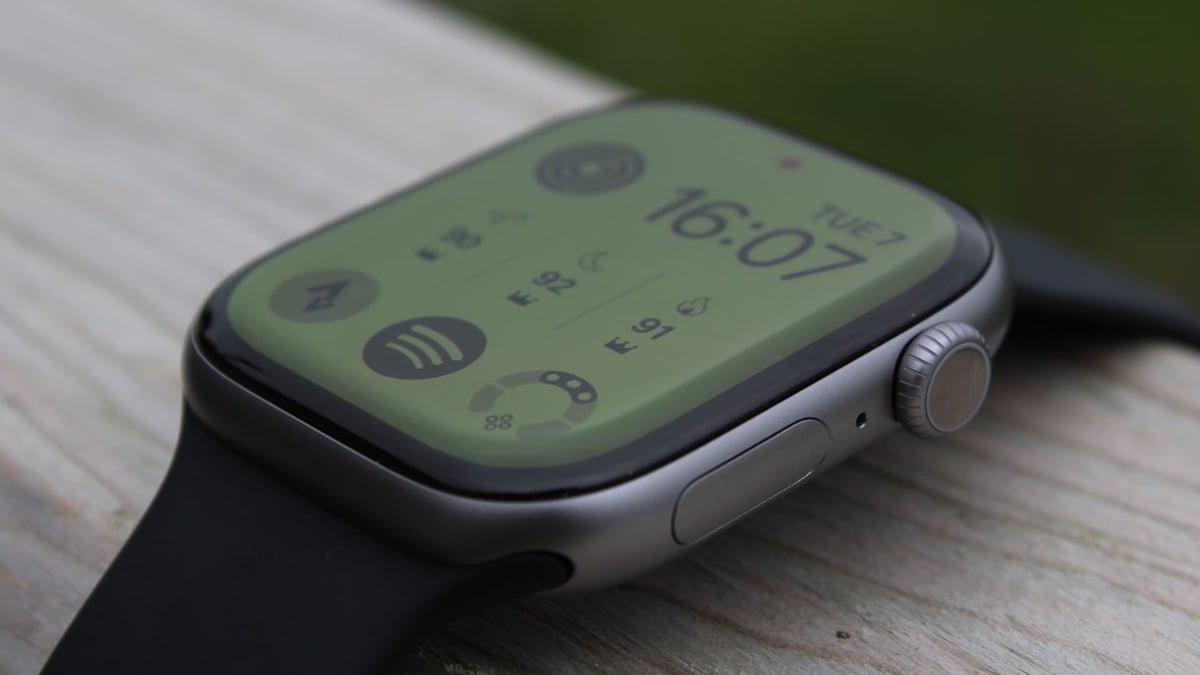
That's the bit that has to change for Apple. The Apple Watch is truly brilliant at plenty of things—health metrics, triaging notifications, tap-to-pay, running lightweight apps—but none of that is discreet. It's a screen. It buzzes. It's designed to be looked at, not forgotten, and the wearables category has spent the last few years proving that many people actually want the opposite.
Why a screenless band is the smarter play
Given how many Apple smart patents I've picked over on Wareable over the last decade, it would be easy to assume that's where this is heading. I don't necessarily buy it.
Oura's moat feels deep enough that even Apple's resources wouldn't close in quickly, and a ring—as we've seen from the convergence in design and sensors—is a narrower play than Apple typically likes to make.
A screen-free band is the smarter move: broader in scope than a ring on the sensor side, and neatly solves two problems at once by potentially doubling as Apple's actual entry-level wearable, sitting below (or instead of) the Apple Watch SE.
Of the two screen-free leaders, I'd argue Whoop is in the shakier spot, too. Its subscription model still asks a lot for what you get: the membership tiers run from around $199 up past $350 a year in the US, and the device effectively becomes a paperweight the moment you cancel.
Compare that with Garmin's new Cirqa, even—a screen-free band priced at $199.99 in the US (£179 here in the UK) with no subscription required.
That's a device I'd argue is still very expensive for what it is: a fabric strap and a sensor puck. But it's also a one-and-done purchase at the cost of one year of Whoop's most basic plan, and, for most people, that's a better deal than renting indefinitely.
Before Apple ditches the display, it has to improve its app platform
Yet, it's also not as simple as building a screenless band and taking over the category overnight. That ignores what I think everyone chasing Whoop keeps getting wrong: the device is only half the product.
With nothing to glance at on your wrist, most of the experience lives in the companion app on your phone. That means it has to be genuinely engaging by design, because the phone is doing all the work the screen isn't. If the software's dull, the hardware gives you nothing back.
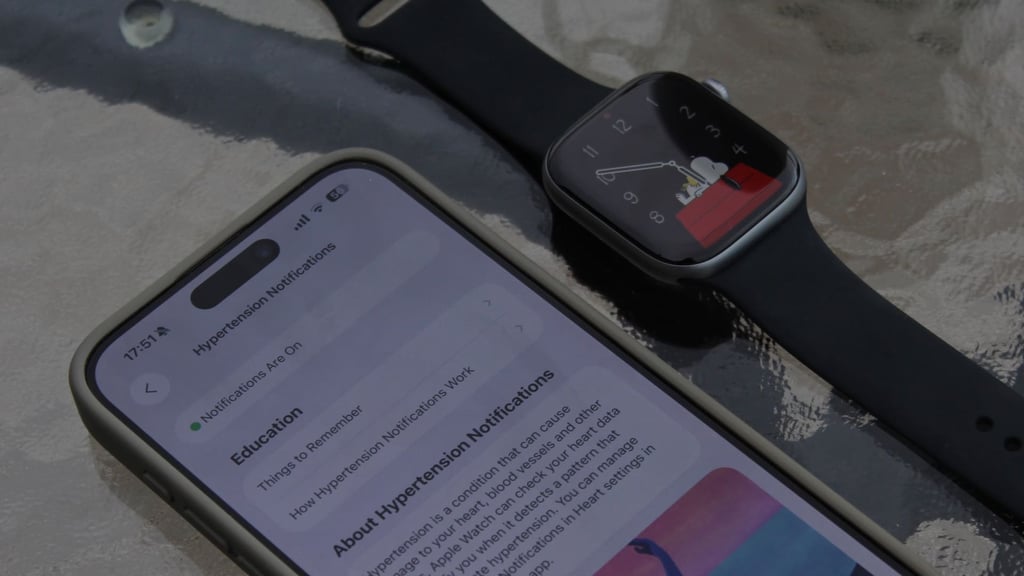
That ought to be Apple's advantage. It owns the iPhone, the ecosystem, the notifications, the whole stack. But right now, I don't think Apple Fitness or the Health app on iPhone would survive that shift unscathed. Neither is exactly a joy to open.
I've spent a lot of time over the last few weeks with the Galaxy Watch Ultra 2 and the Galaxy Watch 9, and what Samsung's got right—alongside much of the hardware experience—is Samsung Health.
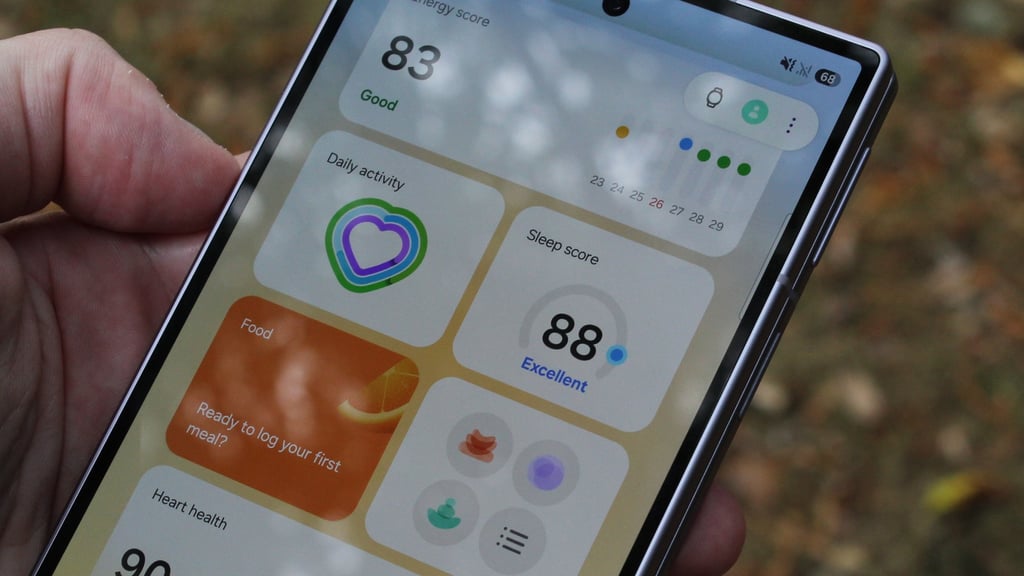
It's been rebuilt to feel much closer to Oura's or Whoop's apps: calmer, more narrative, and more willing to just tell you what to do with your recovery score instead of dumping a wall of graphs on you.
Samsung managed that without losing its mass-market instincts, which is exactly the balance Apple would need to strike.
So while Gurman's report is really about hardware, the part I'll be most keen to discover is what Apple does with the software around a device that has no screen at all.
The Apple Watch has never had to work hard to be engaging on its own terms, because you're always looking at it. Take the display away, and Apple's biggest challenge won't be industrial design: it'll be convincing people to actually open the app.