Ultrahuman Ring Pro review: Big battery life, big trade-off

- Best on-finger battery life
- No subscription required for core data
- Increasingly slick, less clinical app
- Noticeably bulkier than key rivals
- PowerPlugs paywall undercuts 'free' pitch
- Finishes aren't as jewelry-looking as Oura
Oura may be the name most synonymous with smart rings, but its mandatory subscription has left a clear opening for no-fee competitors riding the same tidal wave of interest. At the front of the chasing pack is Ultrahuman.
Yet, it hasn't been easy for the Indian brand to deliver this latest release. In fact, CEO Mohit Kumar told Wareable earlier this year that the Ring Pro required a complete redesign from the ground up... just not for the reasons you might guess.
Ultrahuman has spent the last year dealing with the fallout from a patent infringement battle with the industry leader, which led to the Ultrahuman Ring Air being banned from sale in the US.
The riposte—this latest flagship ring—is cleared for sale in the US and arrives as an ambitious, subscription-free alternative to the Oura Ring 5. And while the engineering workaround delivers impressive battery gains, it also makes the Ring Pro noticeably thicker than new-gen rivals.
For those hunting for a subscription-free, screenless wearable that delivers comprehensive sleep, recovery, and heart rate data, the Ring Pro is a feature-packed contender—provided you're willing to forego a sleek aesthetic for a bulkier, more unapologetically tech-looking device.
Below is our full review following months of real-world testing.
Price, finishes, and the subscription-free reality
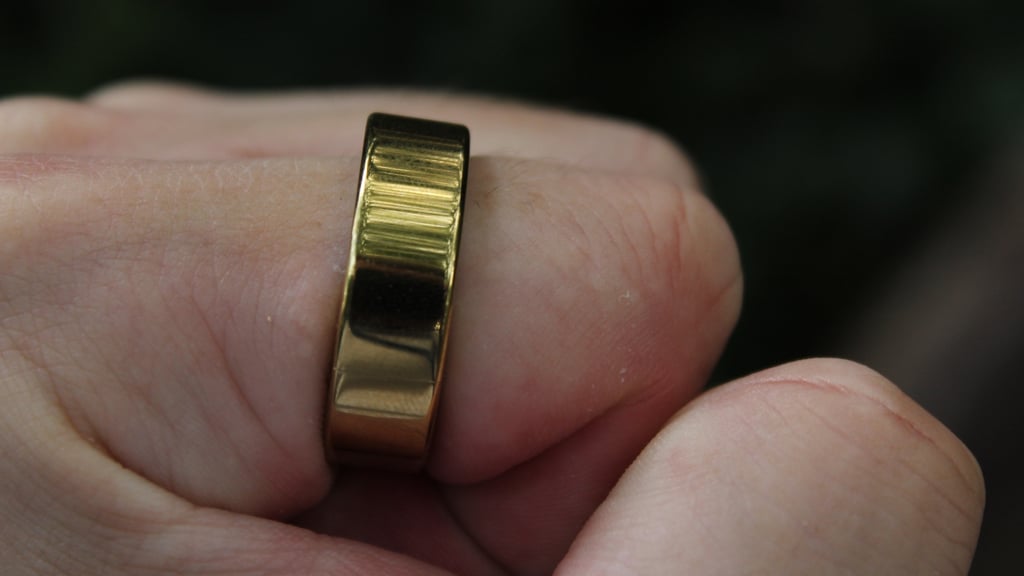
The Ultrahuman Ring Pro is undercut by the entry-level Oura Ring 5 and the Samsung Galaxy Ring, and is also pricier than Ultrahuman's own Ring Air.
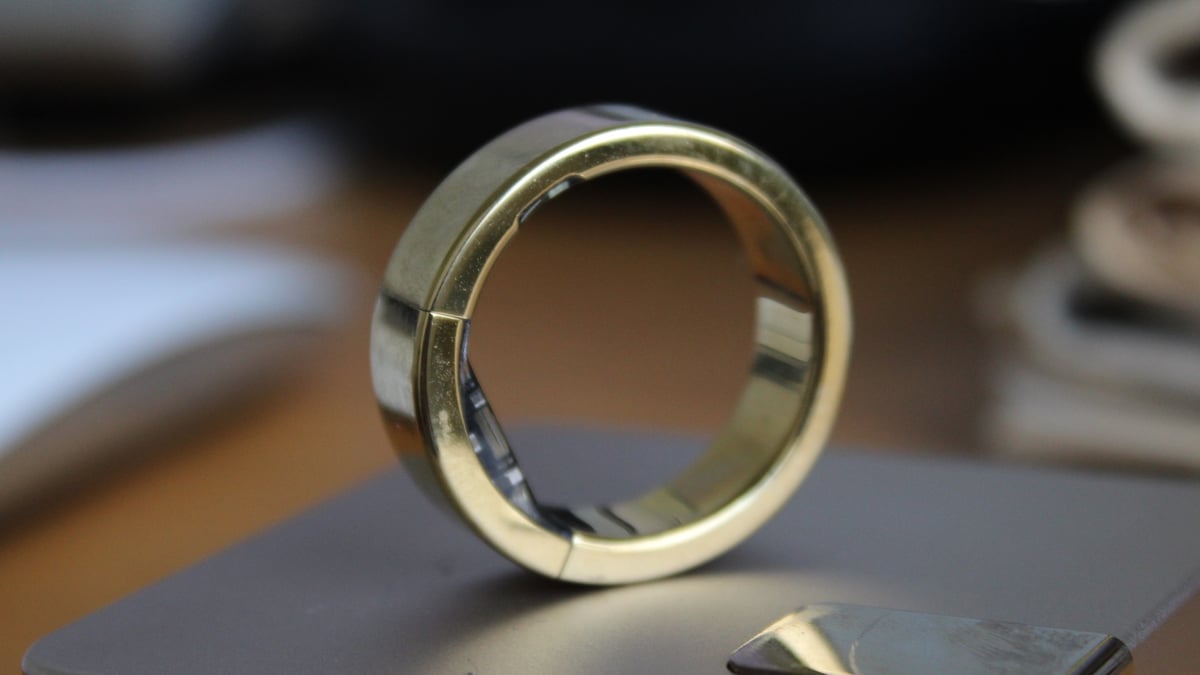
It comes in four finishes—Bionic Gold, Space Silver, Aster Black, and Raw Titanium—and Ring Air owners can trade in for up to $115 off, which is a neat touch. Ultrahuman also offers the option to bundle the Ring Pro with its charging case at a discounted rate.
Those finishes largely match the look and feel of most of the smart ring industry—a converging pattern that has settled on the same set of yellow golds, tacky silvers, and cheap-looking darker finishes. Only Oura has managed to really break out of this trap with its Ceramic Ring 4 designs and the more recent batch of Ring 5 finishes.
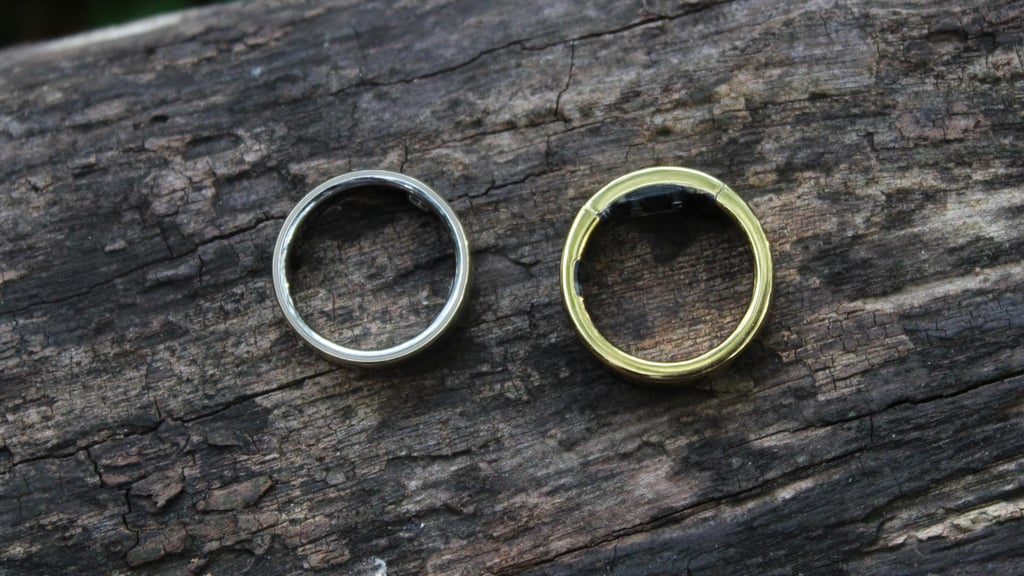
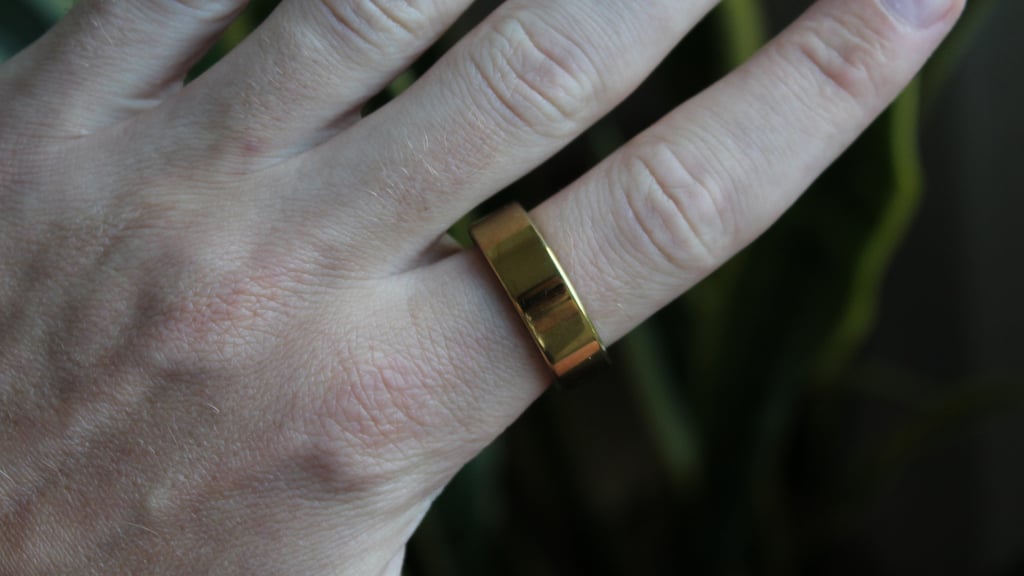
The 'Bionic Gold' (I don't know what makes it 'Bionic', if you're wondering) isn't my favorite—and it looks quite stark next to the more muted gold Oura has managed with the Ring 5 (shown in this review). But it's held up pretty well over the last few months, as I'll explore below.
The aesthetics and 'feel' often feel like footnote details in tech. Yet, without a screen or other key design specs to fall back on, the finish is a big part of what you're paying a premium for here. And while certainly better than almost every other alternative I've tested, there's clear daylight between it and Oura in this regard.
No recurring payments—mostly
As with the Ring Air, core tracking stays free for the life of the ring, which is the main difference from Oura. However, it's important to note that this isn't a completely subscription-free experience if you want everything the ring offers.
PowerPlugs—Ultrahuman's optional add-on marketplace—bundles in some genuinely useful extensions, and a few of them cost extra: AFib detection runs $4.90 a month, Cardio Adaptability is $2.90 a month, and third-party integrations like a Les Mills workout PowerPlug go for $12 a month or $100 a year. Cycle & Ovulation Pro and a Tesla driving-data sync sit in the same paid tier.
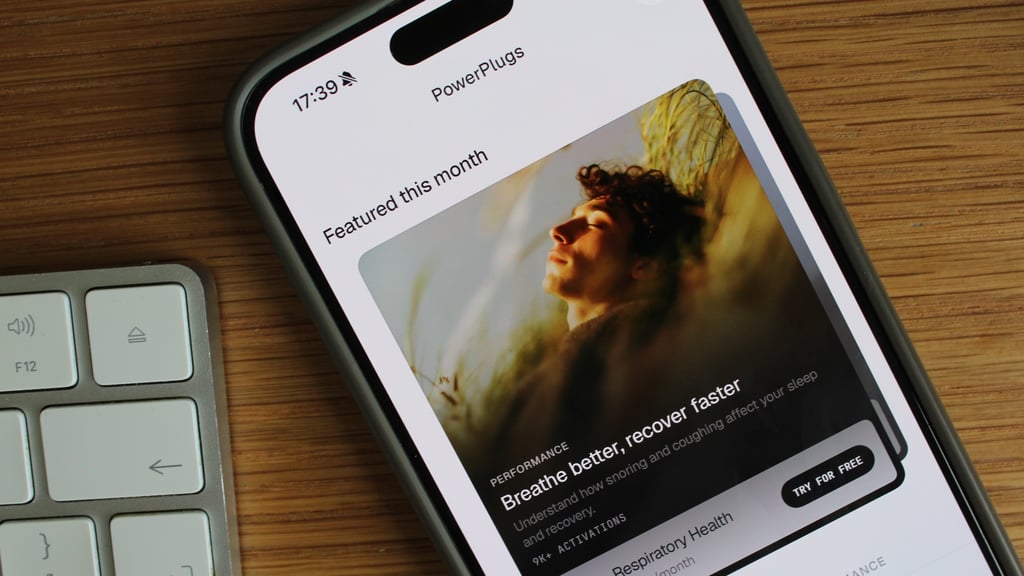
It's a much lighter touch than Oura's approach—nobody's locking your sleep score behind a paywall—but it's not perfect. And a few add-ons, like AFib detection, feel like they should be part of the core package on a ring this expensive.
As we've discussed ad nauseam in our smart ring commentary over the last couple of years, subscription-free (or mostly subscription-free, in this case) doesn't always mean better value.
Recurring revenue from a dedicated user base is part of why Oura has been able to ship a relentless cadence of major features over the past couple of years, while most hardware brands tie their best software updates to the next big product cycle—meaning you can end up stuck with what you bought for a year or two either way.
Ultrahuman is the rare counterexample that makes the no-subscription case actually work: the free tier is substantial, the platform—at least in the last year or so—has shown consistent improvements and new features, and you're not staring down a recurring bill just to see your data. It's a good balance, even if it's not entirely flawless.
Ring Pro US availability—and the patent backdrop
As I alluded to up top, the Ring Pro arrives after plenty of courtroom jostling with Oura over the last 12-18 months. And, in many ways, Ultrahuman's patent disputes with the smart ring leader explain everything about the Ring Pro—so let's cover the crucial context before diving into the full device analysis.
Oura's US Patent 11,868,178, covering the internal construction of a sensor-packed ring, has dominated industry talk in recent years. Circular settled and started paying Oura royalties back in 2024. RingConn followed in October 2025, agreeing to a multi-year license and ongoing payments rather than keep fighting. As a result, both got to keep selling in the US.
Ultrahuman didn't settle. The US International Trade Commission sided with Oura anyway, upheld every asserted claim, and banned the Ring Air from US shelves starting in October 2025.
Rather than pay up, Ultrahuman re-engineered its way back to stateside stores. Wareable spoke to CEO Mohit Kumar when the Ring Pro's design cleared US Customs, and he was direct about the fix: a new 'unibody' construction—a single, continuously formed titanium shell rather than the Ring Air's separate inner-and-outer housing—that, per Customs' own review, sits outside what the '178 patent actually claims.
Ultrahuman opened US pre-orders in March 2026, with units eventually landing on doorsteps over the summer and global availability beginning in September.
Design and comfort
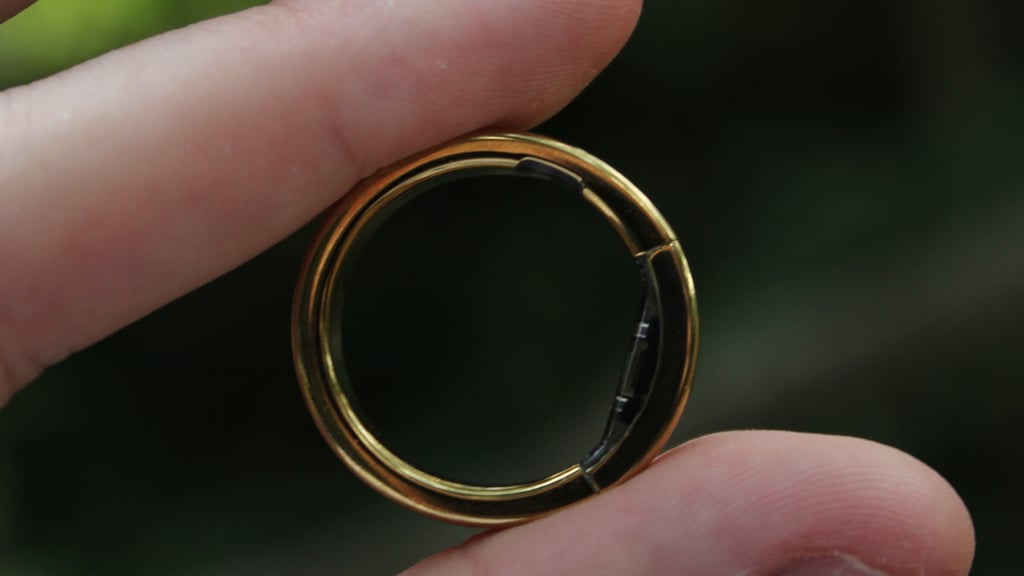
This is the section where that legal backstory really shows up in your hand. Coming from an Oura Ring 5 or a RingConn Gen 3—both of which comfortably run 7 to 14 days on a charge—the jump to the Ring Pro is a big adjustment.
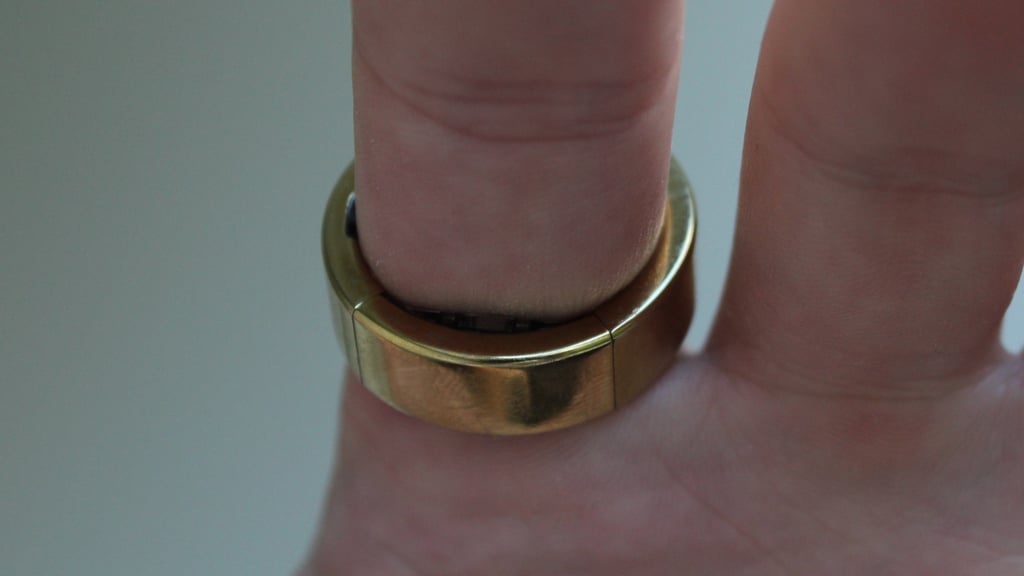
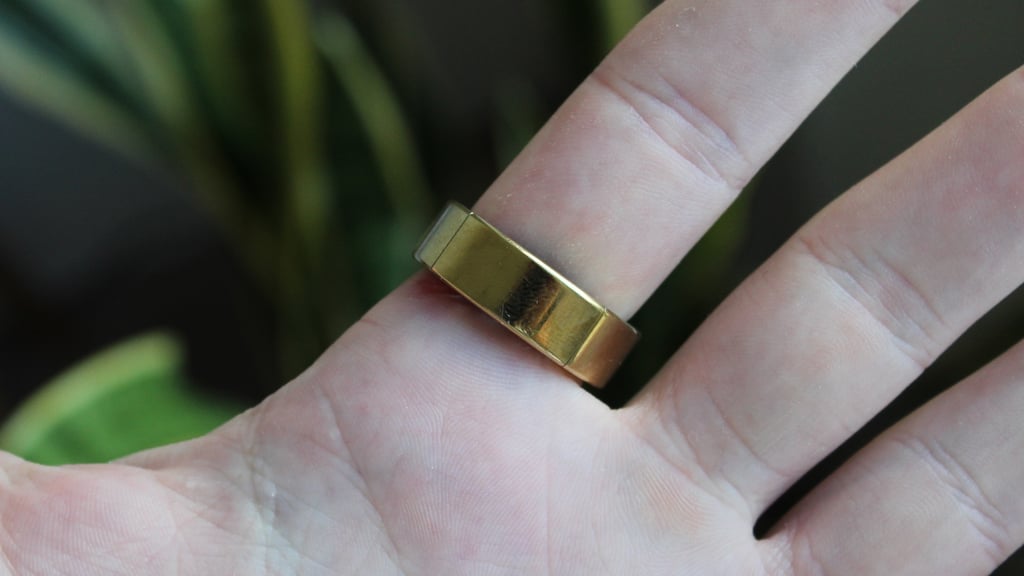
It's noticeably thicker, and it looks less like jewelry and more like an early-era smart ring prototype. Or, at least, that's how it can feel—in reality, it's not too different in feeling to the Oura Ring 4.
Either way, it's a real issue for a product built around the appeal of unobtrusive finger tracking. Some people will happily take the trade-off for battery life and zero subscription fuss. And with the thinner Ring Air still in the family, Ultrahuman is betting this whole Pro device on that.
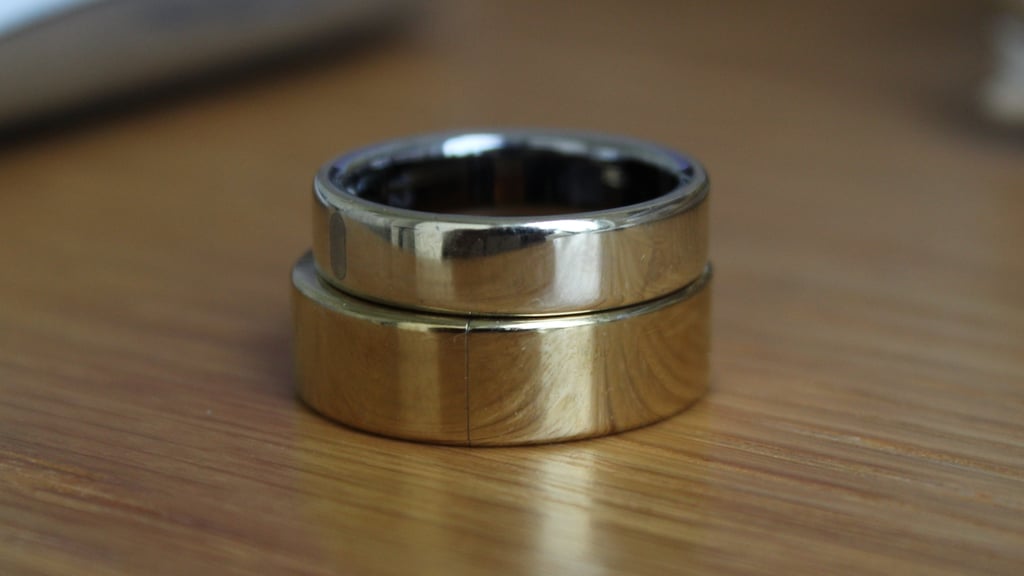
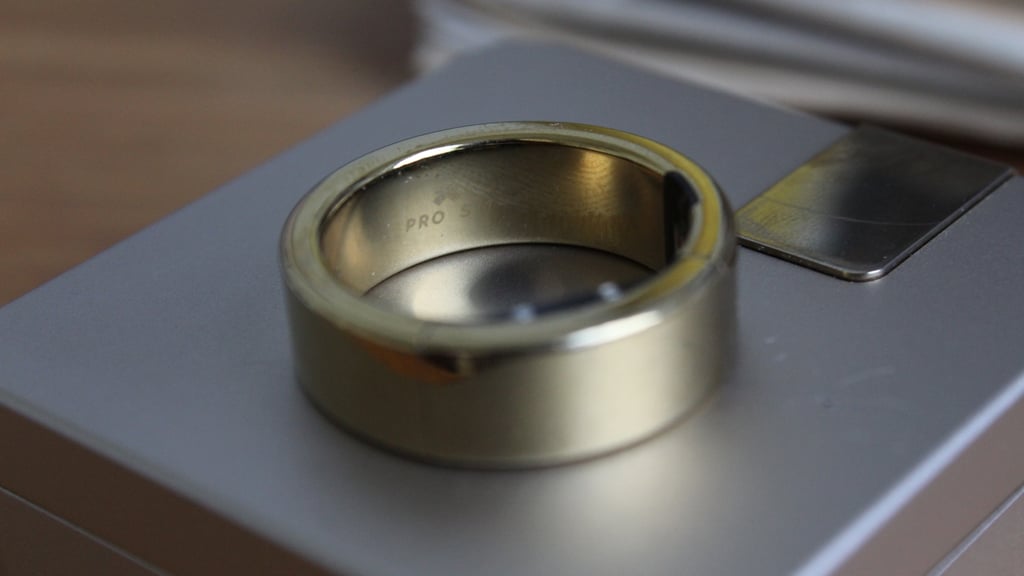
The inner ring—and comfort from it—is a bit of a mixed bag. It doesn't rotate on the finger, which is good, but the concave sensor housing isn't the most comfortable design I've worn. It's an improvement on the aggressive sensor bumps of earlier iterations from other brands, and not far off the Ring Air, but still noticeable in a way that thinner rivals aren't.
After four to six weeks of daily wear—including showers, indoor bike sessions, and outdoor runs in the rain—the shell also has no visible scratches, just a couple of minor ones that need buffing out. It's encouraging, even if it's still early days for a device you'll likely wear for years.
Turning lemons into lemonade
I should also note that the unibody shape isn't purely a legal workaround—it also serves as what the brand calls 'ProRelease Technology', allowing the ring to be safely cut apart if your finger swells or you're injured.
Kumar also told us the denser build lets the ring sit in a deeper sleep state when it isn't actively sensing, which is a big part of how it gets its battery numbers (more on that below).
Ultimately, though—no matter how Ultrahuman spins it—this ring is much thicker and more overtly techy than its 2026 counterparts, and that matters much more than the ability to cut it off your finger in the very unlikely event that's required.
The Ultrahuman app
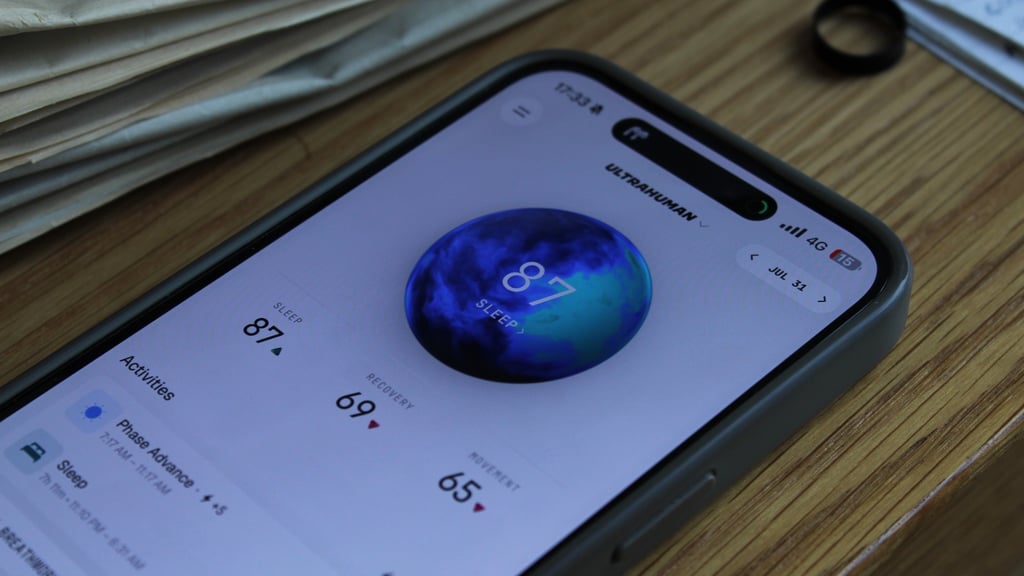
For a long time, Ultrahuman's app has been second only to Oura as the most actionable experience in the smart ring world. It was useful—even if it also presented a little too much like a men's grooming brand in its styling.
In previous commentary, I've noted that many of the brand's features—like the Live Activity integration on iOS (which provides countdown timers for your circadian and caffeine window)—are exactly the kind that keep you engaged with the experience. Ultrahuman gives you plenty of reasons to check your data rather than letting the ring become a forgotten background gadget; something brands pumping out screenless trackers often overlook.
And what was already a good app also got a makeover this summer with Emerald, the company's biggest platform update yet and its first full app redesign in four years.
The new home screen centers on UltraSphere. In simple terms, this is a context-aware blob that sits at the top of the dashboard and turns your sleep, recovery, HRV, movement, stress, and cycle data into dozens of specific suggested actions (like get outside for morning light; take a ten-minute walk during the 3pm slump; cut off caffeine; wind down for bed) adjusted for your location, the weather, and your routine—whether that's shift work, new parenthood, or frequent travel.
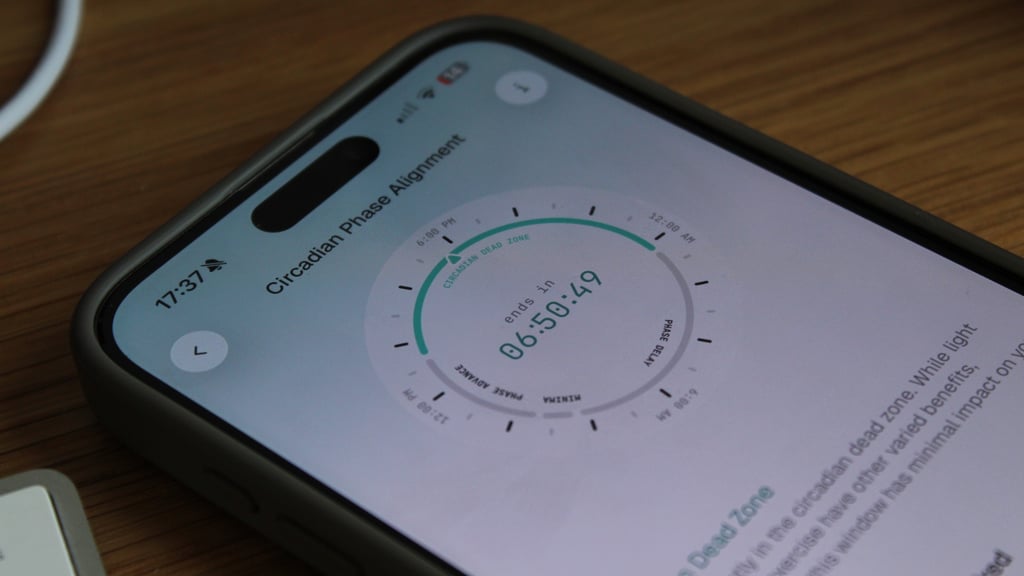
Jade, Ultrahuman's in-house AI assistant, now has its own tab and ties together data from the ring, glucose monitoring, and blood work, rather than treating each as a separate stream; longer-term markers like UltraAge and Pulse Age have moved into a dedicated Longevity hub to track biological age over time.
More than just a lick of paint
Under the redesign, Emerald also shifts most processing on-device, so your live heart rate, recovery score, and stress data stay accessible without a signal—handy, I've found over the last couple of months, when traveling without signal and still wanting to check in on your daily trends.
Fitness tracking gets a real algorithmic bump, too: Ultrahuman claims a 21% improvement in VO2 max accuracy with this update, validated against lab-standard testing, alongside an overhauled automatic workout detection system and a consolidated sleep health report that pulls everything—including AFib screening—into one view.
In daily use, it feels more intentional and cleaner than the old app, even if some of the brand's biohacker DNA hasn't entirely gone away. It's still fairly derivative—the Longevity hub, in particular, is a thinner take on ground Whoop covered well over a year ago. Yet, derivative isn't always a bad thing when most of it is free.
Ultrahuman is clearly getting the broad strokes right; it's just the originality that still lag the best in class.
Health insights and ecosystem
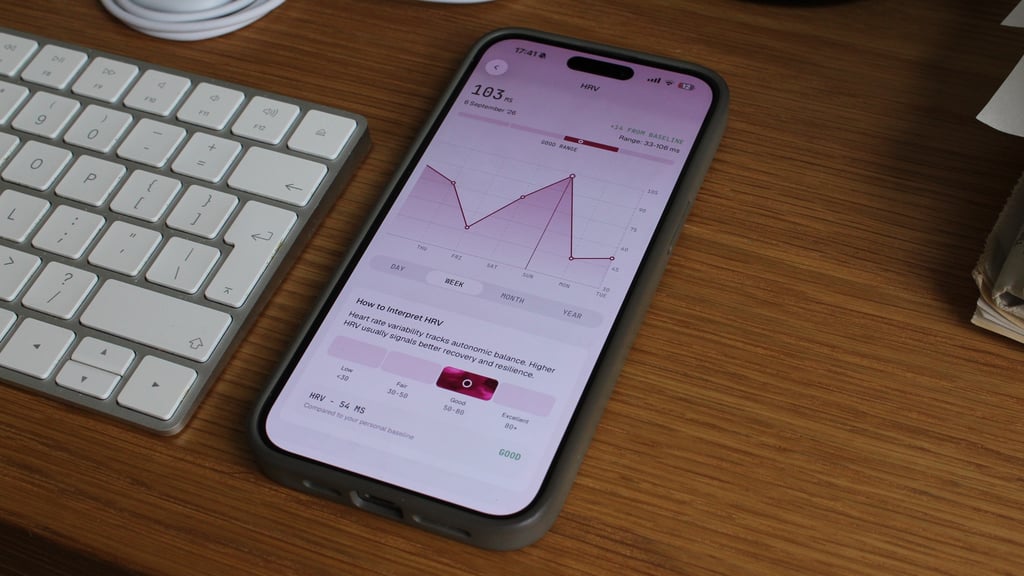
Ultrahuman does a very solid job of contextualizing your numbers. So, instead of just giving you reams of forgettable data points, it grades them against your long-term trends. For example, it plots your HRV across weeks and months against a baseline (which it also explains), rather than displaying it as a raw figure.
It also does a nice job of surfacing the most relevant trend from your sleep in the main dashboard (such as if your resting heart rate is abnormally higher than usual, or a suggestion of 'mobility instead of intensity' stretches when your recovery score is low), as well as showing you the factors behind your improving sleep score (perhaps that you showed a stable temperature or that you slept efficiently).
Unlike many wearable brands, Ultrahuman is equally consistent in its depth; it's not just sleep and readiness insights that get the most attention.
Stress tracking is decent as a result, and it has more thought behind it than I see in much of the industry. I like the plain-English daily summary ("you spent roughly half of today in a relaxed state") and grading between 'stressed' and 'stimulated'.
It doesn't rival Oura's more integrated Cumulative Stress and Stress Resilience metrics, which plot your day and month in a way that actually changes how you behave, but it's a good alternative.
The pattern repeats across most of Ultrahuman's holistic tracking: it gets to roughly the right place, given that the baseline data is generally in the right ballpark, but with less originality and flair than the platforms it clearly takes cues from.
Not an isolated experience
On that note, what should set Ultrahuman apart is the wider ecosystem it offers—yet hasn't fully stitched together.
It's virtually the only ring brand with its own CGM and home hub sitting alongside the ring itself. Oura doesn't need the former because it partners with Dexcom instead, but a truly unified Ultrahuman ecosystem would be a real point of difference that nobody else in this category can currently match.
There are promising signs it's heading that way: earlier this month, it raised $70 million from investors including Qualcomm Ventures and Labcorp. As a result, Ultrahuman is now framing itself as a 'human-computer interface company' (rather than a 'wearable health company') that reads the body continuously through the Ring, Blood Vision blood testing, CGM, home sensors, and possibly more form factors in the future.
Some of the attention is also trained on improving its own algorithms: Pulsomics, its new opt-in research program, has already run three studies on sleep sufficiency, glucose metabolism, and VO2 max using real-world ring data (rather than small clinical cohorts).
During the 2026 World Cup, Ultrahuman gave a smaller-scale taste of the instinct behind the recent changes, using aggregated user data to show how recovery metrics shifted across different countries after specific matches.
Kumar has also told us that a future target is the lactate molecule and "how muscles behave in different environments," chasing an entirely new biomarker rather than a repackaged existing one. That, though, is still an ambition rather than a shipped feature.
Workout tracking
As with all smart rings, I wouldn't weigh this heavily in your buying decision. Ultrahuman does its due diligence in this area, regardless—like those improved VO2 max estimates—but the form factor simply doesn't lend itself to being a primary exercise tracker.
If you just want to track your steps and get a loose insight into how much you moved that day, the Ring Pro is an excellent way to do just that—and it's reliably able to pull in those smaller activities (like walking from a train station) that you wouldn't otherwise log.
Mostly, I care about the integrations—Ultrahuman syncs well with Strava and Apple Health to pull insights from your other, more capable wearables (if you have any).
However, what I would say about exercising with the Ring Pro—which I've done countless times over the past two months—is that this thicker form factor does rear its head again.
Running or cycling with any ring on takes some getting used to, but where I can genuinely forget I'm wearing an Oura Ring 5 mid-session, the Ring Pro's extra bulk means you never quite do.
And likewise, the one place I'd steer you away from wearing a smart ring is the gym: I don't wear any rings around weights or bars—Ultrahuman's included. If you're tracking your lifts, you're infinitely better off pulling that data in via a different screenless tracker.
Battery life and the Ultrahuman Pro Charging Case
This is where the Ring Pro delivers on its promise. Ultrahuman rates it at up to 15 days per charge, with a claimed 12 days in the more feature-rich Turbo mode and over 15 in the lighter Chill mode.
That's at the top of the category, but it's closer than the marketing suggests: RingConn's Gen 3 claims up to 14 days on the ring itself, so Ultrahuman's edge there is real but slim. Where the Ring Pro comfortably wins is against Oura, whose Ring 5 we tend to get ~seven days from. So, if you're coming from Oura specifically, doubling your time between charges is a fair way to frame it.
The story changes once you factor in the charging case. Ultrahuman's Pro Charging Case adds up to 45 days of extra power; RingConn's case lasts over 150 days of total untethered use. If the number that matters to you is "how long could I theoretically go without ever seeing a cable," RingConn currently wins that fight outright, even though Ultrahuman's per-charge figure on the ring itself is marginally ahead.
We're at the point with smart rings where these figures often make me shrug. In real-world testing, I dropped below 20% only once. Even in Turbo mode, dropping it in the case once or twice a week during a gym workout was enough to make charging a complete non-issue.
But that's also the case with the Oura Ring 5, which has around half the battery life of the Ring Pro. Personally, I'd trade that extra battery for a thinner design—I think most people would—but that's not the pitch from Ultrahuman here.
The case also offers some insight into how differently Ultrahuman positions itself compared with Oura.
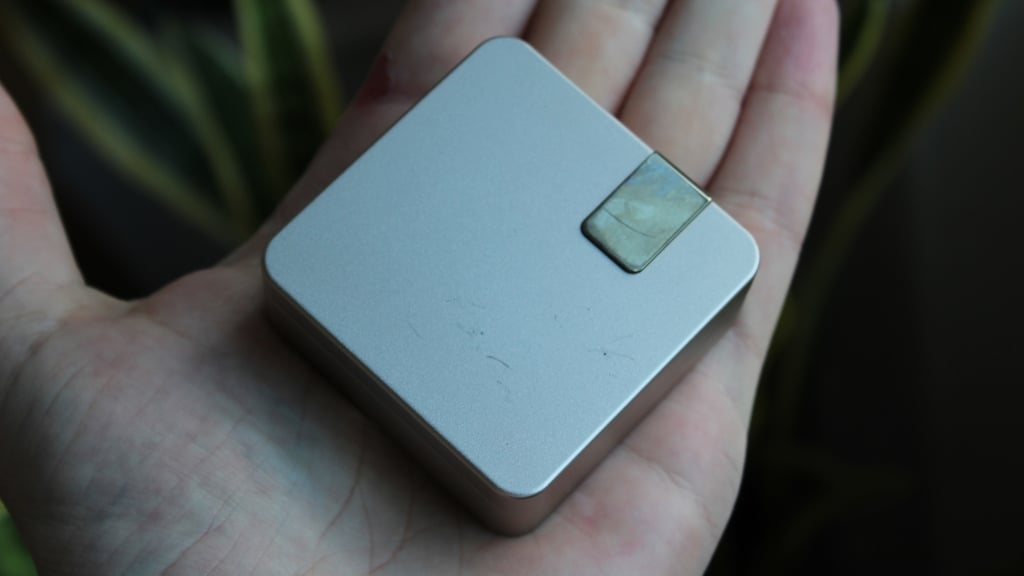
Where Oura's case (sold separately) goes for understated, premium minimalism, Ultrahuman's—color-matched to your ring, and included in the box at full price—is unapologetically gadget-y: it vibrates and chimes when you dock the ring, and it comes with its own speaker and proximity tracking so you can locate it via the app if it goes missing, plus Qi charging so you can top up the case wirelessly.
It's not as premium-feeling as Oura's, and it's gotten pretty badly scratched in my backpack over the last few months, but it undoubtedly makes the experience flow more smoothly.
Should you buy the Ultrahuman Ring Pro?
The Ring Pro is Ultrahuman's clearest answer yet to a difficult question: how do you compete with Oura without paying Oura? The redesign that brought it back to the US is also, unavoidably, what's holding it back.
Ultimately, you're trading the sleek, disappearing feel that defines this category's best hardware for a ring that looks and feels like tech. In return, you get boosted battery life (which I'm not convinced you need) and a no-subscription pitch that, PowerPlugs aside, largely delivers on its promise.
If you're already happy with an Oura Ring 5 or a RingConn Gen 3, or you're coming from the Ring Air, I don't think this is a compelling enough case to switch. The size increase is real, and the Air's battery was never really the problem.
However, if you're new to smart rings, don't want a recurring bill, and can live with something that looks more like a gadget than jewelry, the Ring Pro is currently one of the strongest options on the market.