Smart ring metrics show a sharp drop in fan recovery following England's 2am kickoff against Mexico
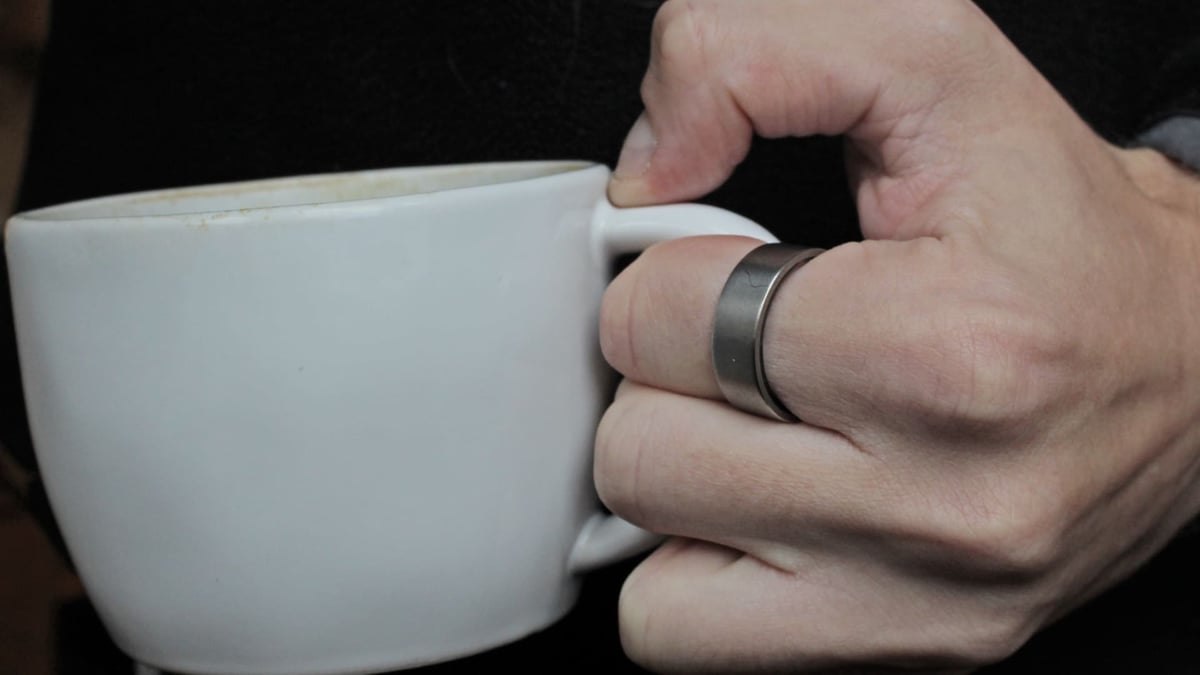
Ultrahuman smart ring data from over a thousand English football fans has quantified the physical toll of staying up late for World Cup kickoffs.
The brand focused on aggregated metrics from its members following England's Sunday night/Monday morning World Cup knockout march against Mexico, which kicked off at 2am BST (an agonizing hour later than initially scheduled, due to lightning near the Estadio Azteca).
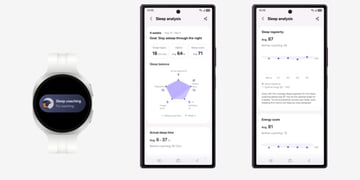
The findings—from Ultrahuman's World Cup Pulse tool—revealed a significant nationwide disruption in standard sleep and recovery. Users logged an average of 38 minutes less sleep than the typical baseline, bringing the overall average down to 6 hours and 38 minutes.
According to the tracking data, nearly two-thirds of the analyzed members experienced shorter-than-normal sleep durations, with over a third losing an hour or more of total rest.
Recovery down; Dan Burn fan appreciation at all-time high
Finishing around 4am UK time, the disruption extended to immediate physiological recovery markers monitored by the ring.
Overnight heart rate variability— the key indicator of autonomic nervous system recovery and stress resilience used by virtually all recovery monitors—dropped by an average of 5.6 milliseconds, representing roughly a 9% decline.
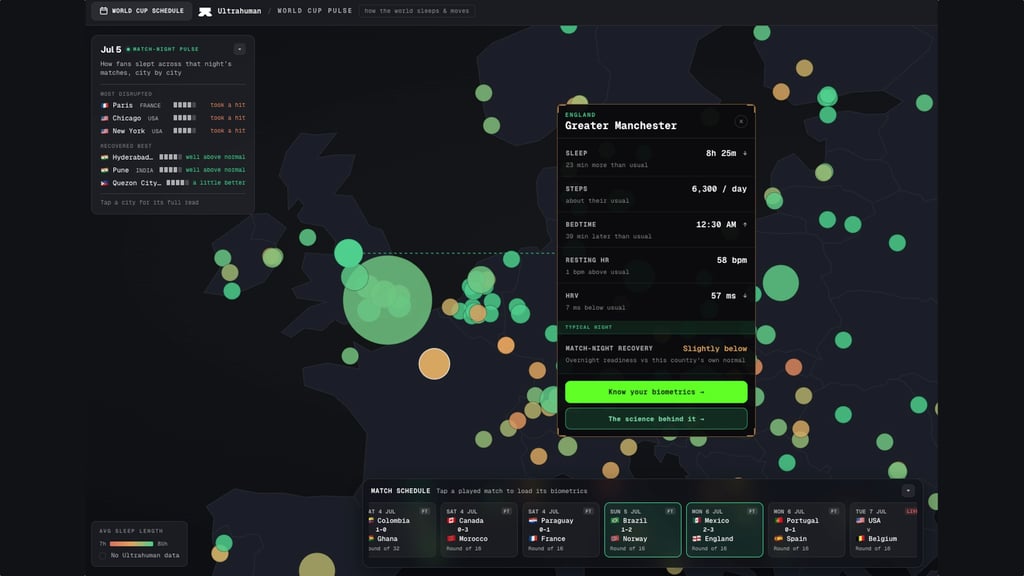
At the same time, resting heart rates edged upward across the entire cohort, resulting in a general four-point decrease in overall sleep quality scores.
Only a minority forwent the pub and living room
Fascinatingly, the data also hinted at exactly how fans digested the heroic performances—and what is undoubtedly the moment of the tournament so far: Harry Kane's high-pitched interview with the BBC.
Ultrahuman suggests one in nine members appeared to watch the match directly from bed, staying stationary for roughly an hour and a half longer than their historical Sunday averages while still losing 35 minutes of actual sleep time.
The company notes that individual short-term sleep disruptions typically normalize within 48 hours—and, at least in this instance, it provides a clear look at how fixtures affected a localized population at a physiological level.
Anyway, more than worth the four-hour sleep for yours truly—and still plenty of time to recover before the palatable 10pm Saturday night kickoff against Norway in Miami. Bosh.