An upgraded B2B safety system uses biometric and environmental data to flag heat thresholds on the job
Samsung has upgraded its Heat Stress Management System, introducing real-time health tracking and environmental monitoring to protect outdoor workers in extreme conditions.
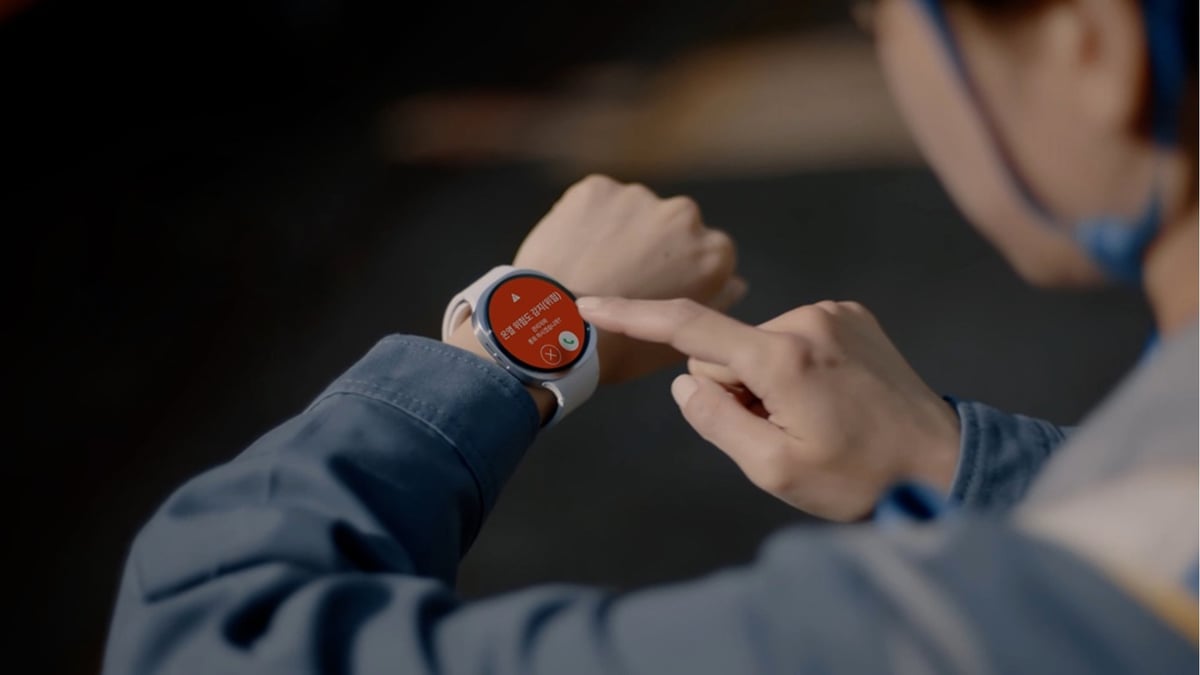
Developed in collaboration with South Korea’s Ministry of Employment and Labor—and detailed via an official blog post—the enterprise platform combines LTE-enabled Galaxy Watch devices with the brand's own SmartThings Pro infrastructure to track worker safety.
The system moves away from static weather monitoring by factoring individual responses into its safety algorithms. By pulling data directly from the smartwatch, including heart rate and physical activity levels, the platform cross-references personal vitals against environmental temperature and humidity.
The underlying algorithm, refined in collaboration with researchers at Incheon National University, factors in the user's height, weight, age, and sex to estimate core body temperature in real time.
How the system works in the wild
Worksite safety managers then monitor the data via a cloud dashboard that tracks perceived temperature thresholds aligned with government guidelines.
The platform triggers alerts at three distinct thresholds: a heat advisory at 33 degrees Celsius, a heat warning at 35 degrees Celsius, and a serious warning at 38 degrees Celsius. When a threshold is breached, managers can push tailored heat warnings and rest recommendations directly to the individual employee’s Galaxy Watch.
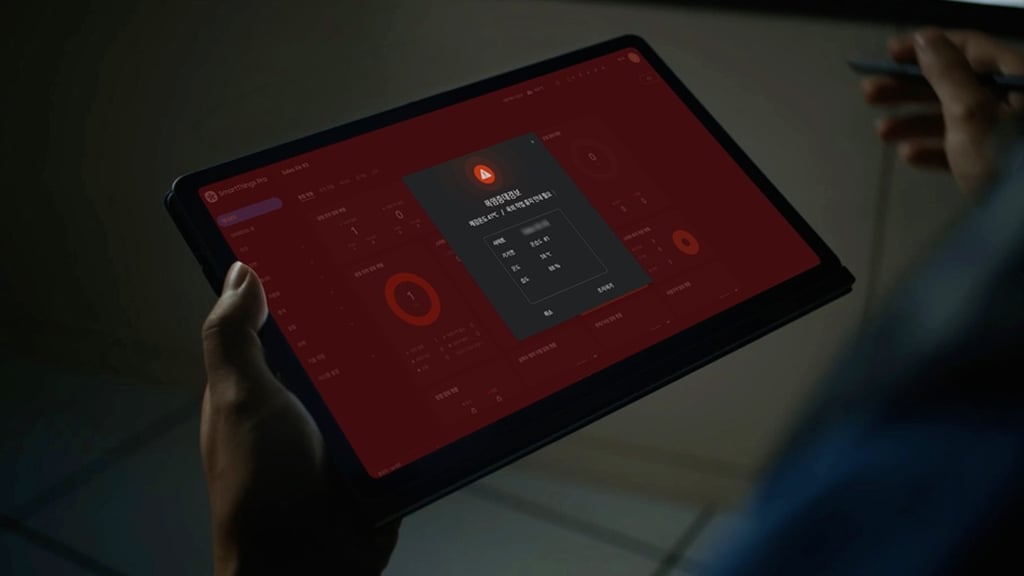
The platform is currently being deployed at a semiconductor production line construction site on Samsung’s Pyeongtaek campus. To address the accuracy of the underlying technology, Samsung’s Data Science Research Institute at the Samsung Medical Center cross-referenced the predictive algorithm against actual physical responses under controlled heat conditions.
Because the system is strictly tailored for B2B applications, it's not available for standard consumer download.
Watch this space
This is the first instance of a mainstream, major brand entering the workplace heat-stress monitoring market. However, for a while now, sweat-sensing specialists like Epicore Biosystems have worked to protect worker safety in extreme conditions via patches and similar dashboards.
While wearables alone can't replace basic workplace safety measures—like enforcing hydration breaks—harnessing continuous biometric data does at least provide a personalized safety net.
We suspect this is far from the last we'll hear from brands using their technology to assist in this niche.