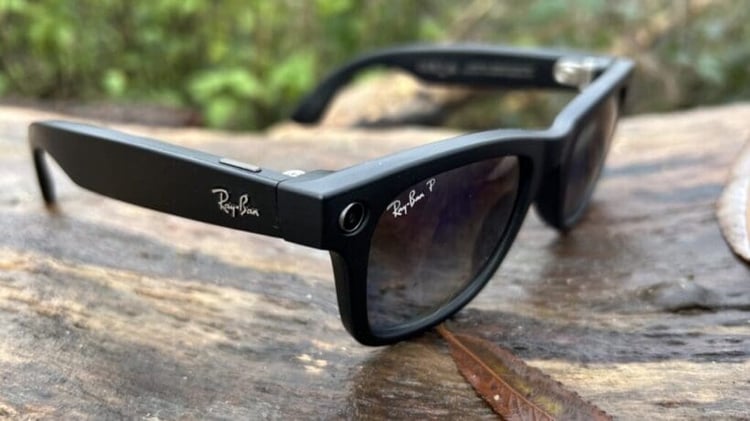
Meta has introduced a usage limit on one of the standout features of its Ray-Ban Meta smart glasses—Conversation Focus—moving the tool to a paid tier within its new Meta One Premium subscription.
The audio assistance feature isolates and amplifies the voice of the person directly in front of the wearer, reducing ambient background noise. However, under the new terms introduced in the Version 26 software update, Conversation Focus is now capped at 3 hours of free usage per calendar month for non-paying users.
To extend this limit to 15 hours per month, owners must pay $20 per month for the premium tier. And Meta has indicated that unused minutes will not roll over to the next billing cycle.
The decision to place it behind a soft paywall is surprising, since Conversation Focus operates entirely on-device, processing audio through the physical microphone array without relying on external cloud servers or internet connectivity.
The entire paid subscription bundle isn't dedicated solely to this feature or to the glasses, though, we should add. Instead, it serves as an all-in-one package that includes advanced AI features and premium-tier access across Facebook, Instagram, and WhatsApp.
Beyond the audio restriction, the Version 26 update also introduced several free hardware updates. These include the Muse Spark AI assistant engine, a high-speed photo burst mode called Dynamic Photo, and direct support for Instagram Instants and WhatsApp voice chats.
System support has also expanded to include Japanese and Korean, along with real-time translation for 14 additional languages.
The Wareable take: A hint at the future?
Restricting an on-device processing feature to a monthly subscription is a slightly risky move by Meta—one that could alienate users who rely on the glasses for lightweight hearing accessibility. Especially since it was an existing feature.
While the company would maintain that a subscription is not required to operate the hardware—and that's still, of course, broadly true—the move potentially hints at a shift toward more software monetization for its glasses.
That's something to watch as the months roll on (and we see the strategy employed by rival brands, like the wave of upcoming Android XR glasses). Thus far, it's not something we've really seen in the industry—at least in the same way as traditional wearable tech subscriptions have worked.