

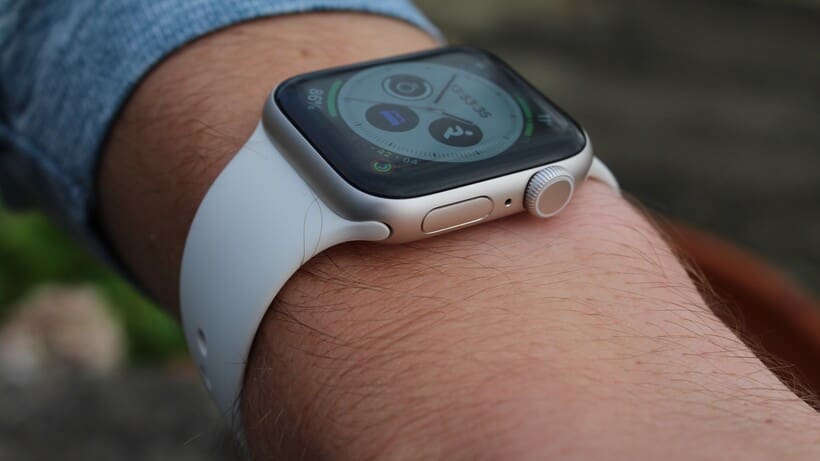
Apple is tipped to overhaul the strap mechanism to slim down the case and deliver improved battery life
Apple is reportedly planning a major mechanical overhaul of the Apple Watch case that will break compatibility with existing watch bands.
That’s according to prominent Weibo leaker Instant Digital, at least, who has issued a warning to Apple smartwatch users: if you plan on holding out for the major redesign, stop investing in first-party or third-party bands, because they likely won’t fit the future hardware.
However, potential upgraders still have some time to prepare. While the Apple Watch Series 12—expected to arrive this September—is expected to retain the same design as the Series 10 and Series 11, the sweeping design shift is tipped to debut with 2027’s Apple Watch Series 13.
In and of itself, that’s no great bit of intel. In fact, we would be surprised if we didn’t see the next major aesthetic change in the Apple Watch debut with the Series 13.
After all, Apple has traditionally reserved its hardware changes for every fourth iteration. So, Series 1-3 were the original look; Series 4-6 represented the first major shift, evolving into Series 7-9, and changing once again beginning with Series 10.
So, the Apple Watch Series 12 will almost certainly reuse the current exterior design, ensuring users’ existing strap collection is safe for at least another year. Instead, the big upgrades for the Series 12 are expected to happen under the hood and to the rear sensor.
Two key benefits touted for the band change
However, if this latest leak is to be believed, it would still be a significantly different kind of design overhaul, thanks to the change to that strap mechanism. And it’s said Apple’s primary motivation for changing the band attachment mechanism is entirely practical: internal space.
The current slot-and-slide mechanism requires a noticeable amount of structural housing within the watch casing. And, seemingly, by switching to a new, more streamlined attachment style—long rumored in supply chain leaks to be a magnetic system—Apple could reclaim some precious internal space.
That freed-up space will reportedly be funneled into two areas: battery capacity and case profile.
The Wareable take: Time to move on
Wiping out the legacy of backward compatibility for watch straps is one of the more controversial moves Apple could make with its smartwatch line. For many users, we’d suspect their strap collection is worth more than the watch itself.
However, ultimately, it’s a necessary evil if Apple wants to evolve the platform. If discarding it means we finally get multi-day battery life on the standard Apple Watch—something Apple has fallen behind its rivals on in recent years—or room for improved sensor accuracy (or more sensors, possibly), then most users will eventually forgive the disruption.
It’s a similar reality to the recent watchOS 27 announcement, which left behind more legacy Apple Watch devices than usual in the name of all-new Siri/AI features (and likely to protect the speed of the core experience on older devices).
I’d expect Apple to cushion the blow in 2027 by keeping the legacy design alive via the Apple Watch SE line—possibly via an updated SE 4—ensuring the millions of older bands floating around the market still have a modern compatible design.
For now, it’s all just rumor talk, but we’ll be keeping an eye out over the coming months to see if there’s any more credence to the notion of a band mechanism overhaul.