Muscle maps, proper set logging, and smart integrations arrive to make gym workouts look as good as a weekend bike ride
Fitness platform Strava is rolling out a comprehensive strength-training update that changes how indoor workouts are tracked and displayed.
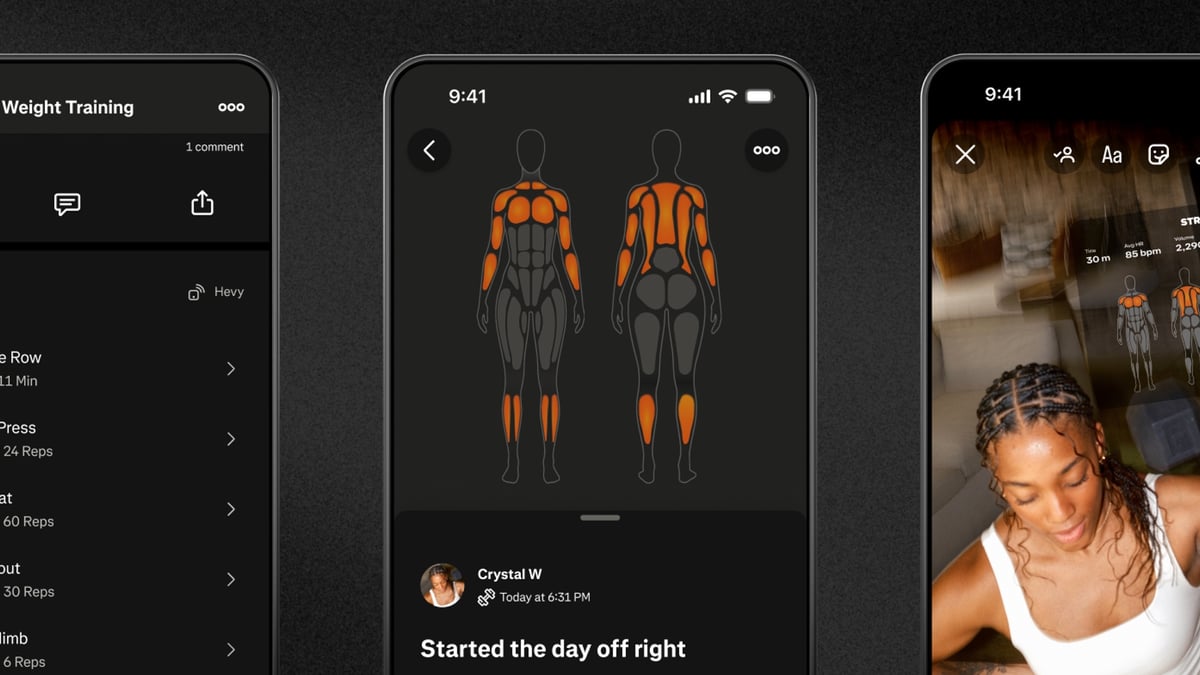
Rolling out now, users performing strength workouts will see a completely redesigned workout log that displays the mechanics of their lifts and lets them input their reps, sets, and the weight they are moving directly into the app.
Once a workout is complete, Strava then translates that data into a visual muscle map, giving users a glanceable look at exactly which muscle groups they targeted during the session.
To keep you from spending your entire rest period typing data into your phone, Strava is also leaning heavily into automatic syncing. The company is launching fourteen initial partner integrations with major wearable brands and fitness platforms.
This means if you track your lifting using a Whoop, a Garmin watch, an Amazfit device, or dedicated workout apps like Hevy and Fitbod, that rich data will automatically pipe straight into your Strava feed without you having to lift a finger.
They are also introducing five new strength-specific sharing formats for your feed, giving your gym accomplishments the same visual polish and social clout that outdoor maps have enjoyed for a decade.
The Wareable take
This is an important shift for a platform that has, until now, sometimes looked out of touch with modern training trends. While it's long been the undisputed king of the road for runners and cyclists, the app always felt like a bit of a ghost town if your routine involved lifting heavy objects in a windowless room.
Now, by opening up its API to dedicated lifting apps like Hevy rather than trying to build a perfect tracking tool from scratch, Strava is playing to its strengths as a social aggregator.
Those auto-populated muscle maps are a great touch, mostly because they solve the visual boredom of gym uploads in the main feed that GPS workouts naturally don't suffer from.
Ultimately, if your friends can see that you smashed a heavy leg day rather than just a gray box that says '45 minutes of strength training', they are far more likely to engage with it.
We still think Strava will eventually need to integrate wearable biometrics from its partners if it's to take the next step toward becoming a rounded fitness hub, but this is yet another step in the right direction for the platform.