The best smartwatches in 2026: Options for every budget

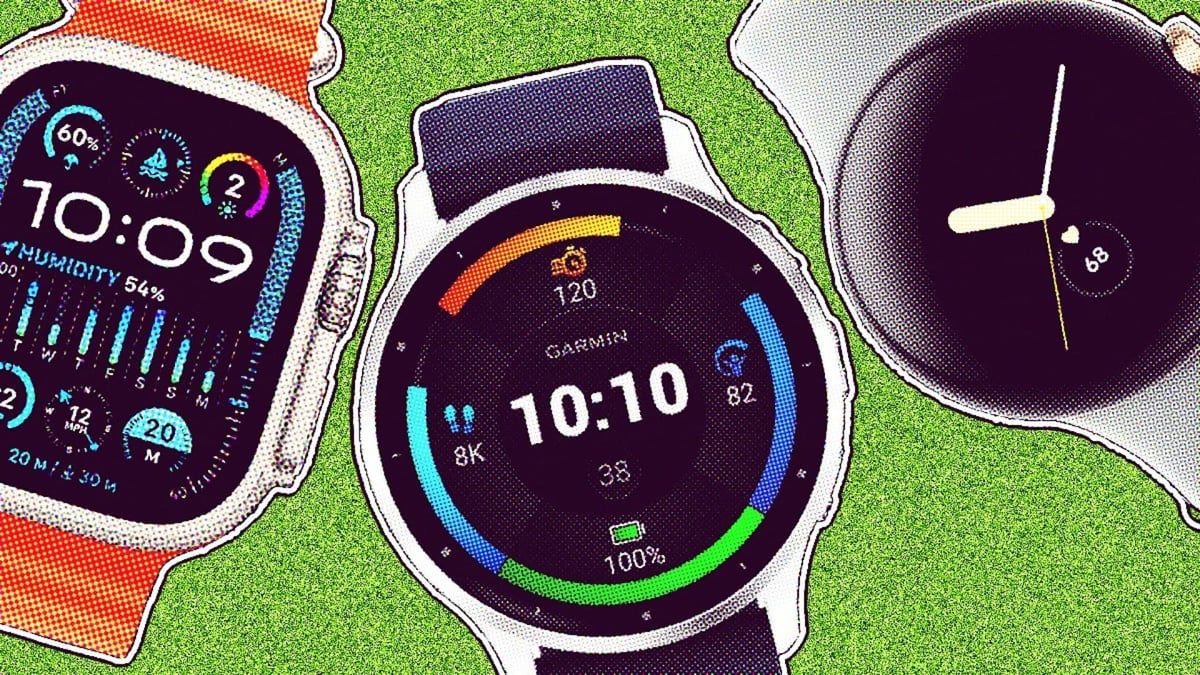
We've reviewed every major smartwatch on the market—here are our top recommendations
Smartwatches are now extremely versatile and powerful tools. The best options can track exercise, deliver advanced health insights, and act as a handy second screen to your smartphone.
It’s also set to be another huge year for the category, with launches from the biggest brands—Apple, Huawei, Garmin, and more.
As such, we grade Withings ScanWatch Light as one of the best overall smartwatches available, with Hume Band 2.0 not far behind, as well as Apple Watch Ultra 3 and Series 11 slotting in as the best premium options for most iPhone users.
If you’re an Android user in need of an alternative, we currently recommend Google Pixel Watch 4, Samsung Galaxy Watch 8, and Samsung Galaxy Watch Ultra.
Yet, if none of these sound appealing to you, we also cover the best smartwatch for sport—Garmin Venu X1—along with two more affordable options: Huawei Watch Fit 4 and Apple Watch SE 3.
Here at Wareable, our reviews are regarded as among the most stringent in the industry—and this buyer’s guide condenses all that in-depth testing into one place. Read on for our hand-picked recommendations of the best smartwatches available in 2026.
Trying to rank the top smartwatches is a complex task; no two devices are the same, nor are the people using them. With this in mind, we utilize our expertise to offer our opinion on the watches that fit the categories listed in the summary below.
Ultimately, this buyer's guide builds upon our full, in-depth reviews, which involve testing a device over several weeks (and often longer). We rigorously analyze the design, features, health monitoring, activity tracking, and manufacturer claims during this time.
Best smartwatch 2026: Overview
- Withings ScanWatch Light: Best hybrid smartwatch
- Hume Band 2.0: Best discreet wearable
- Apple Watch Ultra 3: Best premium smartwatch
- Apple Watch Series 11: Best smartwatch for most iPhone users
- Google Pixel Watch 4: Best smartwatch for Android
Smartwatches we're expecting in 2026
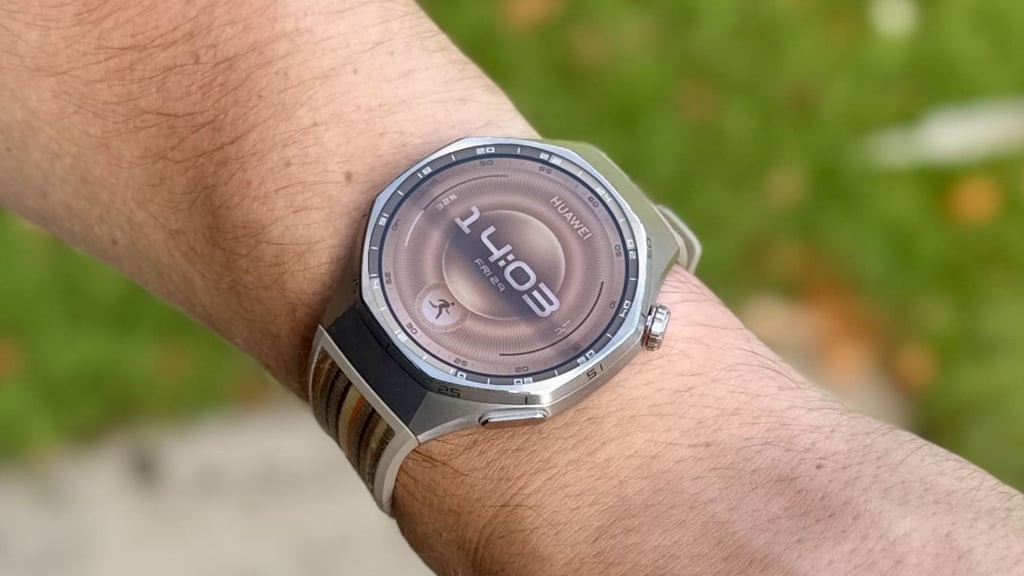
Last year was a bumper year for smartwatch releases, with over 40 models from major brands across a range of budgets all announced (and reviewed here at Wareable).
In 2026, we’re expecting more of the same. In years gone by, a huge percentage of new devices landed around August-October. That’s still when the industry’s most notable new announcements happen from Apple, but otherwise, launches are now quite evenly spread throughout the year.
CES in Las Vegas—which took place in early January—is always the first look at what some major brands have in store for the first few months of the year. At this year’s show, for example, we saw Pebble, Amazfit, and Motorola unveil their latest smartwatches.
However, there are plenty more windows and events we’re expecting to see companies align launches with.
Below, we'll summarise all the launches we've had confirmed so far, as well as devices we're expecting to see before the year is out.
Smartwatch launches confirmed for 2026
- Pebble Round 2—ships in July
- OnePlus Watch 4 series
Smartwatch launches we’re expecting in 2026
- Amazfit Bip 7
- Apple Watch Series 12
- Apple Watch Ultra 4
- Google Pixel Watch 5
- Huawei Watch 6 series
- Samsung Galaxy Watch 9 series—expected announcement July 22
- Samsung Galaxy Watch Ultra 2—expected announcement July 22
Withings ScanWatch Light
Best hybrid smartwatch
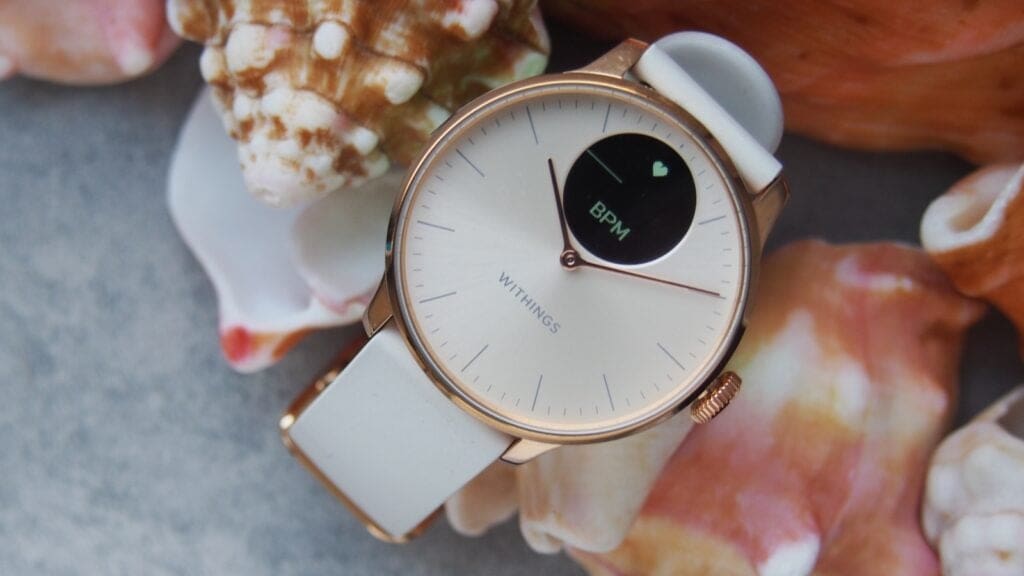
Withings ScanWatch Light takes the lead as the best smartwatch in the lineup, despite being a hybrid watch unlike other competitors. Out of all the Withings smartwatches, it brings a smaller and lighter flair while still packing some great features.
It doesn’t have the most advanced health metrics, yet it makes fitness tracking much easier and clearer. The smartwatch tracks steps, pace, and movement via connected GPS (using your phone), providing a straightforward and easy-to-understand overview of your day.
Heart rate, respiratory rate, sleep quality, cycle tracking, symptom logging, and many more metrics are available in the Withings app. With all of that, ScanWatch Light stands out as a solid device backed by a strong set of wellness features.
The smartwatch comes in a 37mm case with a simple yet refined design. A stainless steel case, crown, and Gorilla Glass are used to make this watch a long-term companion. It’s also water-resistant to 5ATM, allowing you to keep tracking biometrics even while showering.
ScanWatch Light comes in five colors: sand, pearl white, black, blue, and green. As with all Withings smartwatches, you can add additional bands to your purchase, giving you more freedom to style the watch and incorporate it into your daily life.
Beyond that, one of the deciding factors for first place is battery life. Here, ScanWatch Light completely outshines its rivals with up to a 30-day battery life. The actual duration varies depending on usage, sometimes lasting a bit less. But overall, with no features draining much energy, 30 days is an accurate description.
- Read our full Withings ScanWatch Light review
| PROS: | CONS: |
| Refined design | Health tracking is nothing too advanced |
| Nice sleep and fitness tracking support | Doesn’t have a common smartwatch screen (hybrid) |
| Long battery life |
Hume Band 2.0
Best simple-looking wearable device
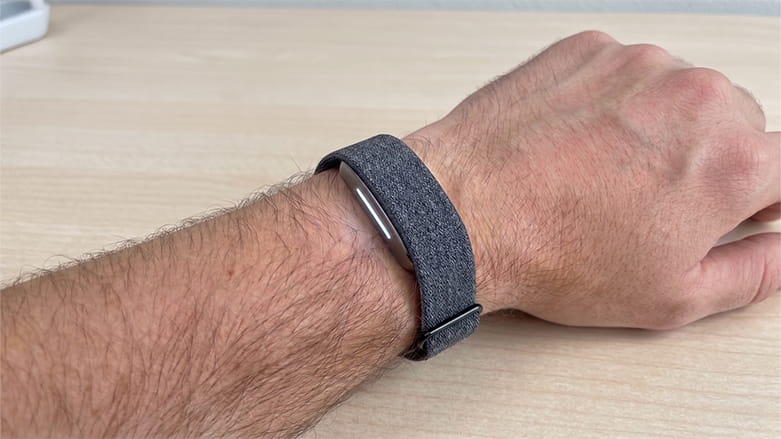
Hume Band 2.0 might seem like an unexpected addition to this list, but its discreet design and notification-free approach make it worth your attention—especially if you’re looking for a smartwatch alternative that allows you to live in the moment.
The 2.0 model is Hume Health’s latest 2026 release, building on what made the original model successful while addressing its key limitations. The most noticeable improvement is the design. The new UltraLux material is subtle gray, replacing the previous black SuperKnit strap. It creates a slimmer, more seamless wearable experience.
More importantly, battery life has increased dramatically up to 14 days with the 2.0 model. In our experience, it delivers solid longevity compared to traditional smartwatches.
Like its predecessor, Hume Band 2.0 tracks heart rate, heart rate variability (HRV), blood oxygen levels, sleep stages, respiratory rate, skin temperature, activity, and recovery metrics. The standout addition is blood pressure trend monitoring. While it shouldn’t replace consultations with your healthcare provider, it serves as a supportive tool alongside medical advice.
Hume Health has also teased some upcoming features arriving in the app later this year, demonstrating the brand's commitment to expanding functionality for users.
If constant notifications tire you and you’re seeking a wellness-focused tracker rather than a full smartwatch, we definitely recommend checking out Hume Band 2.0.
- Read our Hume Band 2.0 review
| PROS: | CONS: |
| Extended battery life | App-dependent |
| Comfortable band for 24/7 wear | Premium features require subscription |
| No distracting notifications | Step tracking accuracy is limited |
Apple Watch Ultra 3
Best premium smartwatch (iOS only)
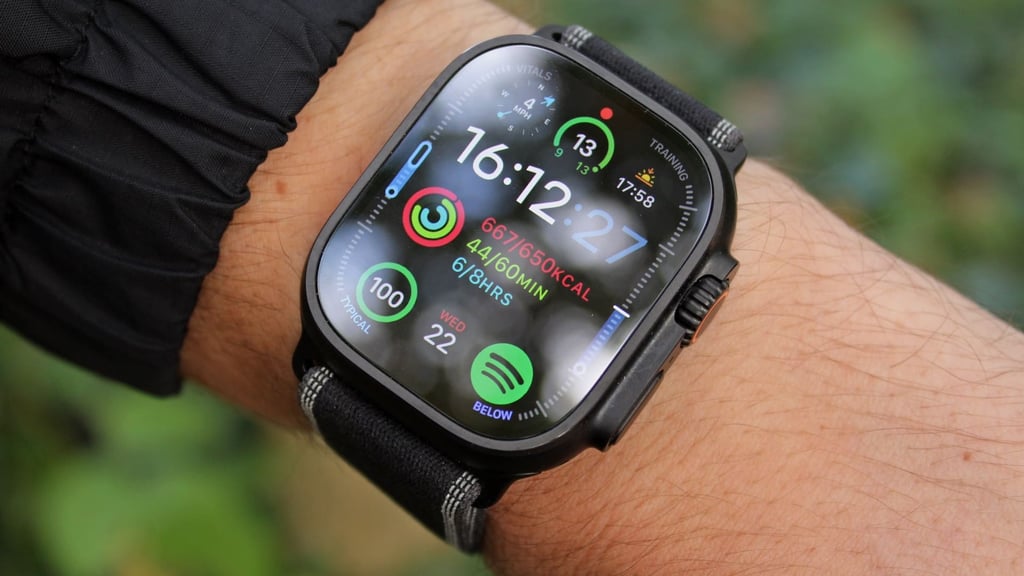
Apple Watch Ultra 3 is a powerful smartwatch and a quality premium option for iOS users. It’s not a radical reinvention, but it takes the winning formula of its predecessors and refines it with a noticeably larger, brighter display, a slightly improved battery, and the potentially life-saving addition of satellite connectivity.
The 49mm titanium design is unchanged, but the new display has more screen area, which makes a real difference to watch faces, app interactions, and really any screen that doesn’t run a black background.
Its most liberating feature remains the 2–3 day battery life, which eliminates the daily charging anxiety of the Series models and makes it a reliable multi-day device. With watchOS 26, it also gets new health features like background blood pressure trend monitoring and a native Sleep Score.
For tracking, it remains one of the best, with exceptionally accurate dual-frequency GPS and the most reliable wrist-based heart rate sensor we’ve tested. While it still can’t match a high-end Garmin for deep training metrics or a 10-day battery, its seamless iPhone integration, vast app store, and new satellite safety features make it an all-rounder.
This isn’t a must-have upgrade for Ultra 2 owners. However, for those with an original Ultra, a Series model, or those seeking the pinnacle of the Apple Watch experience, Ultra 3 is the new champion.
- Check out our full Apple Watch Ultra 3 review
| PROS: | CONS: |
| Larger, brighter display is a superb upgrade | Not an essential upgrade unless you crave satellite features |
| Solid GPS and heart rate accuracy | Training analysis is still basic compared to rivals |
| Satellite features are accessible and work smoothly | Battery life changes aren't transformative |
Apple Watch Series 11
Best smartwatch for most iPhone users
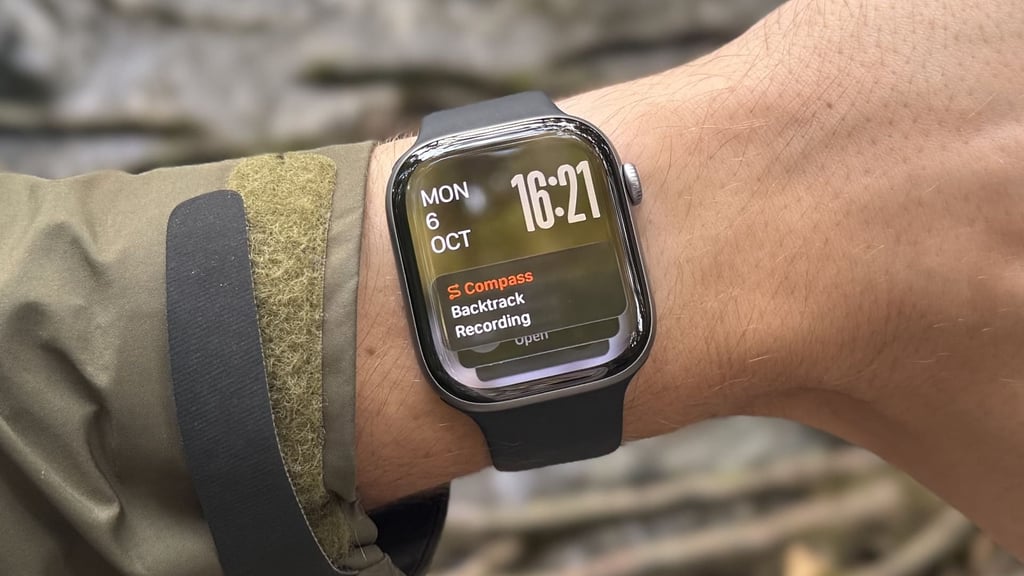
Apple Watch Series 11 is another assured and polished iteration, solidifying its position as the undisputed champion and the best all-around smartwatch for most iPhone users. It’s a refinement of the thinner, larger-screen (42mm/46mm) design introduced with Series 10, with this generation’s focus shifting to internal and software-led improvements.
The most significant physical upgrade is the new Ion-X glass on the aluminum models, which we found to be completely scratch-resistant in our testing. The real story, however, is watchOS 26, which brings a beautiful Liquid Glass design language and a smarter, AI-powered Smart Stack that’s more context-aware. This seamless, frictionless integration with the iPhone—from maps to music to notifications—is what truly sets Apple Watch apart from all its rivals.
This release also brings new wellness features, including passive hypertension notifications and a new native Sleep Score that, while less granular than rivals’, provides a simple and actionable assessment of your rest. These join the already formidable suite of ECG, SpO2, and sleep apnea alerts.
While it lacks the dual-frequency GPS of the Ultra line, its standard GPS and optical heart rate sensor remain reliable and more than good enough for most users.
The one familiar drawback is the battery. It’s still a smartwatch that requires daily charging, though it reliably delivers around 25–30 hours of real-world use. This isn’t a revolutionary leap, but for anyone with a Series 8 or older, the cumulative upgrades make this a superb and polished choice.
- Read our Apple Watch Series 11 review
| PROS: | CONS: |
| More scratch-resistant display | Still not true multi-day battery life |
| Excellent GPS and HR accuracy | Lacks dual-frequency GNSS |
| watchOS 26 is polished and seamless | No reason to upgrade for recent buyers |
Google Pixel Watch 4
Best smartwatch for Android users (Android only)
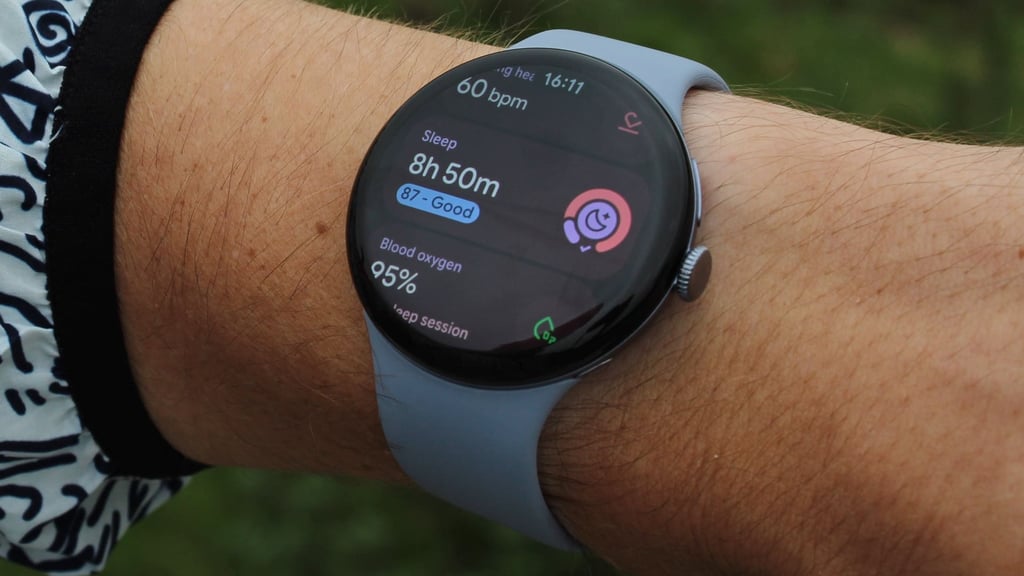
Google’s fourth-generation smartwatch is its most polished and complete effort yet, making it our new top recommendation for Android users.
It’s an intelligent refinement of an already winning formula, addressing key weaknesses while doubling down on its considerable strengths. The most noticeable upgrade is the stunning new Actua 360 domed display, which dramatically reduces the bezels for a beautiful, nearly edgeless look.
The improvements continue under the hood. The addition of dual-frequency GPS brings its tracking accuracy in line with that of high-end sports watches. At the same time, a new charging system delivers much faster top-ups—a significant quality-of-life improvement. The software experience is also a highlight, with the genuinely helpful Gemini AI replacing Google Assistant and a playful, fluid new interface.
The secret sauce remains the exclusive Fitbit integration, which offers some of the most intuitive and powerful wellness, sleep, and fitness tracking available. With a solid two-day battery life on the 45mm model and no key features locked to a specific phone brand, Pixel Watch 4 is the most well-rounded smartwatch for the entire Android ecosystem.
- Read our Google Pixel Watch 4 review
| PROS: | CONS: |
| Stunning, improved domed display | Similar battery life to Pixel Watch 3 (45mm) |
| Faster, more convenient charging | More repairable, but still easy to damage |
| Fun software with genuinely useful AI |
Samsung Galaxy Watch 8
Best Samsung smartwatch for most people (Android only)
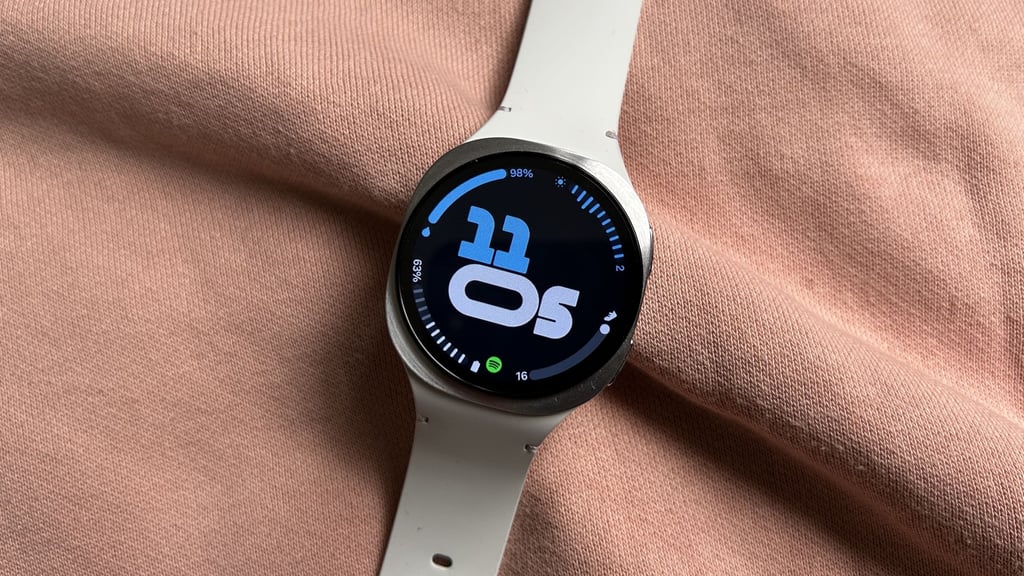
After several incremental updates, Samsung Galaxy Watch 8 feels like a significant step forward and is the company’s most compelling smartwatch in years. The big story is the integration of Google Gemini, which, unlike its predecessors, finally delivers a genuinely helpful and intelligent AI assistant on the wrist that can handle complex queries with ease.
Available in 40mm and 44mm sizes, Watch 8 features the new ‘cushion’ case design from the Ultra model, offering a cleaner and more refined look. The Super AMOLED display is also brighter and sharper than ever before, while subtle UI improvements make the Wear OS software smoother and more intuitive to navigate day-to-day.
It retains Samsung’s powerful wellness suite, including ECG and blood pressure trend tracking (which still requires a Samsung phone). New additions like Vascular Load offer sleep-stress-associated insights, but other Labs features like Antioxidant Index feel half-baked. While GPS accuracy fell short of that of dedicated sports watches in our testing, we found heart rate tracking to be accurate (even during intense exercise).
Unfortunately, Galaxy Watch 8 doesn’t solve the line’s biggest weakness: battery life. Or, at least that’s true of the smaller version we tested. With that model, you can expect around a day and a half of use, which means daily charging is still necessary.
Despite the battery limitations, Watch 8 is a resounding success. The polished design, accurate heart rate sensor, and game-changing utility of Google Gemini may make it a top smartwatch for most people, especially if you own a Samsung phone.
- Read our Samsung Galaxy Watch 8 review
| PROS: | CONS: |
| The cushion case design is nicely implemented | New health and fitness features are a mixed bag |
| Google Gemini is a huge upgrade | Barely a battery improvement on Watch 7 |
| Wear OS 6 and One UI 8 work well together | Key health features remain exclusive to Samsung phone users |
Huawei Watch Fit 4
Best affordable smartwatch
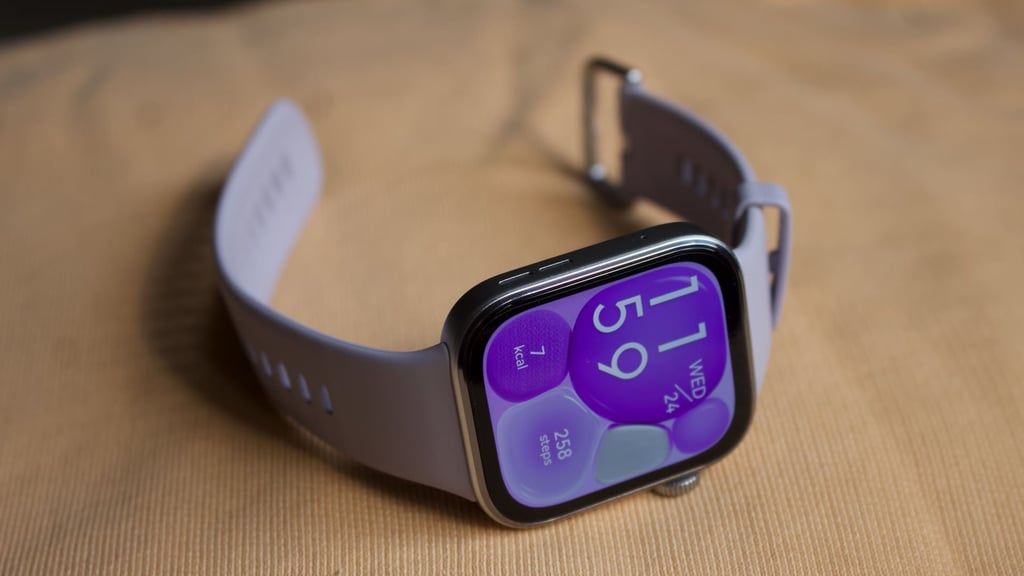
Huawei Watch Fit 4 is a triumph in the budget smartwatch category, delivering a premium look and high-end features for minimal outlay.
The design has been refined from the previous generation with a soft-touch aluminum alloy case, a thinner profile, and a stunningly bright AMOLED display that punches well above its price tag.
Its key strength lies in its surprisingly powerful sports tracking. In a rare move for a budget device, Watch Fit 4 features accurate dual-frequency GPS and offline mapping with route import—typically reserved for watches costing three times as much. Its health and fitness tracking is comprehensive and reliable, making it a genuine sports watch in a stylish, affordable package.
The trade-off lies in its basic smart features. You won't find a robust app store or contactless payment support here. However, this compromise allows for excellent battery life; you can comfortably get a whole week of use, or four days with heavy AOD usage.
For those seeking a stylish fitness tracker that looks and acts like a smartwatch, Watch Fit 4 offers an almost unbeatable combination of design, features, and value.
Watch Fit 4 Pro is also available, offering an upgraded sensor system and sapphire glass; yet, the standard model provides the best value for money.
- Read our full Huawei Watch Fit 4 review
| PROS: | CONS: |
| Premium-feeling design and bright display | Very limited smart features |
| Excellent battery life | Huawei Health app can be cluttered |
| Impressive sports tracking | No official availability in the US |
Samsung Galaxy Watch Ultra
Best premium Wear OS smartwatch (Android only)
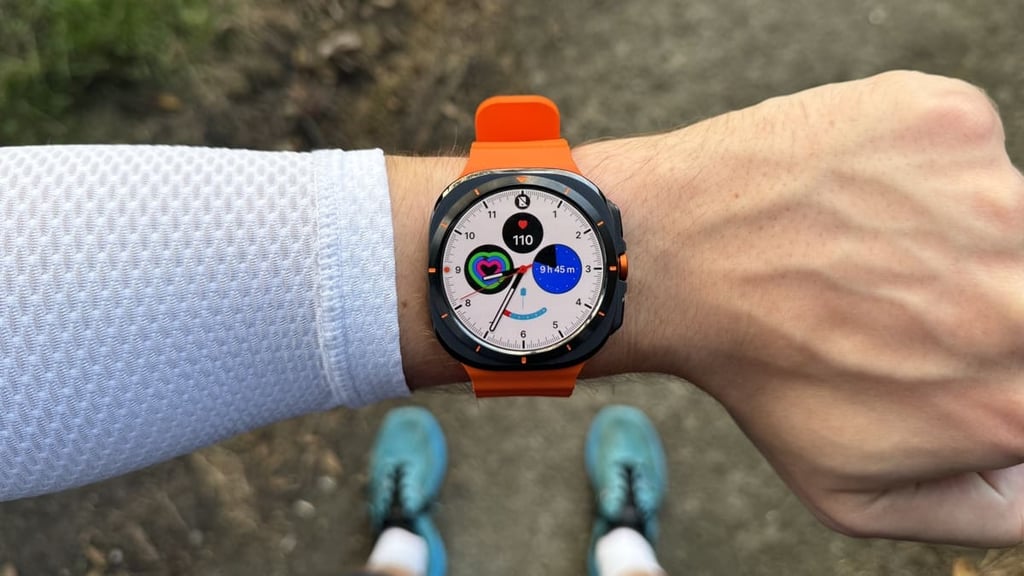
Wear OS lacked a genuinely rugged outdoor smartwatch until the release of Galaxy Watch Ultra in 2024.
Samsung’s most premium smartwatch bears a striking resemblance to Apple Watch Ultra to a comical degree, yet it remains unique for Android users. And that’s still true in 2026.
The 47mm case size feels huge and may be too large for smaller wrists, but it offers accurate dual-frequency GNSS, all the health tech bells and whistles, 10ATM water resistance, and some proper sports tracking features, such as (very fiddly) FTP and the ability to chain together different workouts.
Battery life is between two and three days, but we did find the drain inexplicably inconsistent at launch, so it's hard to get a feel for how much you'll get.
Providing you can handle the size, slightly clunky navigation, and inconsistent battery life, this is an excellent upgrade from the typical Samsung smartwatch experience.
- Check out our full Samsung Galaxy Watch Ultra review
| PROS: | CONS: |
| Solid build and fun design | Insane rotating bezel miss |
| Excellent HR and GPS tracking | Battery life feels inconsistent |
| Cracking display | Samsung phone required for some features |
| Sleep tracking is very detailed | Looks ridiculous on smaller wrists |
Garmin Venu X1
Best smartwatch for sports tracking
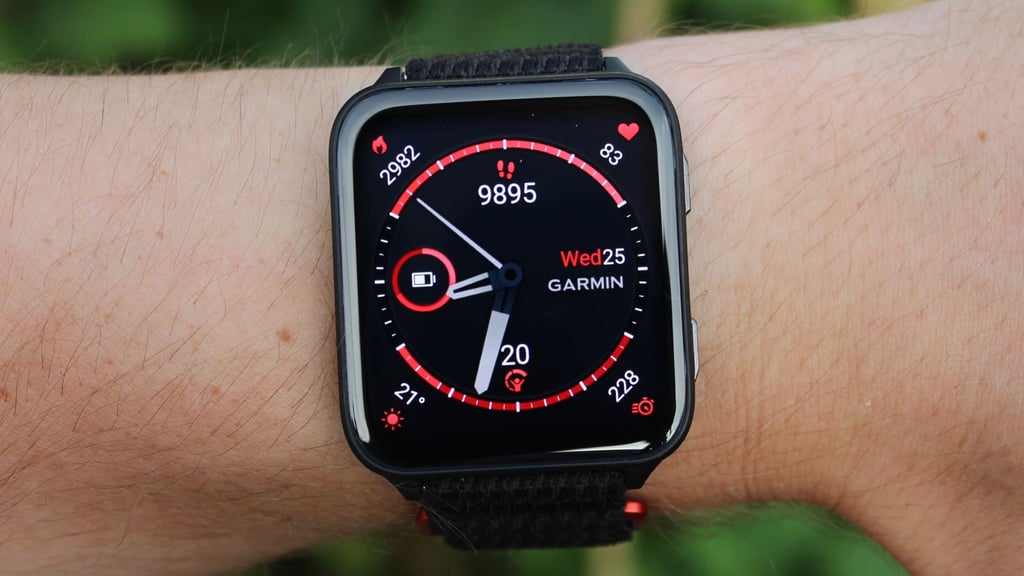
Garmin Venu X1 is a statement piece; a powerful sports watch wrapped in the best-looking, most comfortable smartwatch the company has ever produced. At just 7.9mm thick, the ultra-thin titanium case is a marvel of smartwatch engineering, making it a joy to wear 24/7.
Despite its slim profile, it’s a Garmin through and through. It packs the brand’s full suite of advanced training metrics, including Training Status, Running Tolerance, and Endurance Score, as well as Garmin's excellent native mapping and coaching platform. We also found its core GPS and heart rate accuracy to be outstanding during testing. Plus, it even squeezes in Garmin's brilliantly useful LED flashlight.
However, this aesthetic focus comes with significant compromises. Venu X1’s biggest flaw is its deeply un-Garmin-like battery life, managing just two days with the always-on display enabled. At its premium price tag, the absence of top-tier features (like Multi-Band GPS and an ECG sensor) also feels like a significant sacrifice.
While it has basics like offline Spotify and call support, it isn’t a true smartwatch rival to Withings, Hume Health, Apple, or Samsung. Venu X1 is for a specific user: the dedicated Garmin fan who has long craved a more elegant design and is willing to trade battery life and key features to get it.
- Check out our full Garmin Venu X1 review
| PROS: | CONS: |
| Incredibly thin, light, and comfortable design | Two-day AOD battery life |
| Core sports tracking accuracy is outstanding | No ECG or dual-frequency GPS |
| An LED flashlight—in this design! | No killer smart feature (like LTE) to differentiate it |
Apple Watch SE 3
Best affordable Apple Watch (iOS only)
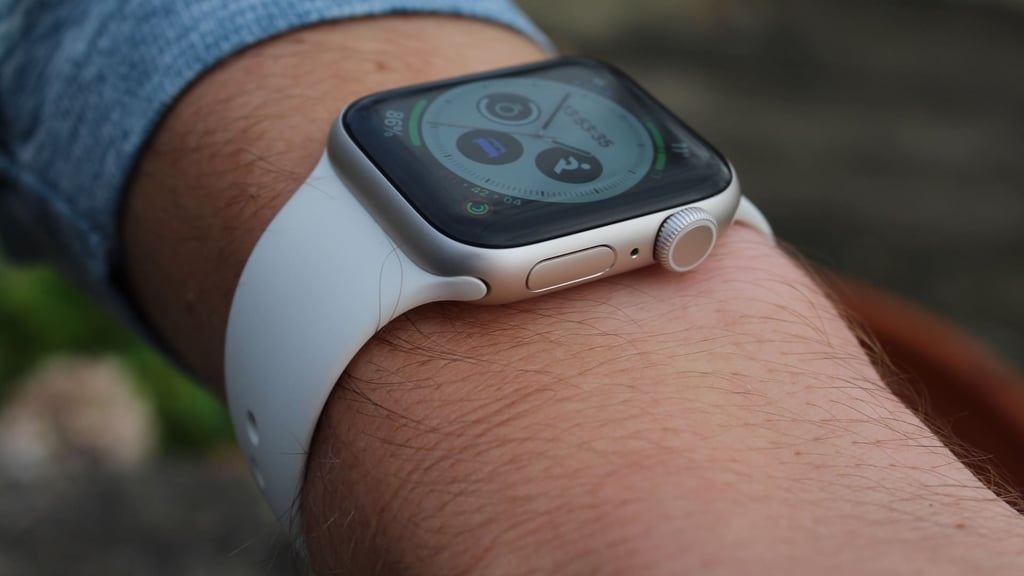
SE 3 is the latest version of Apple’s entry-level smartwatch, and we still grade it as the best fit for most iPhone users looking for their first smartwatch. This is largely down to the clever trade-offs.
Externally, Apple has retained the familiar design of previous models, continuing the thick-bezel look from Series 4 (released in 2018). Yet, internally, it features the powerful S10 chip—the same advanced processor used in the premium Ultra 3.
The S10 chip is the key here. It makes SE 3 exceptionally fast, ready for years of watchOS updates, and enables features like the Double Tap gesture. As a result, you enjoy the core Apple Watch experience—smooth app usage, reliable notifications, and seamless integration with Apple services—at a much lower price than the Series or Ultra lines.
SE 3 also provides accurate, dependable single-band GPS and heart rate monitoring, making it an excellent fitness companion for new runners.
The compromises are straightforward. SE 3 still only offers single-day battery life, so daily charging is necessary. You also won’t get advanced wellness features like ECG, SpO2, or the latest blood pressure trend monitoring features. However, it does include a temperature sensor for cycle tracking, plus software-based sleep apnea alerts and the Sleep Score metric.
- Check out our Apple Watch SE 3 review
| PROS: | CONS: |
| S10 chip means no performance compromises | Dated design with large bezels |
| Excellent GPS and heart rate accuracy | Single-day battery life |
| Superb value for the price | Lacks key health sensors |
How to choose the right smartwatch
Case size
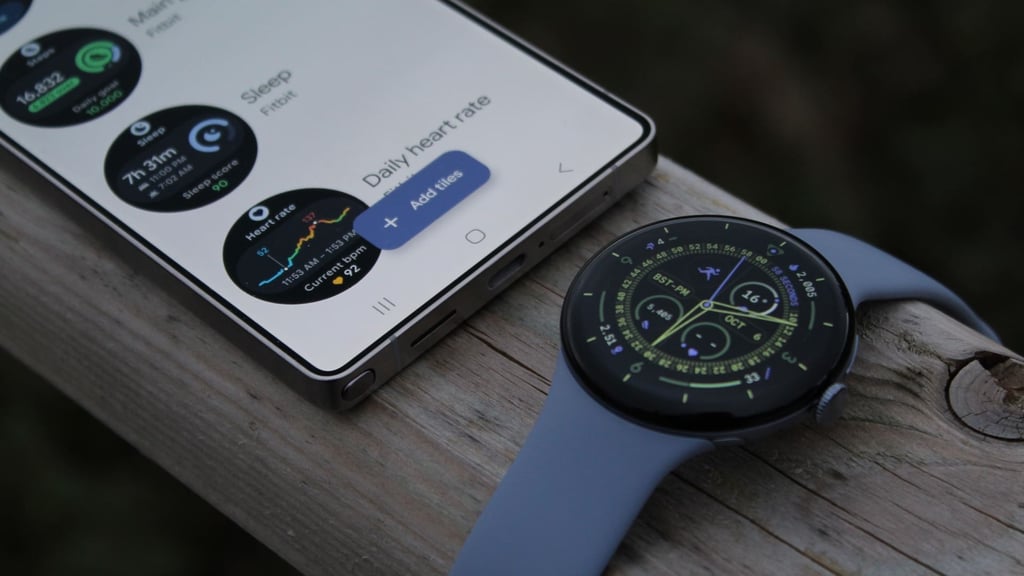
A watch’s fit, comfort, and wearability are primarily determined by case size, and a few millimeters can make a significant difference. Those with small wrists should look for watches in the 38–42mm range, while those who prefer chunky, oversized watches or have large wrists should consider options above 45mm.
iOS vs. Android
It’s essential to consider the smartphone you use. Apple Watch is iOS-only, while Wear OS watches, such as the Samsung Galaxy Watch and the Google Pixel Watch lineups, are exclusive to Android.
Older Wear watches are compatible with both, but the iOS experience is diminished, and it’s not recommended. Huawei, Withings, Hume Health, Fitbit, and Garmin smartwatches are compatible with both, but some advanced calling features from the wrist are usually exclusive to Android.
Apps and extra features
Buying into Apple Watch and Wear OS watches means you can access bustling app stores full of options from big-name brands, such as Spotify or Strava, and expand on the core features.
For example, platforms run by Garmin, Amazfit, and Huawei lack developer support for many high-quality apps. This means you're limited to basic functionality.
However, Hume Band 2.0 can sync with Apple Health and Google Fit, not just its companion app.
Health and fitness features
Smartwatches are increasingly becoming wellness and fitness tools, so make sure yours has the sensors you want.
Nowadays, you'll be hard-pressed to find a smartwatch without a heart rate sensor, and most are adept at 24/7 HR and resting heart rate.
However, brands like Apple, Fitbit, and Samsung now include ECG, a wellness tool. If you’re curious, read our ECG explainer.
Runners will want an accurate GPS on board to track outdoor workouts.
Battery life
Apple Watch and Wear OS smartwatches generally only last a day or two away from the charger, which is one of the biggest turn-offs for people.
There have been moves to extend that to 2–3 days, with Apple Watch Ultra 3, Google Pixel Watch 4, and OnePlus Watch 3.
Luckily, other trackers now last more than a week, with Hume Health, Fitbit, Huawei, Amazfit, and Garmin all pushing longer runtimes, and Withings ScanWatch Light reaching up to 30 days of battery life.
Cellular connectivity
A key consideration is whether you want your smartwatch to function independently of your phone.
Many manufacturers, such as Apple and Samsung, offer LTE versions, which require a separate data plan for purchase. Most carriers and networks have plans for LTE smartwatches.
If you find this feature important, check out our guide to the best LTE smartwatches.