Samsung looks set to expand compatibility for its next ring—but opening up the experience is only half the battle
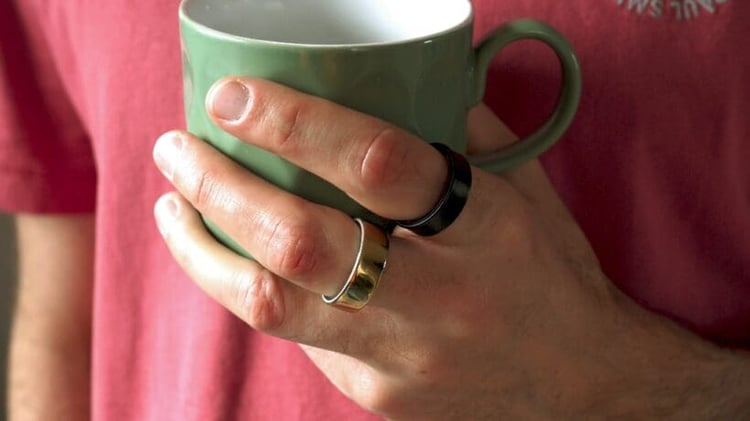
Samsung has finally broken its silence regarding its future smart ring plans. With the confirmation from Samsung’s Hon Pak that the Galaxy Ring 2 is officially in development, the company has signaled that it is ready to take another swing at the market.
Looking back at our 2024 review of the original Galaxy Ring, it was clear that the hardware itself was a solid first effort—sleek, comfortable, and unobtrusive. Yet, the device ultimately felt like a missed opportunity to challenge Oura’s dominance—a lead it holds over rivals, we should note, that has recently been extended with the arrival of the very impressive Oura Ring 5.
Hon Pak suggests that the second iteration will focus heavily on software and services rather than simply being the next iteration in a hardware arms race. And while that sounds promising, the ultimate success of the Galaxy Ring 2 will depend on exactly how Samsung transforms the philosophies that hamstrung its predecessor.
The exclusivity problem
Our biggest critique of the original Galaxy Ring wasn’t its look or feel; it was how closed off the experience was compared to other smart rings. Samsung didn’t just lock the ring away from iPhone users; it went a step further by also nerfing the experience for non-Samsung Android users.
To unlock the device’s full capabilities, you were forced into the Samsung ecosystem.
Features like Galaxy AI Health Insights (your daily Energy Score and personalized Wellness Tips), Double Pinch gestures, and the ‘Find My Ring’ tracking tool were all strictly gated behind a Samsung account and device.
If Hon Pak’s recent coy remarks about iOS compatibility signal a genuine shift, it represents a refreshing drop of ego from Samsung. However, we remain skeptical about whether the company will truly open the gates.
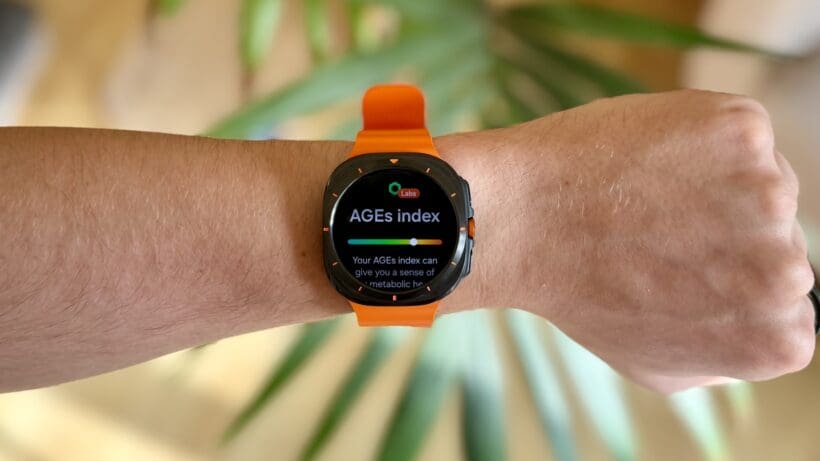
Unlike its Galaxy Watch devices, which have a more genuine technical excuse for exclusivity because Wear OS/One UI Watch operates very tightly with Android, a smart ring has no such limitation. Opening it up to iOS would be a purely strategic choice—and one that makes sense if it’s truly seeking to compete with Oura.
We suspect Samsung may attempt to keep the ‘full’ experience exclusive to its own smartphones to protect its ecosystem, but even basic cross-platform compatibility would be a monumental step forward.
Progress, but the subscription paradox remains
The second major question mark hanging over the Galaxy Ring 2 is the business model—or at least whether the nature of its value will change.
When the original ring landed without a monthly subscription fee, the tech community largely rejoiced. But as we have consistently argued, the narrative that “subscription-free equals better value” is fundamentally flawed.
At the end of the day (and as Hon Pak himself points out), smart ring hardware is already largely a commodity—a collection of readily available optical and motion sensors. The real cost and value lie in the software architecture, clinical validation, and continuous algorithmic tuning that turn raw data into actionable insights.

Subscription models, like the one employed by Oura, create a recurring revenue stream that funds this exact type of continuous improvement.
This is why Oura can roll out major updates like a redesigned app, Live Activity Tracking, Cumulative Stress, an overhaul of Cycle Insights, Health Radar passive blood pressure tracking, GLP-1 Insights, and integrations with third-party blood test reports.
All of those features have landed in the last 6-12 months, and it’s been a similar cadence for the last three years or so.
Allowing the ring to be the outlier
Conversely, traditional tech giants like Samsung often fall into the trap of tying software updates strictly to new hardware launches. If you buy a one-off device, you’re often stuck with largely the same experience for 1-2 years before the company decides it’s time to buy a new piece of hardware.
If Samsung wants to truly challenge Oura for the crown, it needs to prove that it can act like a health-tech company rather than just a consumer electronics one—at least when it comes to the ring.
It needs to commit to a software roadmap that evolves alongside its users—and that might start by opening the experience to iPhone users and accepting that smart rings can’t be iterated on like watches or phones.
Ultimately, Samsung has the engineering might to build a leading smart ring, but the Galaxy Ring 2 will succeed only if the company prioritizes an ever-improving, open experience over user lock-in.