From 5km race checks to remote coaching data, we go inside the training of a 2-hour marathoner
Earlier this week, Samsung rolled out a wave of significant software updates to its health and fitness platform. The timing likely isn't a coincidence, with the branding seemingly bulking up ahead of the next generation of Galaxy hardware, rumored to arrive next month.
But while everyday fitness fans can look forward to shiny new insights and potential new devices, the update raises a question we consistently ask: how do those at the bleeding edge of elite athletics actually use these tools on their smartwatch or sports watch to get more out of their training?
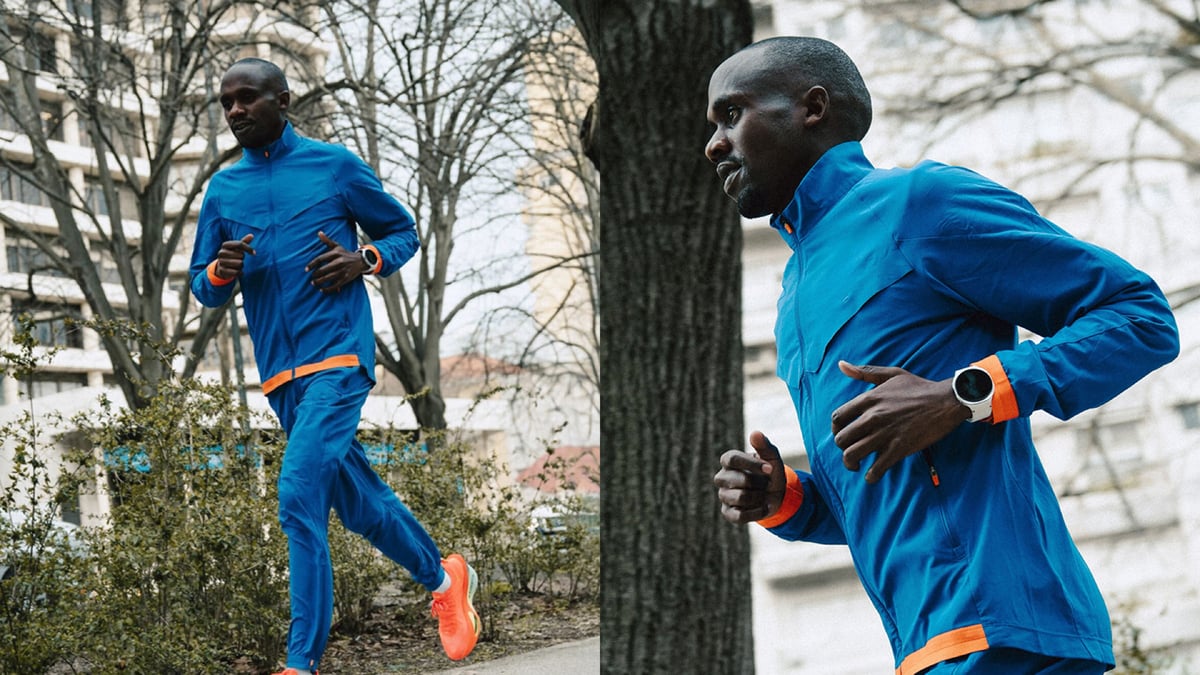
We got a glimpse into the answer following April’s historic London Marathon. Uganda’s Jacob Kiplimo clocked a staggering 2:00:28—a time that comfortably beat the previous world record, even though he ultimately finished third in the fastest race ever run.
On the wrist of the half-marathon world record holder during that historic performance was a standard consumer device: the Samsung Galaxy Watch 8. But elite runners don't use technology the way the rest of us do.
Speaking to Wareable, one of the fastest humans on earth revealed how he leans on consumer data to shape his preparation.
Managing race metrics on a macro scale
For everyday runners like us, a wrist device can be a constant source of micro-anxiety. I'm certainly guilty of users checking real-time pace and heart rate far too often in races—particularly when things get tough. At the elite level, however, the watch acts more like a high-level dashboard.
Kiplimo notes that during the grueling stretches of a 2:00 marathon, his interaction with the display is strictly controlled.
Rather than obsessing over real-time fluctuations, he explains how he checks his tracking data roughly every 5km to cross-reference his manual timing against his targeted pace strategy.
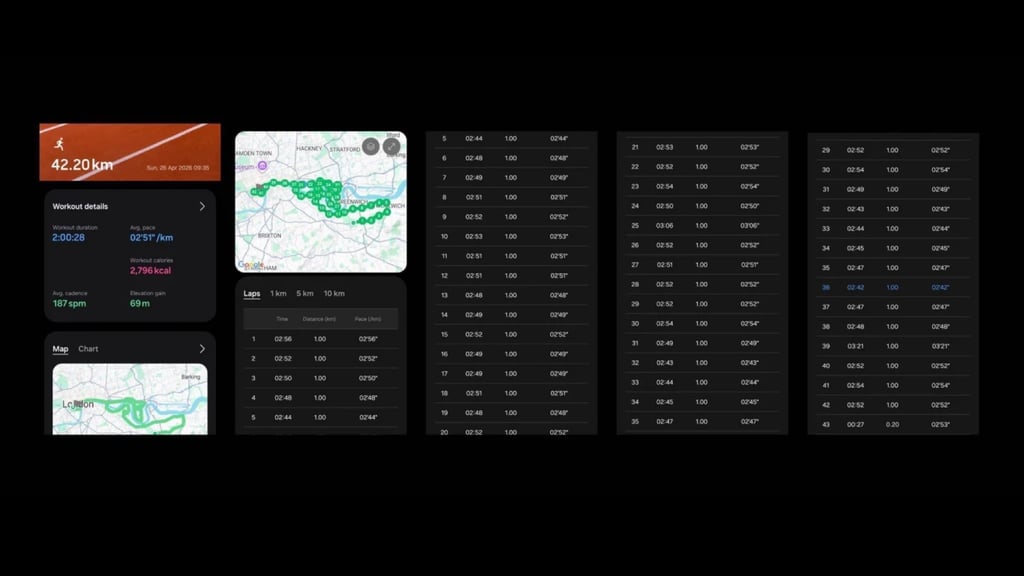
"I used my Galaxy Watch8 to track my timing and make adjustments to my overall pace if I am going too fast or too slow," Kiplimo told Wareable.
"I was checking maybe every 5km or more, and this worked very well for me if you have seen my timings for each part."
Bridging the coaching gap
The utility of running-ready watches for elite athletes isn't just what happens on race day, but also how they facilitate remote coaching frameworks when distance becomes a factor.
While the core of marathon preparation is heavily dependent on face-to-face coaching—with Kiplimo’s coach on the ground for major four- and five-week blocks at the start and peak of his training cycle—the realities of international schedules mean gaps inevitably happen.
During a critical three-week stretch when his coach was away, the data pipeline from the watch became the primary training bridge. Rather than relying on subjective feedback, Kiplimo's team used Samsung Health’s underlying metrics to supervise training blocks from afar.
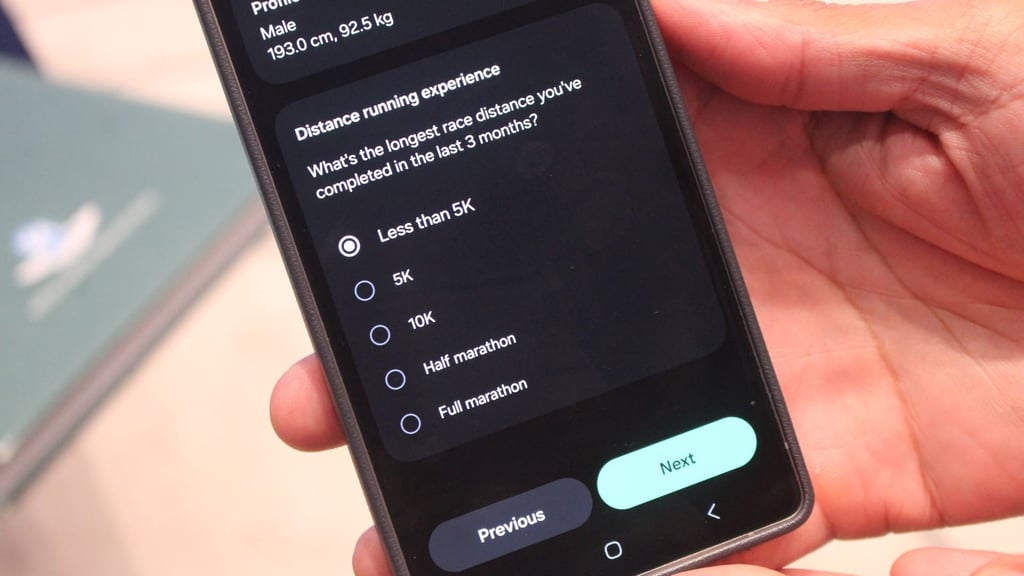
"My coach doesn’t live in Uganda, so the watch helps me share data with him when I am training at home," Kiplimo explains.
"I can share detailed data with him so he can still guide my sessions remotely. He can see my timing and reports of my running form through the Running Analysis feature in Samsung Health, which helps us work together," he says.
Instead of simple distance tracking, the remote analysis zeroes in on a blend of internal and external strain metrics.
Kiplimo told us that they closely monitor heart rate and pace for each kilometer to ensure recovery sessions remain truly aerobic, and they also track asymmetry readings to detect whether he is overcompensating on one side of his body—potentially before an imbalance manifests as an injury.
"It helps me stay consistent and makes sure every session is as controlled and efficient as possible, even when my coach isn’t physically there," he says.
The trickle-down effect
When we discuss the next frontier of wearable hardware and dream features, we point to a feature the entire industry is currently racing to solve: integrated, live-tracked fuelling and hydration intelligence based on real-time sweat or biological data.
"It’s only a matter of time before they add something like that, and I can’t wait to see what else may come," Kiplimo says.
Until those next-gen sensors arrive, though, the elite consensus for sub-elite runners looking to get the most out of their watch remains simple: ease into the data.
While casual marathoners don't have access to dedicated coaching teams on the ground in East Africa, getting the most out of automated coaching tools built directly into modern smartwatches provides a decent baseline structural framework.
"It’s very important to ease into things and not push too hard too quickly," Kiplimo advises.
"I'm lucky to have a personal coach, but that’s not available to everyone. You can use Running Coach on the Galaxy Watch 8 to help even a beginner train for a marathon."