Vitals, Heart Health Score, Daily Cardio Load, and Fitness Index headline the software boost
Samsung has begun rolling out a major structural update to its Health platform, delivering a raft of new AI-powered health and fitness insights.
Arriving today for users of the Samsung Galaxy Watch and Galaxy Ring globally, the software overhaul reshapes how baseline biometrics are visualized and interpreted.
It also lays the foundation for the company's rumored next-gen devices, such as the Galaxy Watch 9 series, expected to be announced next month.
A vital addition
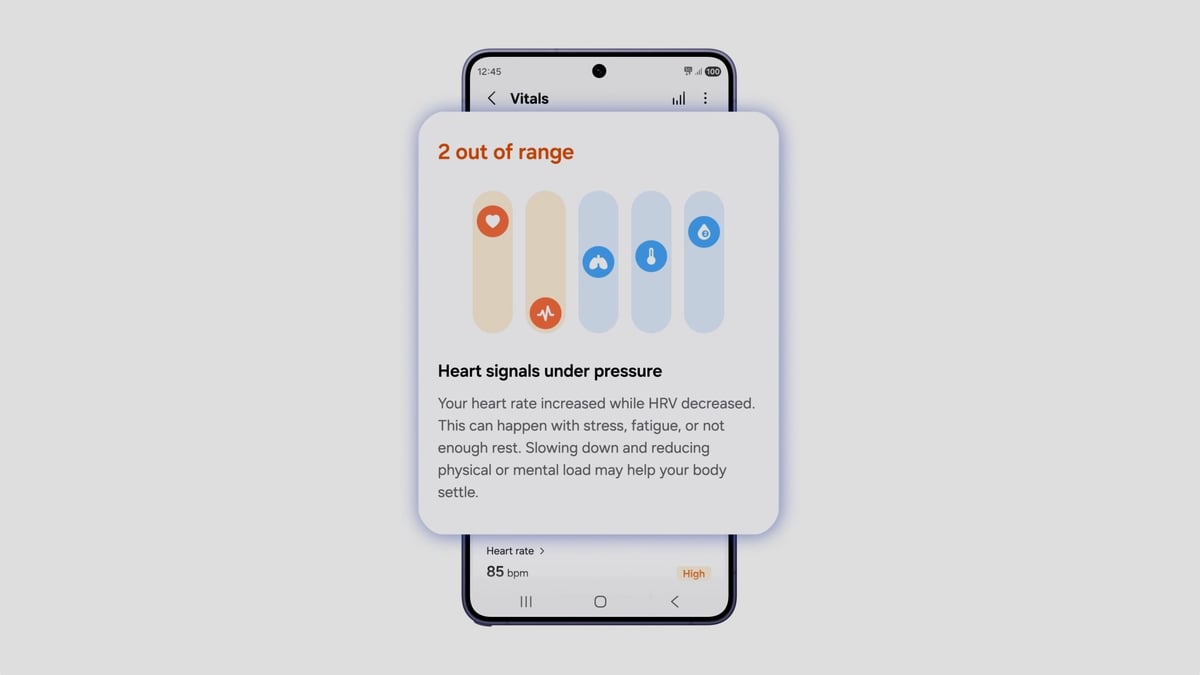
The cornerstone of the new update is 'Vitals'. Working similarly to Apple's own Vitals app, this aggregates five core metrics captured during sleep: resting heart rate, heart rate variability (HRV), respiratory rate, skin temperature, and blood oxygen saturation (SpO2).
Like its rival's equivalent, the new Samsung Health feature also cross-references overnight data against a user's established baseline. It then flags acute deviations from normal baseline ranges, providing Galaxy Watch users with actionable warnings about physical strain or a brewing illness.
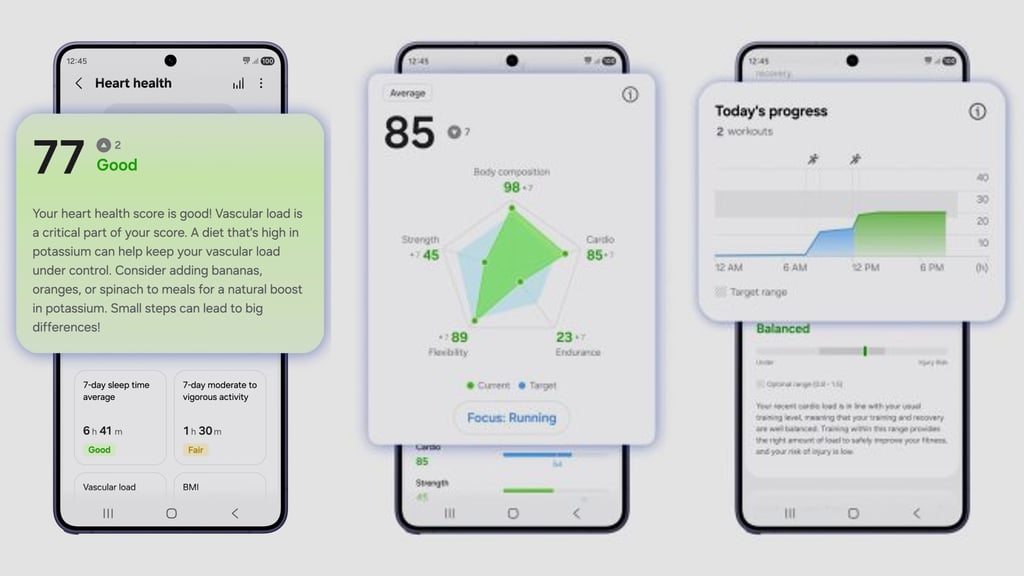
In tandem with the Vitals tool, Health also debuts a unified 'Heart Health Score'.
This metric blends the smartwatch's body composition tracking with lifestyle data—including sleep architecture, daily stress logs, and cumulative physical activity—to generate an ongoing daily indicator of cardiovascular strain.
Overdue insights for exercisers
To advance its fitness tracking, Samsung has also cooked up a 'Daily Cardio Load' feature. As seen in similar features from brands like Garmin, this calculates cardiovascular stress relative to historical training in order to prescribe target workloads and better inform recovery timelines.
This is supplemented by a new 'Fitness Index', which benchmarks VO2 max, heart rate, and daily steps against the user's peers to provide deeper insight into overall fitness.
Underpinning all these new features is a streamlined user interface. Samsung now separates its tracking into five pillars: Sleep, Activity, Nutrition, Mindfulness, and Vitals.
Its more advanced diagnostic features have also been automated; the AGEs Index (Advanced Glycation Endproducts) now captures metabolic aging trends silently in the background overnight.
Plus, there's also a new ambient hearing health protection feature that works natively across paired Galaxy Watches, smartphones, and Galaxy Buds to log noise pollution and deliver real-time hearing health suggestions.
The Wareable take: A cheeky bit of timing
The timing of this rollout represents a classic bit of tech gamesmanship. By launching its Samsung Health platform update globally today, June 8, 2026, Samsung is no doubt looking to steal a bit of the spotlight from Apple's WWDC 2026 keynote.
As Apple prepares to take the stage to showcase its own watchOS developments and health metrics, Samsung's own software update takes some of the eyeballs away.
And it is actually about time, really, for it to debut some of these metrics.
Samsung has proved itself as a great innovator in 'hard' software features in recent times, being the first and only brand to deliver novel insights such as the AGEs Index and the Antioxidant Index. However, some of the low-hanging fruit, such as what's now been covered off via Vitals and the exercise load features, has previously been scarce.
This update means it's now a more effective platform, and one that's catching up with the industry's two gold-standard brands for deep, personalized and actionable insights, Oura and Whoop.
And, at the very least, it remains loosely on par with its chief competitor, Apple—at least until we see what the Cupertino brand has in store for watchOS at WWDC 26.