- ECG and top health features
- Nice design with a button
- A week of battery life
- Stress tracking didn't impress us
- Poor OS and no apps
- Quite expensive
We loved the original Fitbit Sense back in 2020, which arrived mid-pandemic with a focus on wellness tracking that truly resonated with us.
Since then, things have changed. The company has taken a new approach to continuous AFib detection, which is now available on quite a few Fitbit models.
It’s the same for the Health Metrics dashboard, which arrived with the original Sense smartwatch, but even the budget Fitbit Inspire 3 boasts a full range of tracking, including skin temperature monitoring.
This has diluted the Fitbit Sense 2, and leaves question marks about its $199.95 price tag, especially against newer releases.
Read on for our in-depth testing and conclusions. And make sure you read our guide to the best Fitbit for your needs.
Features and ECG
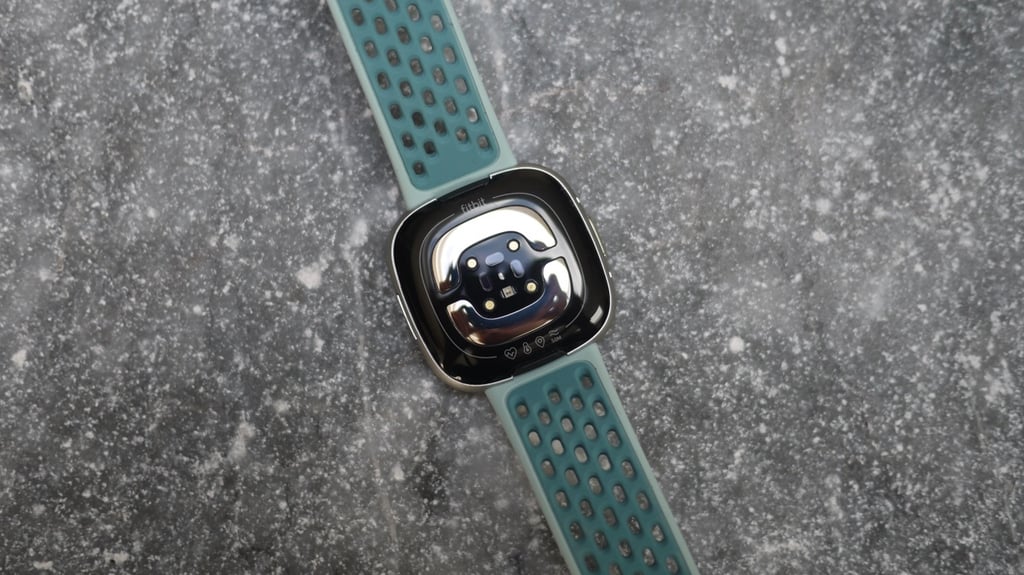
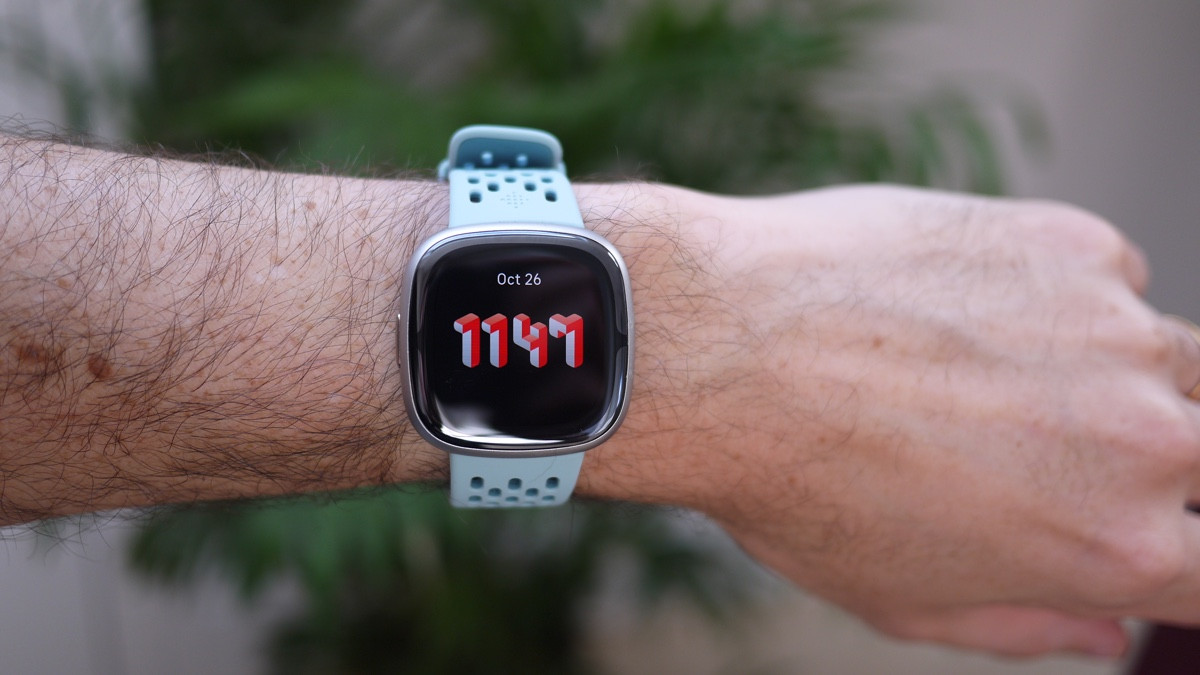
The Sense 2 shares its design language with the Fitbit Versa: a lighter case design, a physical button, and a bright AMOLED display. So, what are the main differences?
Firstly, ECG. The Fitbit Sense 2 claims to perform on-demand heart rhythm readings using the built-in sensors.
However, the rest of the recent Fitbit models can scan for irregular heartbeat events using the PPG sensor through Irregular Rhythm Notifications. It means that other Fitbit devices might also warn you about a potential AFib event.
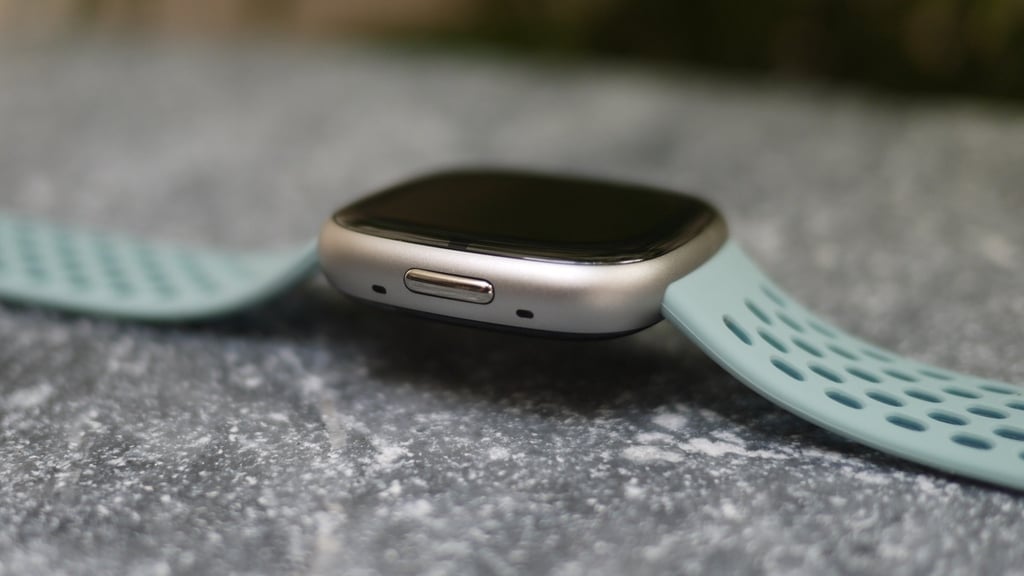
The Sense 2 also uses a continuous electro-dermal sensor (cEDA). The EDA sensor on the original Fitbit Sense could spot-check for skin responses to stress, while the Sense 2 can do that automatically.
Continuous EDA is the basis of the overhauled Stress Management feature, which is now the key focus of the Sense 2.
Stress tracking and integration
Stress Management (or Body Response) is the headline feature of the Fitbit Sense 2—and it’s been overhauled, with that cEDA sensor now constantly scanning for stress responses.
If it detects a stress response, you’ll be prompted to log how you are feeling from a range of emotions. We expected this to be annoying at first, but we were rarely prompted more than once per day.
The language is a little vague, though. A big alert saying “CHILL OUT” might be what you expect. However, the actual alert on the wrist just mentions “changes” in your body.
It’s not even clear whether the Sense 2 thinks these are good or bad changes, which kind of undermines what comes next.
You can input your mood using preset icons, and over time, you can view triggers and see how they correspond to moods. But you can’t tag triggers to real events.
It’s a prompt, ultimately, that makes you aware (in its own opaque way) that your physical state has been diminished. But is that enough? It’s about identifying triggers and just being aware of when you’re feeling stressed. If you struggle with stress, this might be useful for you.
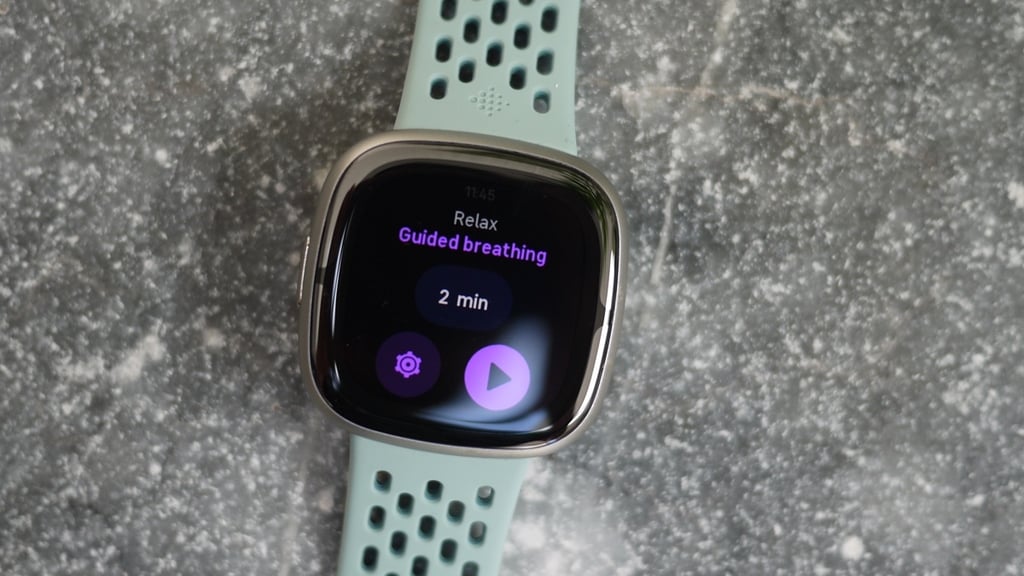
The guided breathing is more engaging than we’ve seen on other wearables and encourages you to match your breathing to patterns shown on the watch face. It uses nifty color-coded feedback in real time to show when your breathing is in sync.
It’s surprisingly effective and a smart use of the sensors.
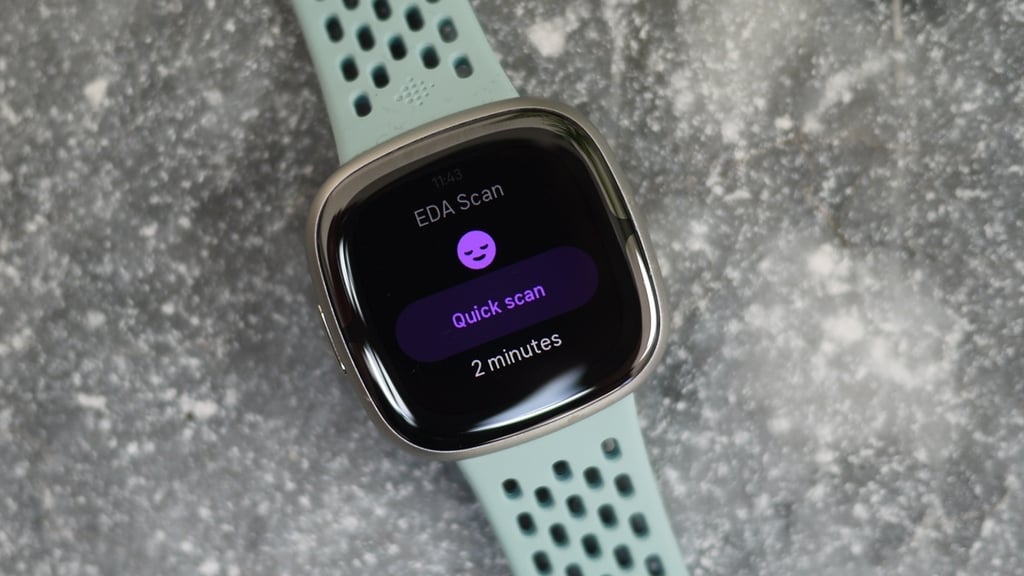
The EDA Scan is a two-minute timeout, where you place your palm over the screen.
In turn, EDA Sensor counts how many stress responses were registered—a number that struggles to be meaningful in our eyes. However, the app shows your current heart rate variability compared to your baseline, which does make it a more interesting and useful process.
We know that reminders (also present on the original Sense) can be inconvenient when they arrive during work meetings, dinner with friends, or while getting on with life’s other demands. And the prompt to get up and do 200 steps isn’t particularly helpful either.
To anyone considering Sense 2—buy it only if stress management and wellbeing support are your main goals. We think that’s quite a niche consideration for those sizing up a wearable, and we were left a little cold by it all.
Health watch, not a smartwatch
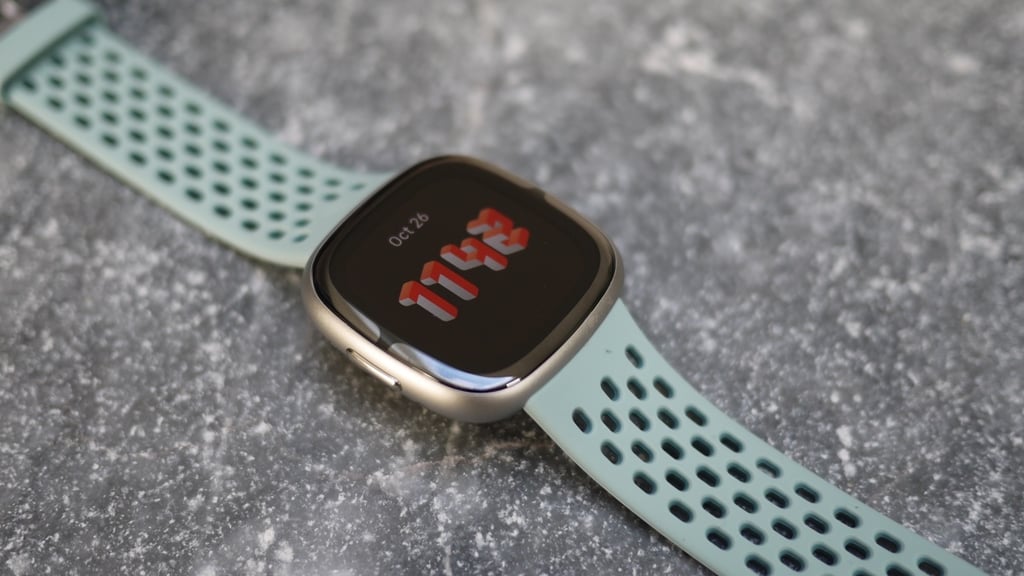
The Fitbit Sense 2, like its predecessor, is extremely health-focused, but it struggles to compare to the best smartwatches on the market.
On one hand, sleep tracking is fantastic, and in our side-by-side tests, it matched WHOOP 5.0 in almost every department. Also, with Google Health Premium, subscribers can access oxygen variations.
The Vitals dashboard is still a great overview of your wellness: tracking oxygen, heart rate, and skin temperature against established baselines.
And the Daily Readiness score is a great addition. However, all of these features can be found even on the budget Fitbit Inspire 3.
It calls into question why you should pay more for the Sense 2, and it increasingly compares unfavorably with other premium smartwatches.
Still, notifications are delivered well and are easy to read, and the apps that can deliver to the wrist are easy to manage, so you can stop yourself from being overwhelmed. And you can also take calls from the wrist. Google Wallet is available, too.
We also really enjoyed the smart alarms, which are great for early starts. There’s a decent weather widget, and Alexa can be activated using the physical button if you like that kind of thing.
Smartwatch shortcomings
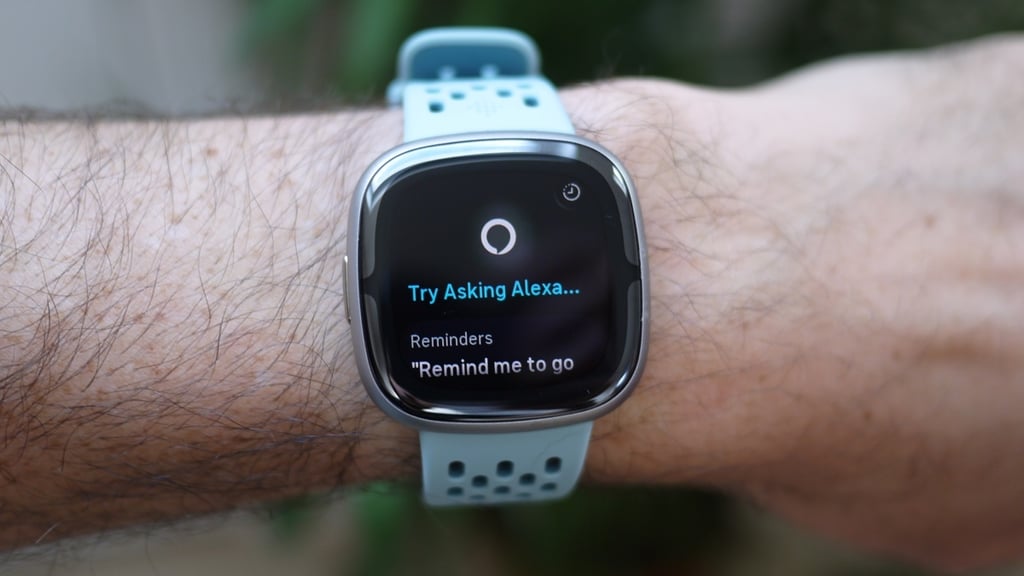
However, the Sense 2 has shortcomings as a smartwatch, making the Pixel Watch's launch a timely intervention for Fitbit.
There’s limited app support. That means there’s very little that can be added to the smartwatch in terms of features.
We also found the watch face selection to be both poor and ridiculously clunky to implement. Changing the watch face is akin to putting the watch through a huge voluntary update. And many of the faces in the gallery are paid-for options.
We also found that some navigational elements of the Fitbit OS are a little annoying to use. Menus are a tad sluggish, and we found some mispresses can easily send you back to the watch screen or accidentally pause workouts.
Likewise, the always-on display worked well, but we found the wrist raise to wake the screen into full power mode was a little fiddly and sometimes didn’t register.
There are plenty of compromises here, but it’s a passable smartwatch performance overall.
Long battery
One of the key selling points of the Fitbit Sense 2 is its battery life, and, as standard, you can expect around a week between charges. That was borne out in our testing, and we easily achieved the six days quoted by Fitbit.
However, if you do choose the always-on display, this will be limited to around three days. We have slightly criticized the always-on display and the wrist-raise function—and, with the battery life impact, we’re not sure we fully endorse it.
Good workout partner
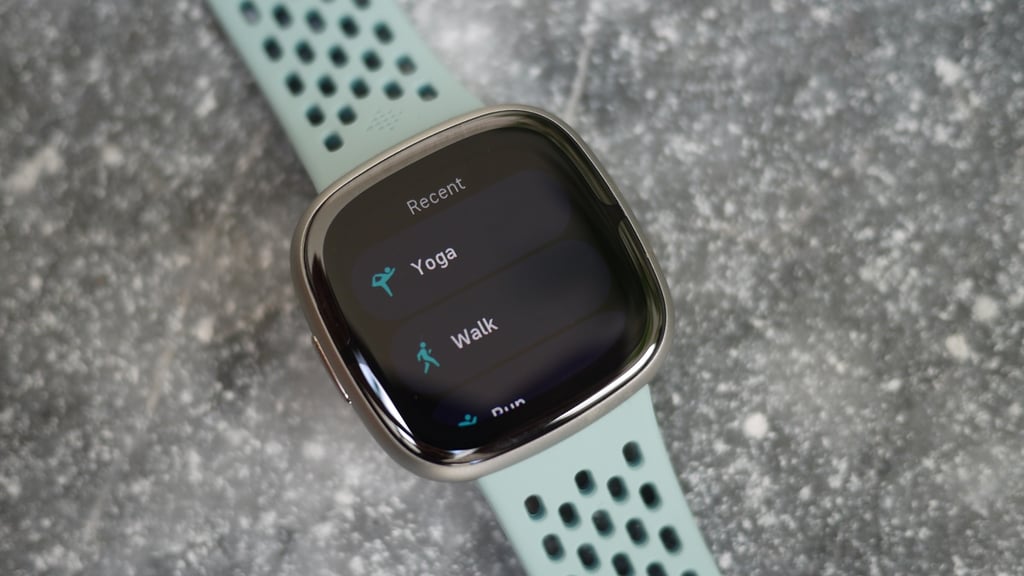
We found the Fitbit Sense 2 has been a decent partner for workouts, with runs and yoga tracked well.
While out on runs, there’s not a huge amount of data, but it’s easy to read on the bright AMOLED display, and those fields are customizable.
We got a GPS lock quickly, and runs came up generally accurate—although a short 7km run came up 200m short.
On closer inspection, it was obvious that the Sense 2 suffered from significant wandering of the GPS signal throughout the run (in a largely residential area). We compared these results to the Apple Watch Ultra’s multiband GPS, which has aced accuracy tests.
Analysis of runs is fairly comprehensive, with split times, heart rate zones, and elevation all tracked, and you can link Fitbit to services such as Strava for detailed evaluation.
You can also see VO2 Max estimates within the heart rate dashboard area. As it has been for many years, Fitbit’s estimate is significantly higher than Garmin’s, which we validated as the most accurate via a lab test.
It follows on from questionable accuracy on the Fitbit Charge 5 and indicates that the Sense 2 isn’t geared towards the best levels of running accuracy. It should be fine for most runners, but not those who crave the best feedback.