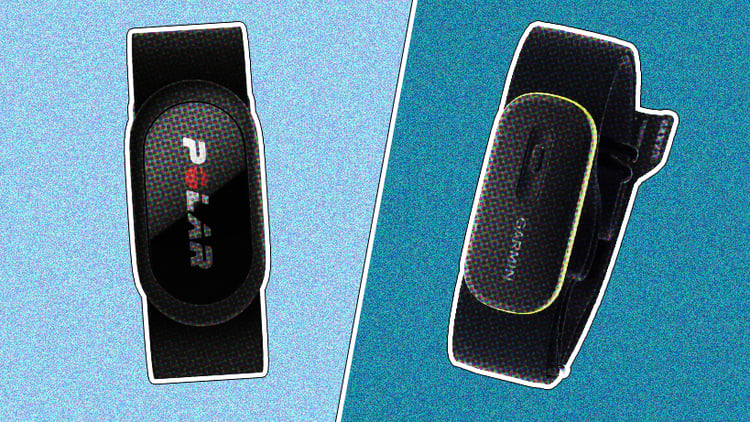
Two gold-standard chest straps enter. Only one gets our vote.
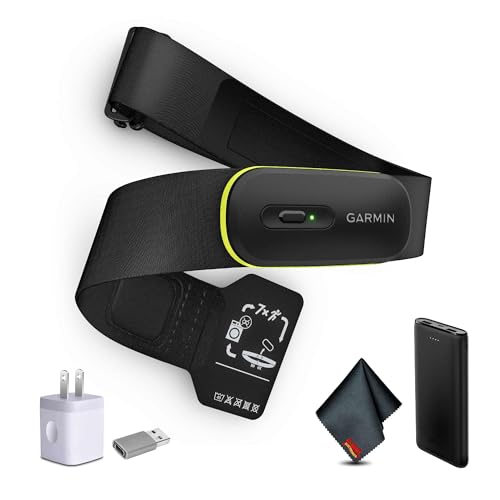
We’ve already reviewed Polar H10, and it made a strong impression. But it also left us wondering whether other chest straps could compete with H10. And after some digging, we think we found a real challenger, which would be Garmin HRM 600.
Why do we think it’s up for the competition? Well, if you gave one person HRM 600 and another H10, I doubt either would want to give theirs up or even switch. And honestly, I can see why. Both straps focus on heart rate tracking, but they each have their own approach.
Comfort, connectivity, advanced running metrics, app integration, and price all come into play. Since everyone values different features, people tend to pick sides in this comparison. So naturally, we thought: if we had to choose just one, which would it be? And that’s how we decided to test both to find out.
|
|
|
| Title | Polar H10 | Garmin HRM 600 |
| Sensor type | Electrical heart rate sensor (ECG) | Electrical heart rate sensor (ECG) |
| Battery | Replaceable coin cell | Rechargeable |
| Battery life | Up to 400 hours | Up to 2 months with 1 hour of use per day |
| Connectivity | Bluetooth, ANT+ | Bluetooth, ANT+ |
| Bluetooth connections | Up to 2 simultaneous connections | Up to 3 simultaneous connections |
| Water resistance | Up to 30m | 5 ATM |
| Internal memory | Yes | Yes |
| Compatible apps | Polar Flow, Polar Beat, and many third-party fitness apps | Garmin Connect. Also works with compatible third-party devices and fitness equipment |
| More info | Buy on Amazon | Buy on Amazon |
Polar H10 vs. Garmin HRM 600: Key differences
Before we dig into every little difference between Polar H10 and Garmin HRM 600, here are the main things we noticed while testing them.
Accuracy first vs. advanced training data
Polar H10 is mainly designed to give you heart rate data. That focus is also backed by research (will talk a bit more about it later), which adds more confidence when you’re using it for training.
Garmin HRM 600 is a bit different. It still tracks heart rate, but it also sends extra training data to your Garmin devices. Think of it less as just a heart rate monitor and more as an extra sensor for your Garmin setup.
Garmin ecosystem vs. broader compatibility
Even though HRM 600 can connect to different devices, it works best with a Garmin watch. That’s when you get extra running stats like ground contact time balance and step speed loss.
Polar H10, on the other hand, doesn’t rely as much on the device you use. Whether you connect it to a phone, sports watch, or something else, its main job is to give you heart rate data.
Simple heart rate tracking vs. a data-packed experience
We quickly noticed that H10 keeps things simple. It focuses on heart rate and related data, so it’s easy to use and understand.
HRM 600 offers more features. Serious runners might find the extra running stats helpful for learning about their movement. But if you mostly run, cycle, hike, or go to the gym and just want reliable heart rate data, those extra numbers might feel more like a bonus than something you really need.
Winner: Polar H10
Strap comfort during workouts
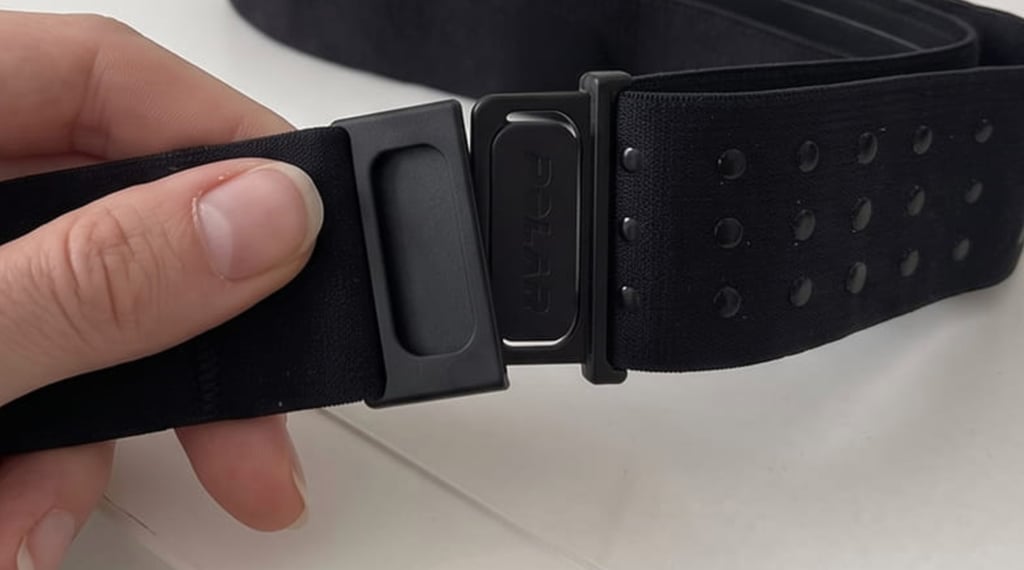
We’ll be honest right away: both Polar H10 and Garmin HRM 600 are comfortable to wear. We can’t say one is better than the other, so we’ll just share what we noticed when we first tried them and after some longer workouts.
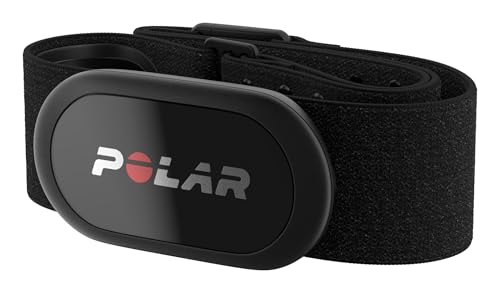
Starting with Polar H10, the first thing we noticed was how soft the strap felt. The strap sits comfortably and doesn’t squeeze your chest too tightly. If you move around, the non-slip silicone dots keep it in place. It feels almost glued to your skin, but in a good way.
Garmin HRM 600 feels very similar. We had no complaints when we first tried it, and after longer workouts, it was just as comfortable as H10.
We’ll just admit, there was one concern before we tried both chest straps. We have read that some women find certain straps can slip down or feel awkward, especially during exercise. Some newer models even have clips for attaching to a sports bra. But good news, neither of these straps really needs that. They both stay in place during running, cycling, and other workouts.
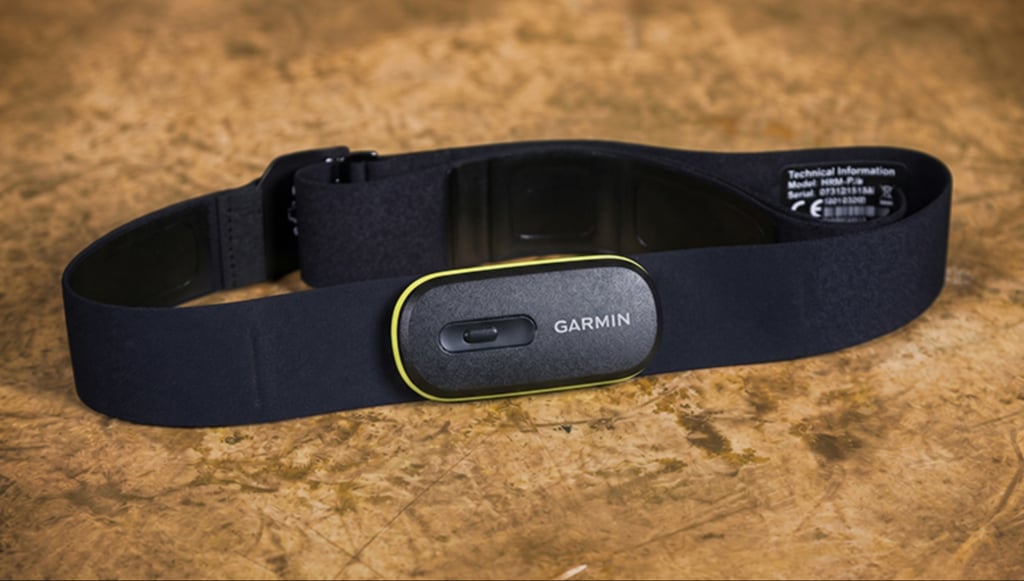
So, when it comes to comfort, I’d call it a tie. And honestly, that’s exactly what we want. After all, a chest strap isn’t much use if you can’t stand wearing it.
Winner: Draw
Which one is more accurate?
We can’t really crown one as the accuracy winner without running a full research study of our own. We are not going to do that, but we can share what we found from our own testing.
We noticed that both Polar H10 and Garmin HRM 600 react quickly when you pick up the pace or work harder. We didn’t see any lag, which sometimes happens with wrist-based heart rate monitors. That was a good start.
Eventually, we decided to make the comparison a little more interesting. So, some of us wore both straps at once, one above the other, and compared the numbers during the same workouts.
Surprisingly, the readings were almost the same. Sometimes one strap showed a slightly higher heart rate, but the difference was usually just 2 to 4 beats per minute. That said, we don’t think that’s a huge difference.
What does the research say?
No sensor is perfect, and even professional sports gear can have errors or drop-outs. Still, chest straps usually respond more quickly to changes in effort than other heart rate monitors, which is why people often choose them for more accurate workout tracking.
But what about these two straps? Is their accuracy backed by science? Here’s where it gets tricky.
We couldn’t find any published research that tested Garmin HRM 600 against a lab-grade ECG. Polar H10, on the other hand, has a different story.
In one study, researchers compared H10 with a 12-lead ECG in 25 active adults, both at rest and during harder cycling. Polar H10 matched the ECG closely for heart rate and RR intervals, even during tough exercise.
That doesn’t mean H10 is always more accurate than HRM 600 in daily use. Still, knowing H10 has been tested against a clinical device gives us more confidence in its readings.
Setting your heart rate zones
We first noticed this feature while testing HRM 600 and liked it enough to see if H10 could do it too. Good news, it can.
Basically, heart rate zones are helpful because two workouts might look the same but have different goals. For example, an easy run can build endurance, while a harder session might focus on aerobic fitness.
You can set your zones in Garmin Connect or Polar Flow by changing the settings. Once set up, your watch or app will show you which zone you’re in during a workout.
Winner: Polar H10
Training data and other features
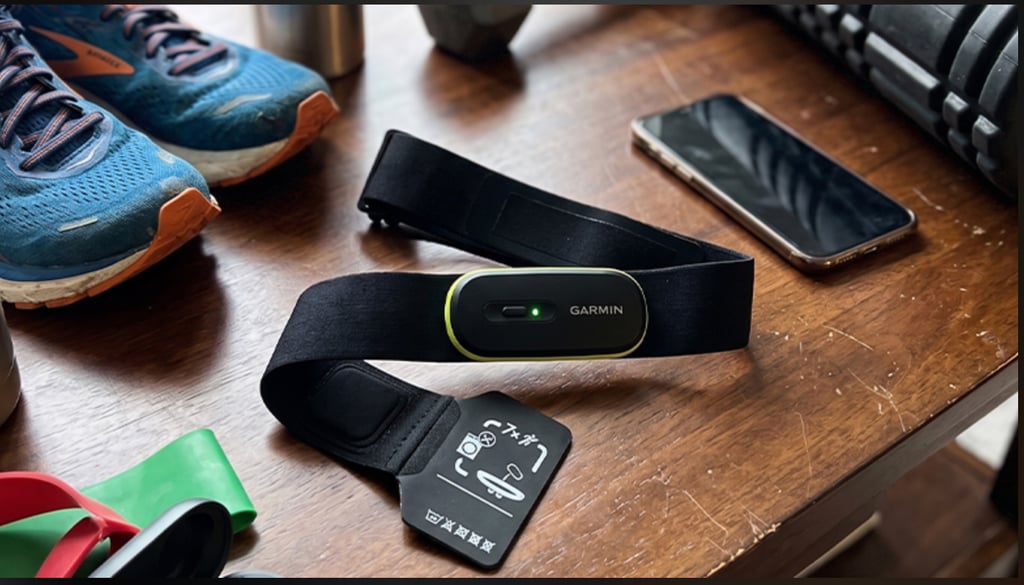
Polar H10 keeps things simple when it comes to training data. You won’t see endless tables or numbers. With Polar Beat, you get the basics like heart rate, RR intervals, and movement data. If you want more details, Polar Flow gives you a broader view of your training, especially if you also use a Polar watch.
The Garmin ecosystem, however, offers even more, especially when you pair HRM 600 with a compatible Garmin watch. That’s when the strap really stands out. If you’re training for a marathon or working on your running form, Garmin adds two extra metrics that are helpful.
The first is ground contact time balance (GCT balance), which checks how long each foot stays on the ground and whether one side is working harder. This may help you see if your running is imbalanced.
The second is step speed loss (SSL). It might sound complicated, but it’s simple: every time your foot lands, you lose a bit of speed before pushing off again. SSL shows how much speed you lose at that moment, with HRM 600 measuring it at your chest in centimeters per second.
No button vs. button
This might seem like a small detail, but it can make a big difference.
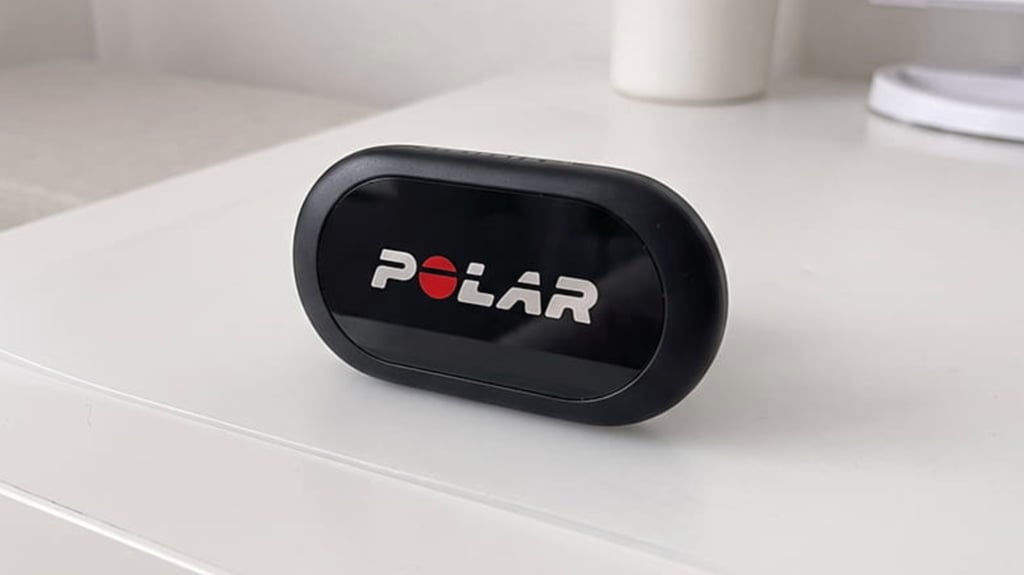
Polar H10 turns on when you snap the sensor onto the strap. The downside is that if you forget to disconnect it after your workout, the battery keeps running.
Garmin HRM 600 works differently. Attaching the pod doesn’t turn it on automatically because you have to press the button. Even better, if it doesn’t detect a heartbeat for two minutes, it turns itself off.
So, if you often toss your sweaty strap into a gym bag and forget about it for a few days, Garmin’s system is more convenient.
Memory for phone-free workouts
Both straps have internal memory, so you can leave your phone in the locker and still record your workout. This is especially useful for running outside, swimming, or any time you don’t want to carry another device.
We see this as an important feature to mention, not just a bonus, since some sensors on the market lack it.
Winner: Garmin HRM 600
Battery life
When it comes to battery life, these two are very different, and which one you prefer really comes down to your training habits. Let’s see why.
Polar claims H10 battery lasts up to 400 hours, which could be about a year for many users. We haven’t been able to put that claim to the ultimate test yet, but so far, our H10 has lived up to its promise and is still going strong.
Then there is Garmin HRM 600, which uses a rechargeable battery. The company says it can last up to two months if you use it for an hour each day. In reality, though, your mileage may vary.
For example, keeping the LED indicator on during workouts will use more battery. But there’s also a battery-saving mode to help it last longer.
In our experience, we found ourselves charging HRM 600 roughly every four to five weeks. That’s still pretty good for a rechargeable chest strap, and we liked not needing to keep extra coin-cell batteries.
However, if you don’t want to charge another device every month, Polar H10 might be better for you since its coin-cell battery lasts longer between changes. Unless you leave H10 attached to the strap constantly and accidentally let it drain. Then we have a different story.
Winner: Polar H10
Other heart monitor reviews:
- Best chest strap heart rate monitors: Tested for accuracy and performance
- Best Bluetooth heart rate monitors: Our favorite picks for running, cycling, and indoor training
- Best heart rate monitors: Chest straps, watches, and rings we trust
Verdict: Polar H10 or Garmin HRM 600?
To be honest, we like both of these chest straps. Each has its own personality and appeals to slightly different people.
And, jokingly enough, what I said in the introduction actually happened. Once our team members picked their favorite, nobody wanted to budge. Some chose Garmin, others preferred Polar.
But at the end of the day, we had to pick a winner, and we chose Polar H10. The main reason is simple. A chest strap’s main job is to track your heart rate reliably, and H10 does exactly that.
It also has solid research support, a long battery life, internal memory, and works with other devices. That said, we are not saying Garmin doesn’t deserve to be picked. It’s still a great sensor and will definitely find its buyer.
With this in mind, we decided to describe in which case scenario each chest strap is best for:
Choose Polar H10 if you want reliable heart rate tracking, long battery life, wide device compatibility, or a simple strap that works well for running, cycling, gym sessions, and other workouts.
Go with Garmin HRM 600 if you’re a serious runner, already have a Garmin watch, and want extra running metrics like ground contact time balance and step speed loss. The rechargeable battery and automatic shut-off are also helpful if you tend to forget to turn things off, as we do.