Best Bluetooth heart rate monitors: Our favorite picks for running, cycling, and indoor training


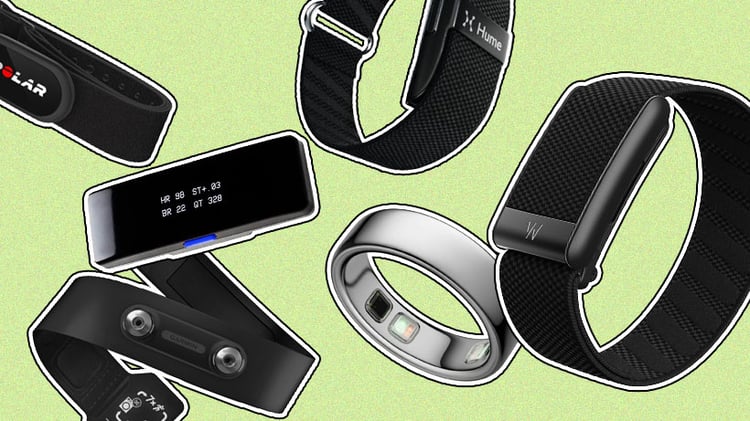
We tested popular Bluetooth heart rate monitors to find the ones that stay accurate, comfortable, and reliable across activities
Even with smartwatches everywhere, a dedicated Bluetooth heart rate monitor still wins when accuracy and consistency matter. Chest straps lead the pack for precision, while optical armbands offer a comfortable, strap-free alternative that’s plenty reliable for most workouts. Runners, cyclists, gym-goers, and Zwift users benefit most: you get clean data that feeds your favorite apps without the lag or dropouts you sometimes see from wrist sensors.
Many of today’s top heart monitor models support both Bluetooth and ANT+, so they pair easily with phones, watches, and indoor trainers alike. In today’s world of options, our picks come from hands-on testing focused on real-world accuracy, comfort over long sessions, battery life, app compatibility, and overall usability. There’s no single “best” option for everyone—the right Bluetooth heart rate monitor depends on your training style, sport, and how you like to wear your gear. Find out more about heart rate monitors and choose the one that fits you.
Quick picks: Best Bluetooth heart rate monitors
- Hume Band 2.0: Best for all-day wellness tracking
- WHOOP 5.0: Best for sports recovery
- Oura Ring 5: Best for instant insights
- Garmin HRM 200: Best for accurate chest-based readings
- Polar H10: Best for all-purpose activity
- Frontier X2: Best for live ECG insights
How we evaluate Bluetooth heart rate monitors
We put each Bluetooth heart rate monitor through the same real-world gauntlet we’d use for our own training. The baseline is accuracy: we compare readings against heart rate monitoring references and trusted chest straps during steady runs, hard intervals, and threshold efforts. Responsiveness is another big factor in our testing, as laggy data ruins pacing and zone work. We test Bluetooth stability and the ability to hold dual Bluetooth connections, plus ANT+ compatibility for riders and multi-sport users. Comfort gets heavy scrutiny: straps must stay put and feel good over long sessions, while armbands shouldn’t chafe or slip. We also check battery life across weeks of mixed use, and companion apps are judged on clarity, reliability, and export options. Finally, we verify pairing with popular sports watches and fitness apps, assess build quality and durability, plus weigh performance against price to establish overall value.
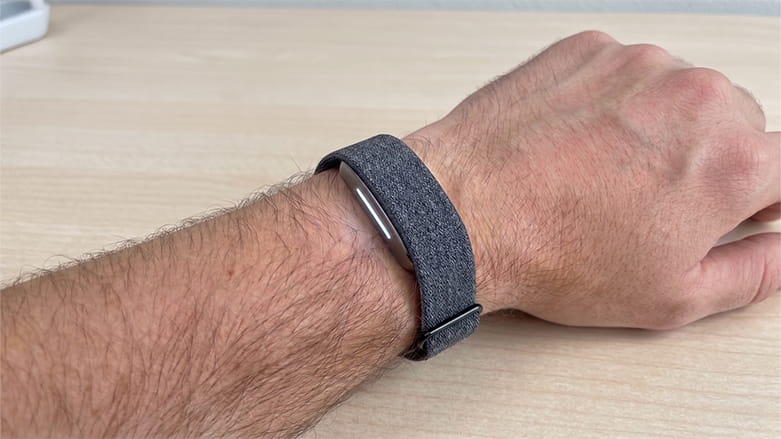
Hume Band 2.0: Best for 24/7 health and recovery tracking
| Sensor type | Optical PPG (5 LEDs, 4 photodiodes) |
|---|---|
| Bluetooth | Yes (Bluetooth 5.x) |
| ANT+ | No |
| Battery life | Up to 14 days (real-world 5–10 days for many users) |
| Water resistance | IP68, water-resistant up to 1 meter for up to 2 hours |
| Weight | ~22g (band plus module) |
After wearing the Hume Band 2.0 through workdays, workouts, and sleep, it felt less like a fitness tracker and more like a quiet health companion. Heart rate tracking is smooth during steady movement and daily life, giving trustworthy trends for resting HR, HRV, and recovery. During all-out intervals, it can trail a chest strap by a few beats, but it’s more than adequate for zone-based cardio and strength sessions.
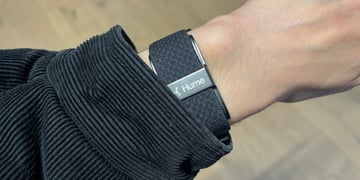
The upgraded UltraLux strap is genuinely comfortable—soft, breathable, and easy to forget you’re wearing it, even overnight. And this is not a one-day impression; I’ve been wearing the band for weeks, proving to stay comfortable throughout.
Beyond comfort, the setup experience is equally straightforward. Pairing with the Hume Health app is quick and stable, though the band doesn’t broadcast to gym equipment or sports watches due to the lack of ANT+ and dual Bluetooth.
Battery life is impressive if you don’t over-sync, because heavy app use will trim it toward the 5–7 day mark. Standout features include continuous stress and recovery scoring, sleep staging, and skin temperature trends. It’s best for those who want a holistic health wearable first and a workout tracker second.
- All-day and overnight comfort
- Strong battery life with moderate syncing
- Rich health and recovery insights
- Reliable app pairing and setup
- No ANT+ or dual Bluetooth for live workout broadcasting
- Occasional HR lag in high-intensity efforts
- Limited integration with third-party fitness apps and watches
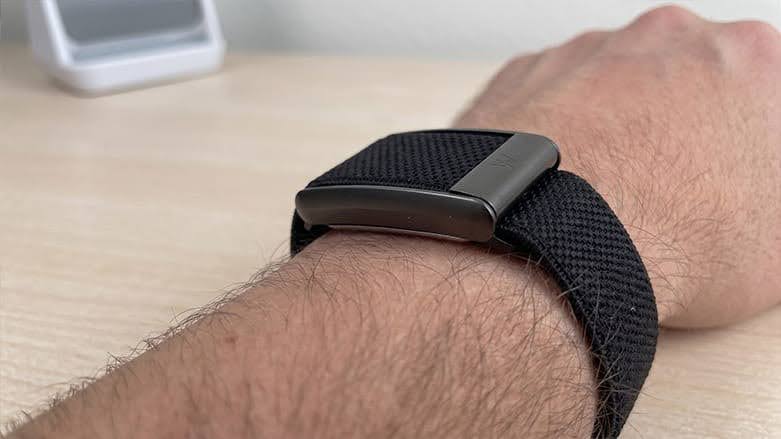
WHOOP 5.0: Best for recovery-focused athletes and non-stop strain tracking
| Sensor type | Optical PPG (upgraded multi-LED array, 26Hz sampling) |
|---|---|
| Bluetooth | Yes (BLE heart rate broadcasting) |
| ANT+ | No (requires external converter for ANT+ devices) |
| Battery life | Up to 12–14 days (varies with HR broadcast and usage) |
| Water resistance | IP68 / 10ATM (shower, swim, and saltwater safe) |
| Weight | ~27g (band plus sensor module) |
Wearing the WHOOP 5.0 through training blocks, travel, and sleep felt like it’s a coach that quietly watches your recovery more than your splits. Heart rate readings are consistent during steady runs, rides, and gym work, especially when worn on the bicep. That said, it can drift or lag during high-impact or wrist-heavy intervals compared to a chest strap.
Comfort, though, is excellent: the smaller, lighter body disappears under sleeves and doesn’t rub at night. Pairing is seamless in the WHOOP app, and Bluetooth heart rate broadcasting works well with most phones, Zwift, and gym machines, though the lack of native ANT+ means extra steps for some bike computers.
Battery life is strong when HR broadcast is off, but heavier use can shrink it to about a week. But beyond hardware, extras include daily Strain and Recovery scores, HRV trends, sleep staging, and cycle tracking. It may be best suited for athletes who prioritize recovery insights and all-day wear over live workout precision.
- Outstanding 24/7 comfort
- Reliable Bluetooth HR broadcasting to apps and gym gear
- Deep recovery, strain, and sleep analytics
- Solid 10–14 day battery with moderate use
- No native ANT+ support
- Heart rate can lag in high-impact or wrist-heavy efforts
- Requires subscription for full data access
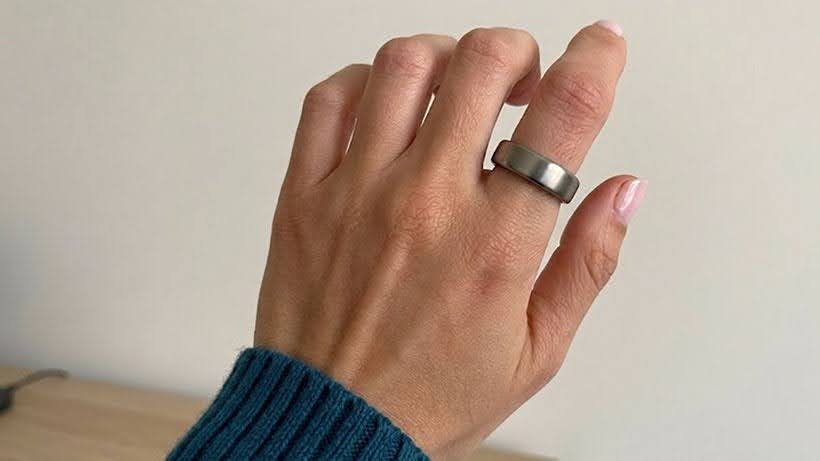
Oura Ring 5: Best for sleep, recovery, and on-demand health insights
| Sensor type | Optical PPG (red, green, infrared LEDs; 12 signal pathways) |
|---|---|
| Bluetooth | Yes (BLE 5.0; no native heart rate broadcasting to gym gear) |
| ANT+ | No |
| Battery life | 6–9 days per charge |
| Water resistance | IP68 / 100m (shower, swim, sauna safe; not for diving) |
| Weight | ~2–2.7g (varies by size) |
Wearing the Oura Ring 5 feels like slipping on a quiet wellness mentor that never leaves your finger. Heart rate tracking is excellent both overnight and during daily life, giving clean trends for resting HR, HRV, and recovery. In workouts, the new Live Activity mode improves real-time data, though the ring still lags behind a chest strap during fast intervals or heavy wrist movement.
Comfort with Oura Ring is unbeatable. The ring’s slim titanium body disappears under gloves and doesn’t snag on clothes. Pairing with the Oura app is rock-solid, though the ring doesn’t broadcast heart rate to bikes or treadmills and lacks ANT+.
Battery life reliably hits a week on average, even with the smaller cell. But it’s not battery life that stands out. Features include sleep staging, readiness scores, temperature trends, and cycle insights. It’s best for users who want a discreet, 24/7 health tracker focused on recovery rather than a dedicated workout heart rate monitor.
- Excellent comfort for 24/7 and sleep wear
- Strong overnight and daily heart rate accuracy
- Week-long battery in a tiny titanium body
- Deep recovery, sleep, and temperature insights
- No native heart rate broadcasting to gym equipment
- No ANT+ support
- Workout heart rate can lag during high-intensity efforts
Garmin HRM 200: Best for reliable, no-fuss chest strap accuracy
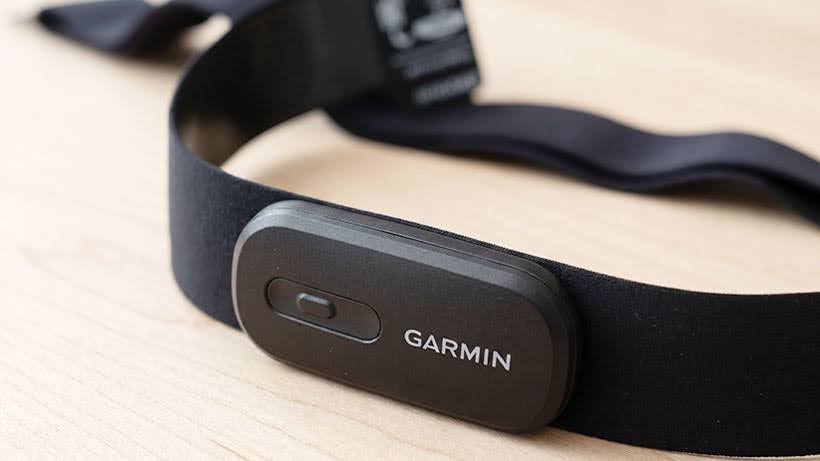
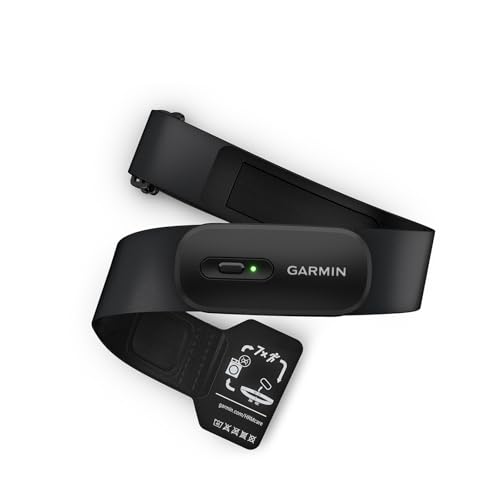
After weeks of wearing the HRM 200 on runs, rides, and gym days, it’s the chest strap we reach for when we just want data we can trust. Heart rate accuracy felt reliable across steady efforts and intervals, with HRV readings that line up well against pricier straps. Comfort is good for a chest strap: the soft, adjustable band stays put once snug, and the machine-washable strap keeps things fresh.
Pairing is super seamless with Garmin watches, bike computers, and most fitness apps over both Bluetooth and ANT+, though it doesn’t store data offline. The real upside, though, is battery life—pop in a CR2032 and forget it for a year.
That said, some obvious limitations are there: no running dynamics, no advanced metrics, and the LED status light can be faint in bright sun. It’s ideal for sports and wellness enthusiasts who want accurate, dependable heart rate without extra features or subscription apps.
- Excellent heart rate and HRV accuracy
- Dual ANT+ and Bluetooth connectivity
- Year-long battery with user-replaceable CR2032
- Comfortable, adjustable, machine-washable strap
- No running dynamics or advanced metrics
- LED status light can be hard to see outdoors
- Chest strap feel may be less comfortable than optical armbands
Polar H10: Best for accuracy-obsessed athletes and multi-sport training
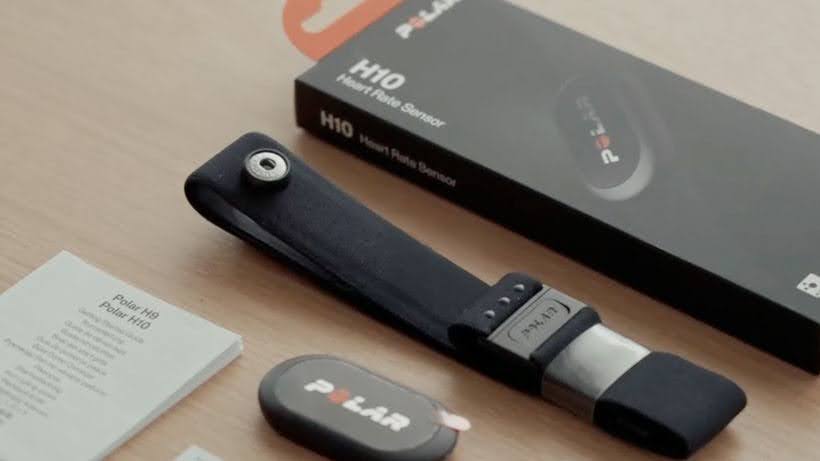
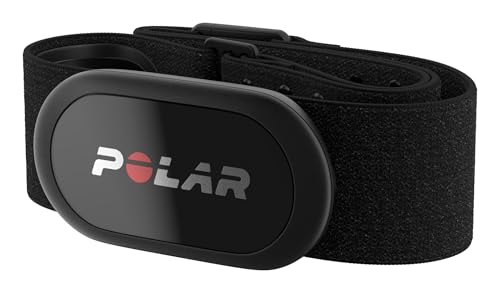
After logging hundreds of miles with the Polar H10, it remains the chest strap we trust when every movement counts. Heart rate accuracy is good across easy runs, threshold intervals, and long rides, with HRV data that lines up closely with clinical ECG references. Comfort is better than most straps, too. The soft textile band stays secure without digging in, even during sweaty sessions and open-water swims.
Pairing is rock-solid over both Bluetooth and ANT+, connecting easily to watches, bike computers, and gym machines, while the built-in memory lets you record a session without a phone nearby. Battery life consistently delivers months of regular use, though heavy multi-device streaming can cut that toward six months.
Limitations are minimal but real: no running dynamics, and the strap will eventually wear and need replacing. It’s best for serious data-obsessed athletes and coaches who want the most reliable heart rate and HRV for training, racing, and recovery.
- Industry-leading heart rate and HRV accuracy
- Dual Bluetooth and ANT+ with two-device pairing
- Swim-proof to 30m; great for triathlon and pool work
- Internal memory for phone-free session recording
- No advanced running dynamics metrics
- Chest strap comfort may not suit everyone
- Strap lifespan varies; may need replacement sooner than the sensor
Frontier X2: Best for continuous ECG and heart-safe training
| Sensor type | ECG chest strap (electrode-based) |
| Bluetooth | Yes (BLE 5.0, up to 3 concurrent connections) |
| ANT+ | No |
| Battery life | ~24 hours continuous / 12–15 days at 1 hour/day |
| Water resistance | IP68 (1.5m; swim-safe) |
| Weight | ~25g sensor / ~55g with strap |
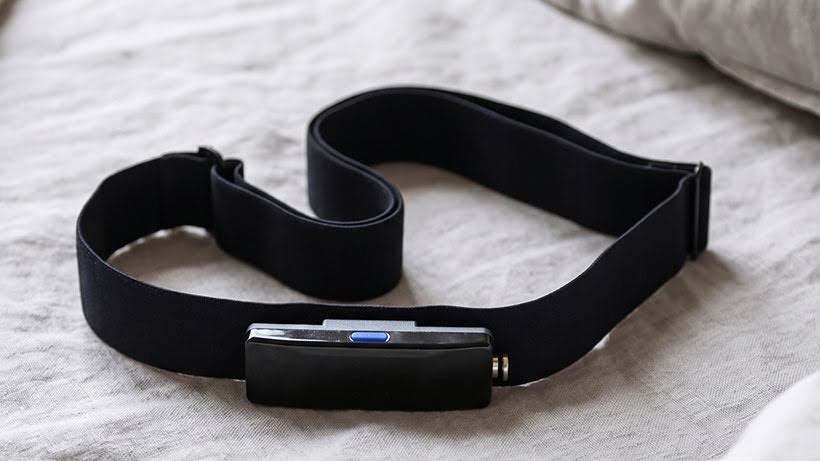
Wearing the Frontier X2 showed its heart rate accuracy to be fair across runs, rides, and intervals. Add to that the benefit of continuous ECG tracing that you can review later or share with a clinician. Comfort is decent for a chest strap, though the slightly bulkier sensor module is noticeable compared to more minimalist straps.
Workout experience is catchy thanks to real-time vibration alerts for overexertion, plus metrics like cardiac strain, breathing rate, and HRV. Pairing over Bluetooth is reliable with most phones, watches, and apps, but the lack of ANT+ limits use with some bike computers and gym machines.
Battery life is strong for daily training blocks, though all-day ECG monitoring requires frequent charging. It’s best for health-conscious people who want ECG-grade insights and safety alerts, not just basic heart rate.
📢 LIMITED OFFER: Use code DEAL30 for 30% OFF
- Continuous ECG recording with real-time alerts
- Highly accurate heart rate and cardiac strain data
- Bluetooth 5.0 with multi-device pairing
- Swim-safe IP68 rating
- No ANT+ support
- Larger sensor module less comfortable for all-day wear
- Shorter battery life in continuous ECG mode
Heart rate monitors compared
Chest strap vs optical Bluetooth heart rate monitors
Chest straps and optical Bluetooth heart rate monitors serve different priorities. Optical sensors (found on bands, rings, and watches) use light to track blood flow, enabling continuous monitoring and 24/7 wear with minimal fuss.
Placement plays a role, as wrist and finger trackers are convenient but more affected by motion, while upper-arm bands and snug rings improve stability. Modern software algorithms smooth out noise and improve zone tracking, yet rapid changes in effort can still introduce lag.
Chest straps, by contrast, read the heart’s electrical signals directly, giving faster response and superior accuracy during intervals, sprints, and heavy lifting. Comfort and strap fit are the main trade-offs here. While some users dislike the chest pressure, others prefer it over armband squeeze or ring bulk.
For steady-state cardio and daily health trends, optical monitors shine, but for structured workouts, racing, and precise zone work, chest straps lead. Wrist movement remains the biggest weakness for optical trackers, especially in strength or racket sports. Finally, firmware updates can meaningfully improve optical performance over time, whereas chest straps tend to be stable out of the box with fewer updates needed.
What makes a good Bluetooth heart rate monitor?
A good Bluetooth heart rate monitor balances reliable data with everyday usability. Key factors that affect performance include:
- Sensor accuracy: ECG chest straps generally outperform optical sensors during rapid changes in effort, while quality optical designs excel for steady-state and daily tracking
- Bluetooth reliability: Stable connections prevent dropped data and ruined workouts, especially in crowded gyms or indoor training spaces
- Electrode quality: For chest straps, consistent contact and high-quality electrodes maintain signal clarity as sweat levels change
- Fit and strap comfort: A secure, non-chafing fit encourages regular use; a “perfect” spec sheet means little if the strap slips or irritates
- Battery life: Should match your training load—months on a coin cell for casual users, or a week on a rechargeable for frequent multi-hour sessions
- Waterproofing: Protection against sweat, rain, and pool sessions extends real-world lifespan and usability
- Firmware updates: Regular updates can improve accuracy, connectivity, and battery management over the device’s lifetime
- Multiple device pairing: The ability to stream to a watch, bike computer, and app simultaneously adds flexibility for multi-sport users
- Companion apps: Clear trends, smart insights, and easy data export matter more than raw numbers alone
- Durability: Strap elasticity, housing robustness, and corrosion resistance determine whether your monitor lasts seasons or just months
What to look for before buying a Bluetooth heart rate monitor
Before buying a Bluetooth heart rate monitor, match the design to your training style and device ecosystem. Key considerations include:
- Chest strap vs armband: Chest straps lead for accuracy and interval work; armbands and wearables suit comfort and all-day use
- Bluetooth only vs Bluetooth + ANT+: Bluetooth-only works with phones and many watches; adding ANT+ improves compatibility with Garmin, COROS, and some bike computers
- Compatibility with Garmin, Apple Watch, Polar, COROS: Check each brand’s pairing rules and supported data fields to avoid surprises
- Zwift compatibility: Confirm stable multi-device streaming and native support for indoor training apps
- Battery type: Rechargeable cells reduce long-term cost and waste; coin-cell straps offer long life and quick swaps
- Rechargeable vs coin cell: Choose based on how often you train and whether you prefer regular charging or occasional battery replacements.
- Comfort: Soft, adjustable, and breathable materials make a big difference over long sessions
- Washable straps: Machine-washable or easy-to-clean straps help manage sweat and odor
- Replacement strap availability: Readily available spare straps extend the monitor’s usable life
- Water resistance: Look for ratings that cover sweat, rain, and pool use at minimum.
- Price: A basic, accurate strap often beats a flashy, unreliable one; pay for features you’ll actually use
Which Bluetooth heart rate monitor is right for you?
The right Bluetooth heart rate monitor depends on how you train and what you wear. If you mainly run outdoors or cycle indoors with Zwift, a dual Bluetooth + ANT+ chest strap gives the most reliable data for Garmin and COROS devices. Apple Watch users who want accuracy without a chest strap can pair a Bluetooth-only optical armband or use a compatible ring for daily trends.
Lifters and gym-goers often prefer optical options to avoid strap discomfort during upper-body work. For maximum accuracy in intervals, racing, or structured workouts, a quality ECG chest strap still leads. If you’re shopping on a budget, a basic Bluetooth chest strap delivers excellent value without extra metrics you may not need.
Other recovery and wellness reviews
Best ECG smartwatch: Tested for ECG-based efficiency
Best heart rate monitors: Tested straps, watches, and rings
Best fitness tracker: Tested for practical fitness goals
Heart rate monitors for Strava: Tested for effective Strava compatibility
Final verdict
For most users in our lineup, the Hume Band 2.0 offers the best balance of 24/7 comfort, solid daily heart rate tracking, and rich health insights, making it our top overall pick. Recovery-focused athletes will prefer the WHOOP 5.0 for its strain and recovery ecosystem, while Oura Ring 5 suits those who want discreet, sleep-first tracking.
If you need a no-fuss chest strap, the Garmin HRM 200 delivers dependable accuracy at a great value. The Polar H10 remains the gold standard for precision and multi-sport use, and the Frontier X2 is ideal for anyone prioritizing continuous ECG monitoring.
References
-
National Center for Biotechnology Information.
-
National Center for Biotechnology Information.
-
Frontiers.
-
National Center for Biotechnology Information.
-
National Center for Biotechnology Information.