Two devices, two completely different experiences—here are our recommendations on how to choose one
Once you decide to get a vagus nerve stimulation (VNS) device, the next question is: which one should you buy?
Pulsetto and Sensate are very popular picks, especially if you’re new to health tech. Both aim to help with stress, nervous system regulation, relaxation, and sleep.
Yet they work pretty differently. Pulsetto is a transcutaneous vagus nerve stimulator, while Sensate is marketed as a “toning” device—mostly because its effect on the nerve itself is unclear.
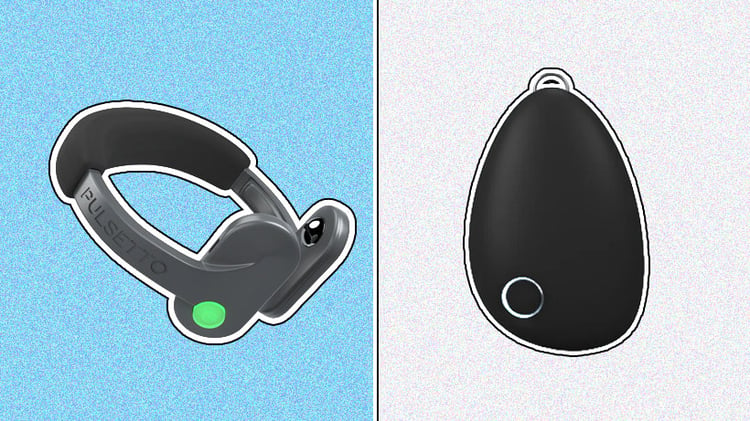
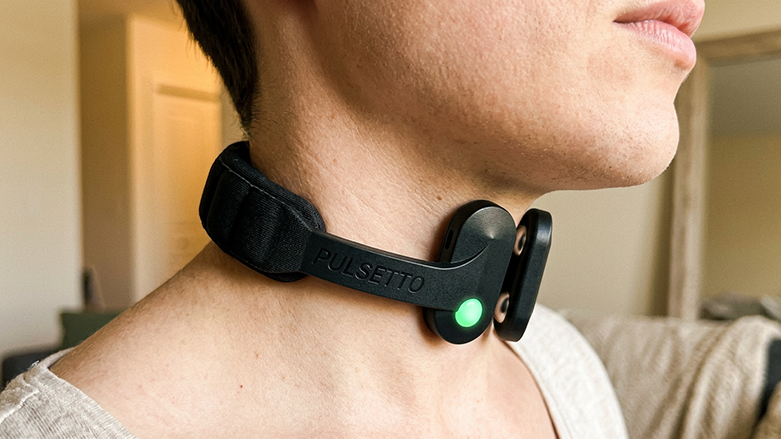
Pulsetto is worn around the neck with electrodes placed where your vagus nerve runs. It sends gentle electrical pulses that feel a bit odd at first, but may help with nervous system regulation over time.
Sensate goes on your chest, so it doesn’t directly reach the vagus nerve. Also, unlike Pulsetto, it uses vibrations, so you’re more likely to feel calm and relaxed right away.
If either sounds like a worthy option to explore, keep reading our Pusletto vs. Sensate review. We break down who might benefit from which device, how they fit into your everyday routine, and other in-depth specifics.
| Specs | Pulsetto Lite | Sensate |
| Price | $269.00 | $299 |
| Technology | Sends electrical pulses | Uses vibrations + sounds |
| Placement | Neck | Chest |
| Best for | People who want transcutaneous vagus nerve stimulator | People who like mindfulness and meditation |
| Official website | Visit Pulsetto | Visit Sensate |
Technology: How Pulsetto and Sensate differ
Pulsetto and Sensate take very different approaches to stress relief. Pulsetto Lite works as a more direct nervous system-focused device, while Sensate leans into mindfulness and guided meditation for in-the-moment stress management.
To figure out which might work better for you, you need to understand what each one actually does. So we looked into the science behind both and what the devices claim they can deliver.
Technology behind Pulsetto
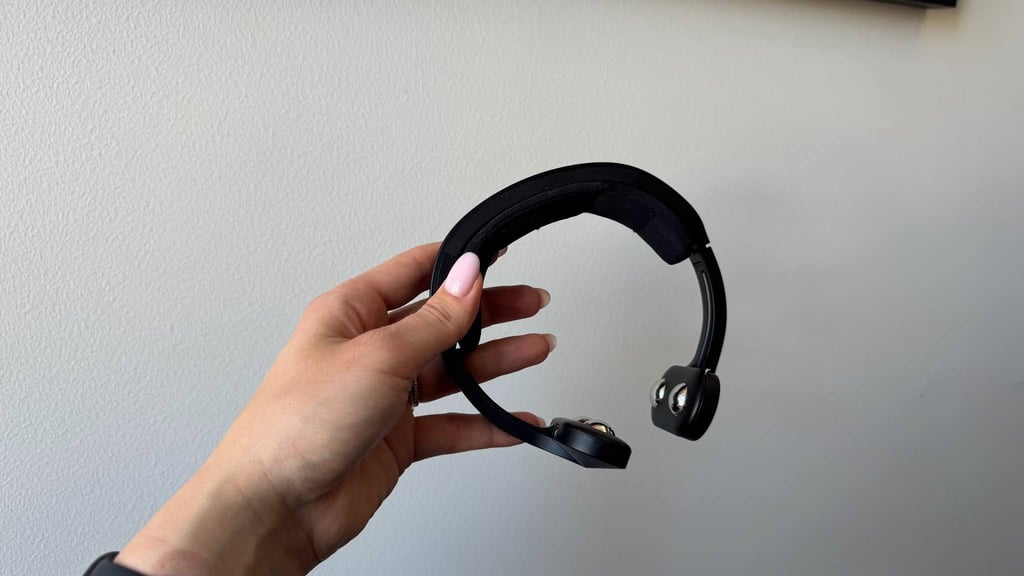
Pulsetto is a non-invasive transcutaneous cervical vagus nerve stimulation (tcVNS) device—basically a sleek, modern choker necklace that sends electrical pulses to your vagus nerve.
The idea is that stimulating the vagus nerve may help shift you into longer-lasting parasympathetic states, where your body relaxes and supports stress resilience. As at-home vagus nerve devices have become more common, research on tcVNS has also grown.
Studies on non-invasive VNS (including tcVNS) suggest it may have a positive impact on stress-related psychiatric conditions. Scientists have reported enhanced parasympathetic activity, better cardiovascular function, reduced inflammation, and effects on brain areas tied to memory, mood, and focus.
Safety
Non-invasive VNS devices are generally safe for most people to use at home. However, skip Pulsetto or other similar devices if you:
- Have a pacemaker or other implanted electronic devices
- Have metal implants in the head, neck, or heart
- Have a history of heart conditions
- Have sleep apnea
- Are pregnant
- Are under 18
Technology behind Sensate
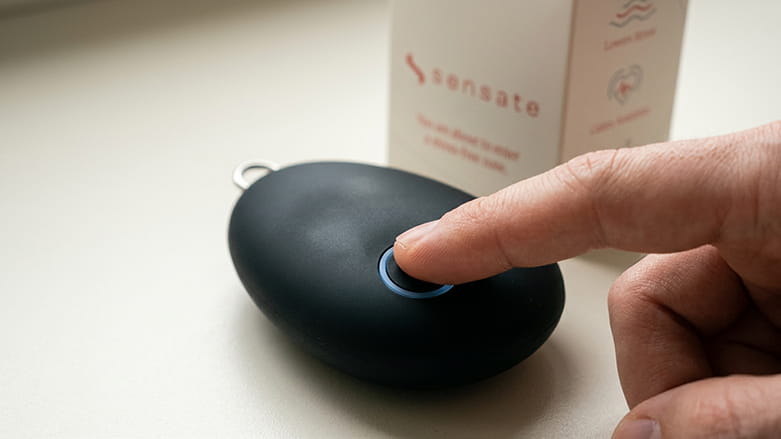
Sensate isn’t actually a vagus nerve stimulation device in the traditional sense. It still aims to relieve stress and promote relaxation, but uses a completely different method—one that doesn’t directly target the vagus nerve at all.
That’s the key issue we have with Sensate: it’s marketed as affecting your vagus nerve, yet there’s no real evidence it does. Instead, you hold it against your chest, and it sends vibrations synced to audio from the companion app.
As for research, we found mentions of a small clinical trial where participants reported feeling more relaxed and less stressed after 14 days of regular use.
That sounds good in theory, but there are some big limitations you should keep in mind: the study was funded by the company, had only 25 participants, and lasted just two weeks. Plus, the results were all self-reported feelings—so while Sensate might help you feel calmer in the moment, there’s no proof it creates lasting changes to your nervous system.
Safety
Since Sensate uses only low-frequency vibrations, it shouldn’t cause serious side effects for most people. Still, consider checking with a healthcare provider before using it if you have:
- Irritated skin
- Open wounds
- Sensory sensitivity
- You’re underage
Winner: Pulsetto Lite
Pricing, subscriptions, and long-term value
Pulsetto: Great value-to-feature balance
Pulsetto Lite is currently priced at $269.00, and you can often find discounts to bring its price tag down further. That makes it relatively budget-friendly upfront.
You also get a 2-year warranty and a 30-day risk-free trial. We think these protections really matter—they let you try the device and change your mind if it’s not for you.
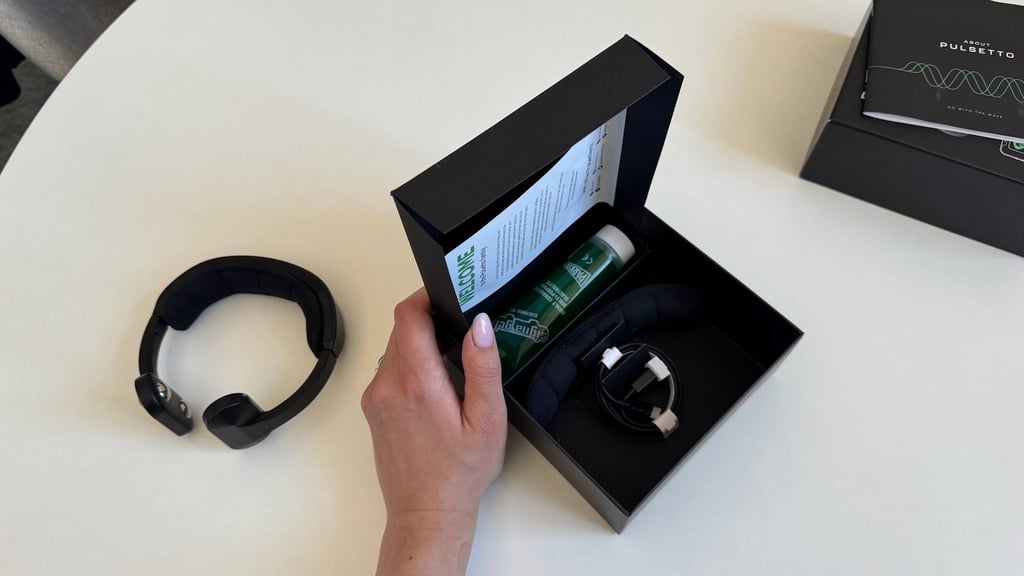
The actual catch is recurring costs. You’ll need conductive gel, which is required for the device to work properly. The first purchase includes a gel bottle—it lasted around a month for us. After that, you’ll need to keep buying refills, and the costs add up over time.
There’s also an optional premium app subscription at $139.00 per year (or $10.75 per month). You get a 7-day free trial first, then you need to either cancel or pay.
But here’s the thing—the free app version works fine on its own. The premium has more session modes and integrates with wearables like WHOOP, Garmin, and Oura Ring, yet it’s not a need-to-have in our experience.
Sensate: Valuable bundles
Sensate is currently priced at $299. Though, we do recommend getting the Sensate Plus Pack bundle at $279.00, since it includes a 1-year app subscription.
There’s also a bundle deal for two Sensate devices with separate 1-year subscriptions, which may work well if you’re looking to gift one to someone else. Also, for peace of mind, the brand offers a 1-year warranty and a 90-day money-back guarantee.
The app subscription is technically optional, but in this case, we believe it’s really worth the additional $49.99 a year. The device relies on soundscapes and guided sessions, and without them, the experience gets repetitive and boring fast.
Winner: Draw
Everyday usability
In our experience, Pulsetto Lite has a convenient design for sessions, but the sensation isn’t the most soothing. Since it sends electrical pulses to your neck, if you set the intensity too high, it feels quite uncomfortable. So, don’t make the mistake we did, and start with the lowest intensity, gradually adjusting it as you go.
However, sessions are very straightforward: apply some conductive gel onto your neck, put on the band, pick the program, and adjust the intensity level on your phone app. You’ll get a notification when the session is done, so during that time you can do other things. Still, the brand recommends relaxing or meditating to get the most out of the experience.
Pulsetto requires real commitment. Sessions run 4–10 minutes and should be done consistently twice a day. Potential changes related to resilience and nervous system regulation may take time, so you’ll have to stick with this routine to feel any potential effects.
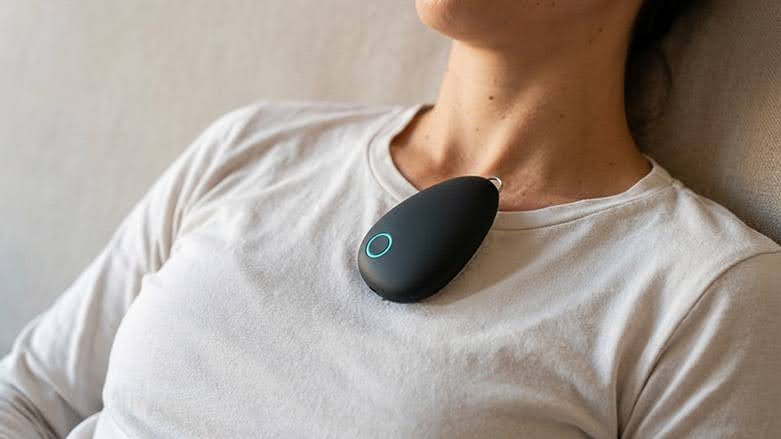
In comparison, Sensate is both convenient and soothing. The pebble-shaped design looks a bit odd, but since it comes with a lanyard, you can comfortably wear it around your neck.
The vibrations are truly comforting, and the soundscapes may help you relax in just a few minutes. Overall, the brand recommends 10-minute sessions whenever you feel like you need them.
Sensate doesn’t demand daily consistency like Pulsetto does, meaning you don’t have to change your routine to try to fit a session in every day. But if you’re an anxious person, this process might consume a lot of your time. Of course, whether that’s good or bad depends on you.
Winner: Draw
App experience
Both Sensate and Pulsetto heavily rely on their companion apps—they won’t work properly without them. That makes the app matter a lot when picking which device is right for you. That’s why we tested both, evaluating them from design to features.
Pulsetto Wellness
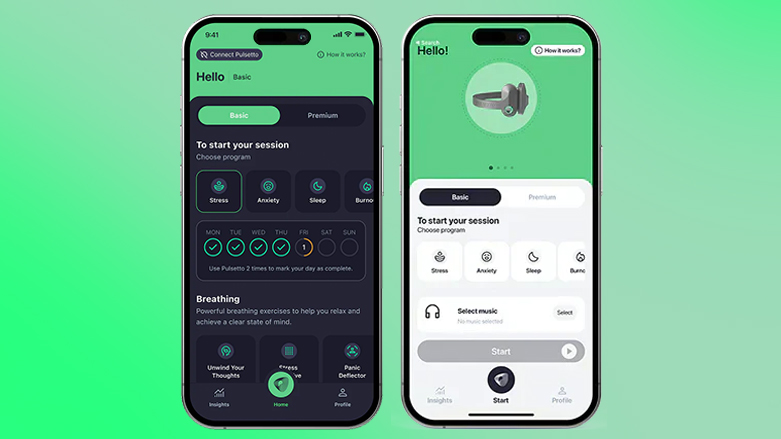
Pulsetto Lite and its newer FIT model both use the Pulsetto Wellness app. The first thing we noticed was the amount of positive feedback on both the App Store and Google Play platforms.
Most people, including us, found the app simple and intuitive to use. After connecting your device, you press Explore and can pick from five free modes (eight if you pay for premium). Once you start a session, the app walks you through adjusting intensity levels and next steps.
We also appreciated the design—it’s clean and aesthetically pleasing, with nice visual continuity to the Pulsetto device itself.
The downside is ads. They constantly pop up when you try to switch modes or access other features. Without the premium, most of what you'll see are prompts to upgrade. But honestly, every app does this now, so it’s nothing new.
Sensate: Stress/Anxiety Relief
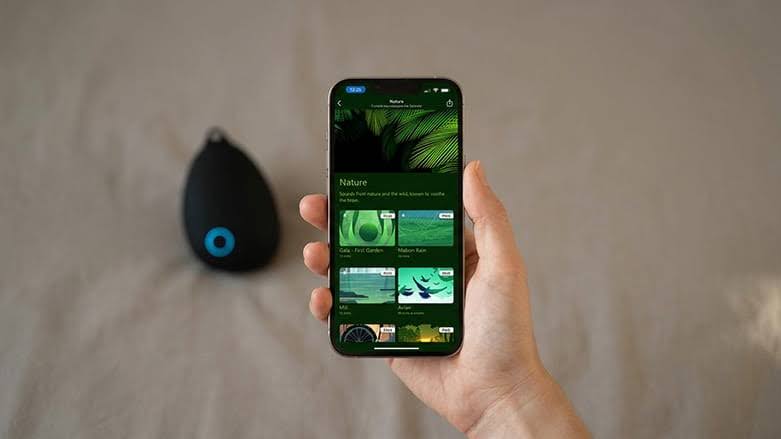
In Sensate’s case, it doesn’t work without the app at all. You’ll find it as Sensate on Google Play or Sensate: Stress/Anxiety Relief on Apple’s App Store.
The reviews are a bit of a mix, with some positives and negatives as well. People love the device but note the app is buggy and lacks free soundscapes.
Since we used the premium version, we actually thought the audio content was rather good. Sound quality was solid, and the soundscapes synced perfectly with the vibrations, creating this truly relaxing atmosphere.
That said, the interface feels disorganized. Sounds are sorted into categories, but they don’t always match where they’re put. The overall design is lacking, too. It’s not a bad app, but it’s not as polished as Pulsetto Wellness either.
Winner: Pulsetto Lite
Testing: Stress, sleep, and relaxation results
Our Wareable tester team approaches health tech with some healthy skepticism, and both Pulsetto and Sensate faced the same critical evaluation.
Besides that, keep in mind that nervous system regulation is subjective. Our experiences aren’t final verdicts on whether these devices will work for you or not. We always encourage you to consult your healthcare provider about any medical factors before trying either device.
Pulsetto vs. Sensate: Which is better for relaxation?
If we’re discussing immediate calmness and relaxation, without doubt Sensate wins this round.
Pulsetto Lite delivers a somewhat odd and ticklish sensation—some even found it uncomfortable. That’s why we don’t recommend using it before sleep to relax. You’ll likely find mornings and lunchtime more suitable, though don’t expect dramatic changes right after a session.
On the contrary, Sensate excels when you want to calm down. Our testers reported that using it before stressful meetings or bedtime helped them feel more relaxed. The trade-off is that the effect doesn’t last long.
Pulsetto vs. Sensate: Which feels more impactful?
While the team initially gravitated toward Sensate, we found that Pulsetto felt more serious long-term.
Sensate helped us feel calmer in the moment, but its effect eventually waned—we adapted to the vibration and got bored with the soundscapes. We still value it as a great mindfulness tool before sleep, but we’re just not impressed with its long-term capabilities.
Pulsetto testing was mixed. Some testers said it helped them feel focused and energetic during the day, while others just felt uncomfortable and couldn’t continue using it.
We can’t confirm whether Pulsetto Lite truly affects your nervous system in the long run, but testers reported feeling better overall. Some mentioned more restful sleep and a more positive outlook on day-to-day situations.
It might be placebo, a better diet, or new exercise habits, but by the end of the day, we believe Pulsetto Lite feels more impactful and may be a solid investment in your long-term wellness.
Winner: Pulsetto Lite
Verdict: Should you pick Pulsetto or Sensate?
Investing in your well-being doesn’t have to cost you a fortune. Both Pulsetto and Sensate are priced at $269.00, which isn’t cheap, though reasonable for health tech.
Overall, we believe Pulsetto Lite is the better choice for your first vagus nerve stimulation device. Still, if you’re unsure which one suits you, here’s a quick breakdown of who should consider each.
Choose Pulsetto Lite if you:
- Want to try a device designed for vagus nerve stimulation
- Are looking for long-term VNS-specific benefits
- Prefer structured routine and scheduled sessions
- Are ready to invest in your wellness for the long run
Choose Sensate if you:
- Want in-the-moment stress relief
- Enjoy meditation, guided sessions, and soundscapes
- Want to use the device at your own schedule
- Are considering it as a gift for someone else
References
-
Journal of Personalized Medicine.
-
Sensate Inc.