Why You Can Trust Wareable
Founded in 2014, Wareable brings together journalists and experts who have reviewed over 1,000 products, including smartwatches, fitness trackers, smart rings, smart home gadgets, and health tech devices.
Our team combines hands-on testing, in-depth research, and expert insights to evaluate product performance, assess manufacturer claims, and help readers make informed decisions.
MyFitnessPal’s new AI Coach fixes the worst part of calorie tracking

The platform is leveraging massive proprietary data to counter AI meal analysis from Oura and Google
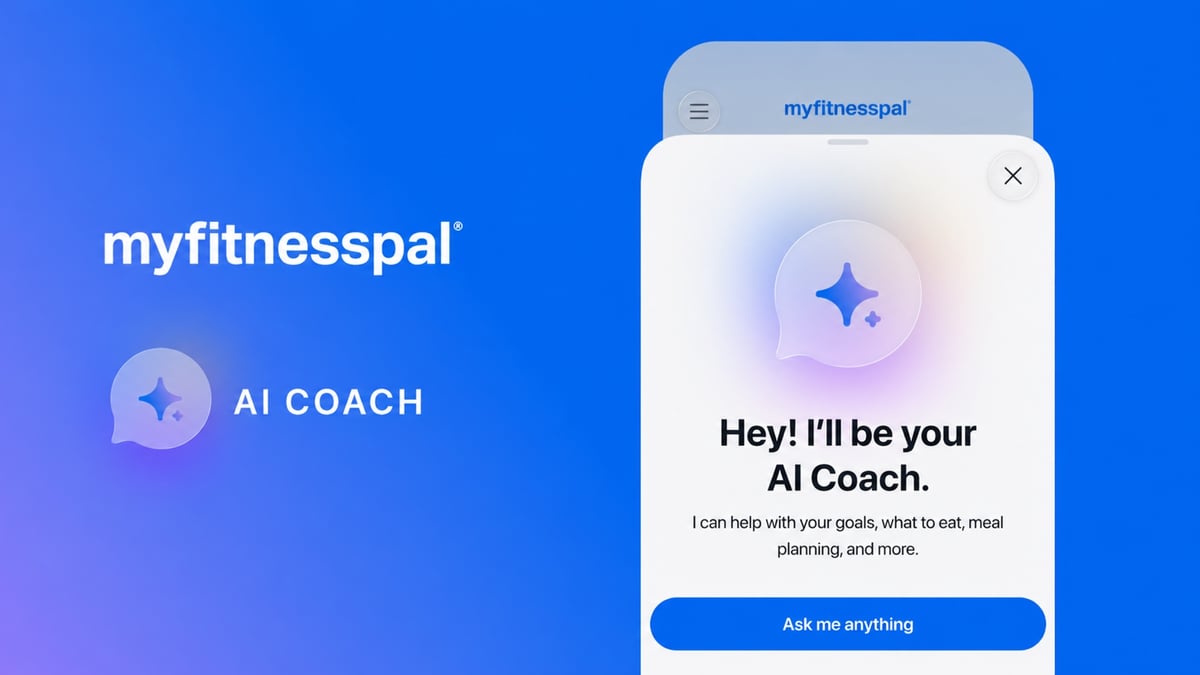
Nutrition-tracking platform MyFitnessPal has launched an in-app AI Coach to help bridge the gap between manual meal logging and actionable diet information.
Rather than relying on the generic prompts typical of consumer chatbots, this new feature directly reviews what an individual user has actually logged. It analyzes historical meals, remaining calorie targets, macro habits, and specific nutritional goals to deliver personalized guidance on exactly what to eat next to stay on track.
The feature lives in a new, dedicated Coach tab in the app, too, where users can type questions or select from a series of quick-access prompts to navigate real-world eating situations.
For instance, the AI can scan your daily logging history and immediately recommend a cost-effective ingredient swap to help close a lingering protein gap, or suggest the optimal menu choice when you are traveling and dining out.
MyFitnessPal also says it's pulling from a proprietary database of over 20 million verified foods and two decades of tracking history from its 280 million global users.
The Wareable take
This launch is a direct response to the broader conversational AI boom we've witnessed seeing across fitness tech in the last 12-24 months. Most notably, this one follows Google's just-announced Health Coach and Oura's more mature Meal Logging, both of which provide photo analysis.
Gating this tool behind the Premium and Premium+ tiers also makes sense, given that similar features don't offer this kind of analysis for free. And, ultimately, if it successfully transforms a dry food journal into an active digital dietitian, it provides a very compelling reason for users to pay up.
As ever, though, the implementation is key here—for every put-together use of AI we've tested in the last couple of years, there are a handful that feel like a clunky add-on.
Only time will tell where MyFitnessPal's interpretation sits on the scale.