The AI-powered bedside hub aims to evolve passive sleep tracking into active intervention
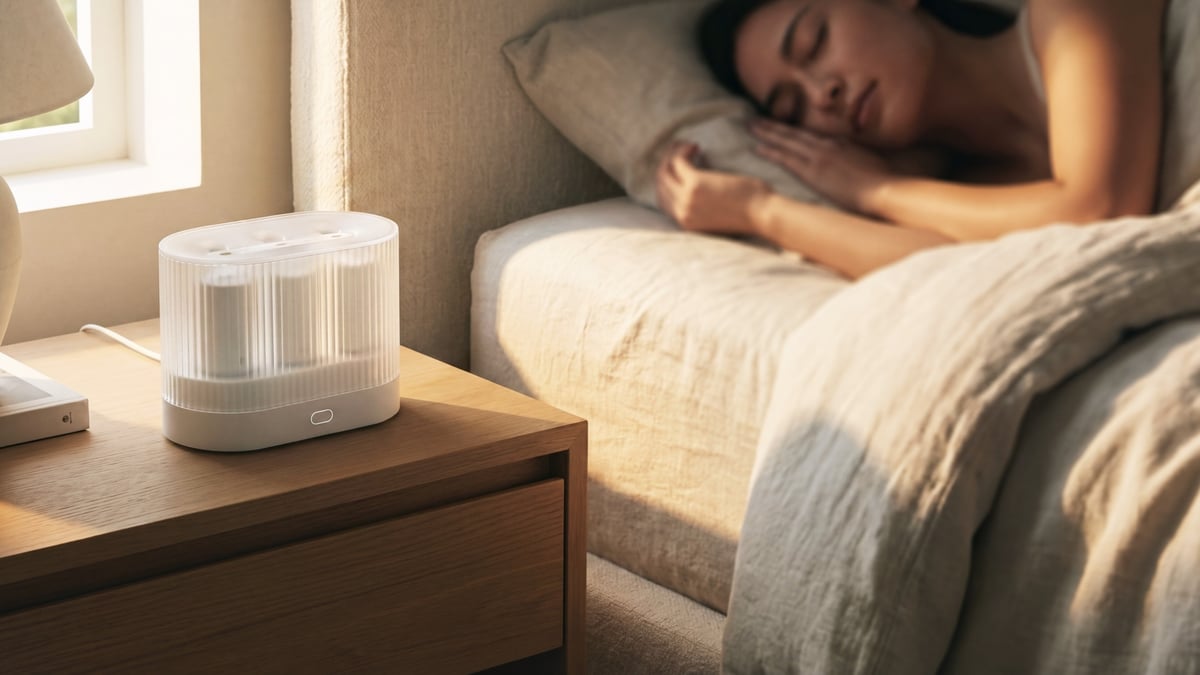
Sleep startup Kimba has unveiled an AI-powered bedside hub that aims to provide active intervention into sleep by tapping into live biometric data from wearables.
Founded by former special forces commander Ben Fuxbruner to combat trauma-induced insomnia, the hardware targets the brain’s olfactory pathway.
Developed with neurobiologist Dr. Anat Arzi, the system delivers scents to influence brain activity and sleep quality—all without crossing the threshold and waking the user.
Rather than a traditional sleep tracker, Kimba instead takes data from the devices users already own. The hardware connects to APIs from Apple Watch, Oura, Whoop, Fitbit, and Garmin to track continuous insights, such as heart rate variability (HRV).
Custom capsules, privacy, and availability details
Pairing this data with its own ambient sensors for movement, light, and snoring, Kimba's AI determines exactly when and how much of a personalized scent to diffuse from a three-capsule array to mitigate mid-night micro-arousals.
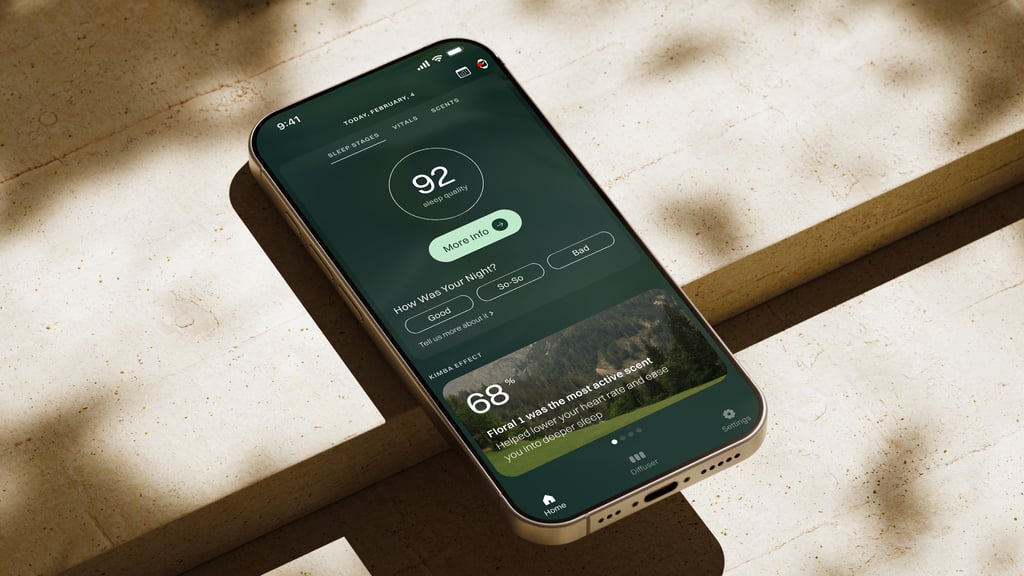
The system draws from 12 water-based, plant-derived formulations and adjusts cartridge recommendations quarterly based on next-day recovery metrics.
Regarding privacy related to the hub's built-in microphones, Kimba says it uses edge processing to isolate sleep-relevant signals without recording conversations.
The cloud architecture also aligns with HIPAA guidelines, and early clinical trials tracking 50 participants showed improvements in sleep quality and next-day cognitive performance.
Pre-orders are now live in the US, starting at $299 and including the hub and a six-month membership. However, maintaining the ecosystem requires an ongoing commitment of $299 every six months, bringing the full cost to a steep $600 a year. Shipping begins this winter.