Best sleep trackers 2026: Tested and rated options from our reviews

Take control of your sleep with our pick of the elite slumber supervisors
Quality sleep is often cited as key to improved physical recovery, mental well-being, and better illness outcomes. So, using a dedicated bedtime tracker to check on your rest has a genuine purpose.
After all, wellness isn't just about doing cat yoga and drinking alt-milks. Sometimes, your body needs a more consistent sleep schedule to help you feel better.
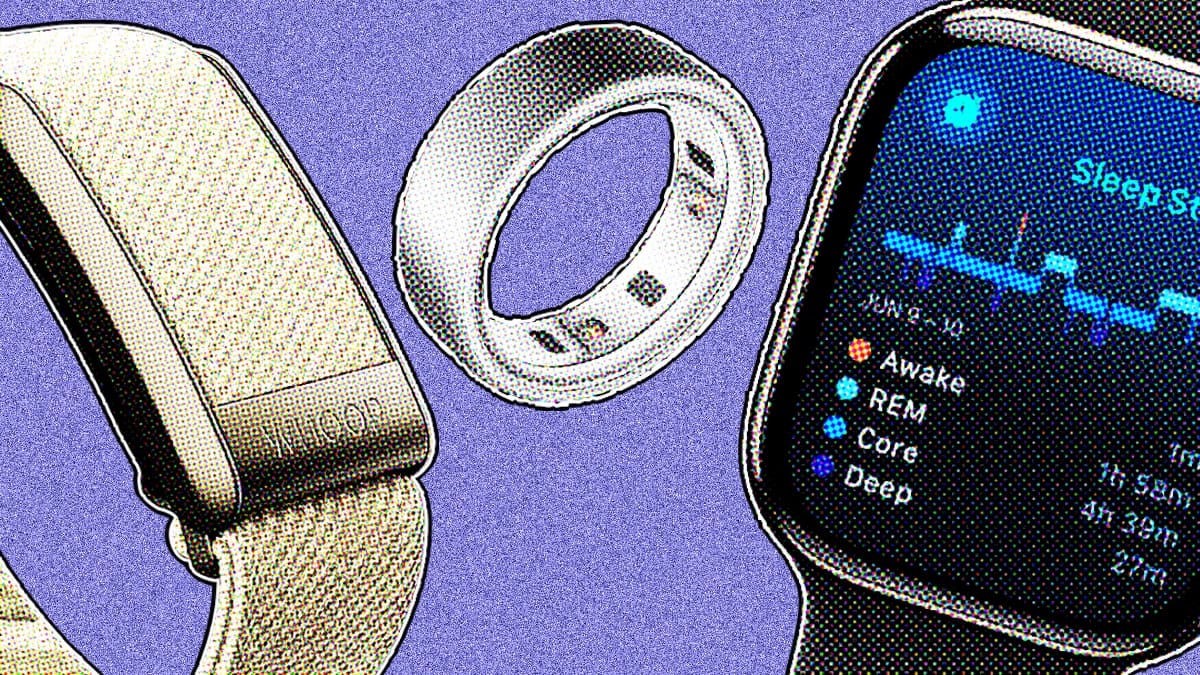
Luckily, there are plenty of different ways to track sleep. The most popular include bedside monitors, wrist-worn wearables such as smartwatches, and even smart rings.
All will offer slightly different insights and personalized tips to improve your rest time. However, the options we've tested below are worth exploring if you want to take positive steps towards better sleep quality.
We've detailed what to look for in a tracker, how it tracks accurately, and the best sleep gadgets to buy. We've tested each's accuracy and design so you don't have to.
Summary: The best sleep trackers we've tested
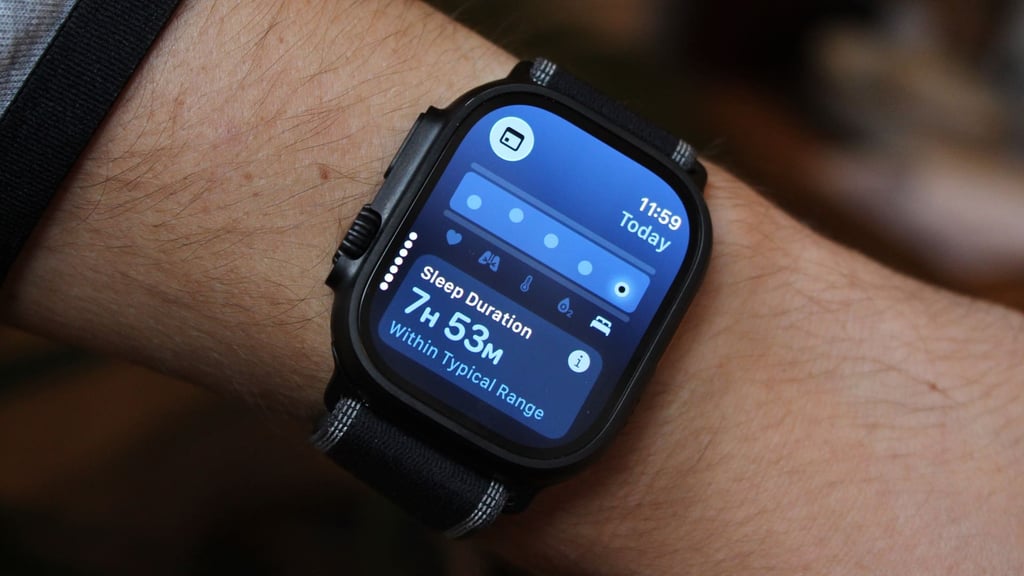
We've provided detailed summaries of our testing further down this guide. However, for those just getting to grips with the various sleep trackers available, below is a quick summary.
Our top overall sleep tracker—Oura Ring 4
Based on our long-term testing, the latest Oura ring is our top-recommended sleep tracker. Its broad sleep data features the fewest inaccuracies, while the design is more comfortable to wear at night than any other wearable.
Best value alternative—Oura Ring Gen 3
Featuring a similar design to Oura Ring 4, Gen 3 is still a valuable option for those on a stricter budget. While the tech specs are a step behind (eight sensor pathways versus 18), the core sleep tracking, sleep score, and overnight SpO2 monitoring are accurate and reliable enough for most users.
The best option for training insights—WHOOP 5.0
Though WHOOP is prone to the odd hiccup and overly harsh critique of your sleep, its sleep stage data and recovery insights (powered by the new 5.0 device) remain among the best.
Best premium WHOOP option—WHOOP MG
Offering the same sleeping tracking capabilities, WHOOP MG comes with additional features for health tracking, including ECG and blood pressure trend estimation. For anyone serious about health, WHOOP may be a standout product, especially if you are into training and looking for ways to potentially optimize recovery.
A hybrid smartwatch for sleep tracking—Withings ScanWatch 2
If the other form factors aren’t to your taste, the top hybrid smartwatch we’ve tested also boasts solid sleep-tracking insights.
A superb under-mattress design—Withings Sleep Analyzer
This smart mattress tracker is a great way to receive unobtrusive sleep insights. You do miss out on recovery features that can only be gained by tracking biometrics, but it remains a solid pick.
The best pick for iPhone users—Apple Watch Series 11
Apple’s sleep/wake reporting is every bit as accurate as Oura’s. The addition of a native ‘Sleep Score’ and the ‘Vitals’ app makes it a powerful tool, alongside features like sleep apnea detection.
The top choice for Android users—Google Pixel Watch 4
Powered by Fitbit, the Pixel Watch 4’s data is among the most user-friendly. The insights aren’t quite as detailed as Oura, but this is a top pick for Android phone users.
Our favorite bedside option—Google Nest Hub (2nd Gen)
This is an especially good option if you’re within the Google ecosystem. It allows you to feed very accurate sleep/wake data to your other devices without a wearable.
Best for Garmin users (no watch)—Garmin Index Sleep Monitor
This screenless armband is for the dedicated Garmin user who hates wearing a watch to bed. It delivers more reliable sleep data, which in turn makes your ‘Training Readiness’ and ‘Body Battery’ scores more accurate.
The top option for Samsung users—Samsung Galaxy Watch Ultra
You’ll need a Galaxy phone to access the brand’s sleep apnea feature, but the best of the brand’s current-gen watches is a unique, accurate tracker for Samsung phone users.
Sleep tracking terminology explained
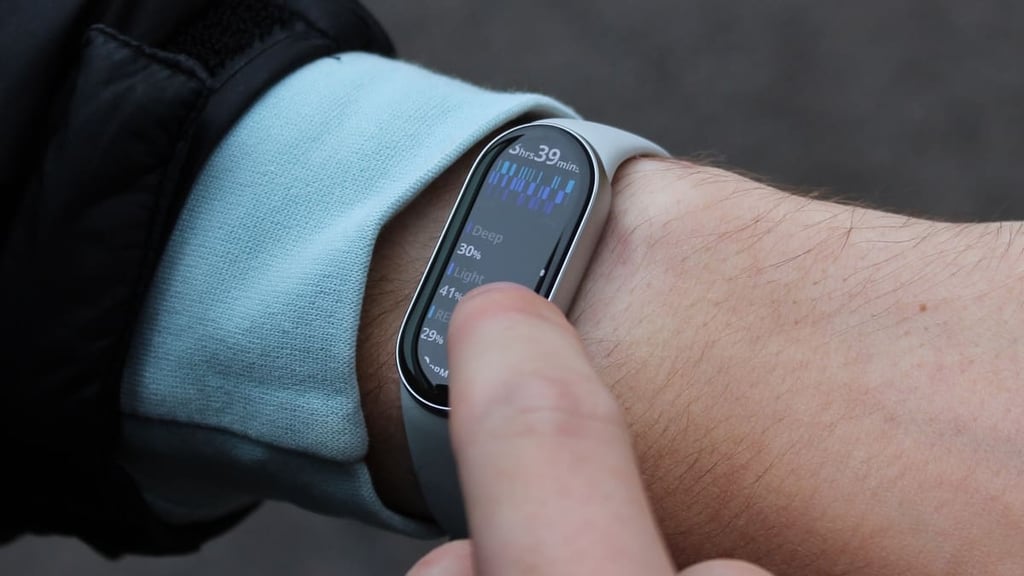
Before picking the right sleep monitor to keep an eye on your night, you need to know exactly what you want from one. The tech involved here is much more advanced than the smartphone apps that use the accelerometer to track movement under your pillow—and, as a result, things are generally more accurate.
HR versus movement sensors
Older fitness trackers used wrist movement to track sleep. Now, this is all combined with heart rate monitoring—companies like Google/Fitbit and Withings are analyzing your beats per minute (BPM) during sleep to infer sleep duration and stages.
Sleep stages
Most sleep monitors now offer estimates of your sleep stages, giving you a breakdown of light, deep, and REM sleep (plus any awake time). You typically cycle through these sleep stages a few times per night to feel rested, and the trackers in this guide reflect this in their analysis. If you’re not cycling between them or missing out on some of these stages altogether, it’s a smoking gun for insufficient sleep, and a great place to start improving.
In sleep stages, however, accuracy is much more limited than in other tracking, such as heart rate or GPS. Even the best sleep trackers (such as Oura) can only achieve around 80% accuracy compared to medical-grade sleep stage assessments, so take all this data with a pinch of salt.
Sleep scores
Looking at all this data can feel overwhelming—and, when you've looked at the data for a few weeks, you'd be forgiven for wondering what it all means. Many brands now distill your data into a meaningful number, meaning you can see how your slumber stacks up. Several devices we've listed (Pixel Watch 4, Oura, and Garmin) provide a single 'sleep score' based on their data.
Blood oxygen and sleep apnea
The latest data in town is blood oxygen saturation, which is tracked using a SpO2 sensor. You’ll find them on Google/Fitbit, Garmin, Withings, WHOOP, and Oura. Essentially, the amount of oxygen in your blood (or at least a dip in levels while asleep) may be associated with sleep apnea. It’s estimated that 22 million Americans have it, and the majority don’t realize.
Choosing a sleep-tracking wearable with a SpO2 sensor can offer up this data, helping you keep an eye out for potential issues. In recent years, this has taken a huge step forward. Samsung received FDA approval for an official sleep apnea analysis feature, and Apple followed suit with the Series 9 and later (which now includes the Series 11 and all Ultra models).
Oura Ring Gen 4
The best overall sleep tracker
What we like
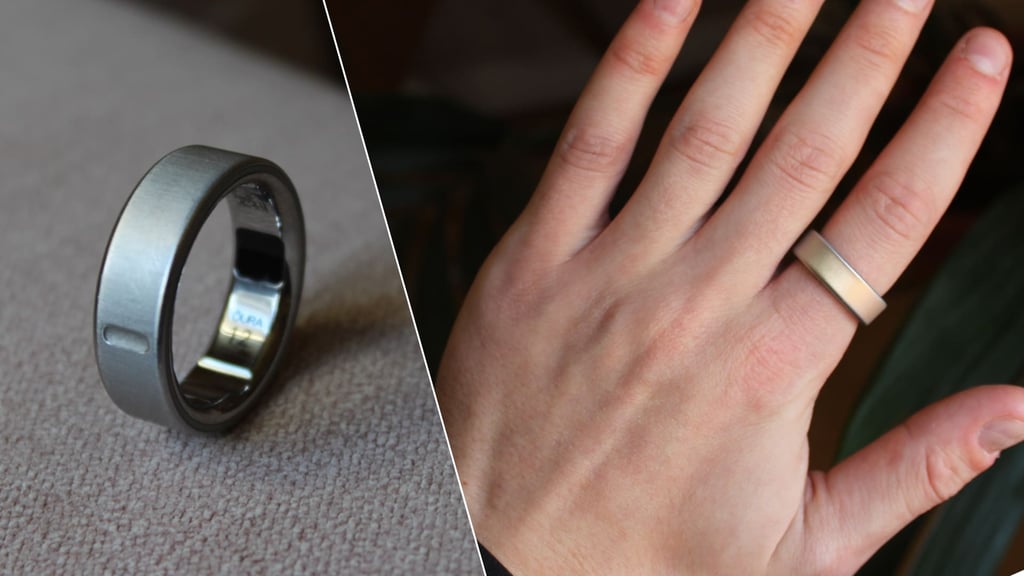
A ring isn’t the usual form for a sleep tracker, but Oura Ring 4 is a powerful and discreet sleep tracker. We’ve found that it’s one of the most comfortable and reliable ways to track your bedtime.
It’s packed with sensors. There are 18 sensor pathways in the Gen 4 version (up from eight in Gen 3), enabling it to monitor heart rate, movement, and body temperature. That increase in sensor count appears to reduce gaps in nighttime HR readings compared to the older model. There also seems to be improved accuracy for overnight SpO2 data and breathing index data.
It includes capturing data like sleep or nap duration, time spent in bed, sleep efficiency, resting heart rate, heart rate variability, and sleep stages.
As we say, blood oxygen data is also tracked through the night and presented as an average figure the next morning, with breathing regularity also measured and graded based on fluctuations.
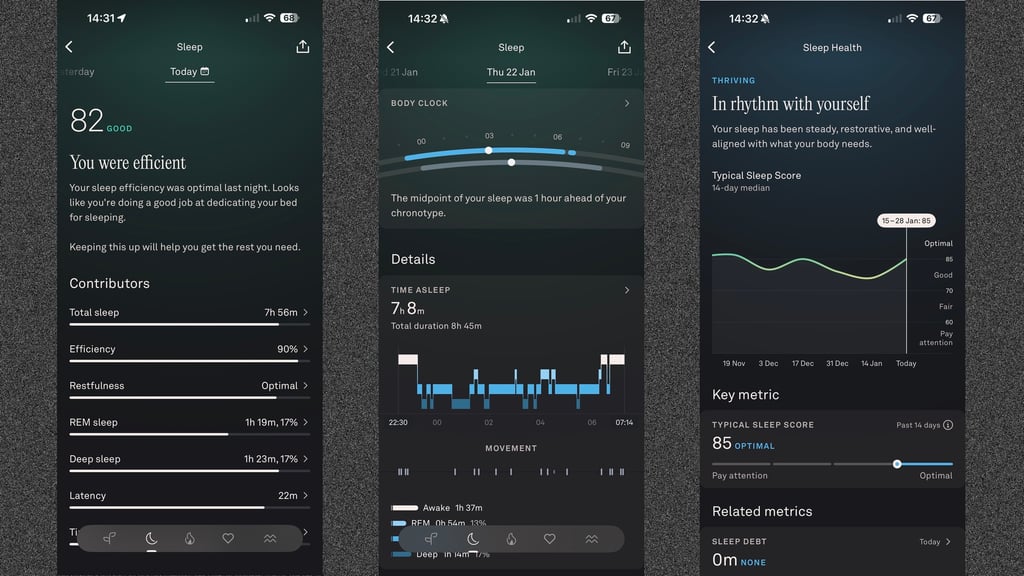
Each metric is easily accessible, but the key data is distilled into a sleep score each morning. We've found the insights both accurate and not needlessly harsh, making them feel much more actionable. We think it accurately gauges when we need to take it easy and when we're fine to take on the day and be active.
Oura also suggests realistic sleep times, and all the data and trends hold up very well against Apple and WHOOP from our experience.
What we dislike
While the insights are accurate and detailed, Oura Ring 4 is an expensive way to track sleep. That’s without mentioning the required subscription, too.
As such, we still grade the last-gen Oura Ring 3 as a viable option if you don't think you need the insights unlocked by the fourth-gen ring. It's a great way to save a bit of cash and still get the core of what makes Oura's sleep tracking great.
- Check out our full Oura Ring 4 review
Oura Ring Gen 3
Best budget alternative
What we like
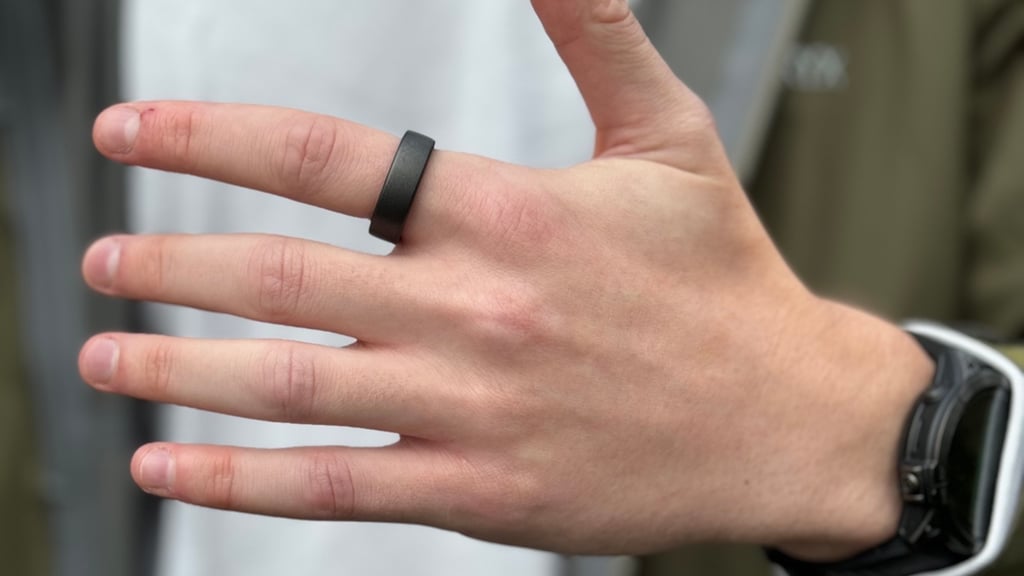
If you don't need the absolute cutting edge that Oura Ring 4 offers, Gen 3 remains a genuinely impressive sleep tracker, and one that's available at a lower price point. Although you will not able to find it in the official Oura website anymore, you can still buy it through retailers like Amazon.
Gen 3 packs eight sensor pathways using infrared photoplethysmography to track heart rate, heart rate variability, blood oxygen (SpO2), body temperature, and movement from your finger. That's fewer than the 18 pathways in Gen 4, which means you may notice the occasional gap in overnight heart rate data. However, in our long-term testing, these have been infrequent enough that overall accuracy remains strong.
At just 4–6 grams, the ring is barely noticeable at night—far more comfortable than wearing a bulky smartwatch to bed. Battery life sits at around five to eight days, meaning you won't need to think about charging it constantly. It's also water-resistant up to 100 meters, so there's no need to remove it before washing your hands or showering.
What we dislike
Gen 3 still requires an Oura membership ($5.99/month) to unlock detailed insights and trends—without it, you're left with only the basics. That ongoing cost can feel steep on top of the ring's purchase price.
Since Gen 3 has been discontinued by Oura, availability is becoming increasingly limited. You also miss out on the Gen 4's upgraded smart sensing technology, which seems to reduce data gaps and improve SpO2 accuracy. If you're someone who pours over every data point, you may notice the difference.
WHOOP 5.0
The best sleep tracker for training recovery insights
What we like
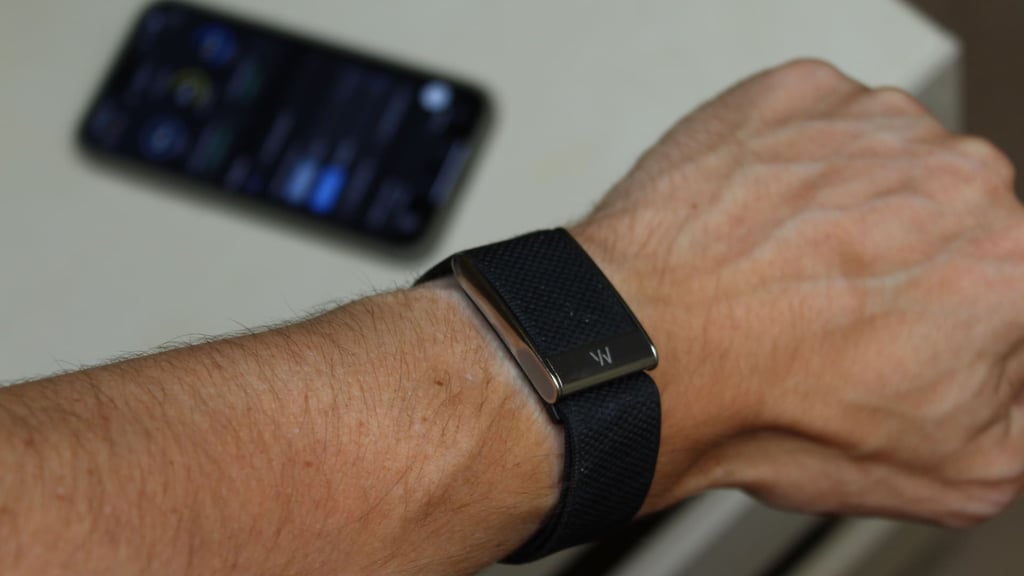
Given WHOOP’s emphasis on recovery, sleep tracking is a massive part of this subscription experience. Wearing WHOOP 5.0 while sleeping unlocks insights in the companion app, with ‘recovery percentage’ at the core.
A traffic-light system crosses sleep performance with HRV, resting heart rate, and respiratory data to show how ready you are for more ‘strain’.
The sleep-specific data is just as actionable. WHOOP shows rolling trends of your time in bed, sleep schedule consistency, sleep efficiency, and sleep debt.p debt.
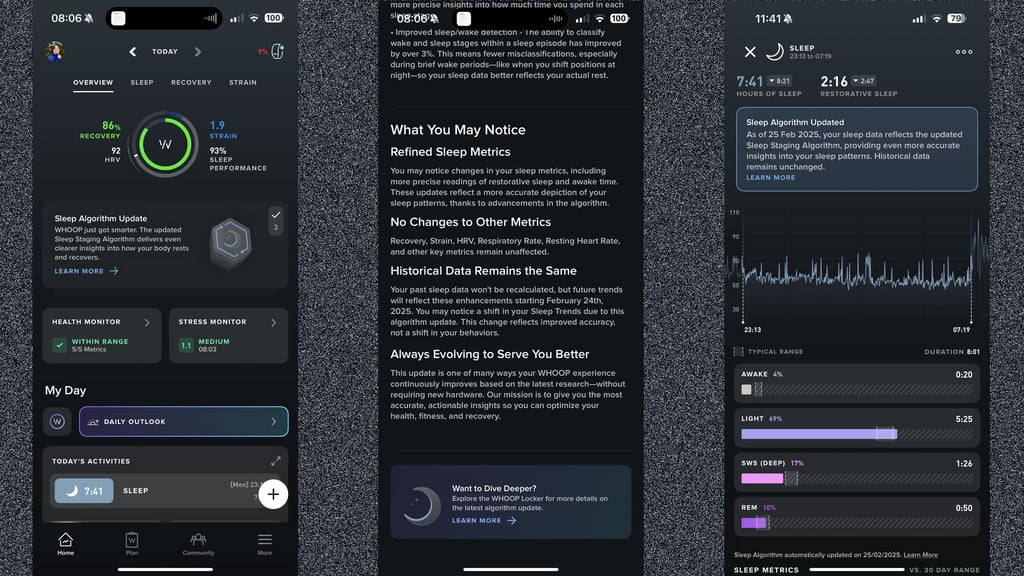
We also love the 'Sleep Planner' feature, which dynamically adjusts your bedtime based on your current day's activity. This also syncs with the band's vibrating alarm, which can wake you at a set time, when you enter a green recovery zone, or when your sleep need is met.
What we dislike
There aren’t many downsides to the WHOOP sleep-tracking experience—other than the obvious one: price.
We have also found it overly sensitive to recording naps (often logging them while we’re sitting at our desk working), which can skew recovery data. However, even this is primarily a problem when the device is worn on the bicep rather than the wrist—plus you can always edit it out, anyway.
Compared to other trackers, the recovery data gleaned from sleep may also be judged very harshly, which may become tiresome if you’re not wearing it purely for athletic insights.
- Check out our full WHOOP 5.0 review
WHOOP MG
Best premium WHOOP option
What we like
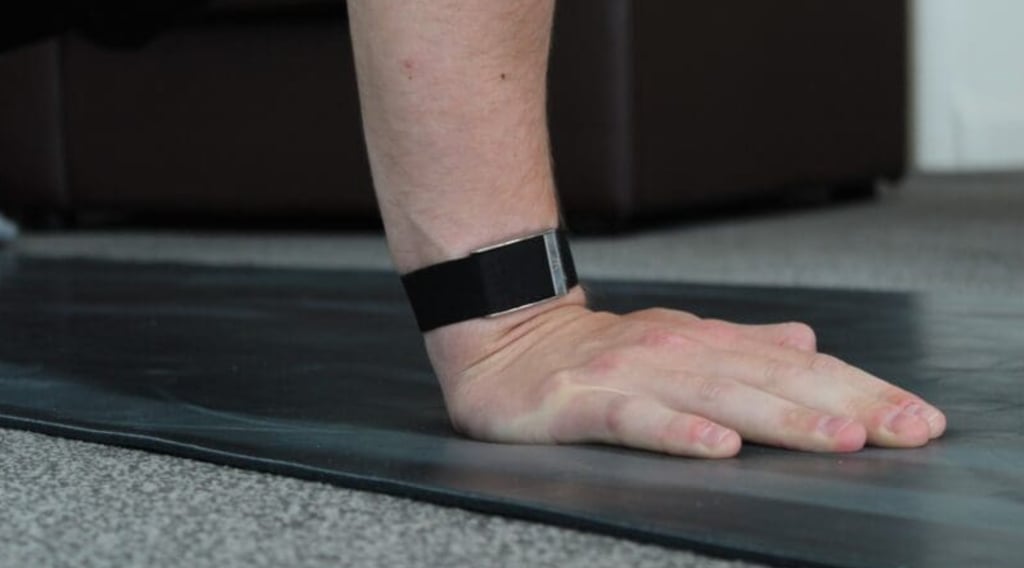
WHOOP MG is the brand's top-tier wearable, positioned above WHOOP 5.0 as the most feature-rich screenless tracker available. It's designed for users who want WHOOP’s trademark recovery-focused sleep insights alongside health monitoring features that go well beyond what any other band on this list offers.
The sleep-tracking features are the same as those in WHOOP 5.0, but MG adds additional sensors to potentially detect arrhythmias and estimate blood pressure trends.
What we dislike
The cost is hard to ignore. MG requires WHOOP Life membership at $359 per year, or roughly $30 per month. Just like with all other WHOOP models, a subscription is required—if you decide to stop paying, you will lose access entirely, so you're essentially renting the hardware.
The standard WHOOP 5.0 on the Peak plan ($239/year) delivers the same core sleep and recovery tracking without the ECG and blood pressure extras, so it's worth considering whether those additional features justify the price for you.
For users who genuinely want the deepest possible sleep data alongside potential proactive health screening, the WHOOP MG may justify its premium. But if sleep tracking is your primary goal, the standard WHOOP 5.0 (or Oura Ring) delivers nearly everything you need for considerably less.
Withings ScanWatch 2
Best hybrid smartwatch for sleep tracking
What we like
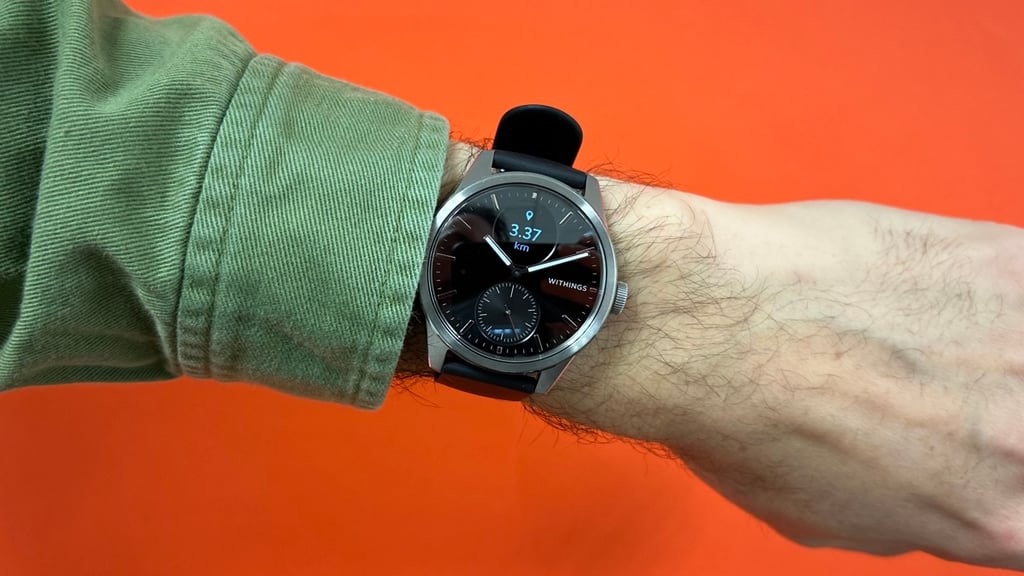
The Withings ScanWatch 2 is the best hybrid smartwatch to offer sleep tracking. However, its prowess has slipped behind the likes of Oura and WHOOP.
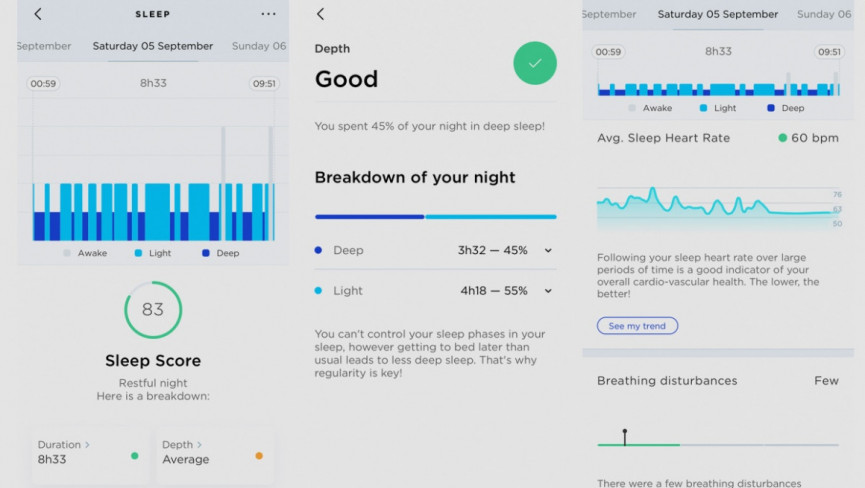
With a heart rate monitor on board, the ScanWatch will monitor the average sleep heart rate. There's also a SpO2 sensor to help monitor breathing disturbances and potentially detect signs of sleep apnea. Those sleep disturbances are scored on a color-coded scale.
Unless you detest having anything on your wrist, the ScanWatch 2’s slim physique makes it comfortable to wear to sleep. There’s an alarm as well, so you can be woken by a gentle vibration instead of a blaring noise.
What we dislike
It logs sleep duration and the time spent in the key deep, light, and awake stages. It will also score duration, depth, regularity of bedtimes, and interruptions. However, you won't be able to view REM sleep stage data —an odd omission.
The data is easy to digest, as shown above, but, sadly, the insights aren't quite as meaty as we'd like. However, if you're looking for something good at the sleep basics, the ScanWatch isn't a bad call.
- Check out our full Withings ScanWatch 2 review
Withings Sleep Analyzer
The best mattress sleep tracker
What we like
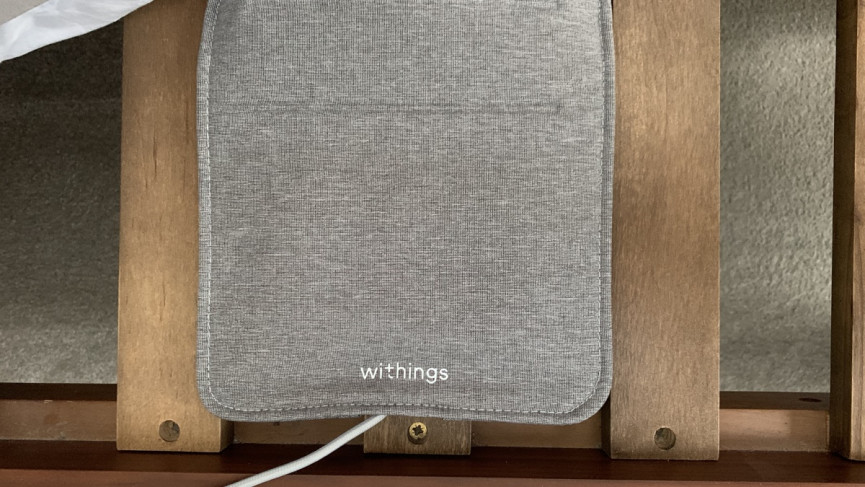
Withings Sleep Analyzer is the brand’s remaining mattress-style sleep tracker, and the key selling point is the clinically-validated sleep apnea feature.
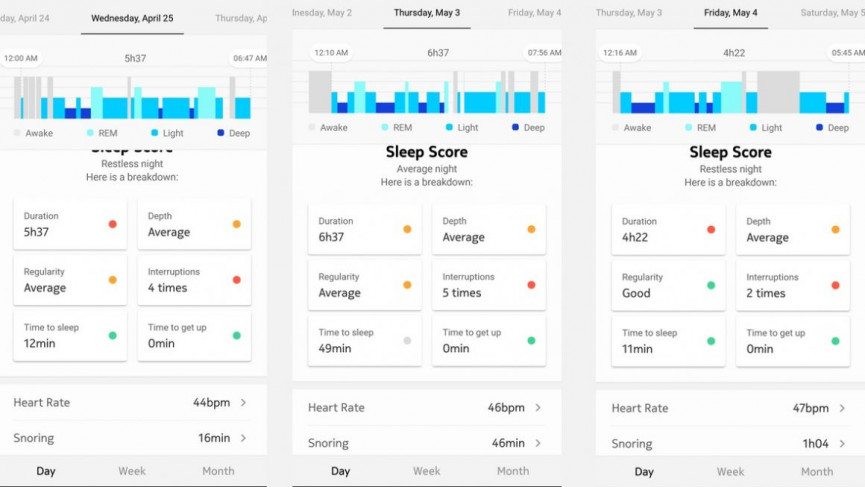
Yet, there's more than just sleep apnea insights here. Data like sleep duration, interruptions, light, deep, and REM sleep all feature, plus snoring detection, thanks to a built-in microphone. It can also tap into the Withings app's coaching program.
A ‘Sleep Score’ is a major focus. It’s the most obvious way to find out whether you had a good night’s sleep and will be in red if you had a bad night. Even better, the app helps you understand what makes for a good night’s sleep by showing you how to raise your ‘Sleep Score’.
What we dislike
While the sleep apnea feature is a real boon, it hasn’t yet received FDA approval, and is currently only available in the UK and Europe. We also encountered some accuracy issues with Analyzer when waking up but staying in bed. It also won’t provide any analysis of sleep HRV or other recovery-focused metrics, so it’s mostly useful for insights into movement and interruptions.
- Check out our full Withings Sleep Analyzer review
Apple Watch Series 11
Best sleep tracker for iPhone users
What we like
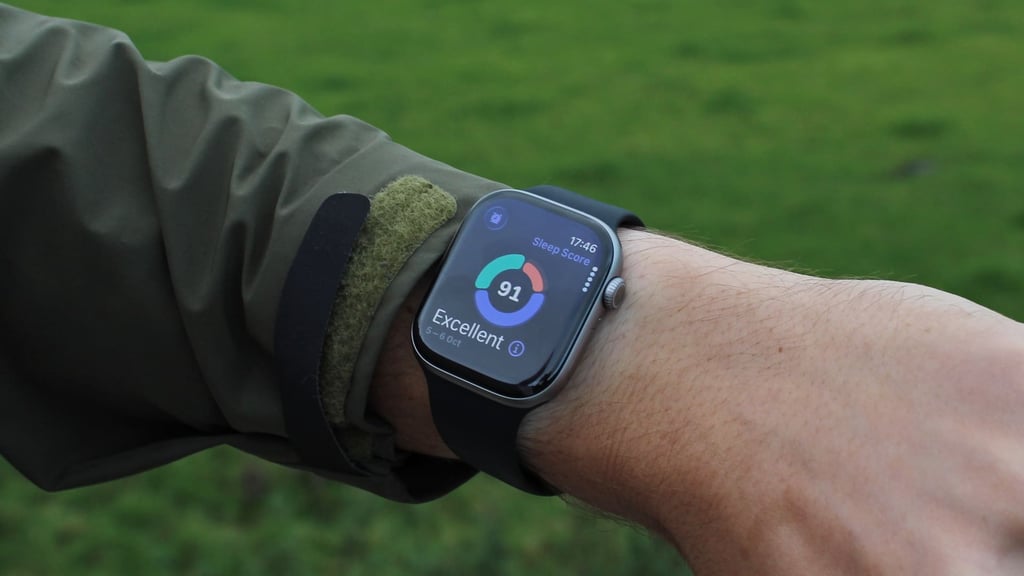
After taking a while to get to grips with tracking sleep, Apple’s interpretation has developed into a top solution. The headline addition for recent models (Series 9 or later and all Ultra models) is sleep apnea detection. This assesses nighttime breathing disturbances and runs in the background to identify trends over months.
The rest of Apple's package is now much stronger with watchOS 26. We finally have a native 'Sleep Score' that is simple and effective.
Your sleep data also feeds directly into the 'Vitals' app, providing a daily overview of your core biometrics (heart rate, temperature, blood oxygen, and breathing rate) against your baseline. Apple is right up there with the best wearables in sleep stage accuracy and fall-asleep/wake-up detection.
What we dislike
Our major criticism remains that Apple’s tracking is much more of an overview than a proactive coach. It gives you the data but doesn’t offer the same level of actionable advice as Oura or WHOOP.
Apple Health’s impenetrable metrics dump is part of the issue. But, for those who like data and don’t care as much about actionability, Series 11 (or SE 3 / Ultra 3) is a superb pick.
- Check out our full Apple Watch Series 11 review
Google Pixel Watch 4
Best Fitbit for sleep tracking
What we like
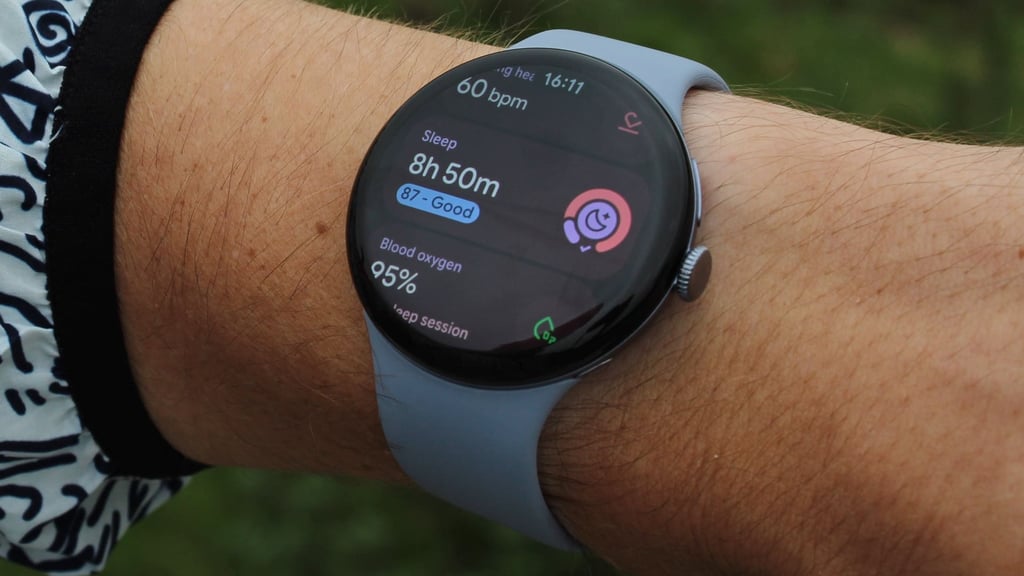
Harnessing Fitbit’s excellent algorithms and the user-friendly data presentation, Google Pixel Watch 4 is a top sleep tracker. While Fitbit’s own bands use the same technology, Pixel Watch 4’s broader smartwatch experience—and, more importantly, the fact that the 45mm edition can last a couple of nights on a single charge—make it one of the best you can buy.
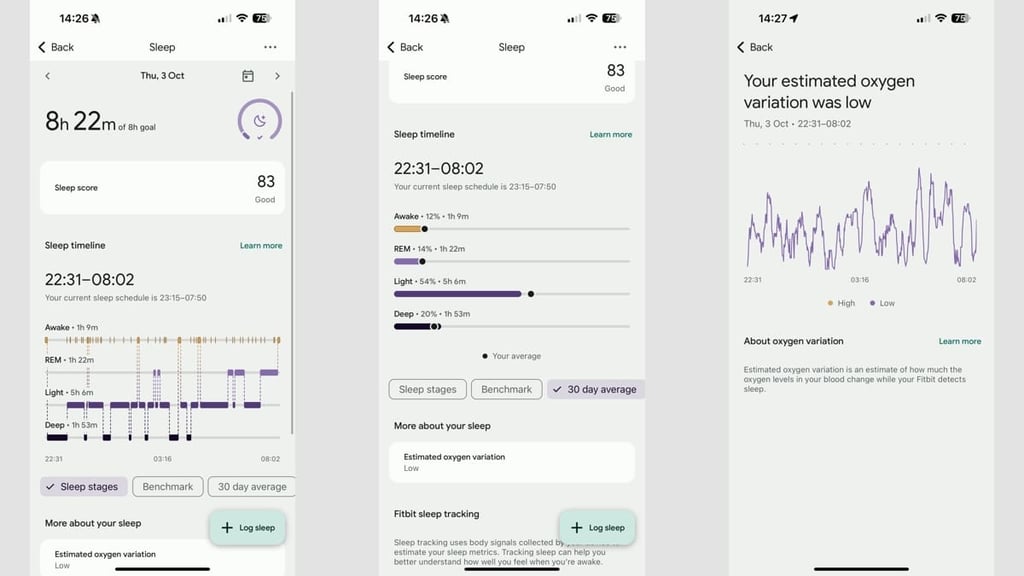
Fitbit’s ‘Sleep Stages’ let you get a daily look at your light, deep, REM, and awake times. This data is all distilled into a ‘sleep score’—one we’ve found to be very true-to-feel in testing. You can also see how your night compares to the last month and other people your age.
What we dislike
Pixel Watch 4 can’t deliver FDA-cleared insights into sleep apnea, even if the brand’s ‘Estimated Oxygen Variation’ aims to provide similar type of data.
Google/Fitbit’s sleep insights have also begun to be overtaken by Oura and WHOOP, and some data remains locked behind the Fitbit Premium paywall. ‘Daily Readiness Scores’ are now accessible to all users, at least, and offset some of this disappointment.
- Check out our full Google Pixel Watch 4 review
Google Nest Hub (2nd Gen)
The best bedside sleep tracker
What we like
If you’re not a fan of wearing a tracker or having something live under your mattress, Google Nest Hub (2nd Gen) is a superb pick—and one of the most accurate we’ve tested.
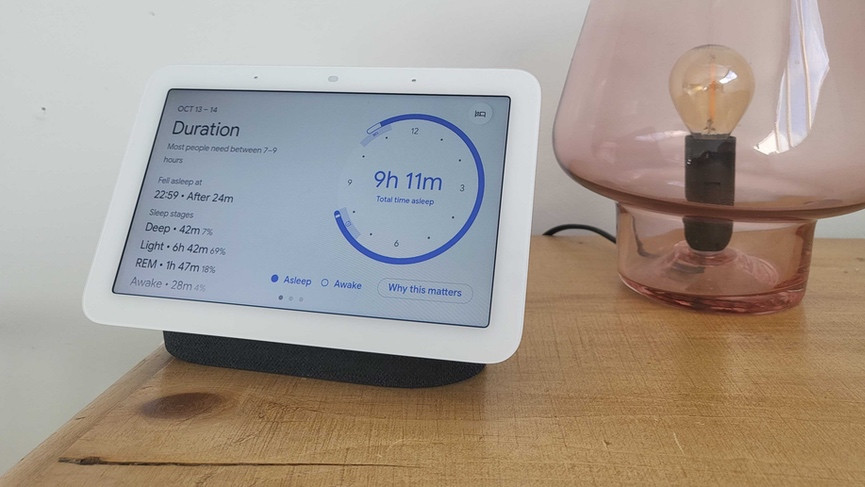
Primarily, the smart display’s ‘Motion Sense’ tracks movement and breathing rate using low-energy radar. Then this radar data is combined with Google’s ‘Sleep Sensing’, which accounts for light, sound, and room temperature to deliver a comprehensive verdict on your sleep.
The result is a detailed on-device summary of your night's sleep—including sleep stages and suggestions to improve your rest—with this raw data also feeding into the Google Fit app to provide a historical view of your trends over time.
There's no sleep score here; Google instead summarises your sleep as 'Restful', 'Fairly Restful', or 'Restless'. And, in some respects, we prefer it to a score—it feels more intuitive.
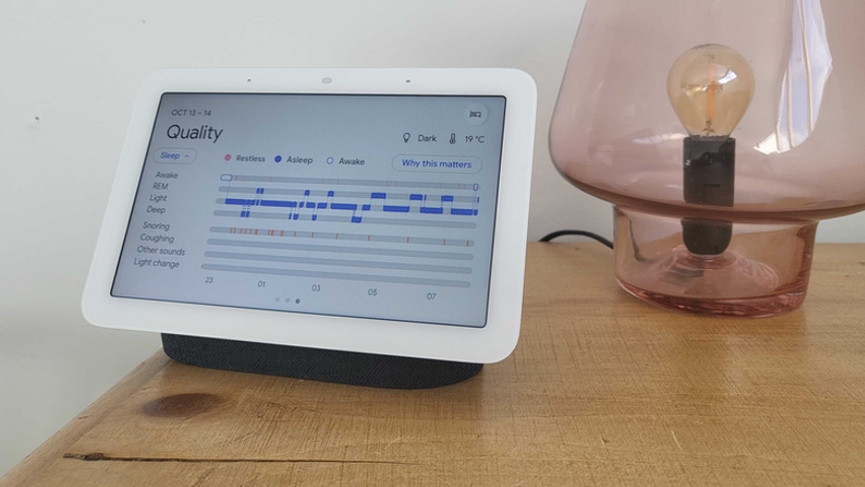
We also find, overall, that the sleep-stage data are much more consistent than those from many wearables. There are very few—if any—eyebrow-raising sleep-stage estimates, making it a much more useful tool when trying to align with your intuition about your readiness to take on exercise strain or a big day of work.
There are now deeper integrations with Google Pixel Watch and Fitbit devices on Nest Hub, linking exercise and calorie-burning information. Considering this one also acts as a smart speaker and supports apps like YouTube and Headspace, it’s a rounded device.
What we dislike
The major downside is that you’ll need to place this much more carefully than other devices on this list. You need a bedside table roughly the same height as your mattress, and instead of being up against the wall, it should be aligned with your pillow for the most optimal results.
It can also struggle to register when you've woken up but are still in bed, as we've found with mattress trackers. Like non-wearable trackers, there's also a lack of major insights into sleep health and recovery. This means it's not great for those who want detailed sleep tracking.
Garmin Index Sleep Monitor
Best for Garmin users who hate wearing a watch to bed
What we like
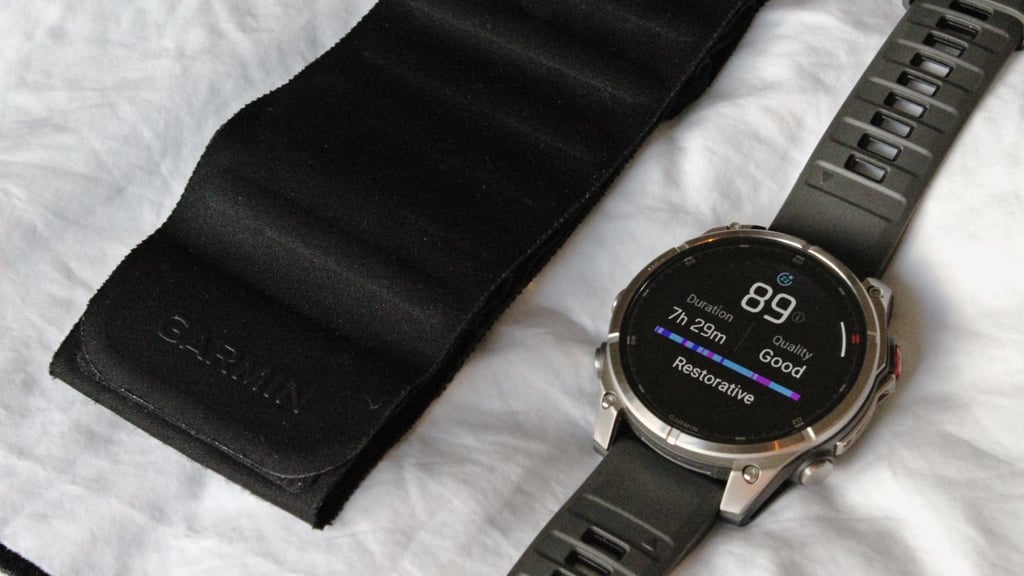
This niche device solves a long-standing problem for Garmin users: how to get accurate sleep data without wearing a bulky Fenix or Forerunner to bed. Index Sleep Monitor is a screenless armband worn only at night. Its one job is to track sleep, and it does it brilliantly.
In our testing, it delivered more true-to-feel and consistent sleep data than any Garmin watch. It provides a more accurate foundation for Garmin's entire ecosystem.
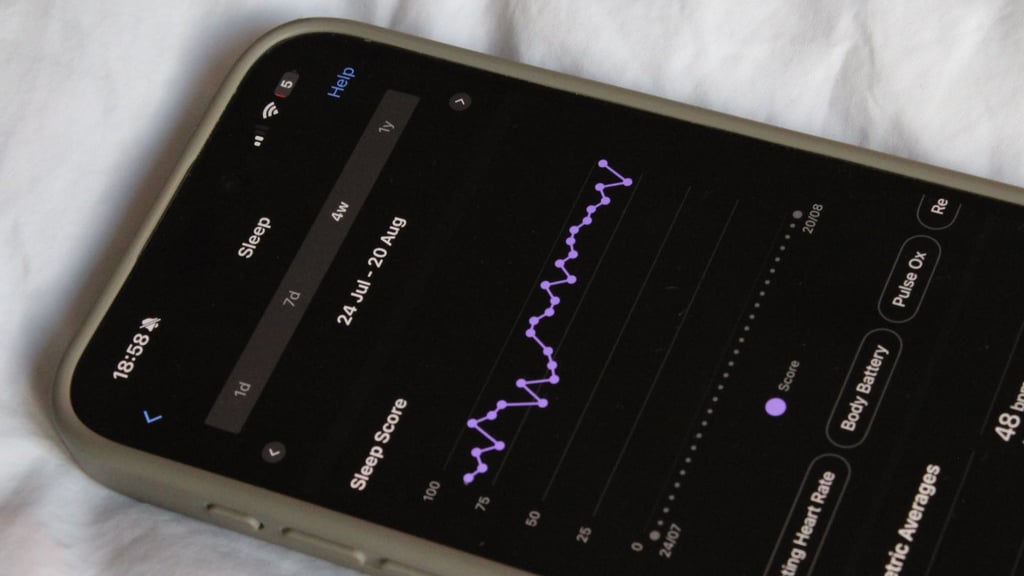
This means your 'Sleep Score', 'HRV Status', 'Body Battery', and, most importantly, 'Training Readiness' scores become significantly more reliable, as they are being fed better data. It's a comfortable and powerful accessory for the data-obsessed Garmin athlete.
What we dislike
Ultimately, this is an expensive, single-function tracker. The battery life of around 4–5 days is also underwhelming for a screenless Garmin device.
During testing, we also encountered a learning curve with the device, after initially finding it quite easy to register nights with no recorded sleep. This isn’t necessarily a fault of the Index Sleep design, but, without a physical button to initiate tracking, you’re relying on ‘waking’ the Elevate sensor at the right time.
Because physically moving the device wakes it, it will also ‘sleep’ if it doesn’t sense contact with your skin within 10–15 seconds. To avoid issues, we’ve found that placing your finger over the sensor for a few seconds (until it starts flashing or the green LEDs stop blinking) while it’s on your upper arm works well. It can be a bit finicky, but it’s fine once you understand how to use it.
Again, this is a very niche purchase, but it also has the potential to be a game-changing accessory for Garmin users who want the most accurate recovery metrics.
- Check out our full Garmin Index Sleep Monitor review
Samsung Galaxy Watch Ultra
The best Samsung smartwatch for sleep tracking
What we like
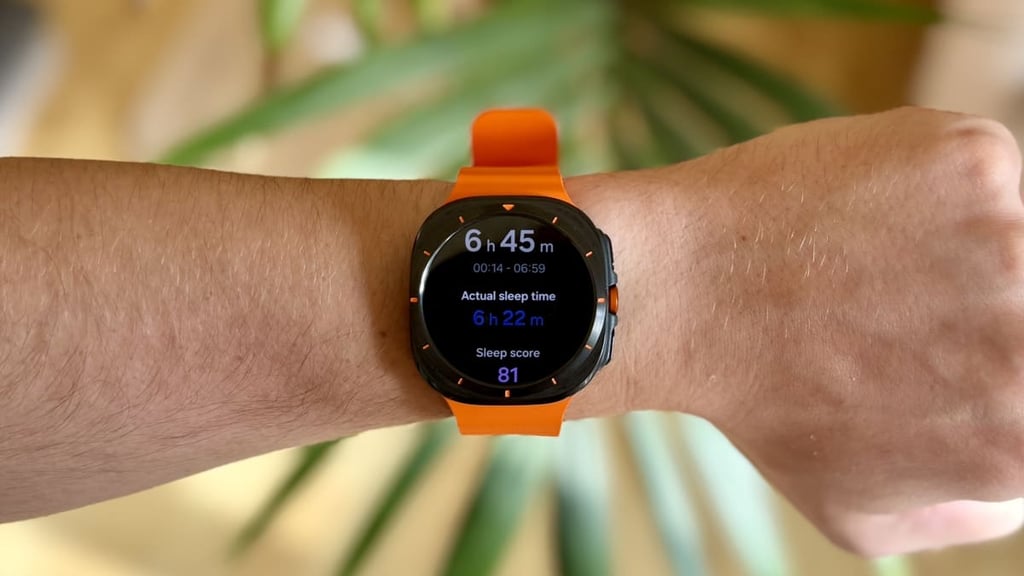
Samsung Galaxy Watch Ultra offers a comprehensive tracking experience that stacks up well against Oura and WHOOP.
It tracks duration, sleep stages, blood oxygen, and even snoring time. Crucially, Samsung has FDA-clearance for sleep apnea detection—and Ultra (along with Galaxy Watch 8) is the only device in the Android ecosystem that lets you access it.
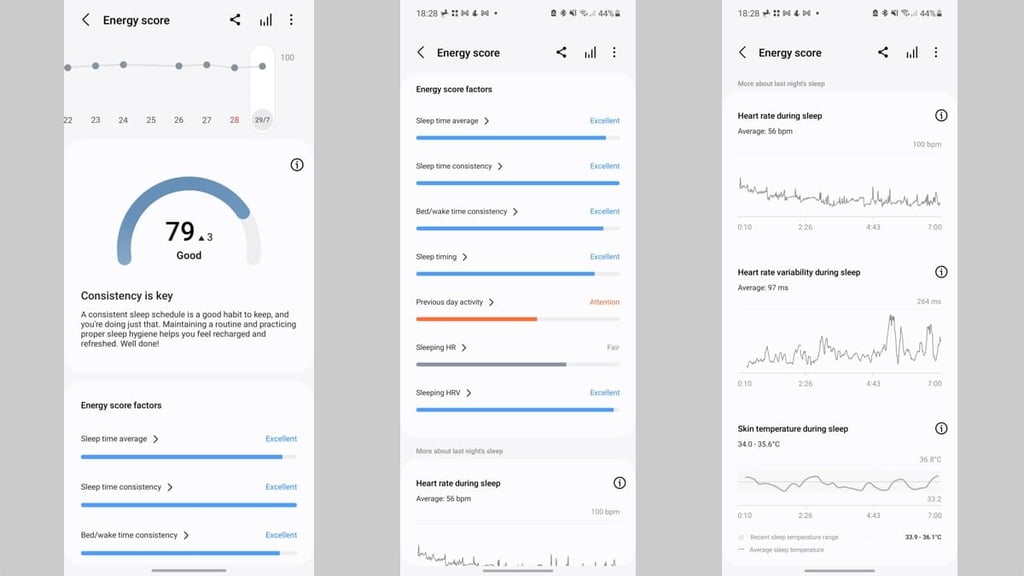
The all-new 'Energy Score' also debuts here, with sleep tracking underpinning most of this helpful feature; your recent sleep averages, consistency, sleeping HRV, and sleeping HR all contribute.
What we dislike
While the sleep insights and accuracy are excellent, it does have downsides. The best features (such as sleep apnea detection) are available only to users with a Samsung Galaxy smartphone. It's also not the comfiest watch to sleep in, given its large, rugged case.
If that's a particular problem, though, again: you do have the Galaxy Watch 8 and Galaxy Watch 8 Classic to consider instead.
- Check out our full Samsung Galaxy Watch Ultra review
The bottom line
There's no single best sleep tracker for everyone: the right choice depends on how you want to track, what you want to understand better, and what you're willing to spend.
For the deepest insights in the most comfortable package, Oura Ring 4 is the standout, with Gen 3 a solid budget alternative while stock lasts. If recovery and training readiness drive your decisions, WHOOP 5.0 (or the premium MG) ties sleep data directly to actionable recovery scores like no other device.
If you already wear a smartwatch, Apple Watch Series 11, Google Pixel Watch 4, and Samsung Galaxy Watch Ultra all deliver strong sleep tracking within their respective ecosystems, no extra device needed. For a watch that doesn't look like a smartwatch, Withings ScanWatch 2 is the best hybrid option, covering the sleep basics in a slim, traditional design.
If you'd rather not wear anything at all, Google Nest Hub and Withings Sleep Analyzer offer excellent passive monitoring from your bedside or under your mattress. For Garmin users who hate sleeping in a bulky watch, Garmin Index Sleep Monitor is a niche add-on that makes your entire Garmin data picture more accurate.