Fitbit trackers aren't the force they used to be, but there's still one device that keeps the legacy alive
Google has fundamentally transformed the Fitbit brand since its 2021 acquisition, making it increasingly difficult to choose among the lineup of smartwatches and fitness trackers. But not necessarily in a good way.
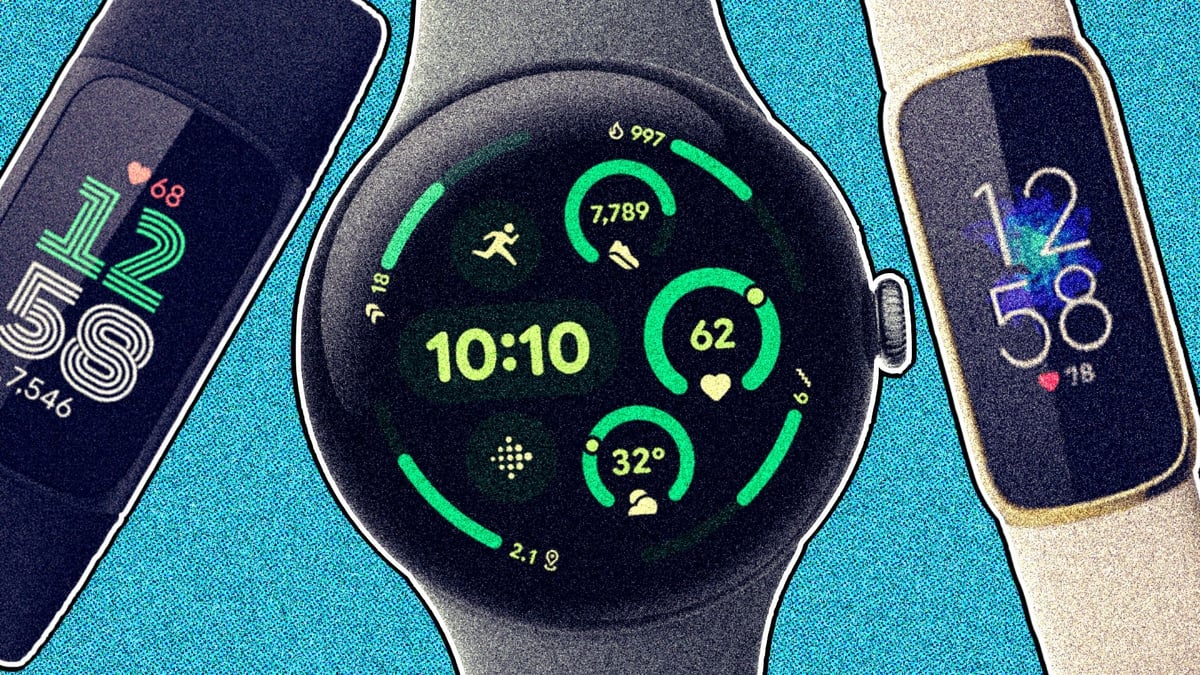
Branded Fitbit products and the classic tracker lines are undoubtedly worse off since the absorption into the Google machine. As such, the best Fitbit you can buy is actually Google Pixel Watch 4 (or Pixel Watch 3, if you’re on a tighter budget).
The current-generation watch series represents the most in-depth and accurate Fitbit experience in 2026. However, those seeking a traditional Fitbit fitness tracker still have options, and we'll outline each option in this buyer's guide.
We've reviewed and compared every Fitbit available on the market. Below, you'll find summaries of each model, specifications comparisons, and insights into what Google may be planning next for Fitbit.
At a glance: Best Fitbit devices in 2026
- Google Pixel Watch 4: The best Fitbit smartwatch
- Fitbit Charge 6: The most advanced Fitbit tracker
- Fitbit Inspire 3: The best Fitbit fitness tracker
- Fitbit Air: Best lightweight Fitbit
- Fitbit Versa 4: A solid entry-level smartwatch
- Fitbit Sense 2: A nice-looking Fitbit with neat health features
- Fitbit Luxe: Best Fitbit for women
Fitbit comparison chart
| Device | GPS | HR | ECG | Swim | Battery |
| Fitbit Charge 6 | Yes | Yes | Yes | Yes | 7 days |
| Fitbit Sense 2 | Yes | Yes | Yes | Yes | 6 days |
| Fitbit Charge 5 | Yes | Yes | No | Yes | 7 days |
| Fitbit Air | No | Yes | No | Yes | 7 days |
| Fitbit Luxe | No | Yes | No | Yes | 5 days |
| Fitbit Versa 4 | Yes | Yes | No | Yes | 6 days |
| Fitbit Inspire 3 | No | Yes | No | Yes | 10 days |
| Fitbit Ace 3 | No | Yes | No | Yes | 8 days |
| Google Pixel Watch 4 | Yes | Yes | Yes | Yes | 2–3 days (45mm) 1–2 days (41mm) |
What to expect from Google and Fitbit in 2026
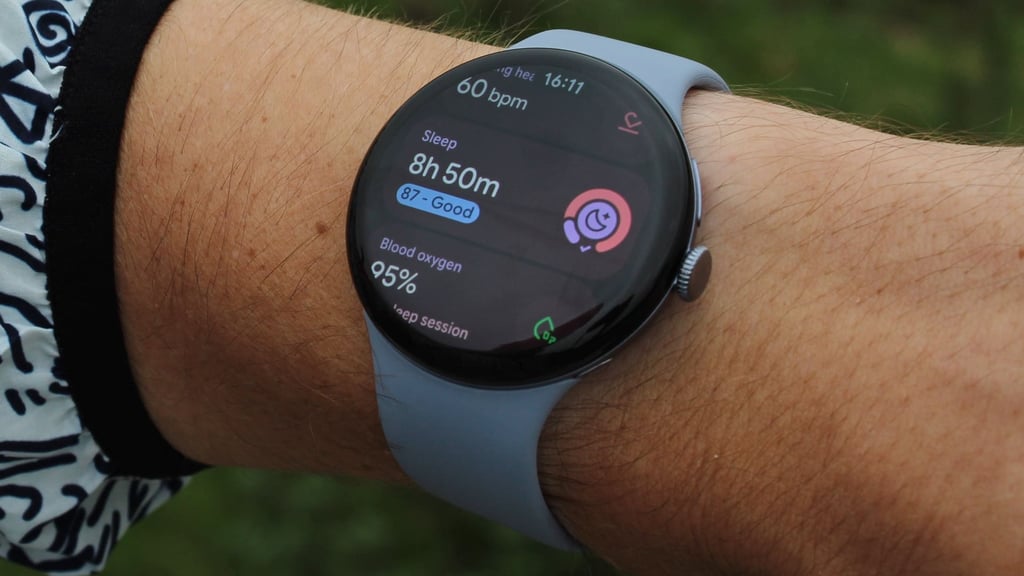
It's been a quiet few years for the Fitbit brand, defined by Google's August 2024 announcement that Fitbit smartwatches would no longer be produced.
That means Google's smartwatch focus is almost exclusively on its Pixel Watch line, aside from Fitbit Ace LTE (currently US-only and the only product released under the brand in 2024).
After spending a few years nerfing Fitbit Versa 4 and Sense 2 smartwatches, this was no surprise—we called it well before it actually happened. As expected, then, there were no significant hardware launches under the Fitbit banner in 2025.
However, in October 2025, signs of life began to appear. Upon officially announcing that Fitbit Coach would headline a completely revamped app experience, Google also quietly confirmed that new Fitbit devices will arrive in 2026.
At the time of writing, there's still no concrete information (or leaks) to point to what kind of Fitbit wearables we can expect, but our best guess is that a refresh of its fitness trackers is in the works. That could mean a long-awaited Fitbit Charge 7 and Inspire 4 finally hit store shelves.
We'll update this section with more information as and when it becomes clearer.
- Buy the best: Top fitness trackers reviewed
- Top choices: Best smartwatches for your needs
Google Pixel Watch 4
The best Fitbit smartwatch
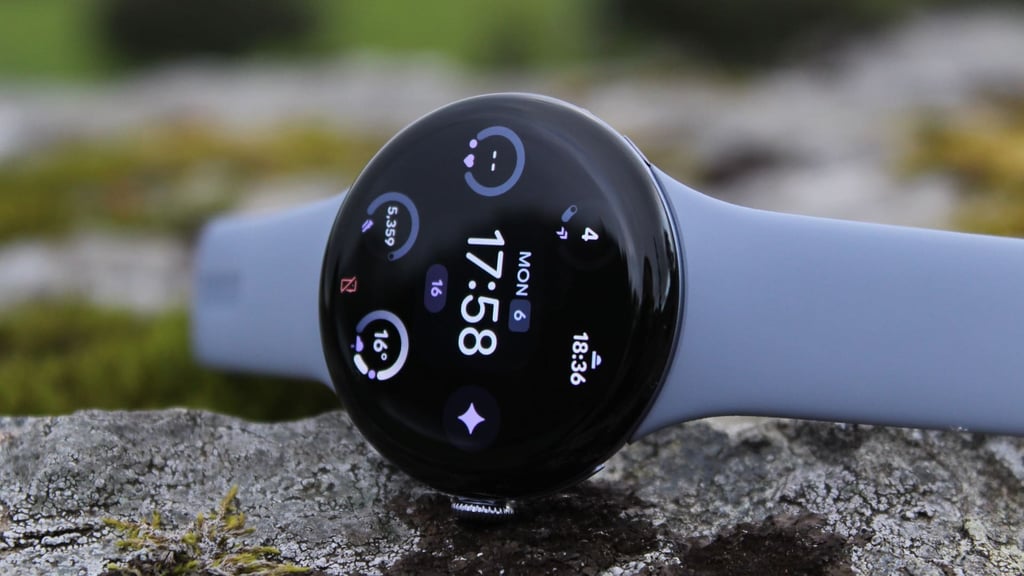
Pixel Watch 4 is a Fitbit in its own right, with the core tracking experience powered by Google's algorithms and design.
The key difference between the fourth-gen Pixel Watch and a Fitbit smartwatch like Sense 2 (below) is that Pixel Watch runs Wear OS 6 rather than Fitbit OS. That means it offers the full selection of apps from Google’s suite (including Maps, Gmail, Calendar, and Home) and third-party offerings from Google Play Store.
Pixel Watch 4, like its predecessor, is available in a 41mm and a larger, 45mm circular case. It also boasts a much-improved domed screen, and we consider it close to Apple Watch Series 11 in terms of versatility. It’s a great-looking watch, made slightly better by its brighter display (now with a peak brightness of 3,000 nits) and more edge-to-edge display than its predecessors.
The ace up its sleeve is that Fitbit underpins the entire tracking experience. The Fitbit app is where you’ll view everything, including 24/7 heart rate data, Health Metrics Dashboard information, sleep tracking with sleep stages data, Daily Readiness Score, and the all-new Cardio Load/Target Load.
What are the downsides of this pick?
Battery life remains the big trade-off for this extra power and features—at least when you compare the Pixel Watch devices to other Fitbit models.
The 41mm version lasts only 24–30 hours with the always-on display enabled, according to our real-world testing. And though the 45mm version bumps that to a much more manageable two-day (or more, depending on how conservative your usage is) battery life, it’s still only a fraction of what something like Fitbit Versa 4 offers.
Given the significantly higher price tag, it's not an automatic recommendation. But this is comfortably—and we can't emphasize this enough—the best way to experience the Fitbit platform in 2026, with our testing finding the tracking to be largely very accurate.
Plus, Pixel Watch 3 is now often available at a cut-rate price if you are looking for the next best option.
- Read our full Google Pixel Watch 4 review
- Stunning, improved domed display
- Faster, more convenient charging
- Fun software with genuinely useful AI
- Similar battery life to Pixel Watch 3 (45mm)
- More repairable, but still easy to damage
Fitbit Charge 6
The most advanced Fitbit tracker
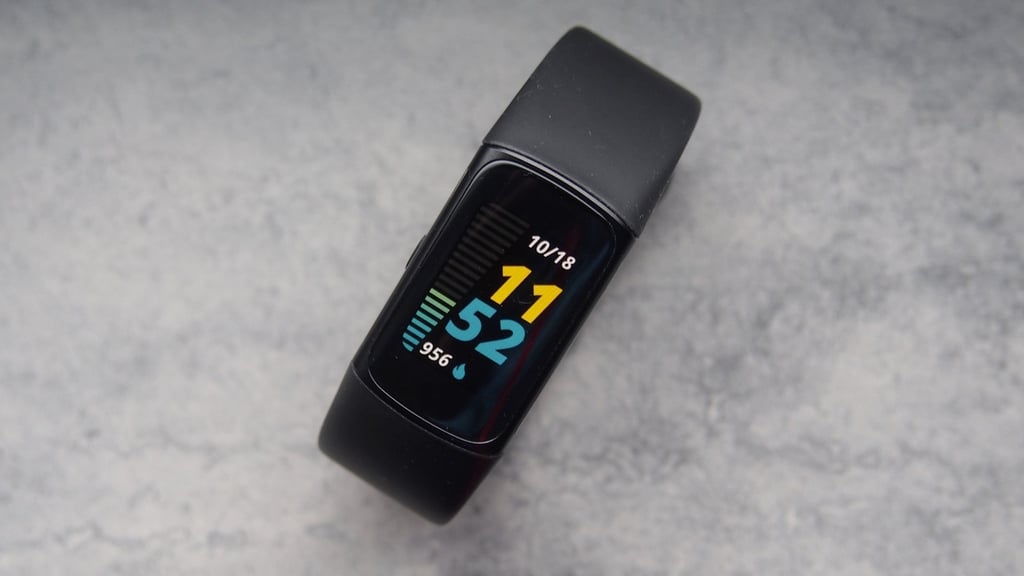
Released in 2023, Charge 6 is still Fitbit’s flagship wristband. Yet, it’s not that different from the previous generation released in 2021.
The stainless steel case and AMOLED display are still present, as is the sensor array that provides insights into skin temperature, daily stress (EDA sensor), heart rhythms (ECG), and blood oxygen saturation (SpO2) trends and location tracking (GPS).
While it may look and act almost identically to Charge 5, there are a couple of significant additions to be aware of. One is the return of the side button, last seen in Charge 4. This makes interacting with the device a much more pleasant experience.
We’ve now had time to review and re-review this device. While we still recommend it, it’s important to understand Charge 6’s blind spots—and the fact they haven’t been fixed (because they appear to be inherent to the design).
It can work if you want the chunkier form factor (or features like ECG). Charge 6 brings Fitbit’s platform to your wrist in a sleek and easy-to-wear package made even better with the reintroduction of the side button.
Yet, we found significant problems with the heart rate and GPS accuracy, undermining a huge part of its USP. As we say, this is related to the design and has been well documented by frustrated Charge 6 users in forums over the last couple of years. It results in one or the other working during outdoor exercise, which is a huge oversight and issue. Beware if this area is essential to you.
- Read our in-depth Fitbit Charge 6 review
- Still offers great sleep tracking
- Google Maps and Google Wallet are good additions
- The physical side button is back
- Built-in GPS is problematic
- Our strap broke after two days
- Lacks an altimeter
Fitbit Inspire 3
The best Fitbit fitness tracker
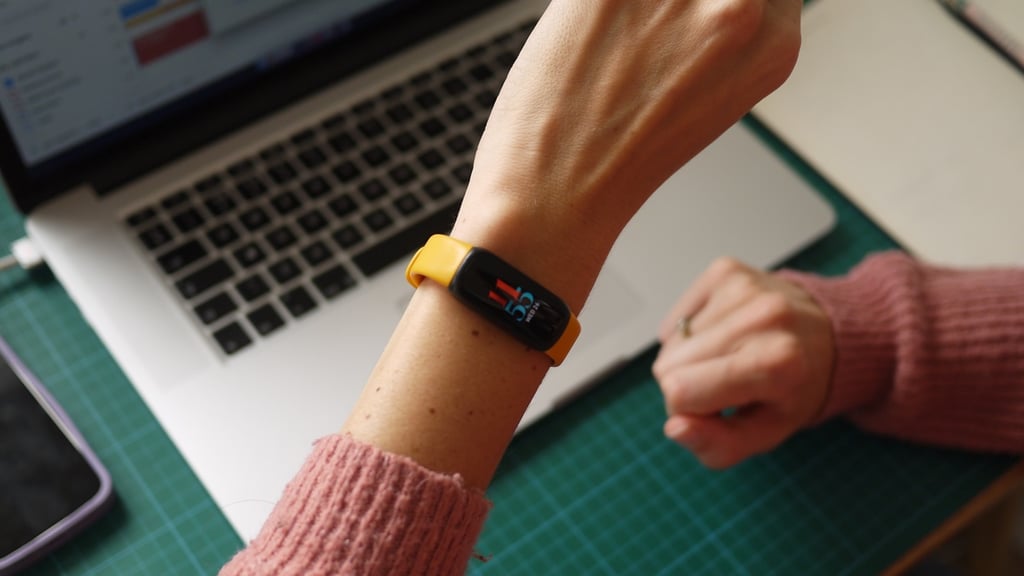
We love Inspire 3. It represents a massive update from Inspire 2 and is still a superb value fitness tracker despite being overdue for an update.
The color screen elevates the whole experience while not destroying the battery life, with 10 days on offer between charges. We got over a week in our testing with heavy use.
SpO2 also debuts on Inspire 3 for the first time, which is now ubiquitous across the whole range. Fitbit packs a temperature sensor, too, offering the full range of Health Metrics dashboard features.
Add in the new continuous heart rhythm notifications and Active Zone Minutes, top sleep tracking (including the new sleep profiles), and not-too-shabby workout tracking—the Inspire 3 is extraordinarily complete as a fitness tracking device.
And you can get some excellent deals on it, too.
- Check out our full Fitbit Inspire 3 review
- Powerful health/fitness features
- A good looking band
- Brilliant battery life
- Double the price of budget options
- Small screen
Fitbit Air
Best lightweight Fitbit
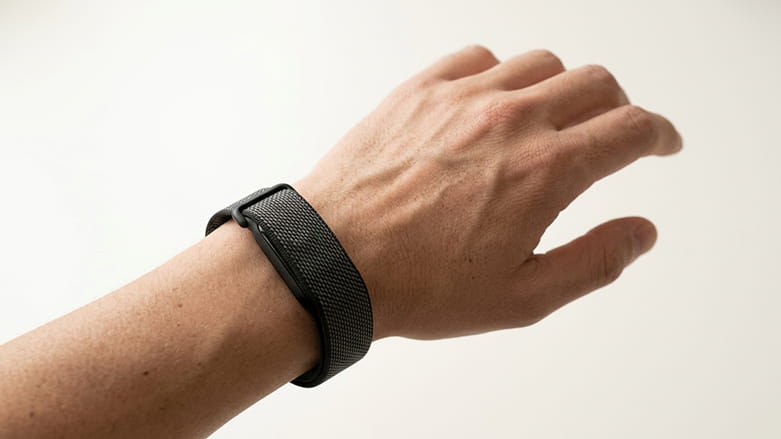
Fitbit has entered the screenless wearable space with Fitbit Air, its first tracker without a display. It removes AMOLED screens and notifications in favor of a minimalist design.
Instead of apps, Fitbit Air quietly tracks heart rate, sleep, SpO2, skin temperature, stress, recovery, and activity levels trends. However, it lacks a dedicated ECG function but still offers decent battery life of up to seven days.
While it can’t match WHOOP 5.0’s two-week battery, it wins on charging speed. Just five minutes of charging lasts all day, which is impressive.
The bigger shift is in software. Fitbit’s standalone app is being retired and rebranded as the Google Health app, with Gemini-powered Health Coach as the focus.
Like apps from Oura and WHOOP, Google uses generative AI to translate health data trends into personalized insights. This system can generate workout plans, suggest recovery estimates based on strain, and highlight potential sleep disruptions.
However, access to Health Coach and adaptive training plans requires a $10-a-month Google Health Premium subscription, though the basic app is free.
For longtime Fitbit users, this might mark a very different Fitbit era. But for buyers seeking a simpler wearable, Fitbit Air could be Google’s most modern health-tracking device yet.
- Use of AI for health insights
- Lightweight design feels less distracting than a smartwatch
- Passive health tracking
- $10/month premium subscription
- Less appealing for serious athletes seeking detailed metrics
Fitbit Versa 4
A solid entry-level smartwatch
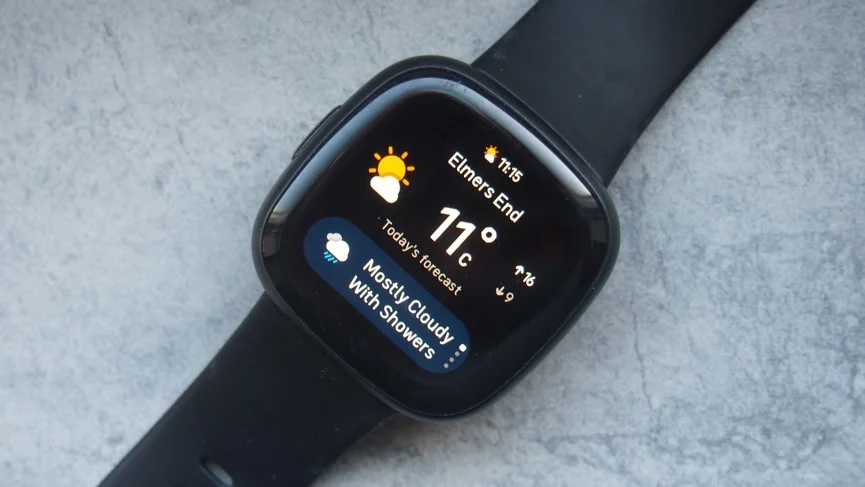
Versa 4 is the last version of Fitbit’s smartwatch set to be released, but it’s still an option while Google keeps software up to date. With an excellent 6-day battery life and a mid-range price tag, it’s a solid alternative to Pixel Watch 3/4.
The key to understanding Versa 4 is that it unlocks the main Fitbit experience in a smartwatch form factor. You get brilliant sleep tracking, heart rate trend data and the Health Metrics dashboard. It’s also a decent workout partner.
There’s no ECG here, but Versa 4 will still scan for irregular heart rate patterns using the PPG sensor. Fitbit also added a tactile button to a lighter case for this generation, making the watch easier to use.
However, Versa 4 is not a groundbreaking experience. While it does basic notifications and supports Google Wallet and Google Maps, things like watch faces feel clunky. What’s more, there are zero apps or third-party experiences.
In short, it’s a great Fitbit and an average smartwatch, and thus comes recommended to those who value Fitbit’s strengths over techy features. Just be sure to keep that potentially limited software support if you do plump for it.
- Check out our extensive Fitbit Versa 4 review
- Welcome return of the side button
- Very friendly UI
- Great sleep tracker
- No music features
- No third-party app support
- Mixed HR accuracy
Fitbit Sense 2
A nice-looking Fitbit with neat health features
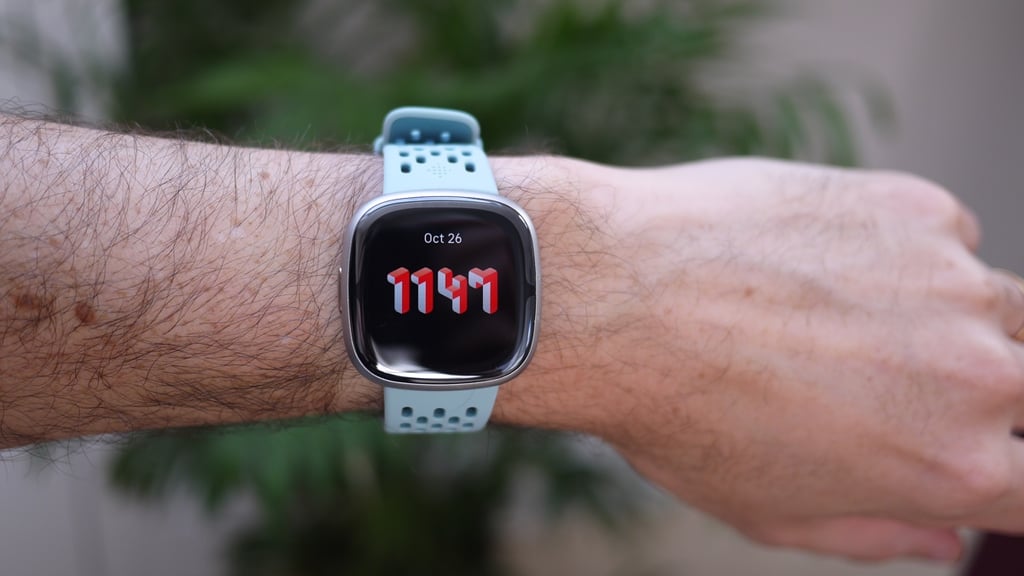
Fitbit’s more wellness-focused watch, Sense 2, goes all-in on stress tracking. The EDA sensor measures body responses via the palm and is now continuous. It’s called Body Response Sensor and may offer a much more detailed stress-related insights, prompting you for manual feedback on how you feel.
If you’re concerned about stress, it may provide an interesting touchpoint in taking control of your feelings. However, we found it wasn’t actionable enough, and didn’t connect the dots between stress and our behaviors and habits, such as stress, nutrition, and sleep.
This generation is also lighter and thinner than its predecessor, while still managing to pack in the ECG sensor found on the original Sense.
When we performed our original test, we found it an excellent wellness watch, even though problems persist as a smartwatch. Most Fitbits now scan for heart rhythm patterns using the HR sensor, and even Inspire 3 now packs SpO2 and temperature trend sensing.
It means Sense 2 feels hard to justify at this price point, especially when Google Pixel Watch 3/4 does the same things—with Google apps, services, and a rich, modern-feeling device. There’s also Versa 4, which offers broadly the same features (without ECG/EDA) for less cash.
Also, remember Google won’t be producing a Sense 3 smartwatch. This could result in increasingly limited and deprioritized software support for this watch.
- Read our Fitbit Sense 2 review
- ECG and strong wellness features
- Improved design with a button
- A week of battery life
- Stress tracking didn't impress
- Poor OS and no apps
- Expensive
Fitbit Luxe
Best Fitbit for women
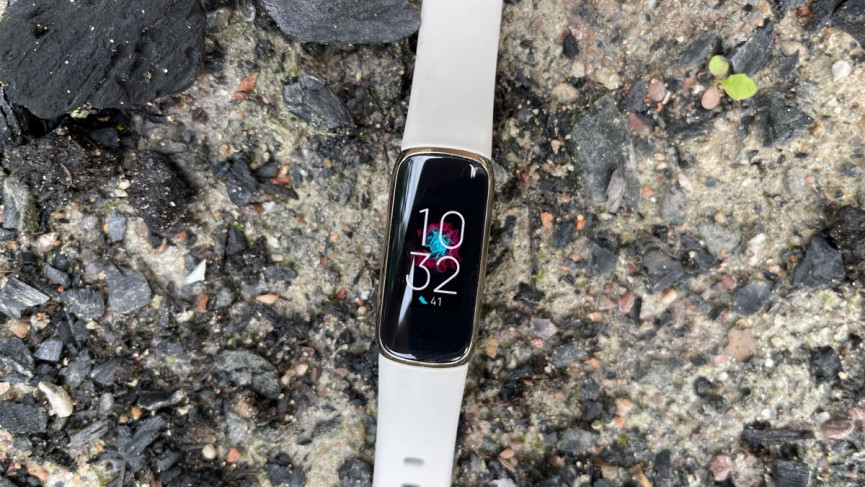
Fitbit Luxe offers a more luxurious stainless steel case and a color AMOLED display, both of which are a huge visual step up from the Inspire range.
It’s something you might want to wear, and, while the look and feel are Luxe, the price tag is reassuringly affordable.
It comes in white, black, or pink, and there’s also a special edition with a gold link bracelet. It’s not exclusively for women, but quite obviously marketed that way.
In terms of features, there’s nothing exclusive to Luxe, but plenty of top features filter down the Fitbit range. It’s not as advanced as Charge 6 (with no GPS, for example) but trumps the Inspire range with its SpO2 sensor for blood oxygen patterns.
There’s also a new drive toward mindfulness, and it will track stress using a daily score. That’s on top of sleep, heart rate, and steps—everything you expect from Fitbit.
In short, Luxe puts the best parts of the Fitbit experience in a nicer, sleeker, and more stylish package. What’s not to like about that?
- Check out our in-depth Fitbit Luxe review
- Slim, comfortable design
- A nice, vibrant color screen
- Fitbit OS-inspired user interface
- Heart rate accuracy for exercise
- Some insights require Fitbit Premium
- No really groundbreaking new features
Fitbit Ace LTE
The best Fitbit smartwatch for kids
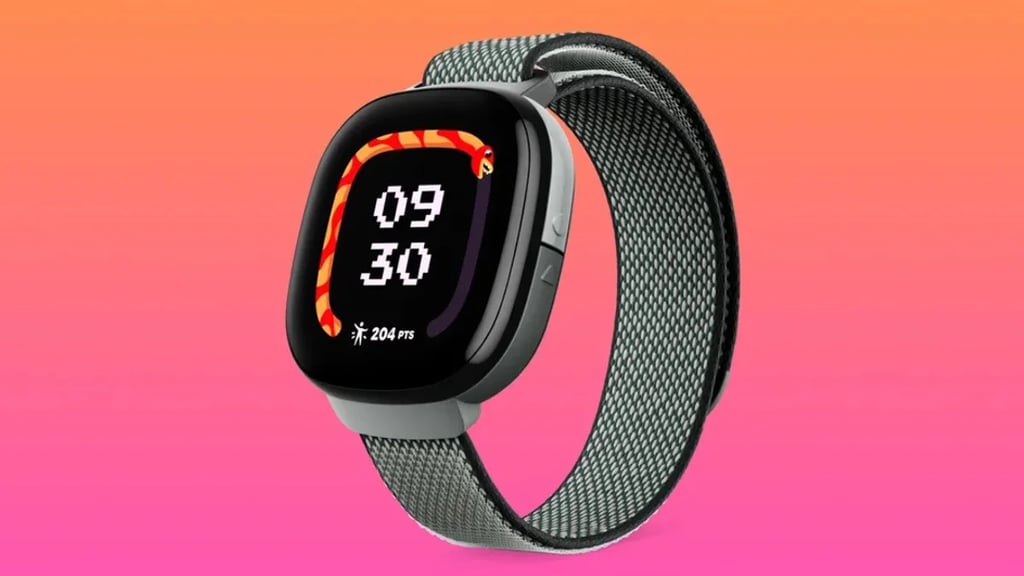
We've not fully tested this smartwatch, as it's still only available in the US after launching in summer 2024. But the Fitbit Ace LTE is a kid-friendly smartwatch for children aged seven and up.
It features six games and encourages kids to move for at least 60 minutes daily to unlock more playtime.
The watch includes safety features, such as device location and voice calls, available through a $9.99/month subscription. Parents can monitor their child's activity via the Fitbit Ace app.
But it's pricey. At $229.95, you need to pay an extra $9.99 monthly for the location services. But it's getting rave reviews online and is, at last, a proper feature-rich kids watch from a true wearable brand.
Fitbit Ace 3
The best Fitbit tracker for kids
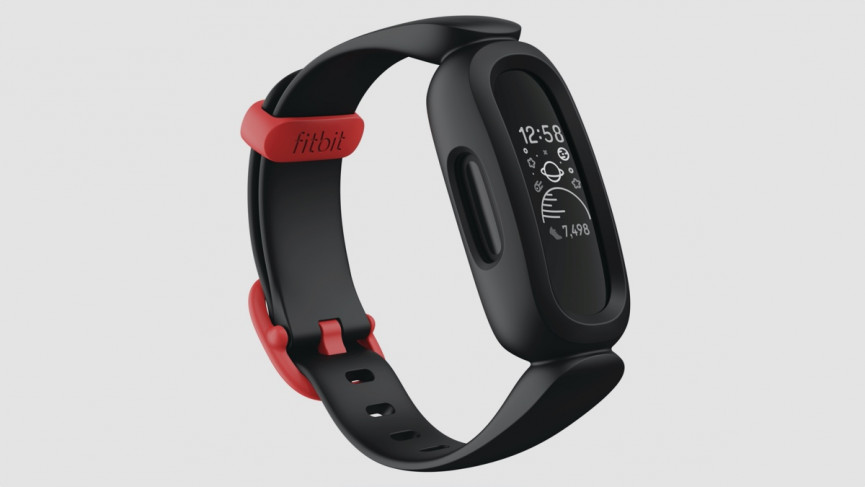
Fitbit Ace 3 is aimed at kids aged six and up, with the latest generation featuring a modular design that utilizes a bumper to keep the display a little more protected as kids run around and play.
Ace 3 puts move reminders at its core, reminding kids to get those 250 steps per minute on their way to 60 minutes of active time each day.
It’s still a monochrome display, so there are no colors here. And the main features are still step tracking, sports monitoring, and sleep insights. There’s no heart rate monitor, but it does boast swim-proof 5ATM water resistance.
Bedtime reminders and silent alarms help parents instill a settled sleep schedule, with timers and “race the stopwatch” features also built into the watch.
The larger tracker also means a battery life boost. It will now last eight days between charging, up from six days in the previous generation.
This article was first published in December 2015. However, we update it frequently to reflect the newest Fitbit devices, ensuring we've tested the latest devices available.