

Color-changing LEDs could provide at-a-glance health and fitness insights, as detailed in a new patent
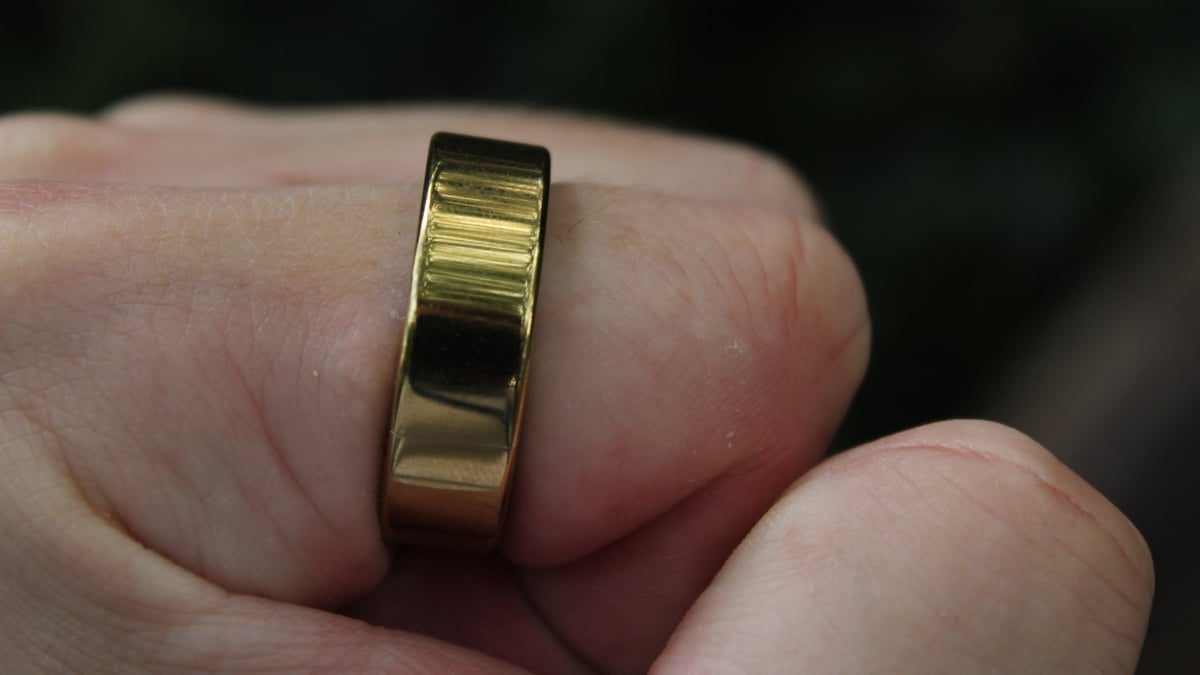
Smart ring maker Ultrahuman is exploring a future device featuring external LED lights that could provide wearers with immediate visual indicators across multiple health and fitness metrics.
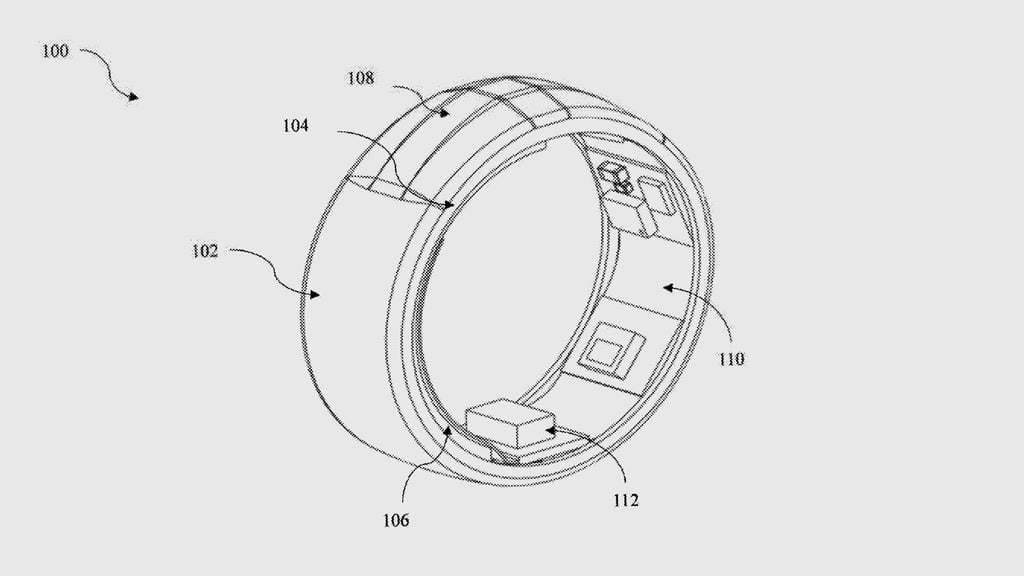
An updated patent filing from the company, observed by Wareable, reveals that Ultrahuman is considering incorporating color-changing LEDs to display heart rate zones, stress levels, blood oxygen saturation, and progress toward daily movement targets.
According to the filing, the system would be customizable, allowing users to select preferred indicators and illumination styles—including solid, blinking, pulsing, and revolving light patterns.
Ultrahuman argues that current screen-free wearables delay real-time biometric awareness by forcing users to open a paired smartphone app.
In the filing, the company notes:
“Therefore, there is a need for a wearable device that not only continuously monitors user health data but also provides immediate, intuitive feedback directly on the wearable itself.
“The wearable device that visually communicates physiological and activity data through real-time colour changes or patterns would enable users to track their biomarkers and vitals in real time to instantly interpret their health status without needing to check an external screen.”
While screen-based smartwatches routinely display color-coded heart rate zones (such as Garmin’s five-zone scale ranging from grey to red), visual HR indicators on screenless wearables remain rare.
Niche exceptions exist—such as trackers from boutique gym brands like Orangetheory, which uses a light ring to display real-time intensity zones fundamental to its workouts. A light-up ring could offer a middle ground between an active display and a screenless chassis, provided it's executed discreetly.
Beyond exercise intensity, the patent outlines broader applications for the LED system, including rising stress levels, SpO2 fluctuations, step goal progress, and body temperature spikes. Users would also be able to configure specific light behaviors for tailored biometric thresholds.
“In one aspect, the colour-changing hardware is capable of illuminating in multiple colours and displaying various illumination patterns including blinking, revolving lights, dimming, and brightening at defined intervals.
“In an embodiment, the user may customize the illumination of the colour changing hardware based on the customized pre-defined conditions... such as changing colour based on stress level, altering colour when the heart rate falls outside a user-selected range, modifying colour in response to the current step count or upon achieving a step goal, displaying different colours for various workout zones, [or] changing colour when temperature falls outside a selected range.”
The filing goes on to describe specific preset conditions, such as a high stress reading triggering a rapid red flash, a heart rate of 100–120 bpm initiating a revolving blue pattern, or an oxygen saturation level between 80% and 90% prompting a green pulse every two seconds.
Deviating from convention
While patent filings never guarantee commercial production, such a design shift would mark a major departure for Ultrahuman and the broader smart ring market.
Existing flagships like the Oura Ring 5, RingConn Gen 3, Samsung Galaxy Ring, and Ultrahuman’s own Ring Pro prioritize a clean, jewelry-like aesthetic that fades into the background.
That understated philosophy has allowed smart rings to double as subtle fashion accessories while passively collecting health data.
Recent category launches across the broader wearable market—such as the Garmin Cirqa, Polar Loop, and Fitbit Air—have similarly leaned into distraction-free, screenless form factors.
Responding to a request for comment on the patent, an Ultrahuman spokesperson told Wareable:
We are an engineering company at heart – evidenced by innovations such as up to 15-day battery life on Ring Pro, ProRelease Technology, which allows the ring to be safely cut apart in the event of finger swelling or injury, and UltraSnap charging, which protects long-term battery health by running cooler than conventional wireless charging.
"At Ultrahuman, we are constantly pushing the accuracy and capability of our devices and our ecosystem. Our patent portfolio reflects how seriously we take that work, and there is significantly more to come.”