Oura’s patented concept now looks more focused on distinguishing obstructive sleep apnea from central sleep apnea
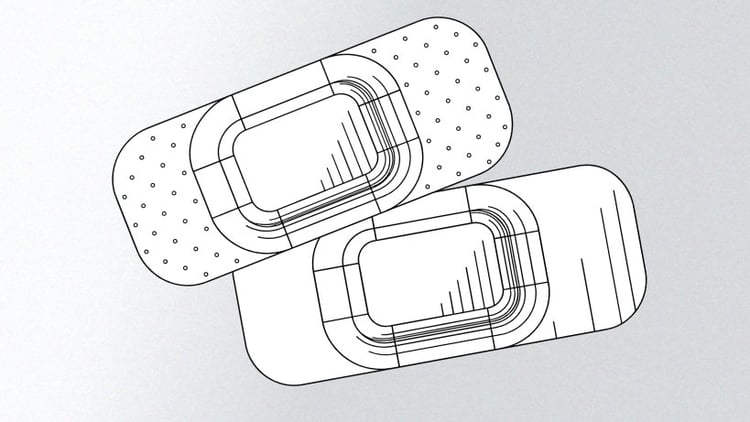
A newly granted Oura patent details how a wearable patch could combine blood oxygen tracking with body position sensing to screen for positional sleep apnea.
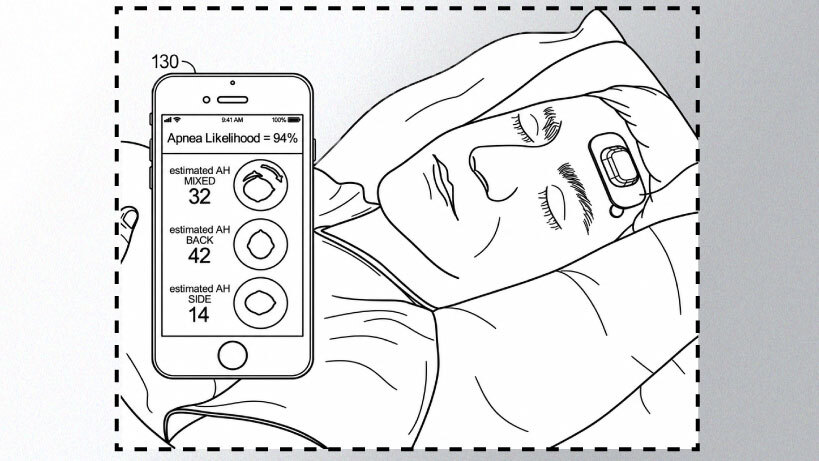
In 2023, we covered the original Oura patent, which described a patch-style device that could use sleep position, a microphone, motion sensors, heart rate, and blood oxygen data to estimate the likelihood of apnea.
Instead of relying on its own smart ring, Oura seemed to take a more clinical approach, with diagrams showing the patch on the forehead, throat, chest, behind the ear—or even as an earpiece.
The updated patent keeps this broader idea but adds some useful details. Most importantly, it now focuses more on distinguishing obstructive sleep apnea (OSA) from central sleep apnea (CSA), rather than just flagging general apnea risk.
A sharper focus on the type of sleep apnea
According to the filing: “The type of apnea can be estimated based on the subject's sleep position and the amount and/or frequency of blood oxygen desaturation.
“For example, obstructive sleep apnea (OSA) is often associated with sleeping in a supine position, whereas central sleep apnea (CSA) is less dependent on sleeping position.”
This means the patch would detect breathing interruptions and drops in oxygen, and also note whether these events mostly happen when the user is lying on their back.
This matters because OSA, which happens when the airway is blocked, often depends on sleep position. CSA, which involves the brain not sending the right signals to breathe, may not show the same pattern.
Long-term screening
The patent also emphasizes tracking over several nights, not just one.
Instead of acting as a single-night test, the system could gather data across multiple nights to better understand the user’s usual oxygen levels and sleep positions before deciding whether something is abnormal.
This method makes it more of a continuous screening tool than a single check, potentially providing better feedback for any therapy solutions.
The patent also states that the patch could track whether apnea episodes and drops in oxygen levels improve during positive airway pressure (PAP) therapy—again, possibly making it useful for follow-up screenings.
On the surface, this patent seems part of Oura’s broader move toward more clinical-grade screening tools, similar to the wrist-based, FDA-cleared sleep apnea features on the Apple Watch and Samsung Galaxy Watch.
However, only time will tell whether the smart ring brand decides to take this route.
Stay tuned for more—we’ll be keeping an eye on whether the company makes any more moves in this area over the coming months.