The feature could see rumored Apple glasses recognize prescription inserts on their own, making setup easier for people who need vision correction
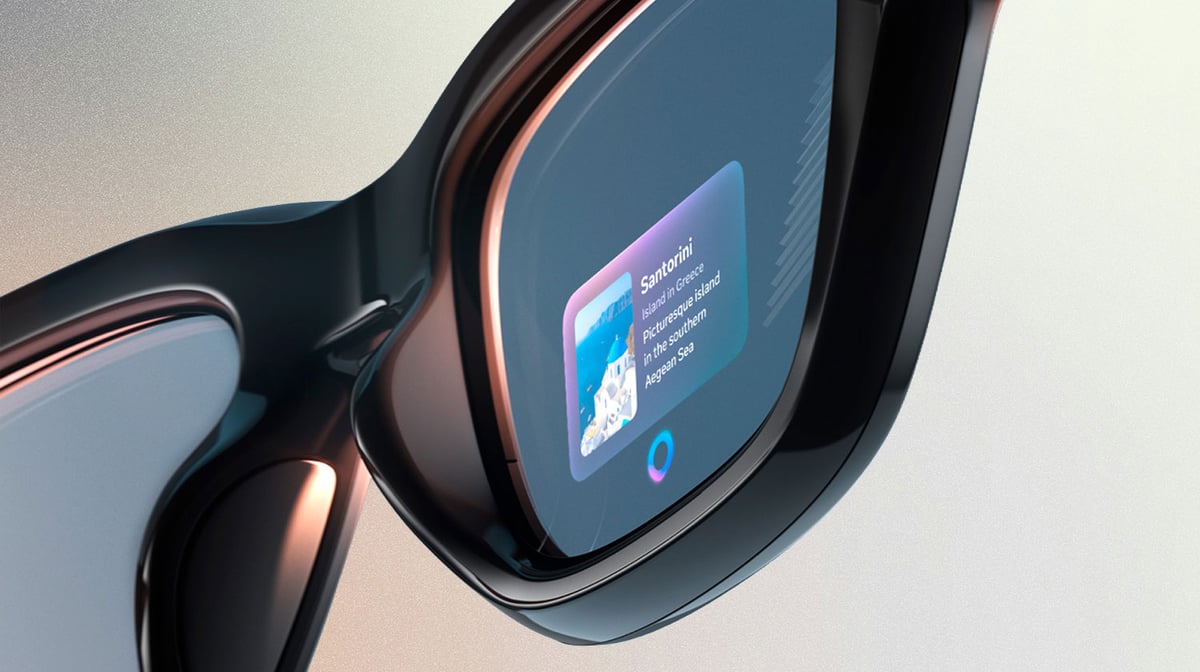
Apple is exploring a smart glasses feature that uses reflected light patterns to identify attached prescription lenses and automatically adjust visual displays to match.
As detailed in a newly granted patent—“Identifying lens characteristics using reflections”—Apple describes a system that aims to make prescription lens inserts for smart glasses easier to use by removing the need for manual setup.
The idea is that the glasses shine light onto an attached lens, then read how the light bounces back. By analyzing these reflections, the system can determine what type of lens is being used.
This could let future Apple smart glasses automatically recognize prescription inserts and adjust what the wearer sees.
Making prescription inserts less of a hassle
Instead of asking users to tell the device which lens is attached, the patent explains that the system can figure out “a lens characteristic of an attachable lens using reflections.”
The glasses use these reflections to identify details such as the lens's prescription, position, and orientation.
This matters because the lens needs the right strength and the correct position for the display to work well.
The patent also mentions that the system can show content “based on the determined prescription of the attachable lens,” with the content viewed through the lens itself.
Essentially, Apple is developing a way for smart glasses to automatically adjust the visuals to match the user’s needs.
A small clue about Apple’s bigger glasses plans
This latest filing fits neatly into the current wave of rumors around Apple’s long-rumored smart glasses plans.
As we’ve reported this year, the company is believed to be accelerating work on both glasses and other face-worn devices, with lighter smart glasses still expected to land before more advanced XR wearables with displays.
In this context, the patent seems less like a flashy new feature and more like proof that Apple is working out the practical details that could make smart eyewear easier to use.
Prescription support is one of those important details. If users need to clip in corrective lenses, Apple will need a simple way for the device to recognize them and automatically adjust visuals, so people don’t have to set things up every time they change inserts.
While this doesn’t confirm anything, it helps flesh out what we know of the brand’s smart glasses ambitions—and keeps the ongoing reports feeling realistic, rather than just rumor-mill chat.
If Apple goes forward with a broader lineup of face-worn devices, a system like this could even work for more than one product type. However, only time will tell if the feature even makes it to market. Stay tuned.