A new Apple patent describes a system that could combine health data from multiple wearables to produce a single, more accurate reading
Apple may be working to make wearable health tracking more accurate by having several devices check the same signal at the same time.
First uncovered by Wareable, the newly granted patent describes a system that collects health data from multiple electronic devices, compares each reading's reliability, and then either picks the best one or combines them for a final result.
It looks like Apple wants to fix a common problem with wearables: two devices can measure the same thing, but their results are not always equally accurate.
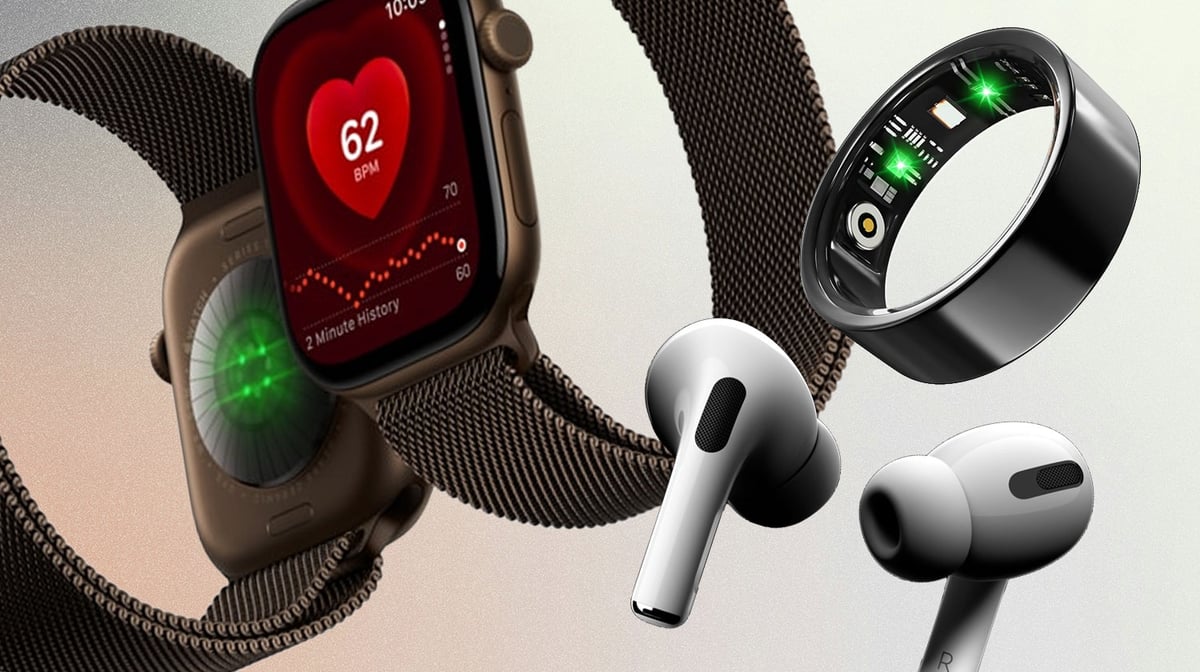
The patent also suggests wearing one device on the wrist and another on the ear, hinting at a more advanced version of the Apple Watch and AirPods setup users can already use for heart-rate tracking.
Going beyond choosing the best sensor
Last year, we reported that Apple already uses a smart handoff system when you wear both an Apple Watch and AirPods Pro 3 during a workout.
Currently, the software checks the signal quality from both devices and picks the one with the strongest data from the last few minutes.
However, this latest filing takes this idea further.
Instead of just choosing one device, Apple describes a system that can “select and obtain physiological metrics from multiple electronic devices in order to generate an output physiological value for a measured physiological parameter.”
In some cases, it can even “combine the physiological metrics from the first electronic device and the second electronic device to generate the output physiological value.”
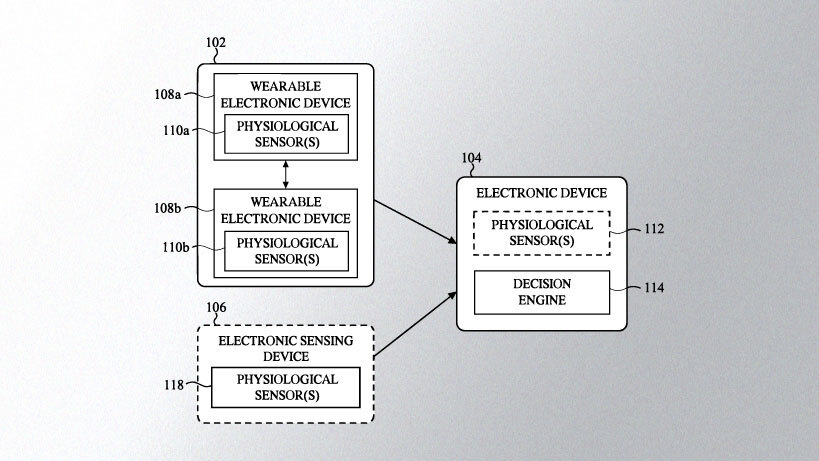
The patent also mentions that the system can calculate and compare “a confidence metric” for readings from different devices before deciding how to use them.
This method seems less like a workout feature and more like a foundation for Apple’s future health ecosystem.
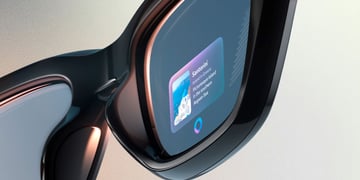
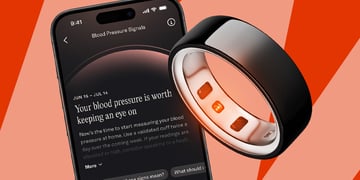
It could eventually include not just the Apple Watch and AirPods, but also future devices like a smart ring or AR glasses.
If Apple moves from basic sensor switching to true multi-device fusion behind the scenes, it could also lead to more advanced biometrics that use readings from different parts of the body, possibly including detailed measurements like pulse wave velocity.
However, for now, as with all patents, there is no guarantee this system will make it into a future Apple device. Stay tuned for more.