

Modular and full-leg exoskeletons, super-thin rings, and swathes of smart glasses dominated the Berlin expo
IFA has long been Europe’s premier showcase for the truly ambitious, unexpected, and cutting-edge wearable technology—and the 2026 installment has been no different.
In fact, several industry categories have seen breakout years.
At the Messe this time around, we’ve walked around with full-leg and modular consumer exoskeletons, tried the latest AI and spatial-entertainment glasses, heard from the challengers chasing Oura, and seen a steady stream of new fitness and health trackers become globally available.
Below are our favorite picks from IFA 2026, plus the latest wearables we’ve seen and demoed on the show floor.
Hypershell Halo Exoskeleton

Hypershell returned to Berlin with its most ambitious hardware leap to date: the Hypershell Halo, a category-defining full-leg exoskeleton engineered for all-terrain mobility.
Moving beyond the standard hip-and-above-knee support that dominated earlier iterations, the Halo adds two buckles below the knee to power the knee joint in all terrains.
The unified architecture keeps support as a single, synchronized system, but the new lower-leg support—along with the optional extra shoulder support—extends the existing system's range, making ascents and descents, hauling heavy loads, and navigating real-world trails feel more effortless.
Alongside the flagship Halo, Hypershell showcased its award-winning X Series hip exoskeletons that debuted earlier this year.
With its improved AI terrain adaptation and compact design, Hypershell continues to lead the charge in turning wearable robotics from industrial novelties into essential gear for outdoor exploration.
The Halo is available for £2,199 / $2,299 / €2,299, with shipments beginning worldwide in November.
Ultrahuman Ring Pro
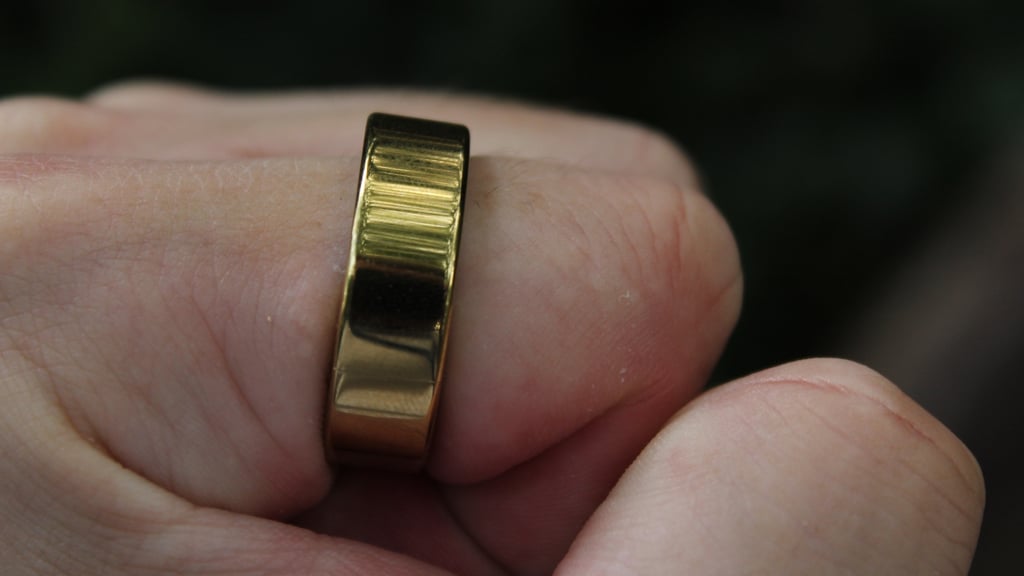
Ultrahuman used the floor in Berlin to showcase its latest-gen smart ring, the Ultrahuman Ring Pro, and to announce a major software program and a significant new funding round with Qualcomm Ventures.
First, that new software. Ultrahuman debuted Pulsomics, an opt-in research platform built into the Ultrahuman app for Ring Air and Ring Pro users in more than 100 countries.
To address the issue of wearables being trained on small clinical datasets, Pulsomics lets ring wearers contribute raw overnight pulse data along with demographic markers such as age, sex, ethnicity, skin tone, and body type.
The initiative launches with three core focus areas. The first is a 'Sleep Sufficiency Study' that pairs sleep journaling with pulse signals to calculate personalized sleep requirements (rather than using population-wide averages).
The 'VO2 Max Study' also correlates pulse signals with lab references to improve the accuracy of cardiovascular fitness estimates across different body types. Finally, the 'Glucose Metabolism Study' combines ring data with recent blood panels to deliver metabolic insights without requiring continuous lab tests.
Ultrahuman also announced a major $70 million financing round on the show floor, with participation from Qualcomm Ventures, Labcorp, Alpha Wave, and others.
The company is pitching this as a way to evolve from a health-tracking company into a full computer-interface platform—one designed to continuously understand the human body. It says this new capital will accelerate development across its sensing, AI, and miniaturized electronics, aimed at making the platform more capable and actionable for users globally.
Ascentiz H Series Exoskeleton
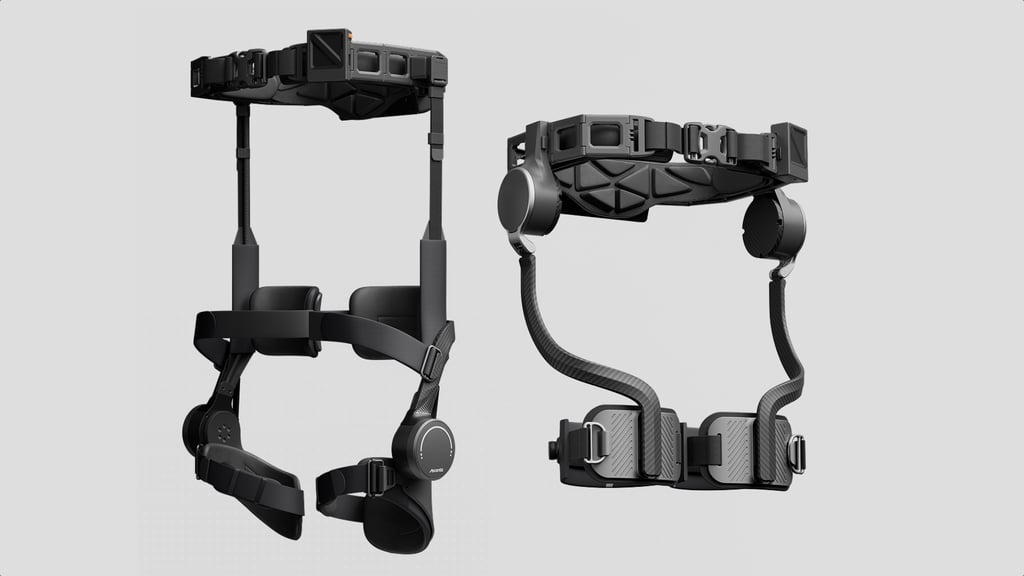
Making its IFA debut, Ascentiz showcased its H Series exoskeleton. Like Hypershell, it also marks a first for consumer exoskeletons, with the Chinese brand debuting a modular mobility platform.
Rather than locking users into a single, rigid chassis, Ascentiz built the H Series around a shared Exo-Belt core and interchangeable assistance modules.
The active H Module provides responsive hip propulsion for walking, hiking, running, and cycling, while the upcoming K Module focuses on knee stabilization and impact reduction during steep descents.
Powered by the proprietary BodyOS platform, the brand says it reduces walking effort by up to 35%.
Ascentiz showcased two hardware configurations at the show:
- H Pro ($1,499): Lightweight, daily mobility option offering up to 25km of assisted range
- H Ultra ($1,999): Heavy-duty build featuring a carbon fiber and titanium-alloy frame, dual-battery design extending range to 50km, and enhanced power output
With an open-source SDK available on the H Ultra for third-party developers, Ascentiz is pitching its platform as an evolving ecosystem rather than just a single piece of hardware.
Rokid Glasses & AIUI Studio
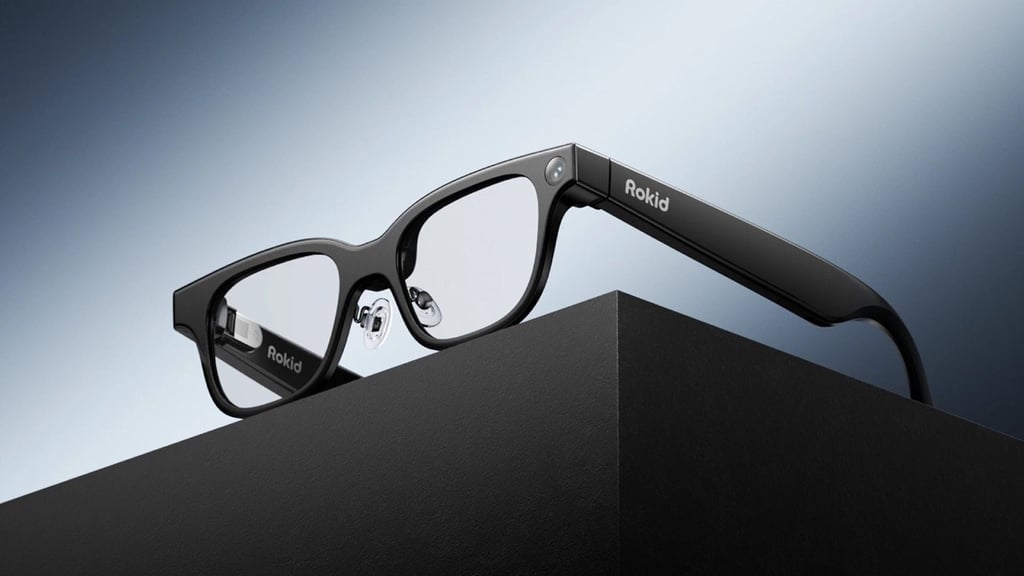
Rokid made a big impact at IFA 2026, centering its presence on the next generation of spatial computing.
The company used the show to launch AIUI Studio, an all-in-one, browser-based development platform that marks a major step in making AI glasses creation accessible to everyone.
By integrating the AIUI Skills Library and AIUI Code assistance, the platform lets users create and publish spatial AI applications for Rokid’s hardware without prior coding experience.
A key highlight of the AIUI Studio is its AI-native workflow, which lets you develop apps from concept to publication directly in the browser.
Notably, the platform includes a simulation environment, so developers can create and test agents without owning the physical hardware. With a global community of roughly 35,000 developers, the company is positioning itself as a leader in building open AI ecosystems for wearables.
Beyond the software launch, Rokid showcased its current smart eyewear at the show, including the Rokid Glasses and Rokid AI Glasses Style.
HTC Vive Eagle
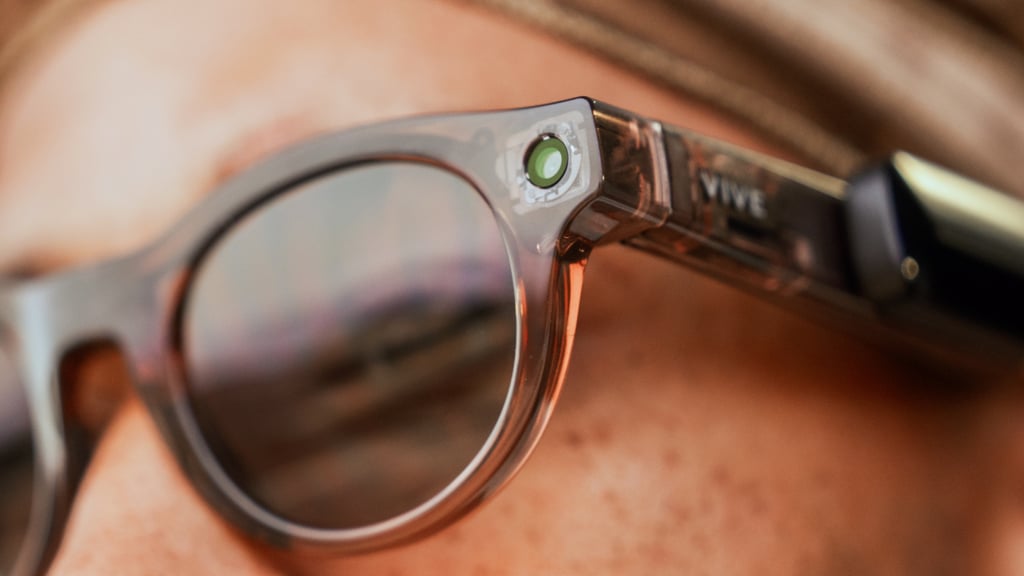
HTC brought one of the most practical AI wearables of the show to Berlin with the European launch of the HTC Vive Eagle.
Weighing just 49g, these sleek frames merge everyday optical styling with flexible, multi-model artificial intelligence.
Powered by Qualcomm’s Snapdragon AR1 Gen 1 platform, the Vive Eagle stands out by letting wearers choose between Google Gemini and OpenAI GPT within the companion app, avoiding vendor lock-in.
The frames house an ultra-wide 12MP camera capable of 3K video recording, directional open-ear stereo speakers, and a 4-microphone array for hands-free voice queries and calls.
Privacy is also front and center: the camera automatically disables when removed from the face, and a hardwired LED alerts onlookers during recording.
With live translation across 90+ languages, 'Total Memory Recall' contextual logging, and rapid magnetic charging (1-50% in 10 minutes), the Vive Eagle sets a strong benchmark for daily AI eyewear.
RayNeo iO & GT Series
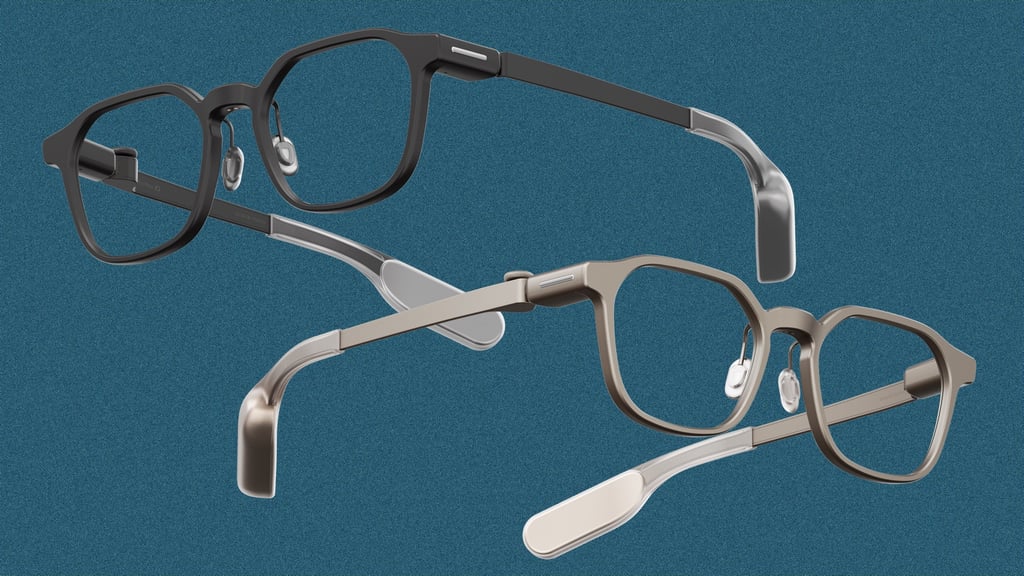
TCL-backed RayNeo made a double splash at IFA 2026, pulling back the curtain on two distinct optical lines for both heads-up productivity and immersive mobile entertainment.
The RayNeo iO ($379) takes a privacy-first, camera-free approach to smart glasses. Weighing just 33g, it packs a 1,300-nit monochrome diffractive waveguide display powered by the Firefly Nano MicroLED engine.
Powered by Gemini 3.1 Flash Lite (with toggles for ChatGPT and Claude), the iO uses a 4-mic array and a bone-conduction sensor to log meetings, display real-time teleprompters, and handle BabelOS speech translation without recording video.
For entertainment purists, the RayNeo GT Max delivers a cinema-grade experience. Featuring 5.5th-gen Tandem MicroOLED displays and Peacock Optical Engine 3.0 Max optics, it projects a massive 307-inch virtual 3D display at a wide 59° Field of View.
Paired with Bang & Olufsen-tuned quad speakers and native Dolby Vision support via the Pocket TV Pro accessory, it represents the state of the art in spatial video glasses.
Circular Ring 3 series
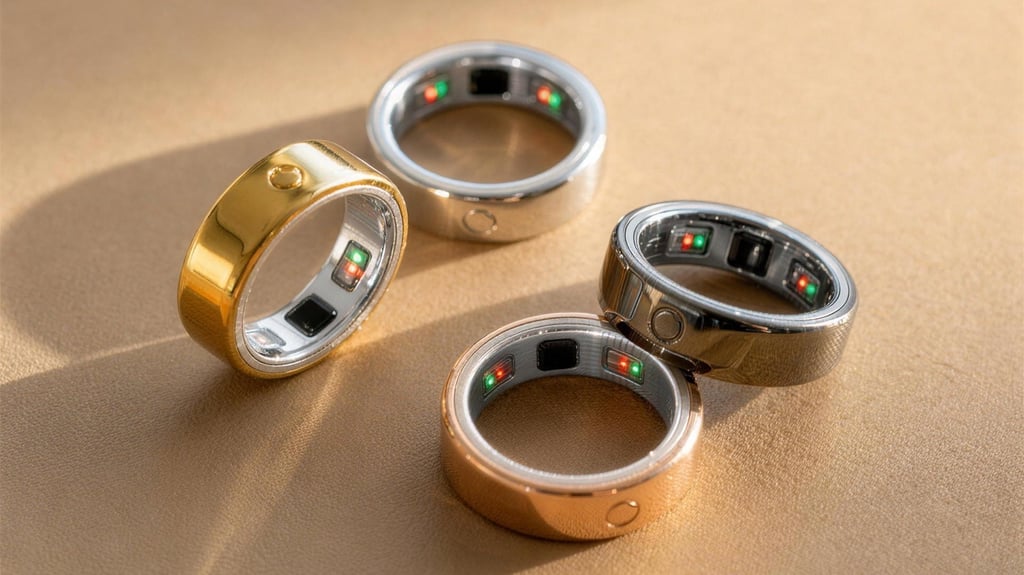
Smart ring startup Circular was one of the surprises of IFA 2026, unveiling its Circular Ring 3 series—its first ring generation to combine continuous biometric tracking with built-in NFC contactless payments.
The lineup features two distinct hardware options: the feature-packed Circular Ring 3 Pro and the ultra-sleek Circular Ring 3 Slim. Both models support Visa and Mastercard payments, allowing wearers to tap and pay directly from their finger.
The update also brings back Circular’s signature tactile haptic vibration engine from the first generation, enabling silent alarm wake-ups, medication alerts, and real-time stress prompts directly on the hand.
The flagship Ring 3 Pro expands its health suite with FDA-cleared ECG monitoring for AFib detection, blood pressure trend estimation, non-invasive glucose insights, and HRV tracking.
Meanwhile, the Ring 3 Slim delivers up to 10 days of battery life in a lightweight titanium steel frame, making the Ring 3 family one of the year's most versatile smart ring releases.
Both are available early next year, with pricing yet to be confirmed.