The filing describes a wearable feature that could record everyday sounds and let users see a history of alerts, noises, and events.
Google may be exploring a new way for its smartwatches and fitness trackers to categorize, label, and timestamp the sounds happening around in a visual timeline.
A new patent titled “Generating structured sound records using wearable computing devices” suggests that Google’s devices could log important audio events throughout the day, making it easier to know what happened and when.
This would let users keep a running record of what happened throughout the day.
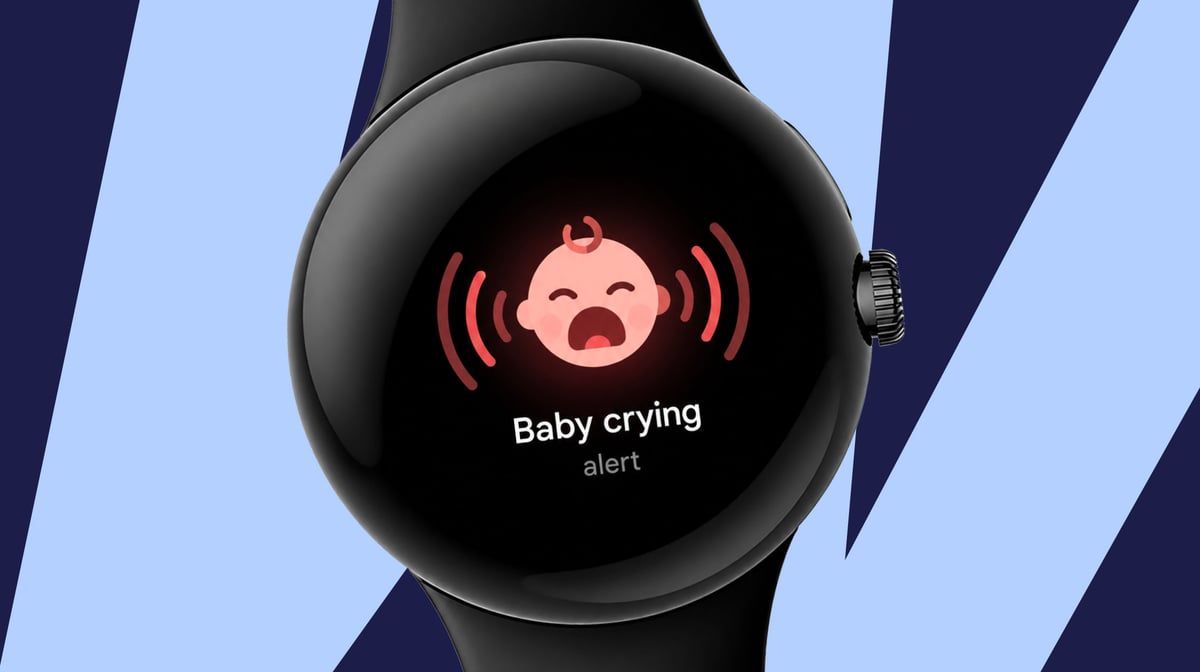
For example, a wearable could quietly log events like a baby crying, a smoke alarm sounding, or a dog barking, and then show them in an easy-to-read timeline instead of as raw audio.
A clearer way to follow everyday sounds
One practical benefit of this patent is that it could help people who can’t always notice the sounds around them.
Google explains, “People who are deaf and hard of hearing often face challenges in identifying sounds in the environment around them.”
This is where the system could make a difference. Instead of having users listen to recordings, the wearable can turn the day’s sounds into a simple list of events.
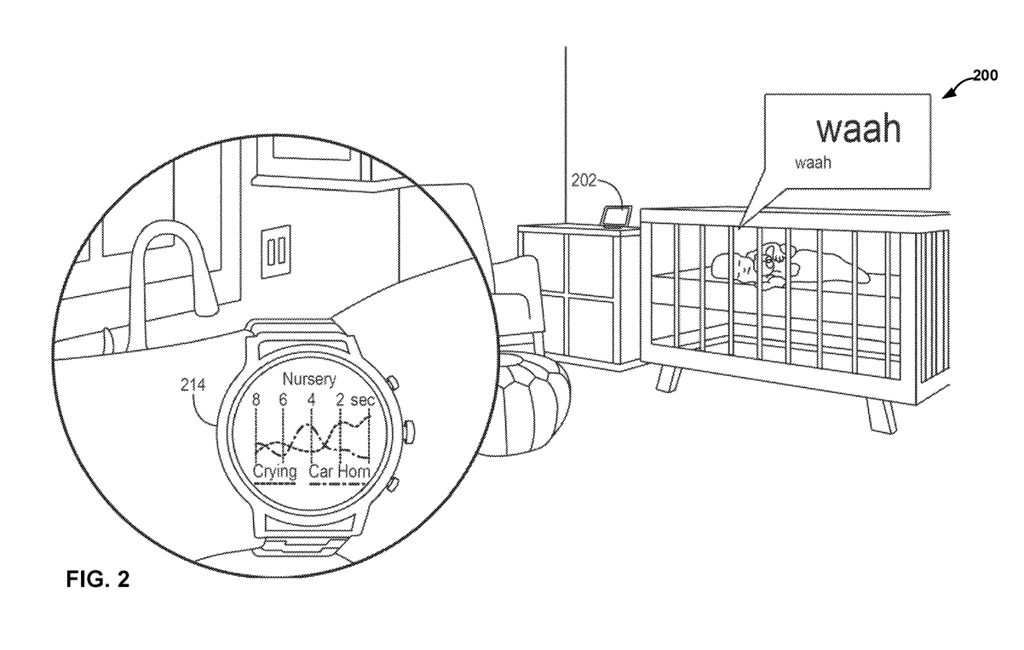
According to the patent, it can “generate one or more structured sound records based on the sound event, wherein each of the one or more structured sound records includes a description of the sound event, an indication of the label corresponding to the sound event, and a timestamp indicating a time associated with the sound event.”
In daily life, this might look like a timeline with entries such as a baby crying at 2:14am, a smoke alarm at 3:52pm, or a door knock at 6:10pm. This gives users an easy way to understand what happened throughout the day.
Where privacy concerns start
People have already raised concerns about devices like smart glasses, since their cameras and microphones are always on and can make it unclear whether nearby people are being recorded.
The feature described in this patent could face similar criticism. Even if Google’s system only labels sounds rather than saving full recordings, passive audio logging on a wearable still raises tough questions.
When is the device listening? What does it retain? How clear is that to everyone around?
Tracking things like baby cries, alarms, barking, shouting, door knocks, or appliance sounds could still reveal a lot about someone’s routines, environment, and private moments.
So while the patent might be seen as an accessibility or convenience feature, it also highlights the bigger privacy debate that comes with bringing ambient AI into everyday devices.
But for now—as with all patents—this is still one that's unlikely to actually make it to a Pixel Watch or Fitbit.